
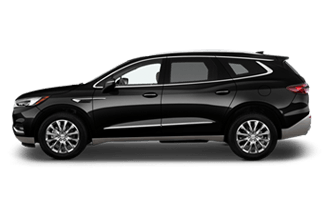
Choosing between a Standard Elite SUV and a Premium SUV means understanding two distinct value propositions. Standard Elite models — often the top trim of mainstream nameplates — deliver near-luxury comfort and tech at a lower price point. Premium SUVs, built on dedicated luxury platforms, justify higher costs with exclusive materials, stronger performance envelopes, and dealer experiences that mirror their badge prestige. This guide breaks down every decision factor so you can match the vehicle to your actual driving life, not just the brochure.
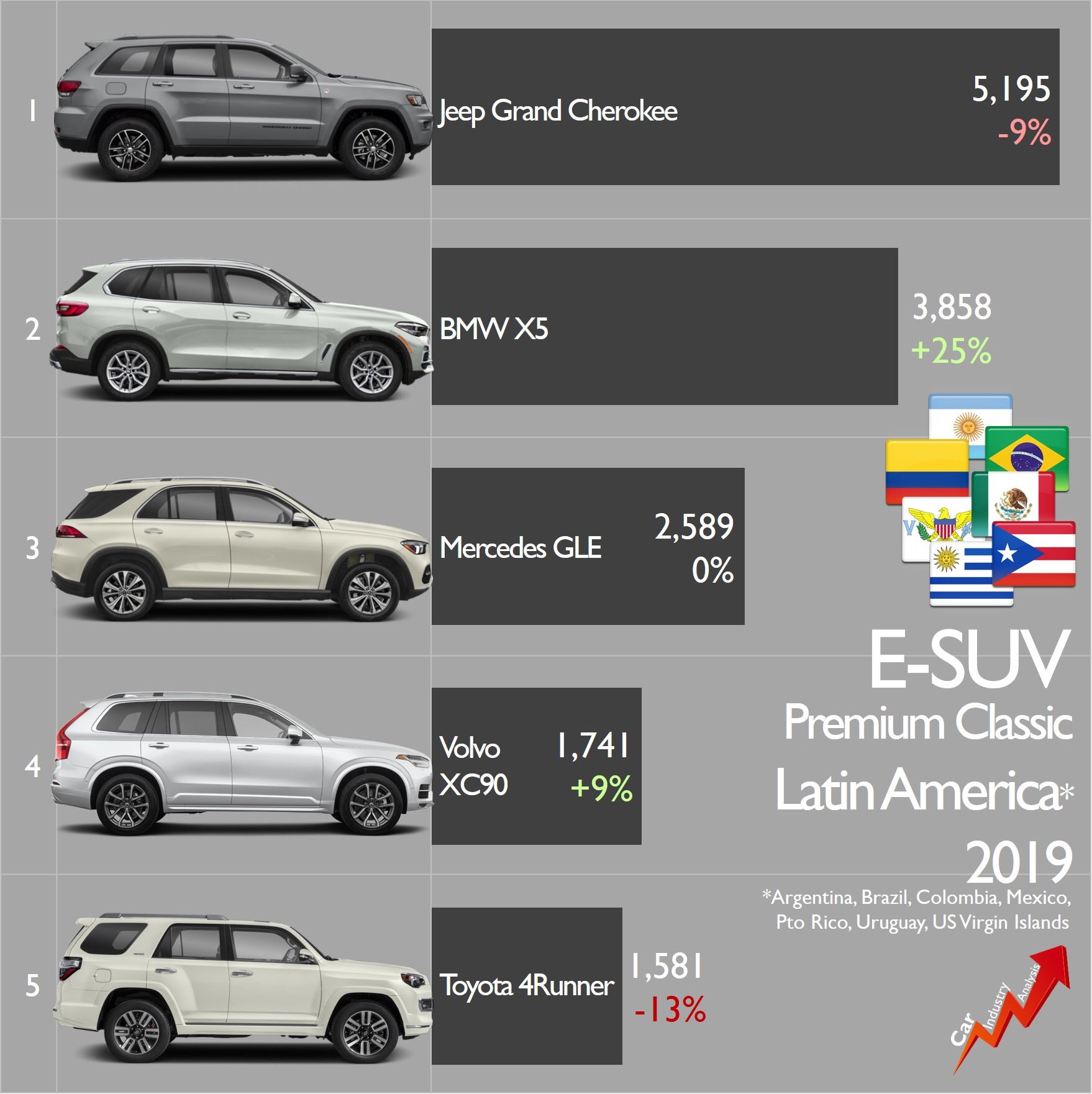 Visual contrast: Standard Elite (left) vs Premium (right) design language
Understanding SUV Classifications
The terms "Standard Elite" and "Premium" originate in rental fleets but map poorly to retail lineups. In consumer markets, Standard Elite typically means the highest trim of a volume-brand SUV — think Toyota RAV4 Limited, Honda CR-V Touring, or Ford Explorer Platinum. These sit on shared platforms with mass-market siblings. Premium SUVs start from dedicated luxury architectures: Lexus RX, BMW X5, Genesis GV80, or Cadillac XT6. The distinction matters because platform heritage dictates noise isolation, suspension tuning, and long-term NVH development. A Toyota RAV4 XLE Premium review shows how far mainstream top trims have come, yet they still share hardpoints with a base LE. You can also read our guide on top luxury suvs of.
Market Positioning & Target Buyers
Standard Elite buyers prioritize value-per-feature. They want heated/ventilated seats, a panoramic roof, and a 12-inch touchscreen without crossing the $50K threshold. Demographics skew toward families upgrading from a compact crossover, professionals who commute 30+ miles daily, and empty-nesters downsizing from a three-row. Premium SUV buyers pay for brand cachet, dealer loaner fleets, and engineering depth — multi-link rear suspensions, active anti-roll bars, and powertrains tuned for silence over cost. The history of SUVs shows this bifurcation accelerating after 2015 as luxury brands flooded the $60–80K segment. Current pricing trends suggest the gap narrows slightly when incentives hit volume brands, but transaction prices still diverge by $10–15K for comparable equipment.
Design Philosophy: Bold vs Refined
Exterior Styling
Standard Elite designs amplify mainstream cues: larger grilles, 20-inch wheels, chrome accents, and roof rails. The goal is visual differentiation from lower trims without alienating conservative buyers. Premium SUVs pursue cohesion — surfacing that flows from a signature grille (Lexus spindle, BMW kidney, Genesis crest) through flush door handles to tapered tail lamps. Panel gaps are tighter (3.5–4mm vs 5–6mm), paint processes add clear-coat depth, and lighting signatures use matrix LED or laser modules. In practice, Premium exteriors age better; Standard Elite chrome strips often dull or peel by year five. You can also read our guide on evaluation of suv.
Interior Materials & Craftsmanship
Open the door and the gap widens. Standard Elite cabins mix soft-touch dash tops with hard plastic lower doors and console bins. Stitching is simulated; wood or metal trim is often appliqué. Premium interiors use genuine open-pore wood, milled aluminum, and semi-aniline leather that extends to door uppers and center armrests. Switchgear feels substantial — knurled metal rotary controllers vs plastic stalks. A 4Runner SR5 Premium review highlights how even rugged-focused Premium trims elevate tactility. NVH differences appear at 70 mph: Premium SUVs typically measure 62–65 dB(A); Standard Elite land at 66–70 dB(A).
Performance & Powertrain Comparison
| Metric | Standard Elite (Typical) | Premium (Typical) |
|---|---|---|
| Base Engine | 2.5L NA I4 / 2.0T I4 | 2.0T I4 / 3.0T I6 / 3.5T V6 |
| Horsepower | 200–270 hp | 250–400+ hp |
| Torque | 180–280 lb-ft | 295–400+ lb-ft |
| Transmission | 8-speed auto / CVT | 8–10-speed auto / DCT |
| 0–60 mph | 7.5–9.0 sec | 5.0–6.5 sec |
| Towing (max) | 3,500–5,000 lbs | 5,000–7,500 lbs |
| AWD System | Reactive (front-biased) | Proactive (torque-vectoring) |
Standard Elite powertrains prioritize fuel economy — EPA combined ratings of 26–30 mpg are common. Premium engines sacrifice 2–4 mpg for response and refinement. The Mercedes fuel requirement guide explains why most Premium SUVs mandate 91+ octane, adding $300–500 annually. Handling diverges at the limit: Premium SUVs employ double-wishbone front / multi-link rear geometries with adaptive dampers that read road inputs 500 times per second. Standard Elite MacPherson-strut/torsion-beam setups tune for compliance, not control. Off-road, a Toyota 4Runner TRD Off-Road Premium with locking rear diff and crawl control outperforms any unibody Premium SUV on technical trails. You can also read our guide on luxury suv comparisons.
Technology & Infotainment Systems
Both segments now offer 12–14-inch touchscreens, wireless Apple CarPlay/Android Auto, and OTA updates. The difference lies in execution. Premium systems (BMW iDrive 8/9, Mercedes MBUX, Lexus Interface) use faster SoCs, rendering 3D maps and voice recognition locally. They support multiple Bluetooth connections, digital key sharing, and augmented-reality navigation overlays. Standard Elite systems often rely on older Snapdragon Automotive Cockpit Platforms; screen transitions lag, and cloud-dependent voice commands falter in dead zones. Driver-assist suites also tier: Premium SUVs bundle Level 2+ hands-free highway assist (GM Super Cruise, Ford BlueCruise, Mercedes Drive Pilot) as standard or affordable options. Standard Elite typically offer adaptive cruise + lane-centering that nags every 15–20 seconds. A common mistake is assuming feature parity because both lists say "adaptive cruise control" — the calibration and sensor fusion (radar + camera + lidar in some Premium) are not equal.
Comfort, Space & Practicality
Seating capacity is identical (five or seven), but the experience differs. Premium front seats offer 16–20-way adjustment with thigh extension, four-way lumbar, and massage programs. Second-row legroom in Premium two-rows often exceeds 39 inches vs 37–38 in Standard Elite; three-row Premium third rows accommodate adults for short trips (33+ inches legroom), while Standard Elite third rows suit only children. Cargo volume behind row two: Premium 35–40 cu ft, Standard Elite 32–37 cu ft. Noise, vibration, and harshness (NVH) is the sleeper metric — Premium SUVs add 30–50 lbs of acoustic glass, active noise cancellation, and liquid-applied sound deadener. On a 300-mile road trip, driver fatigue arrives an hour later. Climate systems in Premium models zone to four zones with rear touchscreen control; Standard Elite stop at dual-zone with rear vents only.
Safety Systems: Active & Passive
Both segments earn IIHS Top Safety Pick+ and NHTSA 5-star overall ratings. The divergence is in standard equipment and sensor redundancy. Premium SUVs include front/side/curtain/knee airbags (10–12 total), rear-seat side airbags, and pre-safe systems that tighten belts/close windows/raise headrests before impact. Standard Elite often omit rear side airbags and knee bags. Active safety: Premium bundles surround-view cameras, rear cross-traffic braking, and evasive steering assist as standard. Standard Elite gatekeep these in option packages costing $1,500–2,500. For towing, Premium SUVs integrate trailer sway control with stability management calibrated for specific tongue weights; Standard Elite systems are generic. The NHTSA and IIHS databases let you compare exact model scores before buying.
Ownership Costs: Purchase, Fuel, Maintenance
| Cost Factor | Standard Elite | Premium |
|---|---|---|
| MSRP Range (2026) | $38K–$52K | $55K–$85K |
| Avg. Transaction Price | $40K–$50K | $60K–$78K |
| Fuel (annual, 15K mi) | $1,800–$2,200 | $2,300–$3,000 |
| Insurance (annual) | $1,600–$2,100 | $2,200–$3,200 |
| Maintenance (yrs 1–5) | $3,000–$4,500 | $5,000–$8,000 |
| Depreciation (5-yr) | 45–52% | 50–60% |
| Total 5-yr Cost to Own | ~$48K–$58K | ~$72K–$95K |
Premium maintenance includes required synthetic oil (0W-20/0W-30), brake pad/rotor replacement on heavier vehicles, and dealer labor rates 30–50% higher. Standard Elite benefit from parts sharing with high-volume siblings — a water pump or control arm costs half as much. Current pricing trends show used Premium SUVs depreciating faster in absolute dollars, creating value opportunities at 3–4 years old if you accept out-of-warranty risk.
How to Choose: Decision Framework
Choose Standard Elite if:
- Monthly payment must stay under $750 with 20% down
- You keep vehicles 8+ years and prioritize low repair costs
- Third-row usage is occasional (grandkids, airport runs)
- You prefer DIY maintenance or independent shops
- Fuel economy matters more than 0–60 times
Choose Premium if:
- You lease and want the latest tech/safety every 36 months
- Daily driving includes 60+ miles of highway at 75+ mph
- Dealer loaner availability and concierge service reduce friction
- You tow 4,000+ lbs regularly and want integrated braking
- Resale value of a certified pre-owned (CPO) unit fits your budget
Test-drive both back-to-back on your actual commute. Bring your phone, pair it, test voice commands, and sit in the second row. A Toyota premium brand analysis reveals how some mainstream top trims out-equip entry-luxury models — but the platform differences emerge after 50,000 miles.
Conclusion
Standard Elite SUVs deliver 85% of the Premium experience for 65% of the money — a compelling value if your priorities are features-per-dollar and long-term affordability. Premium SUVs justify their premium through engineering depth: quieter cabins, stronger performance ceilings, and ownership experiences that reduce daily friction. The right choice isn't about badge snobbery; it's about matching the vehicle's inherent strengths to how you actually drive. Next step: narrow your list to two specific models (one from each tier), schedule same-day test drives, and run a 5-year total-cost spreadsheet using your local insurance quotes and fuel prices.
Frequently Asked Questions
What is the main difference between Standard Elite and Premium SUVs?
Standard Elite SUVs are top trims of mainstream models on shared platforms. Premium SUVs use dedicated luxury architectures with superior NVH, materials, and dealer services.
Do Premium SUVs require premium gasoline?
Most do. Turbocharged and high-compression engines in Premium SUVs typically mandate 91+ octane for rated power and to avoid knock-related damage.
Which holds value better: Standard Elite or Premium SUVs?
Standard Elite models generally depreciate less in percentage terms. Premium SUVs lose more absolute dollars but CPO programs can offset the gap at 3–4 years.
Are Premium SUVs safer than Standard Elite SUVs?
Both earn top crash ratings. Premium SUVs include more airbags, advanced pre-crash systems, and standard Level 2+ driver assist as standard equipment.
Can a Standard Elite SUV tow as much as a Premium SUV?
Usually not. Standard Elite max towing caps at 3,500–5,000 lbs; Premium SUVs with stronger frames/cooling reach 5,000–7,500 lbs with integrated trailer brake controllers.
Is the ride quality noticeably different on rough roads?
Yes. Premium SUVs use multi-link rear suspensions and adaptive dampers that absorb sharp impacts better. Standard Elite setups transmit more secondary vibrations.