

The premium mid-size SUV segment has become the sweet spot for buyers who need three usable rows without stepping into a full-size land yacht. In 2026, the category spans turbocharged four-cylinders, electrified inline-sixes, plug-in hybrids, and a lone V8 holdout — all wrapped in cabins that increasingly rival flagship sedans. This guide cuts through the spec sheets to highlight which models deliver genuine luxury, third-row space adults can tolerate, and technology that doesn't feel obsolete before the first oil change.
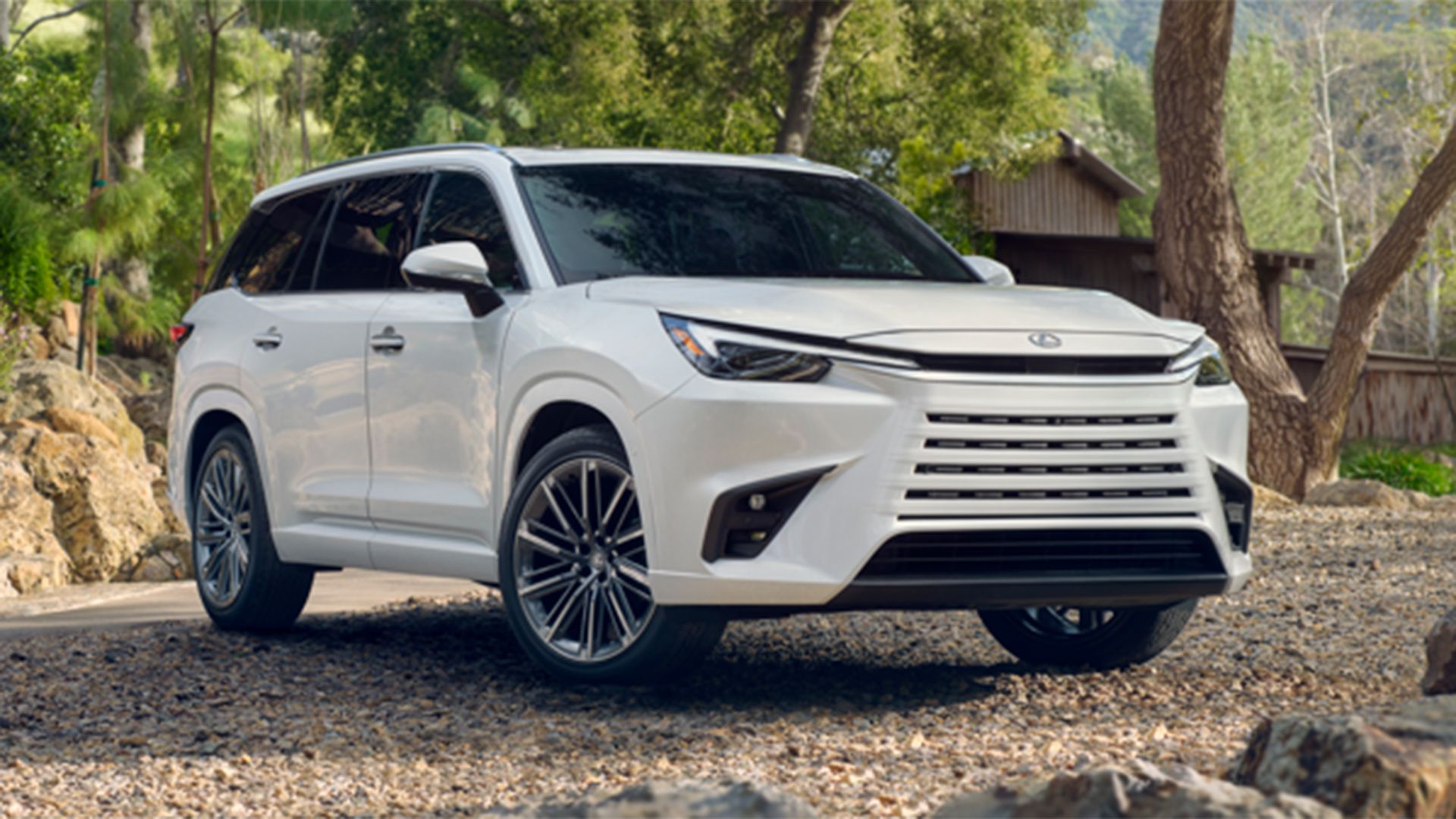 Lexus TX 500h F Sport Handling — the brand's first dedicated three-row premium utility vehicle.
What Defines a Premium Mid-Size SUV in 2026
The segment boundaries have shifted. Today's contenders typically measure 194–198 inches long, ride on 113–117-inch wheelbases, and offer 15–18 cubic feet behind the third row — enough for a Costco run with all seats up. Pricing starts near $55,000 for entry trims and climbs past $90,000 for flagship variants. You can also read our guide on what is an suv.
Buyers now expect:
- Materials: Semi-aniline leather, open-pore wood, and metal switchgear on touchpoints
- Powertrain: At minimum a turbocharged inline-six or strong hybrid; base four-cylinders feel strained with seven occupants
- Software: Over-the-air updates, native Google/Android Automotive or seamless CarPlay/Android Auto wireless
- Safety: Standard hands-free highway assist on upper trims, not a $3,000 option package
A common mistake is cross-shopping compact luxury SUVs (Genesis GV70, BMW X3) against this class. The third-row difference is night-and-day — compacts offer occasional-use jump seats; these vehicles accommodate six-footers on hour-long trips.
Top Contenders for 2026
| Model | Powertrain Highlights | Third-Row Legroom | Cargo Behind 3rd Row | Starting MSRP* |
|---|---|---|---|---|
| Lexus TX 500h F Sport | 2.4L turbo-hybrid, 366 hp, DIRECT4 AWD | 33.0 in | 17.4 cu ft | $62,500 |
| Genesis GV80 3.5T e-SC | 3.5L twin-turbo V6 + 48V mild hybrid, 375 hp | 31.8 in | 11.6 cu ft | $68,500 |
| BMW X5 xDrive40i | 3.0L turbo inline-6 + 48V, 375 hp | 32.0 in | 13.6 cu ft | $67,000 |
| Mercedes-Benz GLE 450 4MATIC | 3.0L turbo inline-6 + 48V, 362 hp | 33.3 in | 13.9 cu ft | $69,500 |
| Volvo XC90 Recharge T8 | 2.0L turbo/supercharged PHEV, 455 hp | 31.9 in | 11.6 cu ft | $72,000 |
| Cadillac XT6 Sport | 3.6L V6, 310 hp | 29.5 in | 12.6 cu ft | $56,000 |
| Lincoln Aviator Grand Touring | 3.0L twin-turbo V6 PHEV, 494 hp | 33.2 in | 18.3 cu ft | $73,000 |
| Acura MDX Type S | 3.0L turbo V6, 355 hp, SH-AWD | 28.4 in | 16.3 cu ft | $71,000 |
*MSRP excludes destination; pricing reflects 2026 model year adjustments.
Lexus TX 500h enters as the segment's only dedicated three-row premium platform (not a stretched two-row). The hybrid turbo-four returns 27 mpg combined — remarkable for 6,000-lb towing capacity. In practice, the DIRECT4 torque-vectoring AWD masks weight better than rivals' mechanical systems. You can also read our guide on top luxury suvs of.
Genesis GV80 remains the value leader: standard Nappa leather, 27-inch OLED cluster, and five-year complimentary maintenance. The 3.5T e-SC's 48V supercharger eliminates turbo lag, though third-row access is tighter than TX or Aviator.
BMW X5 sets the driving-dynamics benchmark. The xDrive40i's inline-six is the smoothest here, and iDrive 9 with QuickSelect reduces menu diving. Option the Executive Package for ventilated massaging seats and Bowers & Wilkins audio — it transforms the cabin. You can also read our guide on evaluation of suv.
Mercedes GLE excels at ride isolation. The E-ACTIVE BODY CONTROL suspension (optional) scans the road ahead and pre-loads each spring individually. MBUX's "Hey Mercedes" natural-language voice control handles multi-step commands ("navigate to the nearest charger with coffee") better than any competitor.
Volvo XC90 Recharge T8 offers 32 miles of EPA electric range — enough for most daily commutes gas-free. Google Built-In means Maps, Assistant, and Play Store run natively. The trade-off: a complex powertrain that demands premium fuel and more frequent dealer visits.
Cadillac XT6 and Acura MDX Type S represent traditional V6 value. Both undercut German rivals by $10K+ but lack electrification, hands-free highway assist, and the material richness of newer entries. Consider them if budget is firm and you prioritize reliability over tech showcase.
Lincoln Aviator Grand Touring delivers the highest combined output (494 hp) and best-in-class cargo behind the third row. The PHEV's 21-mile EV range is modest, but the 100-kW DC fast-charge capability (unique in class) adds flexibility on road trips.
Powertrain Landscape: Gas, Hybrid, PHEV, EV
| Architecture | Models | Real-World Combined MPG/MPGe | Towing Max | Best For |
|---|---|---|---|---|
| Turbo I-4 Hybrid | Lexus TX 500h | 27 mpg | 5,000 lb | Balanced efficiency/towing |
| Turbo I-6 + 48V MHEV | BMW X5, Mercedes GLE, Genesis GV80 | 22–24 mpg | 6,200–7,700 lb | Refinement, highway cruising |
| Turbo/Supercharged PHEV | Volvo XC90, Lincoln Aviator | 56–58 MPGe / 23–25 mpg gas | 5,000–5,600 lb | Short commutes, HOV access |
| Turbo V6 PHEV | Lincoln Aviator GT | 56 MPGe / 23 mpg gas | 5,600 lb | Performance + electric flexibility |
| Naturally Aspirated V6 | Cadillac XT6, Acura MDX | 20–21 mpg | 4,000–5,000 lb | Simplicity, lower upfront cost |
No full-electric mid-size three-row exists yet — the Cadillac Lyriq and Mercedes EQE SUV are two-row only. The upcoming Volvo EX90 (late 2026 arrival) will be the segment's first dedicated EV entry.
In practice, the 48V mild-hybrid inline-sixes (BMW, Mercedes, Genesis) deliver the most seamless daily experience: instant torque fill, imperceptible stop-start, and no charging logistics. PHEVs only pencil out if you can charge at home and your commute fits the electric range. A common mistake is buying a PHEV without home charging — you'll carry 500 lb of dead battery weight and average worse mpg than the mild-hybrid alternative.
Interior Quality & Technology Deep Dive
Material tiers separate the Germans from the value players. Run your hand along the GV80's door pull, then the XT6's — the Genesis uses die-cast aluminum with knurled texture; the Cadillac uses silver-painted plastic. The difference appears on every touchpoint: steering wheel spokes, HVAC dials, seat adjustment levers.
Infotainment has consolidated into three philosophies:
- Native Google (Volvo, Polestar, upcoming EX90) — best for Android users, offline maps, Play Store apps
- Proprietary with wireless CarPlay/Android Auto (BMW iDrive 9, Mercedes MBUX, Lexus Interface, Lincoln Sync 4) — deepest vehicle integration, OTA updates
- Legacy resistive/early capacitive (Acura True Touchpad, Cadillac Infotainment 3) — showing age; avoid if tech matters
Display configurations matter for ergonomics. The GV80's 27-inch wide OLED spans driver and center views — glorious for navigation but forces passenger to crane for climate controls. BMW's curved 12.3/14.9-inch pair keeps primary controls in the driver's sightline. Mercedes' optional 56-inch Hyperscreen is theater; the standard dual 12.3-inch setup is more practical.
Third-row livability hinges on two metrics: knee clearance (distance from seat cushion to second-row seatback) and seat height off the floor. The TX (33.0 in knee room, 11.2 in seat height) and Aviator (33.2 in, 10.8 in) lead. The MDX Type S (28.4 in, 13.1 in) sits occupants knees-to-chest — acceptable for children, painful for adults.
Cargo versatility often gets overlooked. Power-folding third rows (standard on all but Acura/Cadillac) should operate from tailgate and second-row switches. The TX and Aviator add a 115V/400W outlet in the cargo floor — useful for tailgating or charging gear on camping trips.
Safety Systems & Driver Assistance
Every model here earns IIHS Top Safety Pick+ (2025 testing) and NHTSA 5-star overall — the floor has risen. The differentiators are active-safety execution and hands-free capability.
| Model | Hands-Free System | Operational Domain | Driver Monitoring | Standard? |
|---|---|---|---|---|
| BMW X5 | Highway Assistant | 85 mph, mapped highways | IR camera (eyes) | Optional (Driving Assist Pro) |
| Mercedes GLE | Drive Pilot (L3) | 40 mph, mapped highways, traffic | IR camera + capacitive wheel | Optional (NV only) |
| Lincoln Aviator | BlueCruise 1.2 | 80 mph, 130k+ mapped miles | IR camera (eyes) | Standard 3-yr trial on Reserve+ |
| Volvo XC90 | Pilot Assist | 80 mph, any marked highway | Capacitive wheel | Standard |
| Lexus TX | Teammate Advanced | 85 mph, mapped highways | IR camera (eyes/head) | Optional (Premium+ pkg) |
| Genesis GV80 | Highway Driving Assist 2 | 85 mph, mapped highways | Capacitive wheel + camera | Standard on 3.5T |
Mercedes Drive Pilot remains the only SAE Level 3 system (driver eyes-off allowed in traffic jams), but geofenced to Nevada and California highways. BlueCruise and Highway Assistant are Level 2 — hands-off, eyes-on — but cover vastly more miles. In practice, BlueCruise's 130,000-mile mapped network handles most interstate commutes; BMW's mapping is similarly broad but requires the $1,700 Driving Assist Pro package.
A common mistake: assuming "standard safety suite" equals "hands-free highway." Only Genesis and Volvo include highway steering assist at base price. Budget $1,500–$3,000 for the upgrade on other brands — it transforms long-distance fatigue.
Ownership Costs: Purchase, Maintenance, Depreciation
Transaction prices (2026 YTD, per Edmunds/KBB):
- Volume sellers (TX, X5, GLE, GV80): 2–5% below MSRP
- Low-volume (Aviator GT, MDX Type S): at or above MSRP
- End-of-cycle (XT6): 8–12% below MSRP
Maintenance intervals have stretched. Most 48V mild-hybrid inline-sixes call for 10,000-mile oil changes (0W-20 synthetic), cabin filters at 20k, brake fluid at 2yr. PHEVs add coolant changes for battery thermal loops at 4yr/50k. Lexus TX's hybrid transaxle fluid is "inspect at 30k, replace if discolored" — dealers often push unnecessary 30k flushes.
Depreciation curves (36-month residual, ALG 2026):
| Model | Residual % | Notes |
|---|---|---|
| Lexus TX 500h | 58% | Strong demand, limited supply |
| Genesis GV80 | 54% | Improving brand perception |
| BMW X5 | 52% | High volume, steady demand |
| Mercedes GLE | 50% | Heavy incentivization hurts |
| Lincoln Aviator | 47% | PHEV complexity concerns buyers |
| Volvo XC90 | 45% | Aging platform, EV transition |
| Cadillac XT6 | 43% | Fleet sales, dated architecture |
| Acura MDX | 48% | Loyalty-driven, low volume |
Insurance runs $2,200–$3,000/yr for full coverage (40-year-old driver, clean record, 15k mi/yr). PHEVs cost 8–12% more due to battery replacement reserves. The EPA's fueleconomy.gov calculator lets you model personalized annual energy costs by ZIP code and utility rate.
How to Choose: Decision Framework
Start with your non-negotiables, then match to the matrix:
| Priority | Best Match | Why |
|---|---|---|
| Maximum third-row space + efficiency | Lexus TX 500h | Only dedicated 3-row platform; 27 mpg combined |
| Tech showcase + value | Genesis GV80 3.5T | Most standard content; Google Maps optional |
| Driving engagement | BMW X5 xDrive40i | Best steering, body control, powertrain harmony |
| Ride serenity | Mercedes GLE 450 | Optional E-ACTIVE BODY CONTROL is peerless |
| Daily EV commute + gas backup | Volvo XC90 Recharge / Lincoln Aviator GT | 32/21 mi EV range; HOV eligible |
| Proven V6 simplicity | Cadillac XT6 / Acura MDX | No 48V/PHEV complexity; lower acquisition cost |
| Towing + electric flexibility | Lincoln Aviator GT | 5,600 lb tow + 100 kW DC fast charge |
Test-drive checklist (bring this to the dealer):
- Third-row entry: Fold second row, climb in, buckle up. Time it. Ask a 6-ft passenger to sit 15 minutes.
- Cargo with seats up: Load your actual stroller/cooler/golf bag. Measure remaining depth.
- Highway merge: 0–60 mph with A/C on, then 50–70 mph passing. Note transmission smoothness.
- Infotainment stress test: Enter a destination by voice, toggle heated seats, switch audio sources — all while moving.
- Ride quality: Find a broken-pavement stretch at 35 mph. Compare body control vs. isolation.
Negotiation tips:
- Shop the last week of the month/quarter; dealers chase volume bonuses.
- On high-demand models (TX, GV80), negotiate out-the-door price, not monthly payment.
- Secure your own financing first — credit-union rates often beat captive finance by 0.5–1.0%.
- If trading in, get CarMax/Carvana offers before discussing trade value with the dealer.
Frequently Asked Questions
Which premium mid-size SUV has the most reliable track record?
Lexus TX (new platform but Toyota hybrid architecture) and Acura MDX Type S (mature V6/SH-AWD) lead predicted reliability. Avoid first-model-year PHEVs (Volvo XC90 Recharge 2024–25 had battery-module recalls) unless the dealer documents all campaigns completed.
Do any of these require premium fuel?
Yes — every turbocharged or high-compression engine here recommends 91+ octane. The 48V mild-hybrid inline-sixes (BMW, Mercedes, Genesis) require it for peak output and knock protection. The Lexus TX 500h hybrid runs on 87 but loses 12 hp and 15 lb-ft. The naturally aspirated V6s (Cadillac, Acura) accept 87 without penalty. For details on Mercedes fuel requirements, see our guide on premium gasoline requirements across the lineup.
What's the real-world difference between 48V mild-hybrid and full hybrid?
48V systems (BMW, Mercedes, Genesis) cannot drive on electricity alone. They provide torque fill, smoother stop-start, and 1–2 mpg gains. Full hybrids (Lexus TX) can propel the vehicle at low speeds electrically, returning 25–30% better city mpg. The trade-off: hybrid adds $3,000–$5,000 upfront and a more complex transaxle.
Are captain's chairs worth the second-row seat loss?
If you regularly carry six adults, yes — the aisle walk-through beats clambering over a folded seat. If you need seven-passenger capacity more than once a month, keep the bench. Most brands charge $500–$1,500 for captain's chairs; Lincoln includes them standard on Reserve+ trims.
How do I evaluate a used 2022–2024 model vs. new 2026?
Certified pre-owned (CPO) 2023–24 X5, GLE, GV80 save $12K–$18K vs. new with 2–3 years of factory warranty remaining. Check NHTSA's recall database by VIN before purchase. Avoid early-build 2023 PHEVs (Volvo, Lincoln) — software updates resolved most glitches, but battery-degradation data is thin.
Conclusion
The 2026 premium mid-size SUV field rewards clarity about what you actually do with the vehicle. For most families, the Lexus TX 500h hits the unprecedented intersection of genuine three-row space, 27 mpg combined, and 5,000-lb towing — all with Lexus reliability DNA. The Genesis GV80 3.5T delivers the most luxury per dollar if you can live with tighter third-row access. BMW X5 and Mercedes GLE remain the dynamic and comfort benchmarks respectively, provided you option the hands-free packages.
If your commute fits 20–30 electric miles, the Volvo XC90 Recharge or Lincoln Aviator Grand Touring unlock HOV lanes and gas-free weeks — but only with reliable home charging. Traditionalists should weigh the Cadillac XT6 and Acura MDX Type S against 3-year-old CPO Germans; the savings often fund a decade of maintenance.
Next step: Narrow to two models, schedule back-to-back test drives on the same day (same roads, same passengers), and run the out-the-door numbers through your credit union's auto loan calculator. The right choice reveals itself in the details no spec sheet captures.
Explore our brand heritage deep-dive to understand how this segment evolved, or compare specific model reviews starting with the 2024 Toyota 4Runner SR5 Premium for a body-on-frame contrast.
Related Guides & Deeper Dives
For buyers cross-shopping segments, our compact premium SUV comparison breaks down how the RAV4 XLE Premium stacks up against entry-level luxury rivals. If you're weighing new versus used in the current market, the 2025 pricing analysis covers incentive trends and depreciation sweet spots. Toyota loyalists should review the brand's premium positioning strategy to understand where the TX fits in the lineup. And for the latest hybrid-electric tech across the segment, the 2024 RAV4 Hybrid XLE Premium deep-dive details Toyota's fourth-generation hybrid system in a smaller package.