
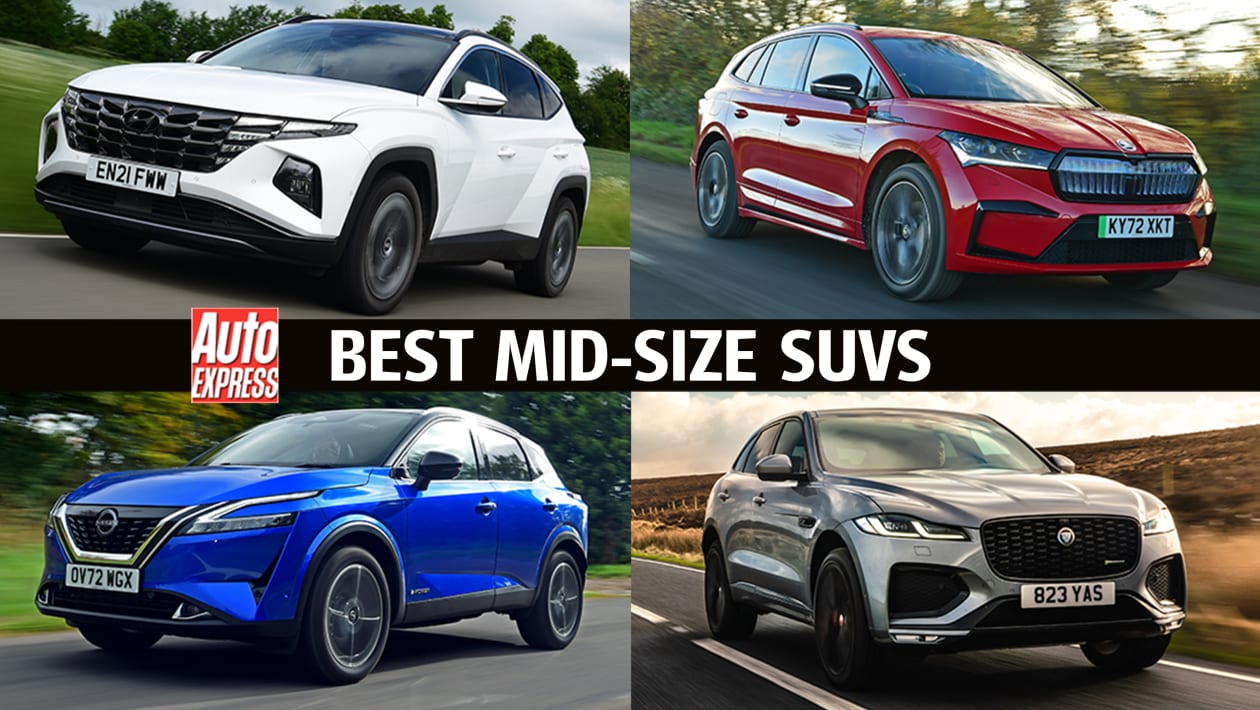
The UK’s premium mid-size SUV segment has never been more competitive. In 2026, buyers can choose from a raft of models that blend genuine luxury appointments with the practicality families demand — spacious cabins, advanced driver‑assistance suites, and an expanding array of electrified powertrains. This guide cuts through the marketing noise to deliver a clear, data‑driven comparison of the top contenders, ownership costs, and the key decisions you’ll face before signing on the dotted line. Whether you prioritise a plug‑in hybrid for low BIK tax, a diesel for motorway cruising, or a full EV for zero‑emission zones, you’ll find the insight needed to match a vehicle to your lifestyle.
What Defines a Premium Mid‑Size SUV in 2026?
Today’s premium mid‑size SUVs sit between the compact crossover and the full‑size luxury barge. Typical dimensions: 4.6–4.9 m long, 1.9–2.0 m wide, with a wheelbase around 2.8 m. Prices start near £45,000 for entry‑level trims and can exceed £75,000 when optioned heavily. Every model now offers at least mild‑hybrid assistance; plug‑in hybrids (PHEVs) with 40–60 mile electric ranges are standard on German rivals, while dedicated EVs such as the Genesis GV70 Electric and BMW iX3 sit alongside them. Interior benchmarks include 12‑inch‑plus central touchscreens, digital instrument clusters, over‑the‑air updates, and materials like open‑pore wood, semi‑aniline leather, and sustainably sourced textiles. Safety suites have converged on Level 2 autonomy — adaptive cruise with steering assist, automatic lane‑change, and junction‑aware emergency braking — all rated by Euro NCAP under the 2024‑2026 protocol. You can also read our guide on top luxury suvs of.
Top Contenders for the UK Market
| Model | Powertrain Options (UK) | List Price Range | WLTP Electric Range (PHEV/EV) | Euro NCAP (2024‑26) | Boot Capacity (seats up) |
|---|---|---|---|---|---|
| BMW X3 | 20d/30d mild‑hybrid diesel, 30e PHEV, iX3 EV | £48,500 – £68,000 | 56 mi (PHEV) / 285 mi (EV) | 5★ (2024) | 550 L |
| Audi Q5 | 40/45 TDI mild‑hybrid, 55 TFSI e PHEV, Q5 e‑tron (import) | £49,000 – £70,000 | 62 mi (PHEV) | 5★ (2024) | 550 L |
| Mercedes‑Benz GLC | 220d/300d mild‑hybrid, 300e PHEV, EQC (separate line) | £50,000 – £72,000 | 68 mi (PHEV) | 5★ (2024) | 550 L |
| Volvo XC60 | B5/B6 mild‑hybrid petrol, T6/T8 PHEV, EX30 (compact) | £46,500 – £65,000 | 48 mi (PHEV) | 5★ (2024) | 509 L |
| Lexus NX | 350h self‑charging hybrid, 450h+ PHEV | £44,000 – £60,000 | 43 mi (PHEV) | 5★ (2024) | 520 L |
| Genesis GV70 | 2.2 D mild‑hybrid, 3.5 T‑GDI, Electrified GV70 EV | £43,000 – £64,000 | 248 mi (EV) | 5★ (2024) | 542 L |
| Land Rover Discovery Sport | D200/D250 mild‑hybrid diesel, P300e PHEV | £42,000 – £58,000 | 38 mi (PHEV) | 5★ (2024) | 657 L (5 seats) |
All prices include VAT and standard delivery; on‑the‑road costs add £1,000‑£1,500.
BMW X3 – The Driver’s Choice
The X3 remains the benchmark for handling precision. Its 48 V mild‑hybrid diesel (20d, 30d) delivers 30‑35 mpg real‑world, while the 30e PHEV offers a usable 56‑mile EV range — ideal for London’s ULEZ. The iX3 EV, though aging, still posts 285 miles WLTP and 150 kW DC charging. Inside, iDrive 9 with curved display feels modern, but rear‑seat space lags the GLC and GV70. A common mistake is overlooking the optional adaptive M suspension; without it, the ride can feel brittle on UK B‑roads.
Audi Q5 – Tech‑Forward Cabin
Audi’s latest MMI touch response system reduces button clutter, and the virtual cockpit remains class‑leading. The 55 TFSI e PHEV combines a 2.0 TSI with a 143 PS motor for 62‑mile EV range — best in class. However, the Q5’s boot floor is high due to battery packaging, and the optional air suspension adds £2,000. In practice, the quattro ultra system defaults to front‑drive, only engaging rear axle when slip is detected, which saves fuel but dulls engagement.
Mercedes‑Benz GLC – Refined Comfort
The new‑generation GLC (W254) rides on air suspension as standard on AMG Line Premium Plus, delivering exceptional isolation. The 300e PHEV’s 31.2 kWh battery yields 68 miles EV — the longest here — and 11 kW AC charging cuts top‑up time. MBUX’s “Hey Mercedes” voice control handles natural language well. Note: Mercedes recommends 98 RON fuel for optimal performance; see our notes on fuel requirements for Mercedes models if you’re considering the mild‑hybrid petrol variants.
Volvo XC60 – Safety First
Volvo’s Pilot Assist remains one of the smoothest Level 2 systems, and the 2024‑26 Euro NCAP score includes a 98 % adult‑occupant rating. The T8 PHEV’s 48‑mile range is modest, but the B6 mild‑hybrid petrol returns 35 mpg combined. Google‑built infotainment means native Maps and Assistant — no smartphone mirroring needed. Rear legroom is tight for three adults; the larger XC90 solves that but jumps a segment.
Lexus NX – Hybrid Simplicity
Lexus avoids diesel and plug‑in complexity: the 350h self‑charging hybrid delivers 40 mpg without a cable, while the 450h+ PHEV adds 43‑mile EV range. The 14‑inch touchscreen (standard on Premium Plus) finally fixes the old trackpad interface. Residual values are strong — often 55 % at three years — making PCP rates competitive. The NX’s styling polarises, but build quality is impeccable.
Genesis GV70 – Value Proposition
Genesis’ five‑year/unlimited‑mileage warranty, five‑year servicing, and complimentary mapping updates undercut German rivals on total cost of ownership. The Electrified GV70 EV’s 800 V architecture accepts 350 kW DC charging (10‑80 % in 18 min). Interior design feels bespoke, though the rotary gear selector and touch‑sensitive climate panel can distract. UK dealer network is still expanding — verify local coverage before committing.
Land Rover Discovery Sport – Practicality King
With 657 L behind five seats and an optional third row (tight for adults), the Discovery Sport is the only true seven‑seater here. The P300e PHEV’s 38‑mile EV range is modest, but the 2.0 L Ingenium diesel returns 40 mpg on the motorway. Terrain Response 2 and 600 mm wading depth give genuine off‑road credibility. Ride quality on 20‑inch wheels can be firm; specify 19‑inch with adaptive dynamics for daily comfort.
 The Genesis GV70 cabin exemplifies premium mid-size SUV craftsmanship.
Performance & Driving Dynamics
All contenders now use 48 V mild‑hybrid systems that smooth stop‑start and provide torque fill. Diesel mild‑hybrids (BMW 20d, Mercedes 220d, Land Rover D200) excel at motorway cruising — 45‑50 mpg at 70 mph is realistic. PHEVs shine in urban cycles: a 30‑mile commute can be done purely on battery, slashing fuel use to 150‑200 mpg equivalent. EVs (iX3, GV70 Electric) deliver instant torque but suffer range loss in winter; expect 20‑25 % reduction below 5 °C. Handling hierarchy: X3 > GLC (air suspension) > Q5 > GV70 > XC60 > NX > Discovery Sport. Ride comfort inversely mirrors that order. If you cover 20,000+ miles annually, a diesel mild‑hybrid remains the most economical; for sub‑10,000‑mile city drivers, a PHEV or EV cuts running costs dramatically.
Interior Quality, Tech & Practicality
Material quality has converged: all use soft‑touch plastics on upper surfaces, real metal switches, and available sustainably sourced trims (e.g., Volvo’s wool blend, Genesis’ recycled PET). Screen sizes range from 11.9″ (Lexus) to 14.9″ (BMW, Mercedes). Wireless Apple CarPlay/Android Auto is standard across the board; only Lexus and Volvo still require a USB connection for full functionality. Boot practicality: the Discovery Sport’s 657 L (5 seats) and 40:20:40 split bench make it the most versatile. The XC60’s 509 L is the smallest, but its load lip is low. Rear‑seat recline and sliding (available on Q5, GLC, GV70) add comfort on long journeys. A first‑hand observation: the Mercedes’ MBUX “zero layer” anticipates your next action (e.g., showing navigation when you enter a saved address) and genuinely reduces distraction.
Safety & Driver Assistance
Every model here holds a 2024‑26 Euro NCAP 5‑star rating with ≥90 % adult‑occupant protection. Standard kits include AEB with junction assist, lane‑keep assist, speed‑limit recognition, and driver‑attention monitoring. Optional Level 2 packs (BMW Driving Assistant Professional, Audi Adaptive Cruise Assist, Mercedes Active Distance Assist Distronic) add automatic lane change, emergency corridor formation, and evasive steering assist. In practice, the Volvo and Mercedes systems are the most natural in stop‑and‑go traffic; the BMW requires more frequent hand‑on‑wheel confirmations. For families, rear‑seat belt reminders and child‑presence detection (standard on Genesis, optional elsewhere) are worth specifying.
Ownership Costs: Purchase, Finance, Insurance & Maintenance
| Cost Factor | Typical Range (3‑yr/30k mi) |
|---|---|
| PCP Deposit (20 %) | £9,000 – £14,000 |
| Monthly PCP (4.9 % APR) | £550 – £850 |
| Lease (Business, 3‑yr/10k mi) | £450 – £750 |
| Insurance Group | 35 – 48 (EV/PHEV often higher) |
| Service Plan (3‑yr) | £600 – £1,200 (Genesis free) |
| VED First Year | £0 (EV) – £585 (diesel >190 g/km) |
| BIK 2026‑27 (PHEV <50 g/km) | 8 % – 12 % |
Residual values after three years: Lexus NX ~55 %, BMW X3 ~52 %, Mercedes GLC ~51 %, Audi Q5 ~50 %, Genesis GV70 ~48 %, Volvo XC60 ~47 %, Discovery Sport ~45 %. Strong residuals lower PCP payments but raise lease costs. Always compare total cost of ownership (TCO) over your intended horizon — our vehicle evaluation framework walks through the spreadsheet method.
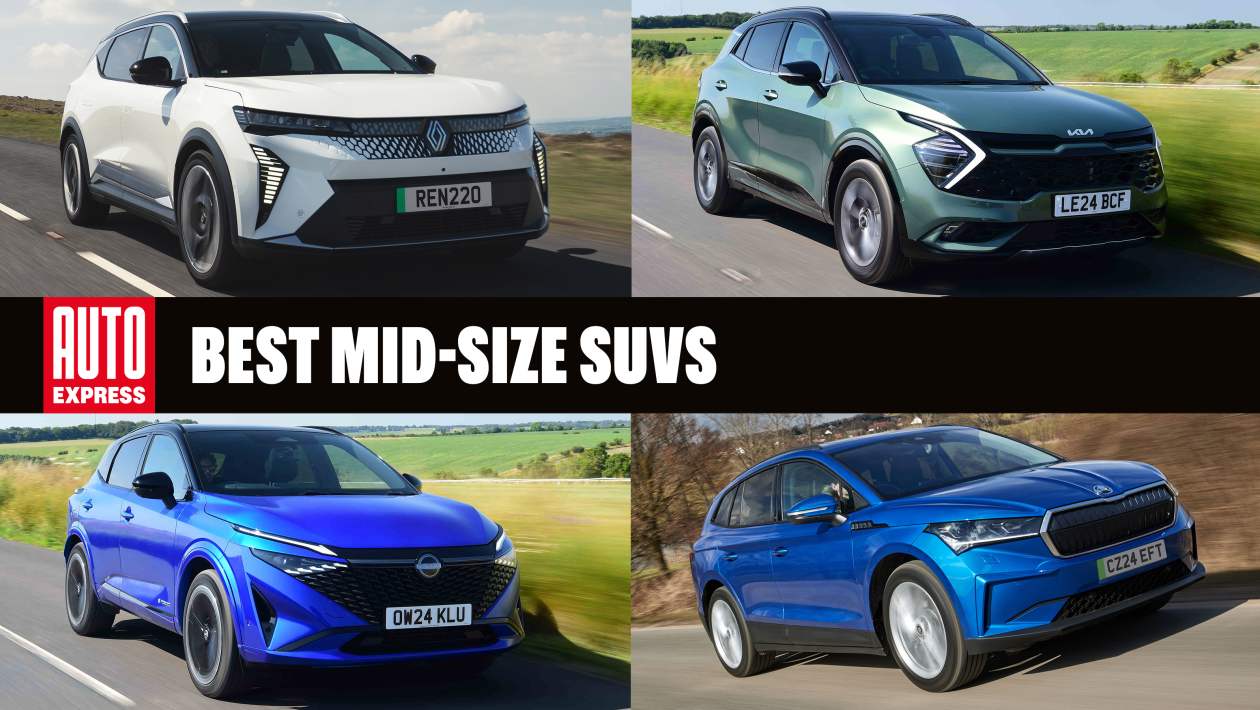 Auto Express 2024 group test of premium mid-size SUVs.
Environmental Impact & Electrification
UK company‑car tax (BIK) now heavily favours PHEVs under 50 g/km CO₂ (8‑12 %) and EVs (2 %). From April 2026, the EV BIK rate rises to 3 %, then 4 % in 2027‑28 — still far below petrol/diesel (25‑37 %). Home charging at 7 kW adds ~£800 installation (OZEV grant ended 2025); public rapid charging averages 75‑85 p/kWh. Whole‑life CO₂: a PHEV driven 50 % on electricity beats a mild‑hybrid diesel after ~30,000 miles; an EV breaks even at ~25,000 miles assuming UK grid average. For fleets, the UK government’s vehicle tax tables provide the latest VED bands.
How to Choose the Right Model for You
- Define primary use — motorway miles → diesel mild‑hybrid; urban/school run → PHEV/EV; mixed → PHEV.
- Set budget ceiling — include deposit, monthly, insurance, VED, charging/fuel.
- List must‑have features — seven seats (Discovery Sport), longest EV range (GLC 300e, GV70 EV), lowest BIK (EV), best residuals (Lexus).
- Shortlist three — book back‑to‑back test drives on familiar roads.
- Check dealer stock & lead times — EVs often 6‑9 months; PHEVs 3‑4 months.
- Negotiate total price — target 5‑8 % off list on in‑stock units; use competing quotes.
- Review finance T&Cs — mileage excess charges (typically 7‑10 p/mi), early‑termination fees, GFV realism.
Pro tip: Ask the dealer for a “total cost of ownership” printout over your exact term — it reveals hidden fees.
Where to Buy & Negotiating Tips
Franchised dealers still dominate, but online brokers (e.g., Carwow, DriveTheDeal) can deliver 6‑10 % discounts on in‑stock cars. For custom builds, a broker’s fleet relationship often secures a build‑slot priority. Always verify the vehicle’s “on‑the‑road” price includes delivery, number plates, and first VED — some quotes omit the £500‑£700 delivery fee. If trading in, get independent valuations (Motorway, Cazoo) before discussing part‑exchange. A friendly, firm approach works: “I have a written offer at £X from Dealer Y; can you match or beat it?” — dealers frequently move 1‑2 % further to retain the deal.
Future Outlook: 2027 and Beyond
The 2027 model year will see the BMW X3 (G45) and Audi Q5 (FY) move to dedicated EV platforms (Neue Klasse, PPE), pushing PHEV ranges beyond 80 miles. Mercedes will launch the EQG‑sized electric GLC on MMA architecture. Volvo’s EX60 (electric XC60) arrives 2026‑27 on SPA2. Lexus plans a dedicated EV sibling to the NX on e‑TNGA. Genesis will expand UK retailers to 30 by end‑2026. Meanwhile, Euro NCAP 2026‑28 protocol adds mandatory AEB for crossing cyclists and driver‑monitoring for drowsiness — expect all contenders to update via OTA. For buyers planning a 2027 purchase, waiting for the new platforms could yield significantly better EV efficiency and interior space.
Frequently Asked Questions
Which premium mid‑size SUV has the longest electric‑only range?
The Mercedes‑Benz GLC 300e leads PHEVs with 68 miles WLTP; the Genesis Electrified GV70 EV offers 248 miles.
Are premium mid‑size SUVs expensive to insure?
Insurance groups range 35‑48. EVs and PHEVs often sit higher due to repair complexity; compare quotes before ordering.
What is the typical PCP deposit for these vehicles?
Most manufacturers structure PCP with a 20 % deposit (£9k‑£14k). Lower deposits raise monthly payments and final balloon.
Can I tow with a plug‑in hybrid SUV?
Yes — most PHEVs are rated for 1,800‑2,100 kg braked towing. Towing reduces EV range by 30‑40 %.
Is the Genesis GV70 a genuine alternative to German brands?
Absolutely. Its warranty, servicing inclusion, and standard equipment undercut rivals by £3k‑£5k like‑for‑like. Dealer network is the only caveat.
Conclusion
The 2026 premium mid‑size SUV market offers a genuinely satisfying spread of choices — each model excels in distinct areas: driving dynamics (BMW X3), tech integration (Audi Q5), ride refinement (Mercedes GLC), safety pedigree (Volvo XC60), hybrid simplicity (Lexus NX), value packaging (Genesis GV70), or outright practicality (Land Rover Discovery Sport). Match your mileage profile, tax situation, and feature priorities to the right powertrain, then negotiate hard on an in‑stock unit or a broker quote. Ready to experience the shortlist? Book back‑to‑back test drives this week and feel the difference yourself.
Related Guides & Resources
If you are comparing the Toyota RAV4 against the premium German trio, our detailed RAV4 XLE Premium walkthrough breaks down equipment grades and hybrid real-world economy. For buyers weighing a used purchase, the 2022 4Runner TRD Off-Road Premium review shows how last-gen body-on-frame durability stacks up against today’s unibody luxury. And if brand heritage influences your decision, the history of the SUV traces how the segment evolved from utilitarian 4×4 to the tech-laden family hauler you’re test-driving today.