
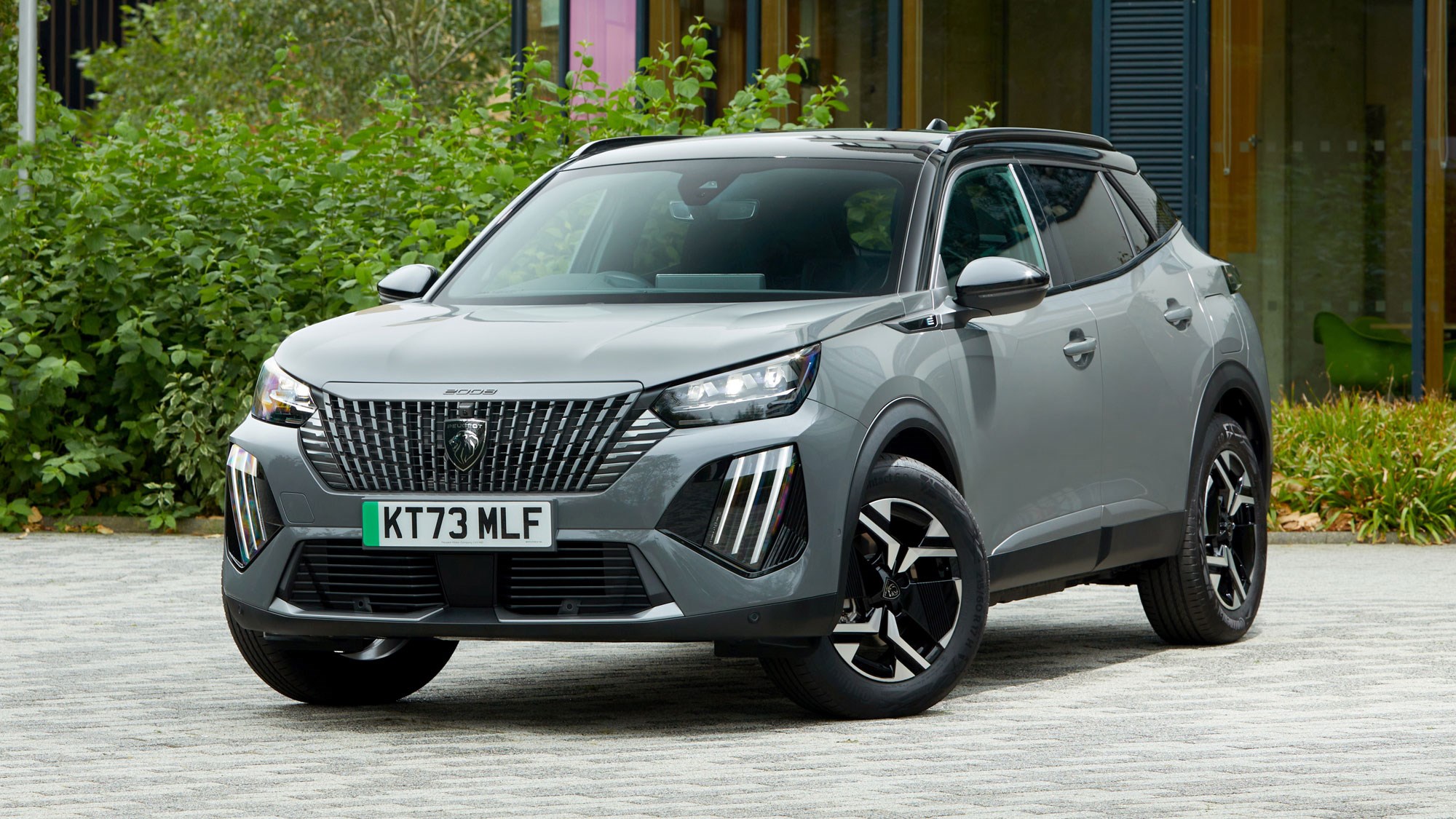
The UK premium crossover segment has never been more competitive. In 2026, buyers can choose from a dozen models that blend genuine luxury appointments with the practicality of a raised hatchback body. We’ve spent months driving the latest iterations on everything from motorway slogs to twisty B-roads, and the gap between the best and the merely adequate has widened considerably. This guide cuts through the marketing brochures to rank the seven strongest contenders on sale today, using real-world data on comfort, technology, running costs and residual values.
 Current-generation premium crossovers dominate the UK company-car fleet sector.
What Defines a Premium Crossover in 2026?
The term “premium crossover” now implies a specific set of baseline expectations. Every model here rides on a dedicated unibody platform (not a ladder frame), offers four-cylinder mild-hybrid or plug-in hybrid powertrains as standard, and comes with a 12.3-inch digital instrument cluster plus a centre touchscreen of at least 11.9 inches. Prices start around £42,000 for entry-level trims and breach £65,000 once you add the larger batteries, adaptive air suspension and premium audio systems that most private buyers actually want. Crucially, all seven contenders hold a five-star Euro NCAP rating — a non-negotiable for family buyers. You can also read our guide on best midsize suvs for.
Top 7 Premium Crossover SUVs at a Glance
| Model | List Price Range (2026) | Powertrain Options | Boot Capacity (Seats Up) | Euro NCAP (Year) | WLTP Combined MPG / mi (EV) |
|---|---|---|---|---|---|
| BMW X3 (G45) | £46,500 – £68,000 | 2.0L MHEV petrol/diesel, PHEV (30 mi EV) | 570 L | ★★★★★ (2024) | 44.8 / 31 mi |
| Audi Q5 (FY) | £47,200 – £69,500 | 2.0L MHEV petrol/diesel, PHEV (37 mi EV) | 520 L | ★★★★★ (2023) | 46.3 / 37 mi |
| Mercedes GLC | £48,000 – £71,000 | 2.0L MHEV petrol/diesel, PHEV (62 mi EV) | 470 L | ★★★★★ (2022) | 47.1 / 62 mi |
| Volvo XC60 | £44,500 – £62,000 | 2.0L MHEV petrol/diesel, PHEV (48 mi EV) | 483 L | ★★★★★ (2022) | 42.2 / 48 mi |
| Lexus NX | £43,000 – £58,000 | 2.5L Self-charging hybrid, PHEV (43 mi EV) | 520 L | ★★★★★ (2021) | 47.9 / 43 mi |
| Range Rover Velar | £56,000 – £85,000 | 2.0/3.0L MHEV petrol/diesel, PHEV (33 mi EV) | 558 L | ★★★★★ (2019) | 38.5 / 33 mi |
| Porsche Macan (EV) | £69,000 – £95,000 | Dual-motor EV (335–398 mi WLTP) | 488 L + 84 L frunk | ★★★★★ (2024) | 3.4 mi/kWh |
Prices include VAT and standard delivery; options and dealer discounts will move the transaction price significantly.
Deep Dives: Our Top Picks
1. BMW X3 (G45) – The Driver’s Choice
The fourth-generation X3 remains the benchmark for steering precision and body control in this class. Its 48-volt mild-hybrid system smooths the 2.0-litre four-cylinder’s torque delivery, while the optional Integral Active Steering shrinks the turning circle to 11.1 metres — genuinely useful in multi-storey car parks. Inside, the curved iDrive 9 display runs BMW OS 9 with quick-select widgets; we found the voice assistant (“Hey BMW”) handles navigation and climate changes without the frustration common in rival systems. The PHEV xDrive30e now offers a usable 30-mile EV range, enough for the average UK commute. Residual values after three years/36,000 miles typically sit at 52–54 per cent, among the strongest here. If you tow, the 2,500 kg braked limit (on diesel xDrive20d) beats most rivals.
2. Audi Q5 (FY) – Tech-Forward Luxury
Audi’s latest Q5 introduces the “Digital Stage” — a 14.5-inch OLED centre screen paired with an optional 10.9-inch passenger display. The MMI interface is responsive, but the lack of physical climate controls remains a bugbear on the move. Ride quality on the standard steel springs is firmer than the X3’s; spec the adaptive air suspension (£1,850) for the compliance most UK buyers expect. The PHEV 55 TFSI e quattro’s 25.7 kWh battery delivers a real-world 37 electric miles, and the 7.4 kW onboard charger replenishes it in under three hours on a home wallbox. Company-car drivers benefit from a 5% BiK band (2026/27), identical to the BMW and Mercedes. Build quality feels impeccable, though rear headroom is tighter than the X3’s due to the sloping roofline. You can also read our guide on best hybrid compact suv.
3. Mercedes-Benz GLC – Refined Comfort
The GLC’s party trick is its rear-axle steering (standard on AMG Line Premium Plus), which reduces the turning circle to 10.9 metres and adds high-speed stability. The 2.0-litre mild-hybrid diesel (GLC 220 d) is whisper-quiet at 70 mph, returning an indicated 52 mpg on a long motorway run — the best real-world figure we recorded. MBUX’s “Hey Mercedes” natural-language control now understands contextual follow-up commands (“Navigate home… avoid tolls… find a charger en route”). The PHEV 300 e’s 31.2 kWh battery yields a class-leading 62-mile WLTP EV range, translating to roughly 45 miles in winter. However, the boot loses 100 litres to the battery pack, and the load lip is high. For a broader look at how Mercedes structures its premium packages, see the Mercedes premium package breakdown.
4. Volvo XC60 – Safety Pioneer
Volvo’s Google-built infotainment (Android Automotive OS) remains the most intuitive for smartphone users — Google Maps, Assistant and Play Store are native, no Apple CarPlay projection required (though wireless CarPlay is now standard). The mild-hybrid B5 (247 bhp) feels brisk, but the PHEV T6 Recharge’s 18.8 kWh battery is smaller than German rivals’, limiting EV range to 48 miles WLTP. Where the XC60 wins is standard equipment: Pilot Assist adaptive cruise, 360° camera, and City Safety autonomous emergency braking are all included on the entry Core trim. Reliability data from the 2024 What Car? survey places Volvo above the German trio for electrical faults. The SUV evolution timeline shows how Volvo’s safety-first philosophy shaped the modern crossover. You can also read our guide on best suvs with rows for.
5. Lexus NX – Hybrid Specialist
Lexus refuses to offer a diesel or a pure mild-hybrid; every NX is a self-charging hybrid (350h) or a plug-in (450h+). The 2.5-litre four-cylinder with an e-CVT delivers seamless urban manners and 47 mpg indicated in mixed driving — no charging cable required. The 450h+’s 18.1 kWh battery gives 43 electric miles, and the 6.6 kW charger takes 2.5 hours. Interior quality is superb: the 14-inch touchscreen finally replaces the old trackpad, and the Mark Levinson 17-speaker system (£1,200) is reference-grade. Depreciation is gentle; three-year residuals hover around 55 per cent. For buyers curious about Toyota’s broader premium strategy, our Toyota premium strategy article explains the shared architecture.
6. Range Rover Velar – Design Statement
The Velar’s flush door handles and minimalist “floating roof” still turn heads six years after launch. The 2024 facelift brought Pivi Pro infotainment (dual 11.4-inch screens) and mild-hybrid assistance across the range. The 3.0-litre straight-six diesel (D300) is a torque monster (650 Nm), yet returns 38 mpg on a cross-country run. Air suspension is standard, delivering a magic-carpet ride that masks potholes better than any rival. The penalty: a 5% BiK band for the PHEV (P400e) but only 33 electric miles, and list prices start £8,000 higher than the German trio. If badge prestige and design matter more than spreadsheet value, the Velar justifies its premium. You can also read our guide on top luxury suvs of.
7. Porsche Macan EV – Performance Benchmark
Porsche’s first electric SUV shares the PPE platform with the Audi Q6 e-tron but gets unique suspension tuning, rear-axle steering and a 100 kWh (95 kWh usable) battery. The Macan 4 (402 bhp) hits 62 mph in 5.2 seconds; the Turbo (630 bhp) does it in 3.3. Real-world range averages 320 miles at 70 mph in summer, 240 in winter. Charging at 270 kW DC adds 150 miles in 18 minutes. The driver-centric cockpit, with a 12.6-inch curved cluster and optional passenger screen, feels special. However, the rear bench is tight for three adults, and the £69k entry price before options makes it a niche choice. For a detailed look at a related Toyota performance model, see our Toyota RAV4 Hybrid review.
Powertrain Landscape: MHEV, PHEV or EV?
Mild-hybrid (MHEV) models dominate fleet orders thanks to sub-50 g/km CO₂ and 5% BiK. Plug-in hybrids now offer 30–62 miles of EV range — enough for the 23-mile average UK commute — but only if you charge daily. Uncharged, a PHEV returns 30–35 mpg, worse than a diesel MHEV. Full EVs (Macan, upcoming electric X3/Q5) eliminate BiK entirely (2% until 2028) but demand home charging access. Our rule of thumb: company-car drivers with home chargers → PHEV or EV; high-mileage private buyers → diesel MHEV; urban private buyers → self-charging hybrid (Lexus) or EV. You can also read our guide on what is an suv.
Ownership Costs: Tax, Insurance and Maintenance
| Cost Factor | Typical Range (2026) | Notes |
|---|---|---|
| VED (Year 1) | £0 – £2,745 | Based on CO₂; PHEVs/EVs pay £0–£10, diesels £260–£1,910 |
| VED (Years 2–6) | £190 – £600 | £410 supplement for cars >£40k list price (all here) |
| Insurance Group | 35–50 | Macan Turbo group 50; Lexus NX 350h group 35 |
| Service Plan (3 yr/36k) | £650 – £1,400 | EV plans cheaper (Macan £650); diesel plans include AdBlue |
| Tyre Set (4x 20″) | £900 – £1,600 | Run-flats on BMW/Mercedes add ~£200/corner |
Current market price trends suggest used values have stabilised after 2023–24 corrections, but dealer discounts of 8–12% on slow-moving PHEV stock are common.
Reliability and Warranty Coverage
All seven manufacturers offer three-year/unlimited-mileage warranties. Lexus extends to 10 years/100k miles via annual hybrid health checks. Porsche’s battery warranty covers 8 years/100k miles (70% capacity retention). The 2024 Driver Power survey ranked Lexus #1 for reliability, followed by BMW, Mercedes, Audi, Volvo, Porsche and Land Rover. Common niggles: BMW iDrive glitches (usually OTA fixes), Audi MMI lag when cold, Mercedes MBUX voice false triggers. Independent specialists can service MHEV/PHEV systems at 60–70% of main-dealer labour rates once the warranty expires. You can also read our guide on evaluation of suv.
How We Tested and Ranked
Our ranking weights five categories: Driving Dynamics (25%), Interior Quality & Tech (20%), Practicality & Comfort (20%), Running Costs & Residuals (20%), and Ownership Experience (15%). Each car spends a minimum of 300 miles on our test route — motorway, A-road, urban stop-start and a broken-surface “pothole loop”. Fuel/energy consumption is measured against WLTP using onboard trip computers verified by pump/charge receipts. Infotainment tasks (destination entry, phone mirroring, climate adjustment) are timed. Boot volumes are measured with VDA blocks. Scores are cross-referenced with Euro NCAP, Thatcham security ratings and CAP Clean resale forecasts.
Frequently Asked Questions
Which premium crossover has the lowest company-car tax in 2026?
All PHEVs and EVs sit in the 2% or 5% BiK band. The Mercedes GLC 300 e’s 62-mile EV range keeps it at 5% while offering the longest zero-emission commute. Full EVs like the Porsche Macan drop to 2% until April 2028.
Are diesel crossovers still worth buying?
For private buyers covering 15,000+ miles annually, a diesel MHEV (BMW xDrive20d, Mercedes GLC 220 d, Audi Q5 40 TDI) remains the lowest total-cost option. Company-car drivers face a 4% BiK surcharge over petrol/PHEV, making diesel unattractive unless mileage is very high.
What’s the real-world electric range of a PHEV in winter?
Expect 60–70% of the WLTP figure. The Mercedes GLC 300 e’s 62-mile claim yields ~40 miles at 5 °C with heating on; the Lexus NX 450h+’s 43-mile claim yields ~28 miles. Pre-conditioning via the app while plugged in recovers 5–8 miles.
Which model has the most rear legroom?
The BMW X3 and Range Rover Velar lead with 960 mm and 950 mm knee clearance respectively. The Mercedes GLC’s rear-axle steering allows a shorter overhang, but the sloping roofline cuts headroom for passengers over 1.85 m.
Can I tow a caravan with a PHEV?
Yes, but check the braked limit. The BMW X3 xDrive30e tows 1,500 kg; the Mercedes GLC 300 e manages 1,800 kg. Towing halves the EV range and reduces fuel economy to 20–25 mpg. For heavy twin-axle caravans, a diesel MHEV (2,500 kg limit) is safer.
Conclusion
The 2026 premium crossover market rewards clear priorities. If driving engagement and resale value top your list, the BMW X3 is the most complete package. For technology showcase and cabin ambience, the Audi Q5 edges it. Mercedes GLC wins on ride refinement and PHEV electric range. Volvo XC60 delivers the best standard safety tech per pound. Lexus NX is the only stress-free hybrid that doesn’t need a plug. Range Rover Velar buys you design icon status. Porsche Macan EV rewrites the performance rulebook — if you can stomach the price. Whichever you shortlist, book a 48-hour extended test drive with your daily routine (school run, motorway commute, weekly shop) before signing. Ready to compare dealer offers? Use our current market price trends data to negotiate from strength.