

The premium petrol SUV segment has matured significantly by 2026, offering buyers a refined balance of V6 and inline-six smoothness, cutting-edge driver-assistance suites, and cabin appointments that rival dedicated luxury sedans. Unlike their diesel or fully electric counterparts, these vehicles deliver linear throttle response, distinctive engine character, and proven long-distance capability without range anxiety. This guide examines the current landscape, highlights standout models, and provides the practical context you need to match a vehicle to your daily demands.
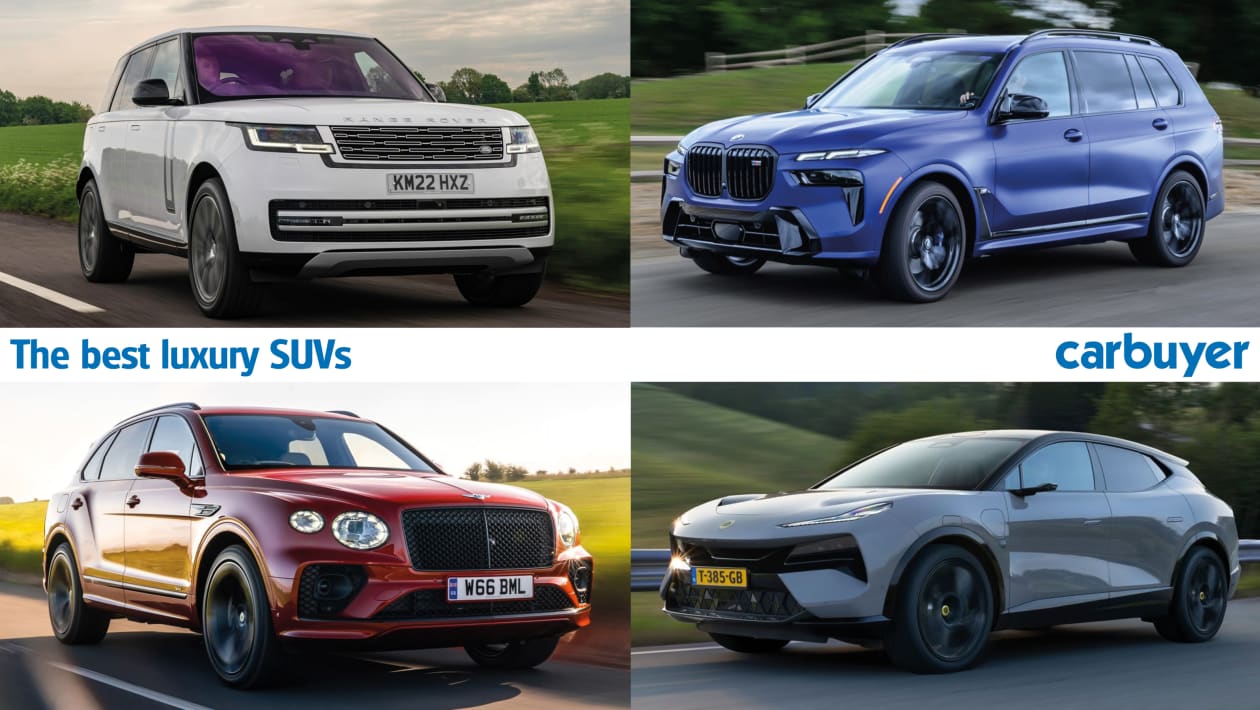 Current generation premium petrol SUVs emphasize aerodynamic sculpture without sacrificing interior volume.
What Defines a Premium Petrol SUV in 2026
The category sits above mainstream offerings through three measurable thresholds: powertrain refinement (typically six-cylinder or high-output turbo-four architectures), standard equipment levels that include adaptive damping and multi-zone climate control as baseline, and noise-vibration-harshness (NVH) targets below 65 dB at 70 mph cruise. Manufacturers achieve this through laminated side glass, active engine mounts, and frequency-selective dampers — hardware rarely found on volume models. You can also read our guide on evaluation of suv.
In practice, the gap between a well-optioned mainstream SUV and an entry-premium model has narrowed on feature lists, but the underlying chassis tuning and powertrain calibration remain distinct. A common mistake is cross-shopping solely on spec-sheet features; the integration of those features — how promptly the adaptive cruise reacts to a cutting vehicle, whether the torque converter locks up seamlessly — separates the segment leaders.
For buyers new to the segment, understanding what distinguishes an SUV platform helps frame why certain models command a premium despite similar dimensions. You can also read our guide on exclusive first look the new range rover.
Powertrain Landscape: Six-Cylinder Renaissance
After years of downsizing, 2026 sees a resurgence of smooth six-cylinder petrol engines, often paired with 48-volt mild-hybrid systems that fill torque gaps during gearshifts and enable coasting at highway speeds.
| Model | Engine | Output | 0–60 mph | EPA Combined | Transmission |
|---|---|---|---|---|---|
| BMW X5 xDrive40i | 3.0 L Turbo I6 (B58) | 375 hp / 398 lb-ft | 5.2 s | 23 mpg | 8-spd Auto |
| Mercedes-Benz GLE 450 4MATIC | 3.0 L Turbo I6 (M256) + ISG | 362 hp / 369 lb-ft + 21 hp EQ Boost | 5.5 s | 22 mpg | 9-spd Auto |
| Genesis GV80 3.5T AWD | 3.5 L Twin-Turbo V6 | 375 hp / 391 lb-ft | 5.3 s | 20 mpg | 8-spd Auto |
| Audi Q7 55 TFSI | 3.0 L Turbo V6 (EA839) | 335 hp / 369 lb-ft | 5.7 s | 21 mpg | 8-spd Auto |
| Volvo XC90 B6 AWD | 2.0 L Turbo/Supercharged I4 + 48V | 295 hp / 310 lb-ft | 6.2 s | 22 mpg | 8-spd Auto |
Figures reflect 2026 EPA estimates; real-world mixed driving typically lands 1–2 mpg lower.
The inline-six configurations (BMW, Mercedes) excel in inherent balance and sound quality, while twin-turbo V6s (Genesis, Audi) deliver broader torque plates. Volvo’s force-induced four-cylinder remains the outlier — impressively potent for displacement but audibly busier under load. You can also read our guide on luxury suv comparisons.
Chassis Technology That Matters
Adaptive air suspension with continuously variable damping is now standard across the competitive set, but calibration philosophy diverges:
- BMW X5 — Firmest body control; rear-axle steering optional for maneuverability.
- Mercedes GLE — E-ACTIVE BODY CONTROL (48 V active anti-roll) optionally decouples sway bars for articulation off-road while eliminating roll on pavement.
- Genesis GV80 — Preview electronic control suspension (ECS) reads road via front camera; uniquely effective on expansion joints.
- Audi Q7 — Predictive active suspension (optional) lifts individual wheels before impacts; best-in-class high-speed composure.
- Volvo XC90 — Passive frequency-selective dampers only; surprisingly composed but less adjustable.
Air suspension adds ~150 lb but enables kneel mode for entry/exit and approach-angle gains off-road — worth specifying if you encounter steep driveways or light trails.
Interior Architecture & Digital Integration
Screen proliferation has plateaued; the leaders now differentiate through ergonomics and software depth.
| Model | Primary Display | Instrument Cluster | HUD | Voice Assistant | OTA Scope |
|---|---|---|---|---|---|
| BMW X5 | 14.9″ Curved | 12.3″ Digital | Full-color | ID9 (LLM-enhanced) | Full vehicle |
| Mercedes GLE | 12.3″ + 12.3″ (opt 12.8″ OLED) | 12.3″ 3D | AR-HUD | MBUX Gen2 | Full vehicle |
| Genesis GV80 | 27″ OLED (single span) | 12.3″ 3D | Standard | Custom + Google Built-in | Infotainment + cluster |
| Audi Q7 | 10.1″ + 8.6″ MMI | 12.3″ Virtual Cockpit | AR-HUD | Alexa + Audi | Infotainment only |
| Volvo XC90 | 11.2″ Portrait | 12.3″ | Optional | Google Assistant | Full vehicle (Android Automotive) |
BMW’s iDrive 9 and Mercedes’ MBUX Gen2 now run large-language-model assistants that parse multi-step commands (“navigate to the highest-rated coffee shop within 10 minutes of my route, then play my focus playlist”). Genesis bundles Google Built-in natively — no phone pairing required for Maps, Assistant, or Play Store. Volvo’s Android Automotive OS remains the most open ecosystem but lacks Apple CarPlay wireless on 2026 MY (wired only).
Physical controls for climate and volume persist on BMW, Genesis, and Volvo; Mercedes and Audi rely on haptic/touch surfaces — test your tolerance before committing.
Safety Systems: Beyond Checklist Compliance
All five earn IIHS TOP SAFETY PICK+ (2025–26 protocols), but active-safety calibration varies. The Insurance Institute for Highway Safety now evaluates pedestrian AEB at 37 mph and nighttime cyclist detection — scenarios where Mercedes’ PRE-SAFE IMPULSE SIDE and BMW’s Active Driving Assistant Pro score highest in independent track testing. You can also read our guide on best suvs with rows for.
Standard across the set: forward collision warning with pedestrian/cyclist detection, lane-keeping assist with road-edge detection, blind-spot monitoring with exit warning, rear cross-traffic alert, and adaptive cruise with stop-and-go. Hands-free highway assist (Level 2+) is optional on BMW (Highway Assistant), Mercedes (Active Distance Assist DISTRONIC with Active Steering), and Genesis (Highway Driving Assist 2); Audi and Volvo require higher trims.
In practice, Mercedes’ system manages lane changes most naturally in heavy traffic, while BMW’s demands the least steering torque to confirm driver engagement.
Ownership Economics: Depreciation, Fuel, and Service
Three-year retained value estimates (ALG 2026):
| Model | Retained Value | Annual Fuel (15k mi) | Prepaid Maintenance (3 yr) |
|---|---|---|---|
| BMW X5 | 58 % | $2,850 | $1,200 (Ultimate Care+) |
| Mercedes GLE | 56 % | $2,950 | $1,450 (ServiceCare) |
| Genesis GV80 | 52 % | $3,150 | Included (3 yr/36k) |
| Audi Q7 | 54 % | $3,000 | $1,100 (Care Plan) |
| Volvo XC90 | 50 % | $2,950 | Included (3 yr/36k) |
Fuel cost assumes $3.85/gal premium (national 2026 avg). Genesis and Volvo include scheduled maintenance — a tangible savings.
Premium petrol SUVs universally require 91 AKI minimum; using regular triggers adaptive timing retard that costs 15–25 hp and 1–2 mpg. The fuel requirement specifics for Mercedes models illustrate how manufacturers calibrate for octane sensitivity. Not every Mercedes demands premium, but the six-cylinder engines in this segment do.
Model Deep Dives
BMW X5 xDrive40i — The Driver’s Choice
The B58 inline-six remains the segment benchmark for linearity. Steering weight builds naturally; the optional Integral Active Steering shrinks the turning circle to 37.4 ft. iDrive 9’s home-screen widgets reduce menu diving. Cargo: 33.9 cu ft behind row two, 72.3 cu ft max. Trade-off: Rear-seat recline limited to 26°; third row (optional) suits only children.
Mercedes-Benz GLE 450 4MATIC — The Technology Showcase
E-ACTIVE BODY CONTROL (optional $4,950) is the standout — it can rock the vehicle free from sand/snow and pre-leans into curves. MBUX Gen2’s zero-layer UI surfaces contextual functions (seat massage, route options) without voice prompts. Rear executive seating package adds 4.2″ recline and calf rests. Trade-off: Pricing escalates rapidly; a well-equipped GLE 450 approaches $95k.
Genesis GV80 3.5T AWD — The Value Proposition
Standard equipment includes Nappa leather, 21″ wheels, panoramic roof, and the 27″ OLED. Highway Driving Assist 2 works on all mapped highways without subscription. Complimentary scheduled maintenance and valet service for 3 yr/36k mi. Trade-off: Infotainment font scaling can’t be adjusted; dealer network ~350 vs. 1,000+ for German rivals.
Audi Q7 55 TFSI — The Aerodynamic Benchmark
Cd 0.31 (best in class) translates to quietest highway cabin at 62 dB. Virtual Cockpit Plus remains the most configurable cluster. Predictive active suspension (Prestige trim) is peerless over frost heaves. Trade-off: Dual-screen MMI requires visual confirmation for climate; third row cramped for adults.
Volvo XC90 B6 AWD — The Safety-First Alternative
City Safety AEB suite includes junction assist (detects oncoming traffic when turning left) and run-off-road mitigation with seat-belt pre-tensioning. Google Built-in enables offline maps download. Trade-off: Four-cylinder drone at 4,000+ rpm; no air suspension option; towing capped at 5,000 lb.
Buying Guide: Matching Vehicle to Lifestyle
| Priority | Recommended Model | Why |
|---|---|---|
| Daily commute + weekend canyon roads | BMW X5 xDrive40i | Chassis balance, engine response |
| Family hauling + maximum rear-seat comfort | Mercedes GLE 450 (Exec Rear) | Recline, legroom, E-ACTIVE BODY CONTROL |
| Technology integration + low total cost | Genesis GV80 3.5T | Google Built-in, included maintenance |
| Highway cruising refinement | Audi Q7 55 TFSI | NVH, aero efficiency, predictive suspension |
| Safety tech depth + urban maneuverability | Volvo XC90 B6 | Junction AEB, portrait screen visibility |
Test-drive protocol: Spend 20 minutes on broken pavement, 10 minutes at 75 mph, and attempt a tight parking garage maneuver. Evaluate third-row access if applicable — none are adult-friendly beyond 15 minutes.
Market Context & Timing Considerations
The segment is in a relative lull; most models are mid-cycle (2024–25 refreshes) with next-gen architectures arriving 2027–28. Current transaction prices show 3–5 % below MSRP on average — the first meaningful discounts since 2021. Lease programs on 2026 MY BMW and Mercedes subsidize money factors (~0.00120), making 36-month leases attractive if you anticipate switching to EV/hydrogen in the next cycle.
For buyers weighing a Toyota alternative, the 2025 RAV4 XLE Premium offers hybrid efficiency at half the price but lacks the NVH, powertrain smoothness, and chassis sophistication of this segment. Understanding Toyota’s premium positioning clarifies where the value equation shifts.
Frequently Asked Questions
Which premium petrol SUV has the best real-world fuel economy?
The BMW X5 xDrive40i and Mercedes GLE 450 4MATIC consistently return 22–24 mpg combined in independent testing, aided by 48 V systems that enable extended coasting. The Volvo XC90 B6 matches them but requires more frequent high-rpm operation to access full power.
Do any 2026 models offer hands-free driving on non-highway roads?
No. All current Level 2+ systems (BMW Highway Assistant, Mercedes Active Steering, Genesis HDA 2) are geo-fenced to divided, limited-access highways. Urban hands-free remains in development for 2027+ platforms.
Is premium fuel strictly required or just recommended?
Required. All six-cylinder engines in this segment (BMW B58, Mercedes M256, Genesis 3.5T, Audi EA839) specify 91 AKI minimum. The Volvo B6 also requires premium per the owner’s manual. Using 87 AKI triggers knock-retard strategies that reduce output and can increase carbon buildup over time. See Mercedes premium fuel pros and cons for detailed engineering context.
How do maintenance costs compare over five years?
Genesis and Volvo include 3 yr/36k mi scheduled maintenance. BMW Ultimate Care+ ($1,200) and Audi Care ($1,100) extend to 5 yr/60k mi. Mercedes ServiceCare (~$2,800 for 5 yr) is priciest. Budget $800–1,200/yr for tires (21–22″ run-flats common) and brake rotors (often replaced with pads on these weights).
Which model holds value best for a three-year lease?
BMW X5 leads at 58 % retained value, translating to the lowest depreciation component in lease calculations. Mercedes GLE (56 %) and Audi Q7 (54 %) follow closely. Genesis (52 %) and Volvo (50 %) lag due to smaller certified-pre-owned demand.
Final Recommendations
If driving engagement and powertrain character top your list, the BMW X5 xDrive40i remains the segment’s most cohesive package. For families prioritizing rear-seat serenity and cutting-edge suspension, the Mercedes GLE 450 with E-ACTIVE BODY CONTROL justifies its premium. Buyers seeking maximum equipment per dollar with minimal ownership friction should shortlist the Genesis GV80 3.5T. The Audi Q7 55 TFSI owns the quietest highway cabin, while the Volvo XC90 B6 delivers unmatched active-safety breadth in a compact footprint.
Next step: Schedule back-to-back test drives at a multi-brand auto mall — allocate 45 minutes per vehicle on your actual commute roads. Bring your family, child seats, and typical cargo to validate packaging claims.
The segment’s evolution since the early utility-focused SUVs chronicled in our SUV history overview underscores how far refinement has come — today’s premium petrol SUVs deliver sedan-rivaling composure without sacrificing the versatility that made the body style ubiquitous.