
Choosing a premium midsize SUV means balancing upscale cabin appointments, strong performance, and everyday practicality. The 2024 model year still offers a deep roster of vehicles that meet those demands, and the insights below reflect the latest data available in 2026.
What Defines a Premium Midsize SUV in 2024
A premium midsize SUV typically seats five to seven passengers, starts above $45 k, and bundles advanced driver‑assist tech, high‑grade materials, and a refined powertrain. Manufacturers differentiate through brand‑specific design language, proprietary infotainment, and available electrified powertrains. For a quick refresher on the segment’s boundaries, see the definition of an SUV. You can also read our guide on bmw x5 vs audi q7.
Top Contenders for 2024
| Model | Base MSRP* | Powertrain Highlights | Notable Standard Tech |
|---|---|---|---|
| Audi Q5 | $45,900 | 2.0 L turbo‑4, 261 hp; 48‑V mild‑hybrid | Virtual Cockpit, MMI touch response |
| BMW X5 | $61,600 | 3.0 L inline‑6, 335 hp; 48‑V mild‑hybrid | iDrive 8, gesture control |
| Mercedes‑Benz GLE | $58,200 | 2.0 L turbo‑4, 255 hp; 48‑V mild‑hybrid | MBUX with augmented‑reality navigation |
| Lexus RX 350 | $48,550 | 2.4 L turbo‑4, 275 hp; hybrid available | 14‑in touchscreen, Lexus Safety System+ 3.0 |
| Genesis GV80 | $51,800 | 2.5 L turbo‑4, 300 hp; 3.5 L twin‑turbo V6 | 14.5‑in display, Highway Driving Assist II |
*MSRP excludes destination charge and optional packages.
The European trio — Audi, BMW, Mercedes — still set the benchmark for driving dynamics, while Genesis and Lexus have closed the gap on interior quality and value. For a deeper dive into how these models stack up, review the luxury SUV leaders.
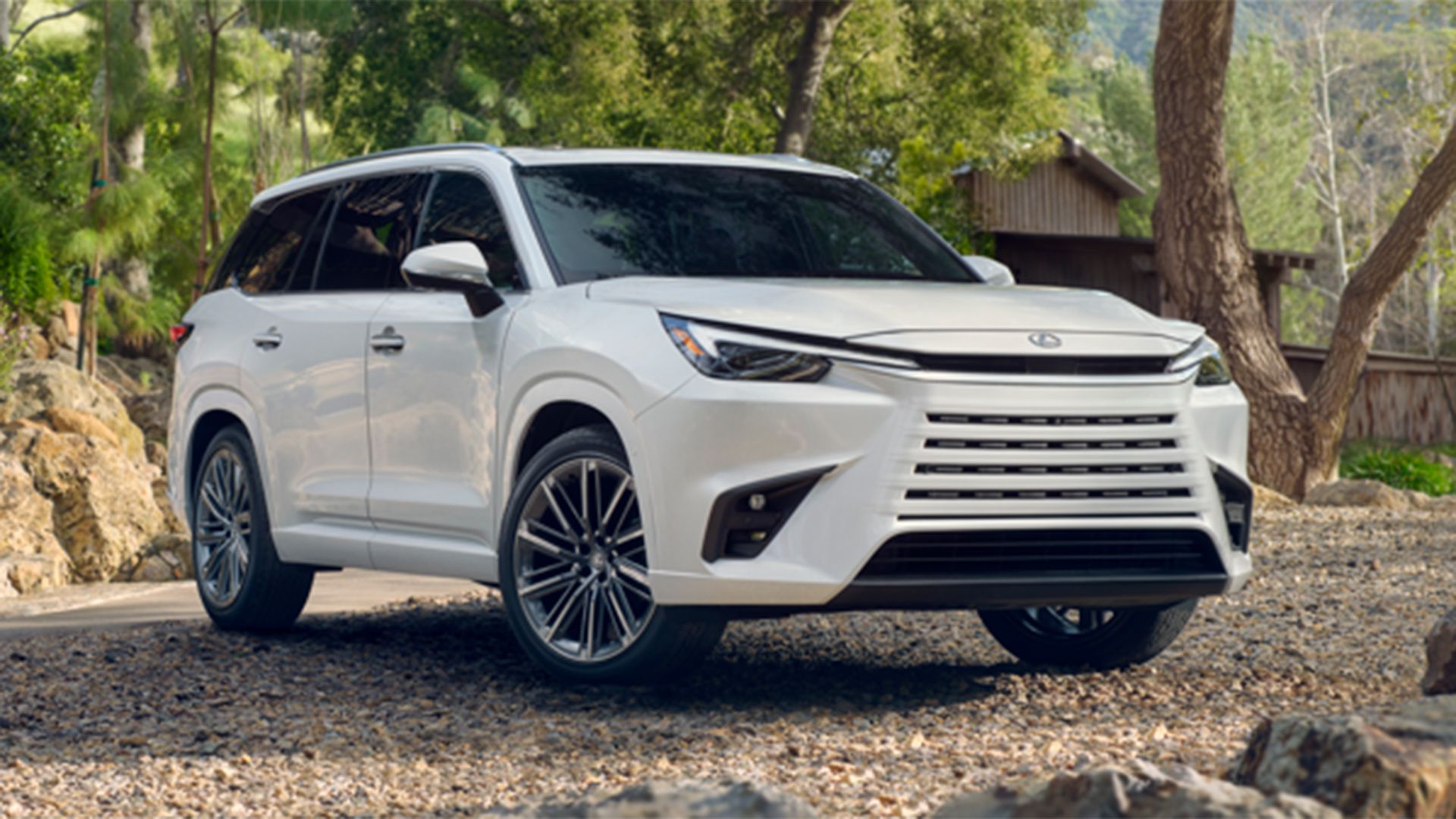 Lexus TX 350 showcasing the brand’s signature spindle grille and sleek LED lighting.
Performance & Powertrain Options
Most 2024 premium midsize SUVs now pair a turbocharged four‑cylinder with a 48‑volt mild‑hybrid system, delivering smoother start‑stop operation and a modest torque boost. BMW’s inline‑six remains the segment’s smoothest engine, while the Genesis GV80’s available twin‑turbo V6 adds 375 hp for those who prioritize outright acceleration. You can also read our guide on ford hybrid suv.
All‑wheel drive is standard or optional across the board, and each brand offers selectable drive modes (Comfort, Sport, Eco, Off‑Road) that recalibrate throttle response, steering weight, and suspension damping. In practice, the adaptive air suspension on the X5 and GV80 provides the most composed ride over broken pavement.
Interior Luxury & Technology
Materials matter: open‑pore wood, semi‑aniline leather, and metal‑trimmed switchgear are now expected. The Mercedes MBUX system stands out for natural‑language voice control, while Audi’s Virtual Cockpit integrates navigation directly behind the steering wheel. Lexus and Genesis have adopted larger, higher‑resolution touchscreens (14‑in and 14.5‑in respectively) with wireless Apple CarPlay/Android Auto. You can also read our guide on tesla model x review innovation meets luxury.
Key comfort features that appear on most trims:
- Three‑zone automatic climate control
- Heated & ventilated front seats (standard on upper trims)
- Panoramic sunroof
- 12‑speaker premium audio (Bang & Olufsen, Harman Kardon, or Lexus Mark Levinson)
Safety Systems & Reliability
Every model listed earns a Top Safety Pick+ from the IIHS and a five‑star overall rating from the NHTSA safety ratings. Standard suites include forward‑collision warning with pedestrian detection, lane‑keeping assist, blind‑spot monitoring, and rear cross‑traffic alert. Adaptive cruise control with stop‑and‑go is standard on all but the base Audi Q5.
Long‑term reliability data from Consumer Reports shows Lexus and Genesis leading the segment, while BMW and Mercedes have improved but still trail slightly on electrical‑system complaints. Regular maintenance — especially timely transmission fluid changes on the 8‑speed units — mitigates most issues.
Pricing & Value Comparison
| Trim Level | Typical Price Range | Core Equipment |
|---|---|---|
| Base (well‑equipped) | $45 k–$52 k | LED lighting, 10‑in screen, safety suite |
| Mid‑range (Premium/Prestige) | $55 k–$65 k | Upgraded leather, larger screen, upgraded audio |
| Flagship (M Sport/AMG Line/Platinum) | $70 k–$85 k | Performance brakes, air suspension, exclusive trim |
Buyers who prioritize cost‑per‑feature often find the Genesis GV80’s mid‑range trim delivers the most equipment for the money. For a side‑by‑side breakdown of how each brand structures its packages, consult our evaluation criteria.
 Representative lineup showing the visual diversity among the segment’s leaders.
Electrified Options: Hybrid & EV Variants
Hybrid powertrains are now mainstream. The Lexus RX 450h+ plug‑in hybrid offers 37 mi of EV range, while the Volvo XC60 Recharge (not in the table above) delivers 35 mi. Fully electric entries such as the Tesla Model X and the upcoming Cadillac Lyriq compete on range (300 + mi) but sacrifice third‑row practicality.
For buyers weighing a hybrid versus a pure EV, the EPA fuel‑economy data provides real‑world MPGe and charging estimates. Our crossover hybrid guide also outlines the trade‑offs in cargo space and towing capacity.
 Thumbnail from a recent video walkthrough of the 2024 premium midsize SUV class.
Ownership Costs & Resale Value
Depreciation remains the biggest cost. Three‑year residual values (per ALG) hover around 55 % for Lexus and Genesis, 50 % for Audi/BMW/Mercedes. Insurance premiums track with MSRP and repair‑cost data; expect $1,800–$2,400 annually for a well‑equipped example.
Maintenance plans vary: Lexus includes 2 years/20 k miles of complimentary service, while BMW and Mercedes offer prepaid plans that can reduce out‑of‑pocket expenses by 15‑20 %. For a broader look at market pricing trends, see the 2024 price trends.
How to Choose the Right Model for You
- Define primary use – daily commute, family hauling, light off‑road, or a mix.
- Set a realistic budget – include destination, options, and likely dealer fees.
- Prioritize tech vs. driving feel – test‑drive the BMW X5 for dynamics, the Mercedes GLE for cabin tech.
- Check local dealer inventory – some trims (e.g., GV80 3.5 T) may have longer lead times.
- Run a total‑cost‑of‑ownership calculator – factor depreciation, fuel/electricity, insurance, and maintenance.
Next step: Compare detailed specs for each model side‑by‑side using our 2025 midsize SUV roundup to see how the 2024 lineup evolves.
Frequently Asked Questions
What are the best premium midsize SUVs for 2024?
The Audi Q5, BMW X5, Mercedes‑Benz GLE, Lexus RX 350, and Genesis GV80 consistently rank highest for luxury, performance, and safety.
How do premium midsize SUVs compare in fuel efficiency?
Hybrid and plug‑in hybrid variants (Lexus RX 450h+, Volvo XC60 Recharge) lead with 30‑35 MPG combined, while conventional turbo‑four models average 22‑25 MPG. Always verify with the latest EPA figures.
Which features should I prioritize?
Adaptive cruise control with stop‑and‑go, a high‑resolution central display (12 in+), ventilated front seats, and a comprehensive ADAS suite are the most impactful for daily comfort and safety.
Are premium midsize SUVs worth the higher price?
If you value refined materials, lower cabin noise, stronger resale, and a richer feature set, the premium pays off over a 5‑year ownership horizon. For pure utility, a well‑equipped mainstream midsize may suffice.
Conclusion
The 2024 premium midsize SUV class delivers an impressive blend of opulence, technology, and driving engagement. Whether you lean toward the sport‑tuned BMW X5, the tech‑forward Mercedes GLE, or the value‑rich Genesis GV80, each model satisfies the core demands of luxury buyers while offering distinct personality. Test‑drive at least three contenders, run the numbers for your specific mileage and ownership length, and you’ll land on the SUV that fits both your lifestyle and your ledger.