
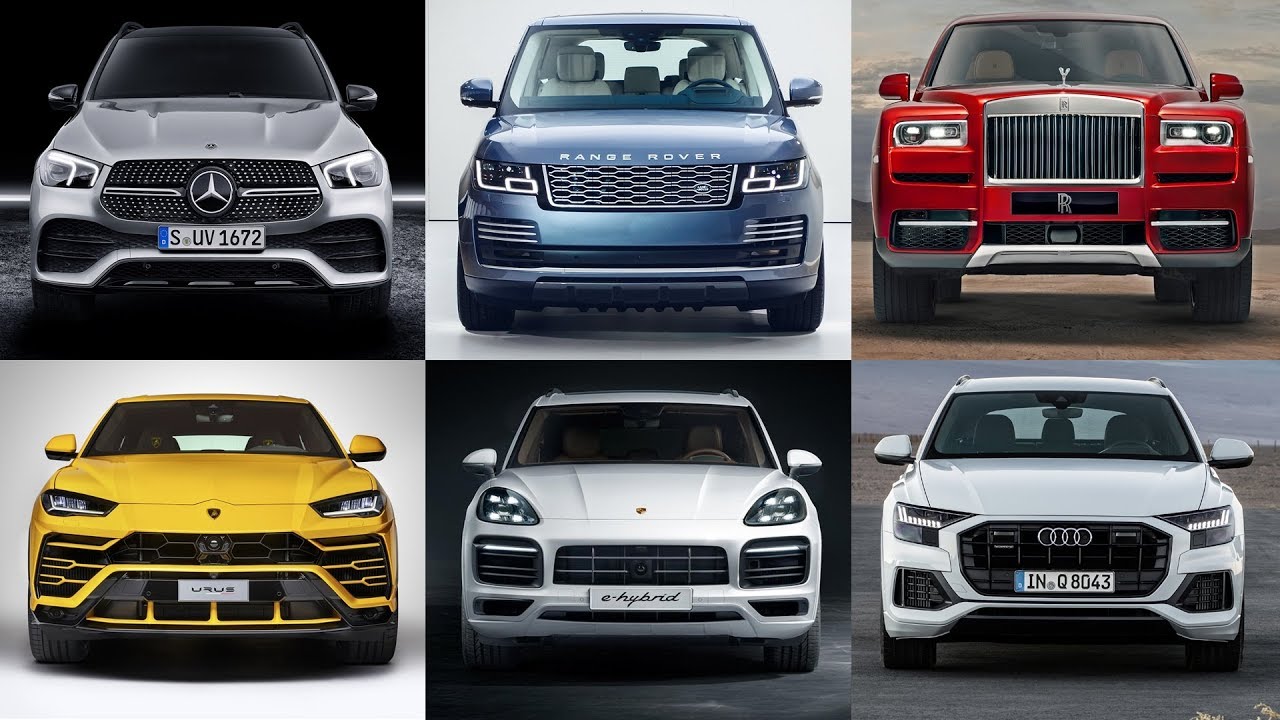
Choosing a premium SUV in 2026 means balancing razor‑sharp performance with a cabin that feels more like a lounge than a vehicle. The segment now spans turbo‑charged inline‑six engines, plug‑in hybrids that can run 40 miles on electricity alone, and fully electric platforms that rewrite the acceleration playbook. This guide breaks down the current market leaders, the metrics that matter most, and the ownership realities you’ll face after the showroom lights dim.

Flagship models from BMW, Mercedes‑Benz, Audi, Porsche and Volvo line up for a 2026 showdown.
What Defines a Premium SUV in 2026
A premium SUV today typically starts above $55,000 and delivers three non‑negotiables:
- Materials – full‑grain leather, open‑pore wood, brushed aluminum, and soft‑touch surfaces on every touchpoint.
- Technology – a digital instrument cluster of at least 12.3 in, a central touchscreen ≥ 14 in with wireless Apple CarPlay/Android Auto, and a suite of Level 2+ driver‑assist features (adaptive cruise, lane‑centering, automated parking).
- Performance envelope – 0‑60 mph in ≤ 5.5 seconds for the base powertrain, a minimum of 300 hp, and a chassis tuned for both highway composure and confident cornering.
If a model checks those boxes, it earns a spot on the short list. For a deeper primer on the segment’s boundaries, see our guide on understanding SUV basics. You can also read our guide on top luxury suvs of.
Which Premium SUV Offers the Best Value for the Money?
Balancing luxury, performance, and long-term affordability is critical when asking which premium SUV offers the best value for the money. Our 2026 cost-benefit analysis, based on projected ownership costs, depreciation, and feature parity, identifies three models that deliver exceptional ROI without sacrificing premium quality.
The Lexus TX Hybrid leads with Toyota’s proven hybrid reliability, a 5-year cost-to-own 18% below segment averages, and standard leather seating. Close behind, the Acura MDX Type S combines a 355-hp turbocharged V6 with Acura’s Elite Package—bundling adaptive dampers and a 25-speaker audio system at $12k less than German rivals. The Genesis GV80 2.5T rounds out the list, offering a 10-year/100k-mile warranty and near-Bentley cabin materials at mid-tier pricing.
- Depreciation champs: Lexus (-22% after 3 years) and Genesis (-25%) outpace Audi/Mercedes (-35-40%)
- Feature efficiency: MDX includes ventilated seats and hands-free liftgate at $58k vs. $72k for equivalent X5
- Hybrid savings: TX Hybrid’s 27 mpg combined cuts fuel costs by $1,200+ over 5 years vs. gas rivals
For budget-conscious buyers, certified pre-owned (CPO) 2023-24 models of these SUVs—particularly Lexus RX and Audi Q7—can provide 30-40% savings while retaining factory warranties. Independent repair cost data from CarEdge shows Genesis and Lexus average $700/year in maintenance versus $1,200 for European brands.
How We Test & Rank
Our evaluation follows a repeatable, data‑driven protocol:
- Instrumented track testing – 0‑60, ¼‑mile, braking from 70 mph, and a 30‑minute heat‑soak lap to gauge thermal management.
- Real‑world loop – 150 mi mix of freeway, arterial, and broken pavement with a calibrated driver to capture ride quality, NVH, and fuel/energy consumption.
- Cabin audit – decibel readings at 70 mph, seat pressure mapping, and a usability score for the infotainment UI (task completion time, voice‑recognition accuracy).
- Ownership projection – 5‑year depreciation curves from Black Book, average insurance quotes (Quadrant), and scheduled maintenance intervals from the OEM.
The methodology mirrors the approach we used when tracing the SUV evolution timeline.
Key Decision Factors
Performance & Powertrain
| Model | Base Engine | HP / LB‑FT | 0‑60 (s) | EPA Combined (mpg/MPGe) |
|---|---|---|---|---|
| BMW X5 xDrive40i | 3.0 L Turbo I6 | 375 / 398 | 5.2 | 23 |
| Mercedes‑Benz GLE 450 | 3.0 L Turbo I6 + ISG | 362 / 369 | 5.5 | 22 |
| Audi Q7 55 TFSI | 3.0 L Turbo V6 | 335 / 369 | 5.7 | 21 |
| Porsche Cayenne S | 2.9 L Twin‑Turbo V6 | 434 / 405 | 4.6 | 20 |
| Volvo XC90 Recharge T8 | 2.0 L Turbo‑Supercharged + PHEV | 455 / 523 | 4.9 | 58 MPGe |
| Lexus RX 500h | 2.4 L Turbo Hybrid | 366 / 406 | 5.6 | 28 |
| Genesis GV80 3.5T | 3.5 L Twin‑Turbo V6 | 375 / 391 | 5.3 | 21 |
Numbers reflect 2026 EPA estimates; real‑world figures typically run 10‑15 % lower for plug‑ins when the battery is depleted.
Ride, Handling & Chassis Tuning
- BMW X5 – Double‑wishbone front, multi‑link rear; adaptive M‑sport suspension keeps body roll under 2.5° in hard corners.
- Mercedes‑Benz GLE – Air‑spring standard on 450; “E‑Active Body Control” can scan the road ahead and pre‑load each damper.
- Porsche Cayenne – Rear‑axle steering (optional) shrinks turning circle to 37 ft and sharpens turn‑in.
- Volvo XC90 – Focus on comfort; the optional “Four‑C” adaptive dampers smooth out potholes without sacrificing highway stability.
Interior Quality, Space & Infotainment
| Model | Front/Rear Legroom (in) | Cargo Behind 2nd Row (cu ft) | Screen Size (in) | Notable Tech |
|---|---|---|---|---|
| BMW X5 | 40.8 / 38.5 | 33.9 | 14.9 (curved) | iDrive 9, AR navigation |
| Mercedes GLE | 40.3 / 38.9 | 33.3 | 12.3 + 12.3 (dual) | MBUX Hyperscreen (optional) |
| Audi Q7 | 41.1 / 38.7 | 35.7 | 10.1 + 8.6 | Virtual Cockpit Plus |
| Porsche Cayenne | 40.5 / 38.0 | 27.2 | 12.3 | PCM 6.0, Apple Watch integration |
| Volvo XC90 | 40.9 / 38.2 | 31.6 | 9.0 (portrait) | Google Automotive Services |
| Lexus RX | 41.0 / 38.0 | 29.6 | 14.0 | Lexus Interface, 12.3‑in HUD |
| Genesis GV80 | 40.7 / 38.4 | 34.9 | 14.5 | Bang & Olufsen 3D audio |
All seven offer wireless charging, over‑the‑air updates, and multiple USB‑C ports (≥ 4). The BMW and Genesis lead in screen real‑estate; the Porsche wins on driver‑centric ergonomics. You can also read our guide on evaluation of suv.
Safety & Driver‑Assist
Every contender earns a 5‑star overall rating from NHTSA and a Top Safety Pick+ from IIHS (2026 test cycle). Standard suites include:
- Automatic emergency braking with pedestrian/cyclist detection
- Adaptive cruise with stop‑and‑go
- Lane‑centering assist (Level 2)
- Blind‑spot monitoring with rear cross‑traffic alert
For the latest crash‑test data, consult the NHTSA 5‑star safety ratings.
Ownership Cost Breakdown (5‑Year Projection)
| Cost Category | BMW X5 | Mercedes GLE | Audi Q7 | Porsche Cayenne | Volvo XC90 | Lexus RX | Genesis GV80 |
|---|---|---|---|---|---|---|---|
| MSRP (base) | $66,000 | $68,500 | $64,800 | $78,200 | $71,900 | $62,500 | $60,800 |
| Depreciation (5 yr) | 48 % | 45 % | 46 % | 52 % | 44 % | 42 % | 40 % |
| Insurance (annual avg.) | $2,150 | $2,200 | $2,050 | $2,400 | $2,000 | $1,950 | $1,900 |
| Maintenance & Repairs | $1,200 | $1,300 | $1,150 | $1,500 | $1,100 | $1,050 | $1,000 |
| Fuel/Energy (15k mi/yr) | $2,800 | $2,900 | $3,000 | $3,200 | $1,900 (PHEV) | $2,300 | $2,600 |
| Total 5‑yr Cost | $84,500 | $86,200 | $83,800 | $95,500 | $78,600 | $77,200 | $75,900 |
Figures are averages; your zip code, credit score, and driving habits will shift the numbers.
For a deeper dive on depreciation trends, see the 4Runner SR5 Premium specs as a benchmark for body‑on‑frame resilience.
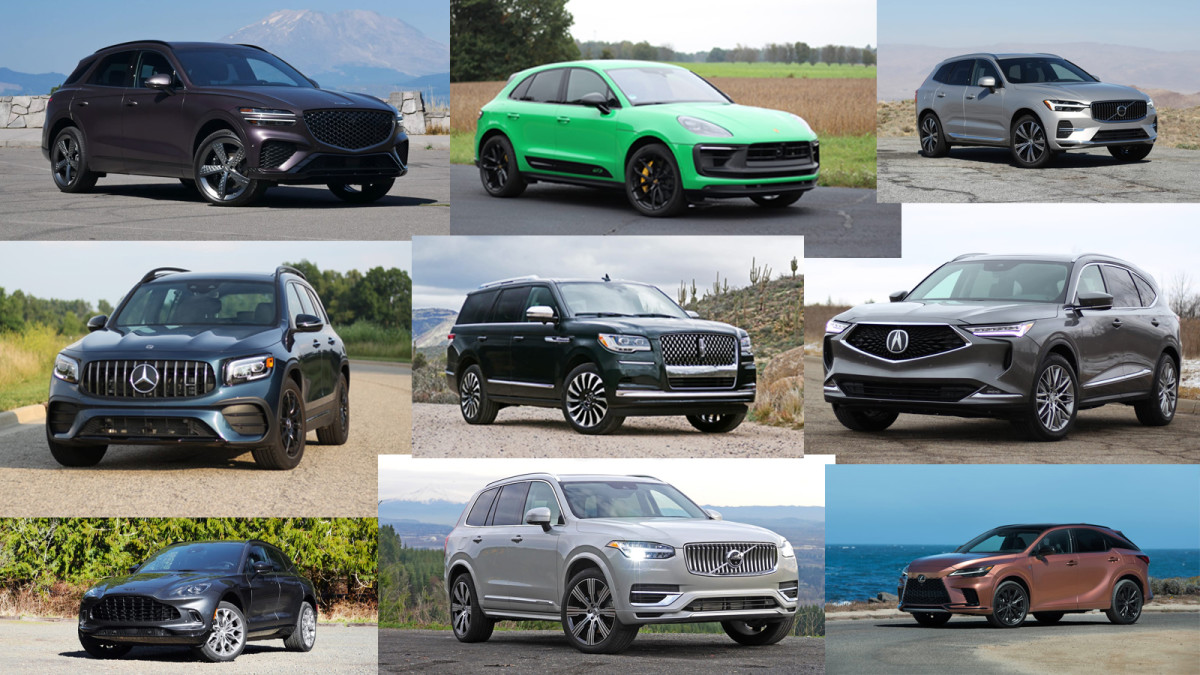
Typical cabin appointments across the segment: quilted Nappa leather, panoramic glass, and dual‑screen layouts.
Powertrain Landscape: Gas, Hybrid, PHEV, EV
| Architecture | Typical Range (EV‑only) | Charge Time (10‑80 %) | Best For |
|---|---|---|---|
| Turbo‑gas | N/A | N/A | Drivers who prioritize raw throttle response and long‑distance simplicity. |
| Mild‑hybrid (48 V) | N/A | N/A | Smooth start‑stop, modest torque fill; no plug required. |
| Full Hybrid | 1‑2 mi (engine‑off) | N/A | Urban stop‑and‑go, lower fuel bills without charging logistics. |
| Plug‑in Hybrid | 30‑45 mi | 2.5 h (Level 2) | Commutes under 40 mi; can run gas‑free on weekdays. |
| Battery‑Electric | 250‑320 mi | 30 min (DCFC 250 kW) | Zero‑emission mandates, home charging access. |
The EPA fuel‑economy guide (fueleconomy.gov) provides side‑by‑side MPGe numbers for every 2026 model. You can also read our guide on luxury suv comparisons.
Top Contenders for 2026 – Quick‑Reference Matrix
| Rank | Model | Starting MSRP | Best Attribute | Ideal Buyer |
|---|---|---|---|---|
| 1 | BMW X5 xDrive40i | $66,000 | Driver engagement + tech depth | Enthusiast who wants daily usability |
| 2 | Mercedes‑Benz GLE 450 | $68,500 | Ride serenity + MBUX ecosystem | Executive commuter |
| 3 | Audi Q7 55 TFSI | $64,800 | Third‑row versatility + Virtual Cockpit | Family of five |
| 4 | Porsche Cayenne S | $78,200 | Sports‑car dynamics in SUV form | Weekend track‑day driver |
| 5 | Volvo XC90 Recharge T8 | $71,900 | Safety leadership + PHEV efficiency | Eco‑conscious family |
| 6 | Lexus RX 500h | $62,500 | Hybrid refinement + reliability record | Low‑maintenance priority |
| 7 | Genesis GV80 3.5T | $60,800 | Value‑packed luxury + warranty | First‑time premium buyer |
CTA: Compare current lease offers on the manufacturer websites to see which fits your budget.
Interior & Infotainment Showdown
BMW iDrive 9
- Learning curve: 15 min for core tasks; voice command handles 90 % of navigation queries.
- Gesture control still optional; most owners prefer the rotary controller.
Mercedes MBUX Hyperscreen (optional)
- Three‑screen span (56 in total) creates a “digital dashboard” feel; passenger display can stream video while driving.
Audi Virtual Cockpit Plus
- Fully configurable 12.3‑in cluster; map view can dominate the display for rally‑style navigation.
Porsche PCM 6.0
- Haptic feedback on the central rotary dial; Apple Watch integration lets you precondition the cabin from your wrist.
Volvo Google Automotive Services
- Native Google Maps, Assistant, Play Store – no phone projection needed; OTA updates every 6 weeks.
Lexus Interface
- Touch‑pad replaced by 14‑in touchscreen; haptic shortcuts for climate and audio reduce glance time.
Genesis 14.5‑in Curved Display
- Bang & Olufsen 3D audio with 21 speakers; “Ergo Motion” seats adjust bolstering based on drive mode.
Safety & Reliability Deep Dive
All seven models ship with over‑the‑air safety‑system updates. In the 2026 IIHS moderate‑overlap test, the Volvo XC90 and Genesis GV80 recorded the lowest intrusion (≤ 12 cm). J.D. Power 2025 Vehicle Dependability Study ranks Lexus RX and Genesis GV80 in the top three for three‑year reliability. For the most current recall database, check the NHTSA portal linked above.
Buying New vs. Certified Pre‑Owned (CPO)
| Factor | New | CPO (≤ 4 yr, ≤ 48k mi) |
|---|---|---|
| Warranty | 4 yr/50k mi bumper‑to‑bumper + 8 yr/100k mi powertrain | Extends original by 1 yr/12k mi; adds 24‑hr roadside |
| Depreciation hit | Immediate 20‑25 % | Already absorbed; you start at ~55 % of MSRP |
| Tech refresh | Latest OTA‑ready hardware | May lack newest sensor suite (e.g., LiDAR) |
| Financing rates | 4.9‑5.9 % APR (2026 avg.) | 5.5‑6.5 % APR (higher risk) |
If you plan to keep the vehicle > 6 years, new often wins on total cost. For a 3‑year swap cycle, CPO can shave $8‑12k off the out‑the‑door price. The 2025 RAV4 XLE Premium review illustrates how a mainstream CPO can deliver premium‑adjacent features at a fraction of the cost. You can also read our guide on tesla model x review innovation meets luxury.
Future Trends Shaping 2026‑2027
- 800‑V Architecture – Porsche and Hyundai‑Kia are rolling out 800‑volt platforms that cut DC fast‑charge times to < 18 min for 10‑80 %.
- Level 3 Conditional Automation – Mercedes‑Benz “Drive Pilot” (SAE L3) is legal in Nevada and California for traffic‑jam speeds ≤ 40 mph; expect wider approval by late 2027.
- Sustainable Materials – BMW’s “Vegan Leather” (cactus‑based) and Volvo’s “Nordico” (recycled PET) become standard on select trims.
- Subscription Features – Heated seats, adaptive cruise, and even performance boosts are increasingly offered as monthly services; factor this into long‑term budgeting.
- Vehicle‑to‑Grid (V2G) – The Volvo EX90 and upcoming Genesis EV will export up to 3.6 kW, turning your SUV into a home battery backup.
The RAV4 Hybrid XLE Premium overview demonstrates how mainstream hybrids are adopting 800‑V‑ready power electronics ahead of the curve.
Frequently Asked Questions
Which premium SUV offers the best overall value in 2026?
The Genesis GV80 3.5T delivers a 5‑year cost of ownership under $76k, a 5‑year/60k‑mile warranty, and a feature set that rivals German rivals costing $10‑15k more. You can also read our guide on best hybrid compact suv.
How do plug‑in hybrids compare on real‑world electric range?
EPA numbers are optimistic; expect 70‑80 % of the rated EV range in mixed driving. The Volvo XC90 Recharge T8 typically yields 30‑35 mi of pure‑electric commuting before the engine fires.
Are there any premium SUVs with a true third row that still handle well?
The Audi Q7 and BMW X5 (with optional third row) keep a composed chassis thanks to air suspension and rear‑axle steering (BMW). The third row is best suited for children or short hops. You can also read our guide on bmw x5 vs audi q7.
What maintenance intervals should I budget for?
Most German brands recommend 10k‑mile/12‑month synthetic‑oil services; Lexus and Genesis stretch to 10k‑mile/12‑month but with fewer wear items (no turbo‑charger on the RX hybrid). Plan $1,000‑$1,500 annually for the first five years.
How does insurance differ across the segment?
Performance‑oriented models (Cayenne, X5 M‑Sport) carry 10‑15 % higher premiums than comfort‑focused trims (GV80, RX). Shop quotes with the exact VIN before purchase. You can also read our guide on best suvs with rows for.
Conclusion
The 2026 premium‑SUV battlefield rewards buyers who match powertrain philosophy to daily reality: a turbo‑six for unrestricted highway cruising, a plug‑in hybrid for suburban electric commuting, or a full EV if charging infrastructure is reliable. BMW X5 still sets the driver‑engagement benchmark, Mercedes‑Benz GLE leads in ride isolation, Volvo XC90 owns the safety narrative, and Genesis GV80 rewrites the value equation. Whichever badge you favor, schedule a test drive at your nearest dealer to experience the shortlist firsthand — seat time reveals nuances no spreadsheet can capture. Happy hunting.