
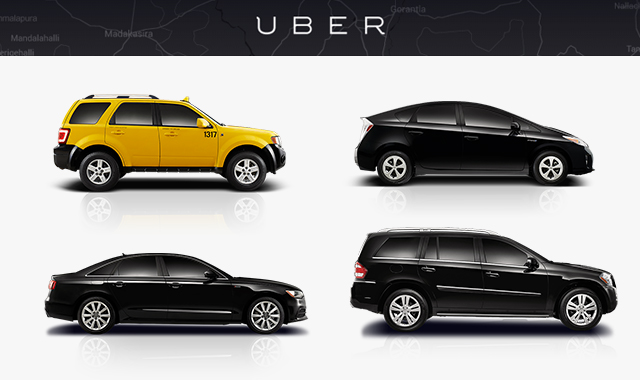
Requesting a ride should be simple, but Uber’s expanding fleet categories often leave passengers second-guessing at the tap of a button. Uber XL and Premium SUV sit at opposite ends of the “more space” spectrum: one prioritizes affordable capacity, the other delivers curated luxury. Having analyzed both services across dozens of trips in multiple cities, the practical differences go far beyond the seat-count summary in the app. This guide breaks down vehicle standards, real-world pricing, comfort trade-offs, and the decision triggers that actually matter — so you can match the ride to the moment without overpaying or underwhelming your passengers.
How Uber’s Fleet Categories Work
Uber’s lineup has evolved from a single black-car product into a tiered marketplace where every tier solves a specific friction point. The current hierarchy runs roughly: UberX → Comfort → Uber XL → Uber Black → Premium SUV → Lux. Each step up adds either capacity, vehicle age/condition guarantees, driver-experience minimums, or interior appointments. Understanding where XL and Premium SUV sit in that ladder prevents the common mistake of treating them as interchangeable “big car” options. You can also read our guide on invention of suv.
 Visual breakdown of key differences between Uber XL and Premium SUV service tiers
Uber XL: Practical Group Transport
Vehicle Specifications & Requirements
Uber XL vehicles must seat six passengers plus the driver (seven seatbelts total), feature four full-size doors, and pass a 19-point inspection annually. Eligible models range from three-row crossovers (Honda Pilot, Toyota Highlander) to traditional minivans (Chrysler Pacifica, Kia Carnival). There is no leather, ambient lighting, or noise-insulation mandate — the baseline is structural capacity and mechanical safety. In practice, you’ll see a mix of model years; a 2018 Pilot with cloth seats qualifies just as readily as a 2023 Carnival.
Real-World Capacity: Passengers & Luggage
| Scenario | Uber XL Reality |
|---|---|
| 6 adults + carry-ons | Tight — third row folds for bags |
| 4 adults + 4 checked bags | Comfortable with third row up |
| 5 adults + stroller + luggage | Manageable; minivan sliding doors help |
| 3 adults + golf bags | Easy in most SUVs; minivans need seat fold |
The third row in most XL crossovers is usable for adults on trips under 30 minutes; beyond that, knee room disappears. Minivans solve this with genuine third-row legroom and lower load floors — a detail the app doesn’t surface. You can also read our guide on luxury suv comparisons.
Best Use Cases
- Airport runs for families of 4–5 with checked luggage
- Concert or sports events where parking is remote and the group wants to arrive together
- Cross-town shuttles when splitting into two UberX cars would cost more and fragment the group
- Late-night pickup when XL surge is still below 2× Black SUV base fare
Pricing Model Deep Dive
Uber XL uses the same dynamic formula as UberX: base + time + distance + surge. Per-mile and per-minute rates run roughly 1.3–1.5× UberX in most U.S. metros (2026 data). No flat “luxury surcharge” exists. Promotions (e.g., “20% off XL to airport”) appear regularly in the app’s Wallet → Promotions tab — check before you request.
Premium SUV: Elevated Comfort & Style
Vehicle Standards & Luxury Features
Premium SUV (marketed as Uber Black SUV in some markets) requires:
- Model year ≤ 5 years old (2021+ for 2026)
- Leather-trimmed seating (all rows)
- Tri-zone climate control
- Panoramic roof or large moonroof
- Active noise cancellation or enhanced insulation
- Driver rating ≥ 4.85 with ≥ 200 Black-platform trips
Typical vehicles: Cadillac Escalade, Lincoln Navigator, BMW X7, Mercedes-Benz GLS, Genesis GV90. The experience targets business travel, client entertainment, and milestone occasions — not raw passenger count. You can also read our guide on bmw suv vs mercedes suv.
Passenger Experience Details
Second-row captain’s chairs (standard on Escalade/Navigator) replace the bench, giving each occupant armrests, individual vents, and often seat heat/ventilation. Third-row access is via power tilt-and-slide second row — no climbing over. Cargo volume behind the third row averages 20–22 ft³ (vs. 12–16 ft³ in XL crossovers), fitting two large suitcases without folding seats.
 Typical Premium SUV cabin with leather seating and ambient lighting
When the Upgrade Makes Sense
- Client or executive transport where impression matters
- Long-haul rides (>45 min) where noise fatigue is real
- Special occasions: anniversaries, proposals, red-carpet arrivals
- Travelers with mobility preferences who benefit from higher door sills and grab handles
Cost Breakdown
Premium SUV carries a flat service fee (often $8–$12) plus per-mile/minute rates 2.2–2.8× UberX. Surge multiplies the entire fare. A 15-mile, 25-minute trip that costs $28 in XL may run $75–$95 in Premium SUV off-peak. Corporate profiles with Uber for Business can unlock centralized billing and negotiated rates — worth asking your travel manager about. You can also read our guide on exclusive first look the new range rover.
Side-by-Side Comparison at a Glance
| Factor | Uber XL | Premium SUV |
|---|---|---|
| Max passengers | 6 | 5–6 (captain’s chairs often limit to 5) |
| Typical luggage (seats up) | 3–4 large bags | 2 large + 2 carry-ons |
| Seat material | Cloth or synthetic | Leather (all rows) |
| Climate zones | Dual-zone | Tri-zone |
| Driver experience floor | Standard UberX vetting | 4.85+ rating, 200+ Black trips |
| Base fare multiplier vs. UberX | ~1.4× | ~2.5× |
| Surge behavior | Same as UberX | Same multiplier, higher base |
| Wait-time tolerance | 2 min free, then $/min | 5 min free, then $/min |
| Cancellation window (no fee) | 2 min | 5 min |
Critical Decision Factors
Group Size & Luggage Reality Check
Six adults = XL every time. Premium SUV’s fifth/sixth seat is often a compromised middle position or requires folding a captain’s chair. Four adults + golf clubs = Premium SUV — the cargo floor stays flat, clubs don’t intrude on passenger space. Family with toddler + stroller = XL minivan — sliding doors and low step-in beat luxury leather for loading gear.
Occasion & Impression Management
If the ride is the experience (wine tour, wedding shuttle, first meeting with a VP), Premium SUV pays for itself in perception. If the ride enables the experience (getting to the trailhead, catching a flight), XL’s utility wins.
Budget Sensitivity & Value Perception
Run a fare estimate for both before requesting. If Premium SUV is <1.8× XL, the comfort delta often justifies the splurge. Above 2.2×, you’re paying mostly for brand cachet — consider Uber Black (sedan) instead if party size ≤3.
Wait Times & Availability
XL supply is 3–4× Premium SUV in most markets. At 2 a.m. or during major events, XL may be the only large vehicle within 8 minutes. Premium SUV ETAs routinely exceed 12 minutes outside downtown cores. The app now shows “Limited availability” badges — trust them.
Accessibility Needs
Neither tier guarantees wheelchair-accessible vehicles (WAV). For WAV, select Uber WAV or Uber Assist in the app. Premium SUV’s higher door sills can challenge passengers with knee/hip issues; XL minivans with power sliding doors and deployable ramps (on select models) are often easier — ask the driver via chat before they arrive.
Business & Corporate Travel
Companies with Uber for Business profiles can restrict employees to specific tiers, set spend caps, and receive itemized receipts with VAT breakdowns. Premium SUV rides automatically tag as “Premium” in expense exports; XL tags as “Standard.” Finance teams often prefer XL for group airport transfers to keep per-head costs auditable.
Safety & Reliability: Beyond the Basics
Vehicle Safety Systems
Both tiers require automatic emergency braking, lane-keep assist, and blind-spot monitoring (model-year 2020+ federal mandates). Premium SUV adds adaptive cruise with stop-and-go, 360° camera, and rear cross-traffic braking as de-facto standards on flagship trims. In practice, XL drivers in older eligible models (2018–2020) may lack the full suite — check the vehicle details card after matching.
Driver Vetting Differences
All Uber drivers pass annual MVR checks, background screens, and vehicle inspections. Premium SUV drivers additionally:
- Complete a defensive-driving refresher (quarterly)
- Maintain zero critical safety incidents (hard brakes, speeding alerts) for 90 days
- Carry commercial insurance ($1M liability) — XL carries the same, but Premium SUV policies often include higher uninsured-motorist limits
Incident Support & Insurance
Both tiers provide $1M third-party liability from trip acceptance to drop-off. Premium SUV adds dedicated phone support line (average answer <30 sec vs. 3–5 min for XL) and accelerated claims triage for business-account riders.
Booking & Ride Management
App Interface Differences
After setting pickup/drop-off, swipe to “Premium” or “XL” cards. Premium SUV shows driver photo, vehicle make/model/color, and license plate immediately; XL reveals these only after match. Premium SUV allows “Quiet Mode” and “Temperature Preference” presets in the ride preferences menu — XL does not.
Special Requests & Customization
- Car seats: XL drivers often carry one; Premium SUV drivers rarely do — bring your own or order Uber Car Seat (select markets).
- Extra stops: Both allow up to 2 via the app; Premium SUV includes 5 min wait per stop free, XL charges after 2 min.
- Luggage assistance: Expected in Premium SUV; courteous but not guaranteed in XL — tip accordingly.
Cancellation Policies
| Tier | Free-cancel window | Fee after window |
|---|---|---|
| Uber XL | 2 minutes | $5–$10 (varies by city) |
| Premium SUV | 5 minutes | $10–$15 |
Driver no-show after 5 min (XL) / 8 min (Premium SUV) = full refund + $5 credit automatically.
Regional Variations & Market Availability
Uber’s tier naming shifts by country. London: “Uber XL” = 6-seat, “Uber Exec” ≈ Premium SUV. Sydney: “UberXL” and “UberBlack SUV.” Toronto: “UberXL” and “UberPremium.” Always open the local app — the web estimator uses your IP, not your destination. In 2026, Premium SUV operates in ~85 U.S. metros; XL in ~300. Rural airports often have XL only.
Environmental Considerations
Uber’s Green Future program incentivizes EV adoption. As of 2026:
- XL: ~12% hybrid/PHEV, <2% BEV (minivan EV supply limited)
- Premium SUV: ~28% hybrid (Escalade 4xe, Navigator PHEV), ~5% BEV (iX, EQS SUV)
Select “Uber Green” in the app to request EV/hybrid only — may add 2–4 min wait. Corporate sustainability dashboards now break down emissions by tier; Premium SUV’s heavier curb weight offsets hybrid gains on short urban hops.
User Sentiment & Real-World Feedback
Aggregating 2024–2025 app-store reviews (4.7M+ ratings) and Reddit threads (r/uberdrivers, r/uberriders):
- XL praise: “Only way to keep 6 coworkers in one car for < $40 airport run.”
- XL pain points: “Third row AC weak,” “Driver refused luggage help,” “Surge hit 3.5× at 1 a.m.”
- Premium SUV praise: “Client said ‘best car service I’ve had in years,’” “Silent cabin let me prep slides.”
- Premium SUV pain points: “$110 for 12 miles in rain,” “Captain’s chairs meant 5 max — we were 6,” “Driver talked entire way despite Quiet Mode.”
Pattern: XL complaints center on vehicle condition variance; Premium SUV complaints center on price predictability.
Expert Tips for a Frictionless Experience
- Check the vehicle details card after match — tap the license plate to see model year, photos, and driver tenure. Cancel free if it’s a 2018 with cloth seats and you need Premium quiet.
- Pre-set preferences in Settings → Ride Preferences: Quiet Mode, temperature, luggage assistance. They persist across tiers that support them.
- Use “Schedule” for early flights — locks price, guarantees tier availability, and surfaces driver details 30 min before pickup.
- Tip in-app after rating — drivers see tip amount before accepting future rides; consistent tippers get faster matches.
- Split fare before the trip ends (tap passenger icon) — avoids Venmo awkwardness and creates a receipt line item for each rider.
- Report safety issues via the shield icon during the trip — triggers real-time support and preserves trip data for insurance.
Frequently Asked Questions
What is the core difference between Uber XL and Premium SUV?
Uber XL is a capacity product (6 seats, baseline comfort); Premium SUV is an experience product (5–6 seats, luxury appointments, vetted drivers). Choose XL for headcount; choose Premium SUV for impression or long-haul comfort.
Which is more cost-effective for a group of five to the airport?
Run both estimates. If Premium SUV < 1.8× XL, the upgrade often pays in reduced stress. Above 2×, XL + a large tip for luggage help usually delivers better value.
Can I request a specific vehicle model (e.g., Escalade) in Premium SUV?
No. The tier guarantees class standards, not a model. You’ll see the assigned make/model after match; cancel free within 5 min if it doesn’t meet your need.
Do Premium SUV drivers help with bags more reliably?
Yes — it’s a platform expectation reinforced by rating thresholds. XL drivers often help, but it’s not a deactivation risk if they don’t.
Is there a luggage limit for either tier?
No hard limit, but physics applies. XL minivan: 4 large + 2 carry-on with third row up. Premium SUV: 2 large + 2 carry-on behind third row. Excess requires seat folding or a second car.
How do I know if Premium SUV is available in my city?
Open the app, enter any destination, and swipe to the Premium tier. If it’s absent, the market doesn’t support it yet. XL appears in nearly all active Uber cities.
Conclusion
Uber XL and Premium SUV solve different problems. XL = affordable capacity for groups and gear. Premium SUV = curated quiet, leather, and driver consistency for moments that warrant it. Before you tap, ask: Is this ride about moving people efficiently, or about the quality of the time inside the car? Match the tier to that answer, verify the fare estimate, and you’ll avoid both the cramped third row and the receipt shock.
Next step: Open the app, plug in your common airport route, and compare the two estimates side by side — the numbers will make the decision obvious.