
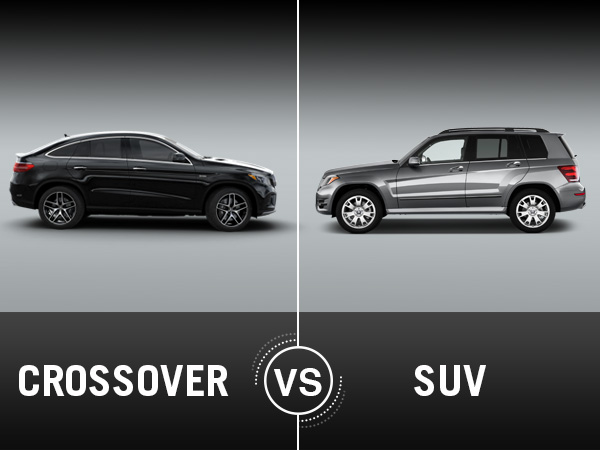
Choosing between a standard SUV and a premium crossover in 2026 means weighing rugged utility against refined comfort. Both segments have evolved — body‑on‑frame trucks now share showroom space with unibody crossovers that borrow sedan handling — and the price gap has narrowed as manufacturers load mainstream models with upscale tech. This guide breaks down every decision factor so you can match a vehicle to your daily routine, weekend adventures, and long‑term budget.
 Visual comparison highlighting stance differences.
Market Overview (2026)
SUV and crossover sales together topped 14 million units in the U.S. last year, a 4 % rise over 2025. The growth is driven by three trends: electrified powertrains entering both categories, advanced driver‑assist suites becoming standard, and buyers expecting near‑luxury interiors even on mid‑trim models. Understanding the evolution of the SUV helps contextualize why the line between “standard” and “premium” keeps shifting. You can also read our guide on evaluation of suv.
Defining the Segments
What Counts as a Standard SUV?
A standard SUV typically rides on a body‑on‑frame chassis, shares underpinnings with a pickup, and offers genuine low‑range gearing. Think of the 2026 Toyota 4Runner, Ford Expedition, or Chevrolet Tahoe. These vehicles prioritize towing (often > 8,000 lb), ground clearance, and cabin volume over outright fuel economy.
What Defines a Premium Crossover?
Premium crossovers use a unibody architecture, independent suspension all around, and a focus on on‑road dynamics. Brands such as BMW (X5), Genesis (GV80), and Lexus (RX) lead the segment. They deliver quieter cabins, higher‑grade materials, and the latest infotainment — but usually sacrifice maximum tow rating and extreme off‑road articulation.
Quick reference: If you need a core definition of each class, the distinction comes down to frame type and intended use case.
Design Philosophy
Exterior Stance & Proportions
Standard SUVs wear boxy, upright silhouettes with high beltlines and pronounced wheel arches — visual cues that signal capability. Premium crossovers adopt fast‑roof lines, sculpted surfacing, and jewel‑like lighting signatures that convey sophistication. In practice, the crossover’s lower roof improves aerodynamic drag (Cd ≈ 0.30 vs. 0.36 for many body‑on‑frames), which directly benefits highway range.
Interior Layout & Materials
Open a standard SUV and you’ll find durable cloth or synthetic leather, hard‑wearing plastics, and a utilitarian control layout. Step into a premium crossover and the touchpoints shift to semi‑aniline leather, open‑pore wood, and metal‑finish switches. A common mistake is assuming “premium” only means softer surfaces; it also means tighter panel gaps, active noise cancellation, and multi‑zone climate zones that actually hold temperature.
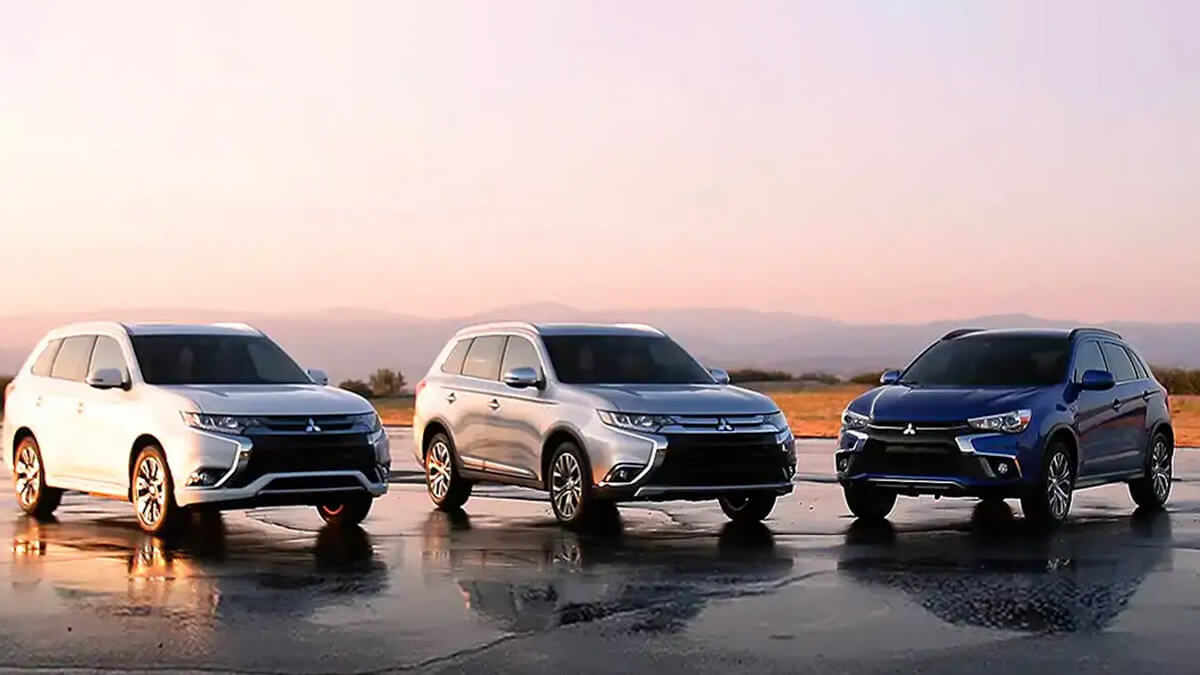 Key dimensional differences at a glance.
Performance & Powertrain
Engine Options & Output
| Segment | Typical Base Engine | Peak Output (hp) | Electrified Options (2026) |
|---|---|---|---|
| Standard SUV | 3.5 L V6 / 5.3 L V8 | 285‑420 | Mild‑hybrid, PHEV (e.g., Jeep Grand Cherokee 4xe) |
| Premium Crossover | 2.0 L Turbo‑4 / 3.0 L Turbo‑6 | 250‑375 | Full‑hybrid, PHEV, BEV (e.g., Genesis GV80 EV) |
Turbocharged four‑cylinders now dominate the crossover space, delivering torque low in the rev range for effortless merging. Standard SUVs still lean on larger displacement for low‑end grunt needed when hauling a trailer up a grade.
Transmission & Drivetrain
Most 2026 standard SUVs pair a 10‑speed automatic with a two‑speed transfer case. Premium crossovers favor 8‑ or 9‑speed torque‑converter units or dual‑clutch boxes, often with torque‑vectoring all‑wheel drive. The latter sharpens corner exit — noticeable on a canyon road — but adds complexity that can raise service costs.
Towing & Payload
- Standard SUV: 7,500‑9,500 lb (properly equipped) | Payload 1,400‑1,800 lb
- Premium Crossover: 4,500‑7,200 lb | Payload 1,000‑1,300 lb
If you tow a 24‑ft travel trailer weekly, the body‑on‑frame platform remains the safer bet.
Fuel Economy & Emissions
EPA combined estimates for 2026 models:
- Standard SUV (V6, 4WD): 19‑22 mpg
- Premium Crossover (Turbo‑4, AWD): 24‑28 mpg
- Plug‑in hybrids in either class can hit 50‑60 MPGe in electric mode.
For the latest EPA fuel‑economy data, check the official database before finalizing a trim.
Ride, Handling & Off‑Road Capability
Body‑on‑frame SUVs excel on rough terrain thanks to solid rear axles (or multi‑link with generous articulation) and low‑range gearing. Premium crossovers counter with adaptive air suspension, selectable terrain modes, and hill‑descent control — sufficient for gravel forest roads but not rock crawling. In practice, most owners never engage low range; a well‑tuned crossover with all‑terrain tires handles 90 % of “adventure” scenarios.
Technology & Connectivity
Infotainment Systems
| Feature | Standard SUV (mid‑trim) | Premium Crossover (mid‑trim) |
|---|---|---|
| Screen size | 10.1 in | 12.3‑14.9 in (often curved) |
| Wireless Apple CarPlay / Android Auto | Yes (2025+) | Standard |
| Native navigation | Optional | Standard with OTA updates |
| Premium audio | 8‑speaker | 14‑23‑speaker (e.g., Burmester, Mark Levinson) |
Driver‑Assist & Safety Suite
Both segments now include automatic emergency braking, lane‑keeping assist, and adaptive cruise as base equipment. Premium crossovers add:
- Hands‑free highway driving (Level 2+)
- 360° camera with 3D view
- Night‑vision pedestrian detection (on select brands)
The NHTSA safety ratings for 2026 models show most premium crossovers earning five‑star overall scores, while a few standard SUVs still carry four‑star rollover ratings due to higher centers of gravity.
Ownership Costs
Purchase Price & Financing
- Standard SUV (well‑equipped): $48 k‑$65 k
- Premium Crossover (well‑equipped): $58 k‑$85 k
Manufacturer incentives on standard SUVs are historically larger, but premium brands often subsidize lease rates to keep monthly payments competitive.
Insurance, Maintenance & Repair
Insurance premiums run 10‑15 % higher for premium crossovers because of costlier parts and calibration‑required sensors. Maintenance intervals are similar (10 k‑12 k mi), yet dealer labor rates for luxury marques can be $30‑$50 /hr higher. A practical tip: negotiate a prepaid maintenance plan at purchase — it locks in current pricing.
Depreciation & Resale Value
Five‑year depreciation averages (2026 projections):
| Vehicle Type | Avg. Depreciation |
|---|---|
| Standard SUV | 38 % |
| Premium Crossover | 46 % |
Strong residuals on certain Toyota and Lexus models narrow the gap. Monitoring current market pricing trends helps you time a trade‑in.
Safety Ratings & Crash‑Test Performance
Both IIHS and NHTSA now test vehicle‑to‑vehicle and vehicle‑to‑pedestrian scenarios. Premium crossovers frequently earn “Top Safety Pick+” thanks to superior headlight ratings and standard front‑center airbags. Standard SUVs have improved structurally, but their taller profiles still produce higher rollover probabilities in NHTSA’s dynamic tests.
Environmental Impact & Electrification
Electrified variants cut tailpipe CO₂ by 30‑55 % versus pure‑gas counterparts. However, battery production emissions mean the break‑even point for a PHEV is roughly 30‑40 k mi of electric‑only driving. Full‑electric crossovers (e.g., Cadillac Lyriq, BMW iX) eliminate tailpipe emissions entirely but rely on charging infrastructure that remains uneven in rural areas — where many standard SUV buyers live.
Trim Levels, Packages & Customization
Standard SUVs often gate advanced safety behind “Premium” or “Limited” packages, while premium crossovers bundle them in the base price but charge extra for:
- Executive rear‑seat packages (massage, heating, ventilation)
- Panoramic glass roofs with electrochromatic tint
- Performance brake upgrades (carbon‑ceramic)
A RAV4 XLE Premium walk‑through illustrates how a mainstream model can approach luxury spec when fully optioned.
Buying Checklist: Which Fits Your Life?
- Primary use – Daily commute + occasional trail → Crossover. Weekly heavy towing → Standard SUV.
- Passenger count – Need three usable rows regularly → Standard SUV (most crossovers’ third row is tight).
- Fuel budget – Target > 25 mpg combined → Crossover or PHEV.
- Tech appetite – Want the latest UI, OTA updates, hands‑free driving → Premium Crossover.
- Total cost of ownership – Run a 5‑year TCO model (depreciation + fuel + insurance + maintenance).
Book a test drive this week to experience the difference firsthand.
Frequently Asked Questions
What is the fundamental platform difference?
Standard SUVs use body‑on‑frame construction shared with pickups; premium crossovers use unibody car platforms.
Which offers better third‑row space?
Standard SUVs almost always provide adult‑usable third rows; crossover third rows suit children or short trips.
Are premium crossovers worth the extra cost?
If you value interior refinement, cutting‑edge driver assists, and lower fuel bills, the premium often pays back in daily satisfaction. For pure utility, a well‑equipped standard SUV delivers more capability per dollar.
Do standard SUVs have higher towing capacity?
Yes. Body‑on‑frame chassis and heavier‑duty cooling enable 8,000‑9,500 lb ratings versus 4,500‑7,200 lb for most premium crossovers.
How do maintenance costs compare?
Expect 10‑20 % higher annual maintenance on premium crossovers due to pricier parts and specialized labor.
Conclusion
The 2026 landscape blurs the line between rugged and refined, but the core trade‑off remains: capability versus composure. A standard SUV still owns the heavy‑lifting, off‑road, and maximum‑space missions. A premium crossover wins on ride quality, technology density, and efficiency for the vast majority of paved‑road lives. Match the vehicle to your honest weekly routine — not the occasional fantasy — and you’ll avoid buyer’s remorse. Enjoy the journey, whichever path you choose.