
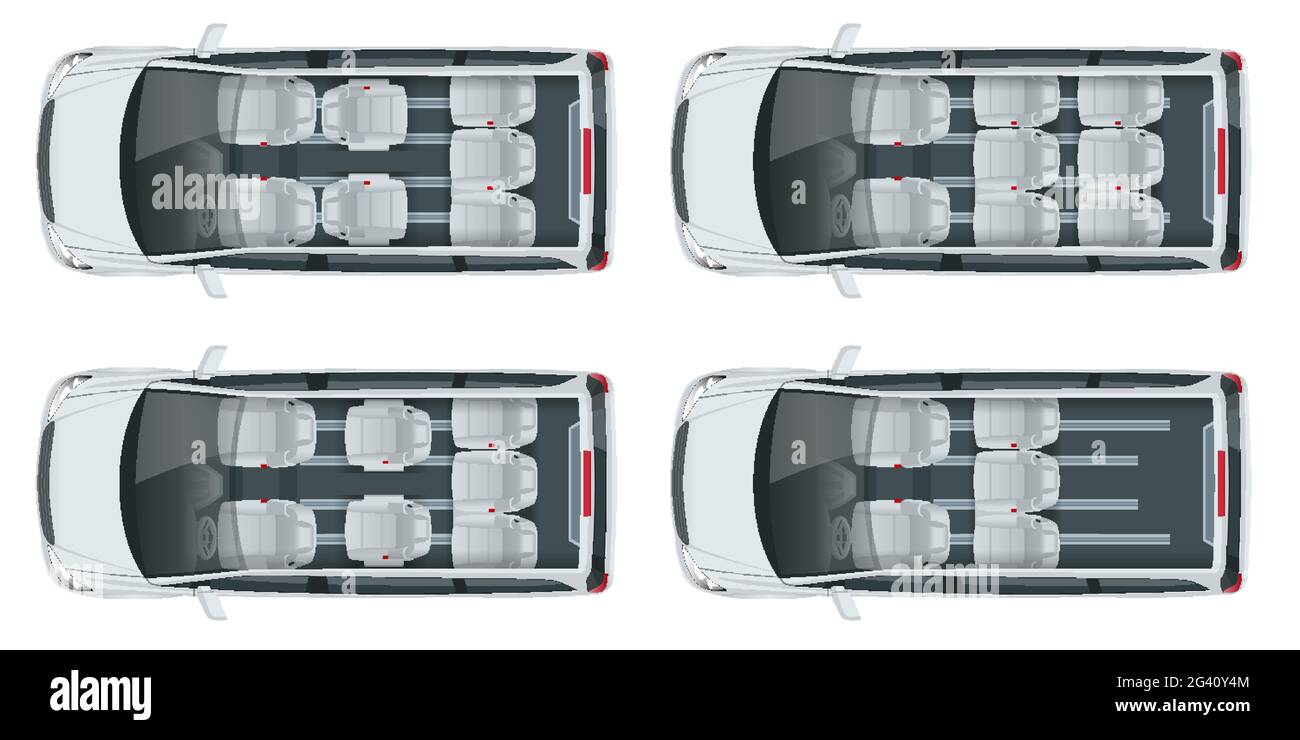
Choosing between a premium SUV and a passenger van is rarely a simple “better‑or‑worse” decision. Each vehicle class solves a different set of problems: SUVs prioritize driving dynamics, upscale finishes, and a commanding road presence, while vans maximize usable interior volume, flexible seating, and cost‑per‑seat efficiency. In 2026 the gap has narrowed — several SUVs now offer three‑row configurations that approach van‑like capacity, and a new wave of hybrid and electric vans delivers SUV‑level refinement. This guide breaks down every factor that matters for real‑world buyers, from cargo geometry to total‑cost‑of‑ownership, so you can match the vehicle to the life you actually lead.

Side‑by‑side view highlighting the contrasting silhouettes of a luxury SUV and a full‑size passenger van.
Quick Comparison Table
| Attribute | Premium SUV (typical 3‑row) | Passenger Van (full‑size) |
|---|---|---|
| Seating capacity | 6‑8 | 8‑15 |
| Cargo behind 3rd row (cu ft) | 15‑20 | 30‑45 |
| Maximum towing (lb) | 5,000‑7,500 | 3,500‑5,000 |
| Typical combined MPG (2026) | 19‑23 (gas) / 28‑34 (hybrid) | 20‑24 (gas) / 30‑38 (hybrid/EV) |
| Starting MSRP (USD) | $55 k‑$95 k | $38 k‑$62 k |
| Standard advanced‑driver‑assist | Yes (most trims) | Yes (most trims) |
Figures are representative ranges for 2026 model‑year vehicles; exact numbers vary by trim and powertrain.
Space, Seating, and Cargo Geometry
A premium SUV’s third row is usually designed for children or short‑trip adults; knee room typically falls in the 30‑32 in range. Passenger vans, by contrast, give 36‑40 in of legroom even in the rearmost bench, and many offer removable or stow‑flat seats that turn the cabin into a flat‑load floor. If you regularly haul bicycles, strollers, or construction gear, the van’s low load floor (often < 24 in from ground) beats the SUV’s higher lift‑over height. For families that need a “garage‑able” footprint, a midsize three‑row SUV (≈ 197 in long) fits standard garages more easily than a 224‑in extended‑length van. You can also read our guide on evaluation of suv.
Comfort, Materials, and Amenities
Luxury SUVs set the benchmark for tactile quality: semi‑aniline leather, open‑pore wood, and active noise cancellation are common on upper trims. Heated/ventilated front seats, multi‑zone climate, and panoramic roofs are standard on many $70 k+ models. Passenger vans have closed the gap — top‑spec trims now offer leather‑wrapped steering wheels, tri‑zone climate, and available rear‑seat entertainment screens. However, the van’s boxier roofline limits headroom for taller occupants in the third row, and the suspension is tuned for load‑carrying stability rather than the plush isolation you feel in a high‑end SUV.
Performance, Handling, and Off‑Road Ability
Most premium SUVs ride on unibody platforms with available all‑wheel drive, adaptive dampers, and torque‑vectoring rear differentials. This translates to confident cornering, respectable off‑road clearance (7‑9 in), and towing capacities that can exceed 7,000 lb. Passenger vans use body‑on‑frame or reinforced unibody architectures optimized for payload; they handle predictably at highway speeds but exhibit more body roll in tight corners. If your weekends include gravel forest roads or snow‑packed mountain passes, the SUV’s traction hardware and ground clearance are decisive advantages.
Fuel Economy and Running Costs
The EPA’s 2026 fuel‑economy database shows that hybrid SUVs (e.g., a 2.5 L four‑cylinder + electric motor) now achieve 28‑34 MPG combined, narrowing the gap with hybrid vans that post 30‑38 MPG. Plug‑in hybrid SUVs can cover 30‑40 mi on electricity alone, which is ideal for daily commutes. Pure‑electric vans — such as the latest Ford E‑Transit and Mercedes‑Benz eSprinter — deliver 0 g/mi tailpipe emissions and lower per‑mile energy cost, but their upfront price remains $10‑15 k higher than comparable gas models. For a 15,000‑mile annual driver, the five‑year fuel‑cost difference between a 22 MPG gas SUV and a 34 MPG hybrid van is roughly $2,200 (based on $3.80/gal national average).
Source: U.S. EPA Fuel Economy Guide — authoritative mileage data for current model years.
Safety Technology and Crash Ratings
Both segments now standardize automatic emergency braking, lane‑keeping assist, blind‑spot monitoring, and rear cross‑traffic alert. Premium SUVs often add adaptive cruise with stop‑and‑go, traffic‑jam assist, and a 360° camera system as standard on mid‑level trims. Vans match many of these features but sometimes reserve the most advanced suites for top trims. In NHTSA’s 2026 crash‑test program, three‑row SUVs frequently earn 5‑star overall ratings, while full‑size vans typically receive 4‑star overall with 5‑star side‑impact scores. Always verify the specific model‑year rating before purchase.
Source: NHTSA Vehicle Safety Ratings — official government crash‑test results.
Technology, Infotainment, and Connectivity
Modern SUVs ship with 12‑15 in central displays, wireless Apple CarPlay/Android Auto, over‑the‑air updates, and optional head‑up displays. Van infotainment has caught up: many now offer dual rear‑seat tablets, built‑in 5G hotspot, and a 10‑in driver‑focused screen. The practical difference lies in user‑interface polish — luxury brands invest heavily in haptic feedback and voice‑natural language processing, which can reduce driver distraction on long trips.
Ownership Costs: Depreciation, Maintenance, Insurance
Historical data shows premium SUVs retain 50‑55 % of MSRP after five years, while full‑size vans depreciate to 40‑45 % over the same period. Maintenance intervals are similar (oil every 7,500‑10,000 mi for gas, 10,000‑15,000 mi for hybrids), but SUV parts — especially adaptive‑suspension components — can be pricier. Insurance premiums for a $75 k SUV average $1,600‑$2,000 annually; a $45 k van typically runs $1,200‑$1,500. Factoring depreciation, fuel, insurance, and scheduled service, a five‑year total‑cost‑of‑ownership model often favors the van for high‑mileage fleets, while the SUV wins for low‑mileage, resale‑focused buyers.
Environmental Impact: Emissions, Hybrid/EV Options
Tailpipe CO₂ correlates directly with fuel burn. A 22 MPG gas SUV emits ~ 4.6 t CO₂/yr (15,000 mi), versus ~ 3.2 t for a 34 MPG hybrid van. Plug‑in hybrids cut that further when charged on a clean grid. Fully electric vans eliminate tailpipe emissions entirely, and several manufacturers now offer battery‑thermal‑management systems that preserve range in sub‑zero temperatures — an important consideration for northern climates. If corporate ESG goals or local low‑emission zones drive your decision, the van’s expanding EV lineup is a compelling lever.
Brand Perception and Resale Value
Brand equity still shapes buyer psychology. A Mercedes‑Benz or BMW badge on an SUV signals status and often commands a premium at trade‑in. Van buyers tend to prioritize reliability reputation — Toyota and Honda consistently top J.D. Power dependability studies — which translates into strong residual values for models like the Sienna or Odyssey. If you plan to sell privately after three years, a well‑maintained luxury SUV can fetch 5‑7 % more than a comparable van, but the absolute dollar gap narrows because the van’s lower purchase price reduces the depreciation base.
Real‑World Use Cases
| Scenario | Recommended Class | Why |
|---|---|---|
| Daily commute + occasional family road trips (2 adults, 2 kids) | Premium SUV (3‑row) | Better driving dynamics, easier parking, upscale cabin |
| Youth sports team transport (8‑10 passengers + equipment) | Passenger van | Flat load floor, sliding doors, low step‑in height |
| Corporate shuttle for executives | Premium SUV (luxury trim) | Quiet cabin, premium materials, brand impression |
| Weekend overlanding with gear + 4‑wheel drive | Premium SUV (off‑road package) | Ground clearance, traction aids, roof‑rack capacity |
| Urban rideshare / airport runs (high mileage) | Hybrid/EV van | Lowest per‑mile cost, spacious interior, sliding doors |
How to Decide: Test Drives, Reviews, and a Decision Checklist
- Schedule back‑to‑back test drives — spend at least 30 minutes in each vehicle on highways, city streets, and a rough‑road segment if possible.
- Bring your real cargo — load a stroller, sports bags, or a folded wheelchair to gauge actual fit.
- Compare the infotainment workflow — pair your phone, test voice commands, and evaluate rear‑screen usability.
- Request a full cost‑of‑ownership quote from the dealer (depreciation, fuel, insurance, maintenance).
- Read long‑term owner forums — look for recurring issues (e.g., transmission shudder, HVAC actuator failures).
- Check the latest crash‑test scores on NHTSA and IIHS for the exact model year you’re buying.
Pro tip: If you’re still torn, rent each candidate for a weekend through a peer‑to‑peer platform; a 48‑hour real‑world trial often reveals nuances a showroom drive cannot.
Frequently Asked Questions
What are the primary benefits of a premium SUV?
Premium SUVs deliver a blend of refined on‑road manners, upscale interior appointments, and available all‑wheel‑drive systems that handle light off‑road trails. They also tend to hold resale value better than most vans.
How does a passenger van compare to an SUV for large groups?
Vans excel at moving 8‑15 people with generous legroom, low step‑in height, and configurable seating that can be removed for maximum cargo volume. SUVs max out at 8 seats and typically have a higher load floor.
Which is more fuel‑efficient: SUV or passenger van?
In 2026, hybrid and electric vans generally achieve higher combined MPG/MPGe than comparable gas SUVs, though plug‑in hybrid SUVs can match or beat a gas van on short daily commutes when charged regularly.
Are premium SUVs worth the higher price tag?
If you value driving engagement, brand prestige, and a quieter cabin, the premium is often justified. For pure people‑moving efficiency, a well‑equipped van delivers more utility per dollar.
What hybrid or electric options exist in each segment?
Major SUV lines (Toyota Highlander Hybrid, Lexus TX 500h, BMW X5 xDrive50e) and van lines (Ford E‑Transit, Mercedes‑Benz eSprinter, Chrysler Pacifica Hybrid) all offer electrified powertrains for 2026.
How do maintenance costs differ?
SUVs with adaptive suspension or air‑spring systems can incur higher repair bills after 80‑100 k miles. Vans use simpler leaf‑spring or coil‑spring rear setups that are cheaper to service.
Conclusion
The choice between a premium SUV and a passenger van ultimately hinges on what you ask your vehicle to do every day. If you crave a spirited drive, cutting‑edge cabin tech, and a badge that signals arrival, a luxury three‑row SUV fits the brief. If your priority is moving the maximum number of people and gear at the lowest per‑mile cost — especially with the new generation of hybrid and electric vans — the van is the rational pick. Weigh the checklist above, drive both, and let your actual usage pattern make the final call.
Ready to explore current models? Browse our latest SUV reviews for side‑by‑side specs and pricing.
Related Reading
Understanding the broader context can sharpen your decision. Our guide on what defines an SUV covers the classification nuances that separate crossovers from body‑on‑frame rigs. For a look at how the segment evolved, the history of the SUV traces key milestones from military roots to today's luxury haulers. If brand positioning matters, the breakdown of Toyota's premium strategy explains how mainstream makers target upscale buyers. Shoppers tracking market cycles will find value in our analysis of whether car prices are dropping and the 2024-specific outlook. Finally, the main blog hub collects every comparison, review, and buying guide in one place.