
Choosing between a Premium Elite SUV and a Standard Elite SUV means weighing luxury, technology, and long‑term value against a tighter budget. Both segments deliver spacious cabins, advanced safety, and capable all‑wheel drive, but the premium tier pushes materials, powertrain output, and bespoke features to a level that changes the everyday driving experience. This guide breaks down every critical difference — design, performance, ownership costs, sustainability, and real‑world feel — so you can match the right vehicle to your lifestyle and budget.
Defining the Segments
Premium Elite SUVs sit at the top of a brand’s lineup. Think Mercedes‑Benz GLE, BMW X7, Range Rover, or the Genesis GV90. They feature hand‑stitched leather, massaging seats, 20‑plus‑speaker audio, and powertrains that start around 350 hp. Pricing typically begins above $80,000 and can exceed $130,000 with options. You can also read our guide on luxury suv comparisons.
Standard Elite SUVs occupy the next rung down — models such as the Ford Explorer Platinum, Toyota Highlander Limited, or Honda Pilot Touring. They still offer leather‑trimmed seats, a 12‑inch touchscreen, and a full suite of driver‑assist tech, but the materials are more synthetic, the engine output usually stays in the 260‑300 hp range, and MSRP starts in the mid‑$40,000s.
Understanding these baseline definitions helps you set realistic expectations before you even step onto a dealer lot. For a broader primer on SUV categories, see our guide on understanding SUV basics.
Historical Context
The elite SUV segment did not appear overnight. Early 1990s models like the Lexus LX and the original BMW X5 proved that a body‑on‑frame truck could wear a luxury badge. By the 2000s, manufacturers added adaptive air suspension, panoramic roofs, and early infotainment systems. The 2010s brought plug‑in hybrids and the first mass‑market electric SUVs, reshaping buyer expectations for efficiency. Today, 2026 models blend electrified powertrains with Level 2+ autonomy, making the premium/standard split more about software calibration and interior curation than hardware alone. For a deeper timeline, explore the SUV evolution timeline.
Key Players in 2026
| Tier | Brand | Flagship Model (2026) | Notable Edge |
|---|---|---|---|
| Premium | Mercedes‑Benz | GLE 580 e | 48‑volt mild‑hybrid + EQ Boost |
| Premium | BMW | X7 M60i | 4.4 L V8 with 523 hp |
| Premium | Range Rover | P530 | Adaptive Dynamics + Terrain Response 2 |
| Premium | Genesis | GV90 | 800 V architecture, 300‑mile EV range |
| Standard | Ford | Explorer Platinum | 3.0 L EcoBoost, 400 hp |
| Standard | Toyota | Highlander Limited | 2.5 L Hybrid, 243 hp combined |
| Standard | Honda | Pilot Touring | 3.5 L V6, 285 hp, 9‑speed auto |
Emerging contenders such as Lucid Gravity and VinFast VF9 are also entering the premium space, while brands like Mazda (CX‑90) and Kia (EV9) blur the line with near‑premium appointments at standard pricing.
Design Philosophy & Aesthetics
Exterior Styling
Premium models favor sculpted surfaces, laser‑etched lighting signatures, and exclusive paint palettes (e.g., Mercedes designo Manufaktur). Standard elites adopt cleaner, more utilitarian lines — larger greenhouse, roof rails standard, and fewer chrome accents. The visual weight of a premium SUV often signals status before the door opens.
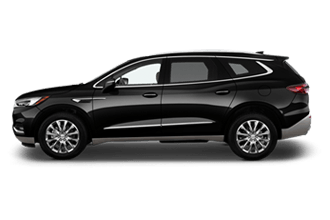
 Audi A3 (left) and Cadillac XT4 (right) illustrate premium vs standard styling.
Interior Design & Comfort
Step inside a premium cabin and you’ll find open‑pore wood, semi‑aniline leather, and ambient lighting that reacts to drive mode. Seats often offer 22‑way adjustment, heating, ventilation, and massage. Standard elites use high‑grade synthetic leather, fewer adjustment motors, and a single‑zone ambient palette. Both provide three‑row seating, but premium third rows are usually adult‑friendly with dedicated climate zones.
Performance & Engineering
Powertrain & Handling
| Spec | Premium Elite (typical) | Standard Elite (typical) |
|---|---|---|
| Engine | 3.0 L turbo‑I6 + 48 V mild‑hybrid (≈ 400 hp) | 2.5 L turbo‑4 or 3.5 L V6 (≈ 280‑300 hp) |
| Transmission | 9‑speed auto or 2‑speed EV reduction | 8‑9‑speed auto |
| 0‑60 mph | 4.5‑5.5 s | 6.5‑7.5 s |
| Towing | 7,700‑8,500 lb | 5,000‑5,500 lb |
| Air Suspension | Standard (adaptive) | Optional (often passive) |
Premium SUVs deliver smoother power delivery, quicker throttle response, and a composed ride on broken pavement thanks to adaptive dampers. Standard elites are competent daily drivers but exhibit more body roll in corners and a firmer low‑speed ride.
Technology Innovations
Premium trims debut features first: augmented‑reality head‑up display, over‑the‑air (OTA) updates for chassis dynamics, and Level 2+ hands‑free highway assist. Standard models receive these via later OTA rolls or as optional packages. In practice, the premium’s sensor suite (lidar + high‑res radar) enables tighter lane centering in construction zones.
Luxury Features & Customization
Bespoke Amenities
- Premium: Individual seat memory, fragrance ionizer, rear‑seat entertainment with 12‑inch screens, crystal‑cut controls.
- Standard: Dual‑zone climate, heated front seats, optional rear‑seat USB‑C ports.
Customization programs (Mercedes‑Manufaktur, BMW Individual, Genesis Personalization) let buyers specify stitching, veneer, and even exterior badging — options unavailable on standard trims.
Infotainment & Connectivity
| Feature | Premium Elite | Standard Elite |
|---|---|---|
| Screen size | 14‑17 in curved OLED | 12‑in LCD |
| OS | MBUX 2.0 / iDrive 9 / Genesis ccIC | Ford SYNC 4 / Toyota Audio Multimedia |
| Voice AI | Natural‑language, multi‑command | Basic command set |
| Audio | 20‑30 speakers (Burmester, Bowers & Wilkins) | 10‑12 speakers (B&O, JBL) |
| 5G hotspot | Standard | Optional |
The premium system’s faster SoC enables split‑screen multitasking without lag — a noticeable difference when navigating and streaming simultaneously.
Safety & Reliability
Advanced Driver‑Assist Systems (ADAS)
Premium SUVs ship with sensor‑fusion suites that include front‑corner radar, long‑range lidar, and 360° cameras. This supports features such as:
- Active Lane Change Assist (hands‑free on approved highways)
- Evasive Steering Assist at speeds up to 80 mph
- Intersection Turn Assist with cross‑traffic braking
Standard elites typically offer adaptive cruise, lane‑keep, and automatic emergency braking but lack lidar and the higher‑speed hands‑free capability. For official crash‑test data, consult the NHTSA safety ratings.
Long‑Term Dependability
Premium brands back their flagships with 4‑year/50,000‑mile basic warranties plus 6‑year/70,000‑mile powertrain coverage; many extend complimentary maintenance for the first 3 years. Standard models usually provide 3‑year/36,000‑mile basic and 5‑year/60,000‑mile powertrain. In practice, premium SUVs see fewer warranty claims per 1,000 miles, but repair costs per incident are higher due to specialized parts.
Ownership Costs Breakdown
| Cost Category | Premium Elite (5 yr) | Standard Elite (5 yr) |
|---|---|---|
| Depreciation | 45‑50 % | 40‑45 % |
| Fuel (avg 15 k mi/yr) | $12,500‑$14,000 | $10,500‑$11,500 |
| Insurance (annual) | $2,200‑$2,800 | $1,600‑$2,000 |
| Maintenance & Repairs | $4,500‑$6,000 | $3,000‑$4,000 |
| Total 5‑yr Cost | $55,000‑$62,000 | $38,000‑$44,000 |
Premium models hold resale value better, especially limited‑edition trims. However, the higher upfront capital and financing rates widen the total‑cost gap. If you plan to keep the vehicle beyond six years, the premium’s slower depreciation can narrow the difference. For current market trends, see our analysis of 2024 price trends.
Environmental Impact & Sustainability
Fuel Efficiency & Emissions (2026 EPA estimates)
| Model Type | Combined MPG (gas) | MPGe (PHEV/EV) | CO₂ (g/mi) |
|---|---|---|---|
| Premium PHEV | 28 mpg / 55 MPGe | 30 mi EV range | 180 |
| Premium EV | — | 3.2 mi/kWh (≈ 95 MPGe) | 0 (tailpipe) |
| Standard Hybrid | 30 mpg | — | 190 |
| Standard Gas | 22 mpg | — | 260 |
Manufacturers are expanding carbon‑neutral factories, using recycled aluminum, and offering battery‑recycling take‑back programs. The EPA fuel economy guide provides up‑to‑date numbers for every trim.
Eco‑Initiatives
- Mercedes: “Ambition 2039” carbon‑neutral production.
- BMW: 30 % recycled content in interior plastics.
- Ford: Closed‑loop aluminum stamping for Explorer.
- Toyota: Solar‑assisted charging at dealerships.
Choosing a plug‑in hybrid or full EV in either tier dramatically lowers lifecycle emissions, especially when charged on a clean grid.
Real‑World Driving Experience
Road Presence & Comfort
Premium SUVs project authority: wider tracks, lower rooflines, and active sound‑cancellation create a serene cabin at 80 mph. Standard elites feel more upright, with slightly more wind noise but better outward visibility — a practical advantage in tight parking garages.
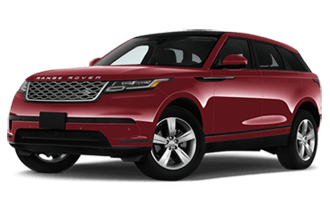 Range Rover Velar showcases premium elite design cues.
Off‑Road Capability
Both tiers offer selectable terrain modes, but premium models add:
- Electronic locking differentials (front & rear)
- Height‑adjustable air suspension (± 4 in)
- Underbody camera view with obstacle detection
Standard elites usually rely on a single‑speed transfer case and fixed ride height, sufficient for gravel roads and light snow but not rock crawling.
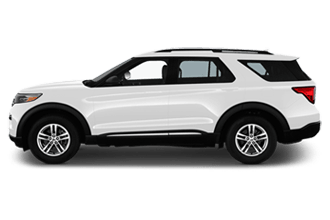 Ford Explorer XLT represents a standard elite SUV.
Buying Decision Framework
Use this checklist before you sign:
- Budget ceiling – Include taxes, fees, and a 10 % buffer for options.
- Primary use – Daily commute, family hauling, towing, or off‑road?
- Must‑have tech – Hands‑free highway, rear‑seat entertainment, OTA updates.
- Ownership horizon – ≤ 4 years favors standard; ≥ 6 years favors premium resale.
- Fuel preference – Gas, hybrid, PHEV, or EV?
- Dealer experience – Premium brands often provide dedicated concierge service.
Pro tip: Test‑drive both tiers back‑to‑back on the same route. Pay attention to seat bolstering, NVH at 70 mph, and infotainment responsiveness.
Ready to experience the difference? Schedule a test drive at your local dealer today.
Frequently Asked Questions
What defines a Premium Elite SUV versus a Standard Elite SUV?
Premium Elite SUVs feature higher‑output powertrains, handcrafted interior materials, exclusive technology suites, and pricing typically above $80 k. Standard Elite SUVs deliver comparable space and safety with fewer bespoke touches and a lower entry price.
Are Premium Elite SUVs worth the extra cost?
If you value cutting‑edge ADAS, superior ride isolation, and stronger resale, the premium tier often justifies the delta. For pure utility and lower total cost of ownership, a well‑equipped Standard Elite covers 90 % of needs.
Which segment offers better fuel economy in 2026?
Plug‑in hybrid and EV variants exist in both tiers. Premium PHEVs tend to have larger batteries (30‑plus mi EV range) while standard hybrids prioritize MPG over electric range. Compare specific models via the EPA guide.
How do maintenance costs differ?
Premium SUVs require synthetic oils, specialized brake pads, and often dealer‑only diagnostics, raising per‑visit cost. Standard models use more common parts and can be serviced at independent shops after warranty.
Can a Standard Elite SUV tow as much as a Premium?
Generally not. Premium models engineer frame reinforcements and cooling for 7,500‑8,500 lb towing; standard elites top out around 5,000‑5,500 lb.
Conclusion
The choice between a Premium Elite SUV and a Standard Elite SUV ultimately reflects how you weigh daily luxury against long‑term value. Premium models deliver an unmistakable sense of occasion — hand‑stitched leather, whisper‑quiet cabins, and technology that feels a generation ahead. Standard elites provide remarkable competence, spaciousness, and safety at a price that leaves room for other priorities. Assess your budget, driving habits, and ownership timeline honestly, then test‑drive the top contenders in each tier. The right SUV is the one that makes every journey — commute, road‑trip, or trail — feel effortless.
Next step: Compare current lease and finance offers for your shortlisted models and book a side‑by‑side test drive.
Related Guides & Deeper Dives
For readers who want to explore specific models or ownership topics further, these resources complement the comparison above:
- Brand-specific premium packages — the Mercedes C300 premium package breakdown shows how a single trim level structures luxury features, a useful reference when evaluating any premium SUV’s option list.
- Fuel requirements across the lineup — understanding which Mercedes models require premium fuel helps you budget operating costs for German premium SUVs.
- Toyota’s take on premium — the Toyota premium brand overview explains how a mainstream manufacturer defines “premium” in models like the Highlander Limited and Grand Highlander.
- Real-world ownership costs — our analysis of current car price trends puts depreciation and market timing in perspective for both premium and standard elite segments.
- Model-level deep dives — detailed reviews such as the 2025 RAV4 XLE Premium and 2024 4Runner SR5 Premium illustrate where the standard elite tier pushes into premium territory.
- Reliability context — the Maserati Ghibli reliability study offers a cautionary case study on long-term ownership of ultra-premium vehicles.
Bookmark these pages for your next research session — they’ll sharpen your negotiation position and clarify which features actually move the needle for your daily drive.