
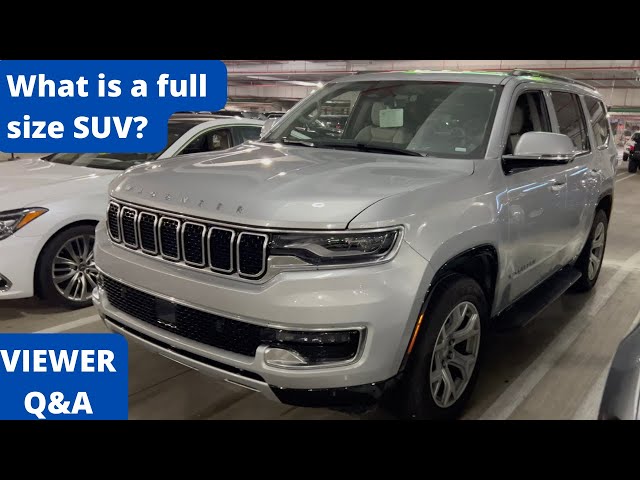
Choosing between a standard SUV and a premium SUV can be challenging. Both options offer unique features and benefits.
Standard SUVs typically provide practicality and affordability. They are great for everyday use and family trips. On the other hand, premium SUVs focus on luxury and advanced technology. These vehicles often come with superior comfort and performance. Understanding the differences between these two types of SUVs helps you make an informed decision.
A standard SUV may suit those seeking functionality without extra costs. A premium SUV appeals to those who want a refined driving experience. Knowing what each offers can guide you to the right choice for your needs and lifestyle.

Introduction To Suv Categories
SUVs are popular vehicles for many drivers. They come in different categories. Two main types are Standard SUVs and Premium SUVs. Each type has unique features and benefits.
Standard Suv Features
Standard SUVs are practical and versatile. They are great for families and everyday use. Here are some key features:
- Spacious interiors for passengers and cargo.
- Affordable pricing for budget-conscious buyers.
- Fuel efficiency suitable for city and highway driving.
- Basic technology like Bluetooth and rear cameras.
- All-wheel drive for better traction in bad weather.
Standard SUVs often focus on functionality. They provide enough comfort and utility for daily life.
Premium Suv Attributes
Premium SUVs offer luxury and advanced features. They are designed for comfort and style. Here are some main attributes:
- High-quality materials for a luxurious feel.
- Advanced technology like navigation and premium sound systems.
- Enhanced performance with powerful engines.
- Superior safety features including advanced driver assistance.
- Stylish designs that stand out on the road.
Premium SUVs provide a more enjoyable driving experience. They blend luxury with performance.
Price Comparison
Understanding the price difference between a standard SUV and a premium SUV is crucial. Both types of vehicles offer unique features and benefits. However, their costs vary significantly. This section will explore the initial cost outlay and long-term value retention of each type.
Initial Cost Outlay
The initial cost is the first factor to consider. Standard SUVs are typically more affordable than premium SUVs. Here’s a quick comparison:
| Type of SUV | Average Price Range |
|---|---|
| Standard SUV | $25,000 – $40,000 |
| Premium SUV | $50,000 – $100,000+ |
Standard SUVs offer good features at a lower cost. Premium SUVs have luxury features. They come with advanced technology and better materials. This difference reflects in their price.
Long-term Value Retention
Long-term value retention refers to how well a vehicle holds its price over time. Standard SUVs generally depreciate faster than premium SUVs. Here are some key points:
- Standard SUVs depreciate by about 50% after five years.
- Premium SUVs may retain about 60% of their value after five years.
Several factors influence value retention:
- Brand reputation
- Market demand
- Vehicle condition
Investing in a premium SUV can offer better long-term value. Even with a higher initial cost, they tend to hold value better.
Performance Metrics
Performance metrics are key when comparing Standard SUVs and Premium SUVs. These metrics show how well each type of SUV performs in areas like engine power, efficiency, and handling. Understanding these factors helps you choose the right SUV for your needs. For a deeper look at luxury SUV performance, see our luxury SUV comparisons.
Engine Power And Efficiency
Engine power and efficiency greatly affect driving experience. Here’s how Standard and Premium SUVs compare:
| Type | Engine Power (HP) | Fuel Efficiency (MPG) |
|---|---|---|
| Standard SUV | 150 – 250 HP | 20 – 30 MPG |
| Premium SUV | 250 – 400 HP | 15 – 25 MPG |
Standard SUVs usually offer better fuel efficiency. They focus on practicality. Premium SUVs provide higher engine power. They focus on performance and luxury.
Handling And Drive Experience
Handling and drive experience are crucial for comfort and control. Here’s how they differ:
- Standard SUVs:
- Good for everyday driving.
- Stable on highways and city roads.
- Less responsive in sharp turns.
- Premium SUVs:
- Designed for a smooth ride.
- Excellent handling and responsiveness.
- Great for off-road and challenging terrain.
Standard SUVs focus on reliability. They suit families and everyday use. Premium SUVs provide a dynamic drive. They appeal to those seeking a luxurious experience.
Interior Amenities
Choosing between a standard SUV and a premium SUV often depends on the interior amenities. These features greatly affect comfort and enjoyment. Let’s explore the differences in comfort levels and technological enhancements.
Comfort Levels
Comfort is key for any SUV. Standard SUVs offer basic comfort features, while premium SUVs take it further.
- Standard SUVs:
- Cloth seats.
- Manual seat adjustments.
- Basic air conditioning.
- Premium SUVs:
- Leather upholstery.
- Power-adjustable and heated seats.
- Advanced climate control.
Premium SUVs provide extra features for a more enjoyable ride. They often include:
- Spacious seating.
- Quiet cabins with sound insulation.
- Upgraded materials throughout.
Technological Enhancements
Technology plays a big role in modern SUVs. Standard and premium models differ significantly.
| Feature | Standard SUV | Premium SUV |
|---|---|---|
| Infotainment System | Basic display with Bluetooth | Large touchscreen with navigation |
| Audio System | Standard speakers | High-end audio system |
| Driver Assistance | Basic safety features | Advanced driver assistance systems |
Premium SUVs often feature:
- Smartphone integration.
- Multiple USB ports.
- Luxury sound systems.
These enhancements make a significant difference in the driving experience. The choice between standard and premium SUVs often comes down to how much comfort and technology you desire.
Exterior Design And Aesthetics
The exterior design of an SUV plays a big role in its appeal. It affects how people see the vehicle. Standard SUVs and premium SUVs have different looks. This difference can influence your choice. Let’s explore the aspects of visual appeal and material quality.
Visual Appeal
Visual appeal matters a lot for SUVs. It sets the first impression. Here are some key points:
- Standard SUVs: Often have a simple, functional design.
- Premium SUVs: Feature sleek lines and bold styling.
- Standard models focus on utility.
- Premium models emphasize luxury and elegance.
Standard SUVs aim to be practical. They are designed for everyday use. Premium SUVs attract attention with unique shapes and finishes. This makes them stand out on the road.
Material Quality
Material quality defines the look and feel of an SUV. It impacts durability and luxury. Here’s how standard and premium SUVs differ:
| Feature | Standard SUV | Premium SUV |
|---|---|---|
| Body Material | Steel or basic aluminum | High-grade aluminum or carbon fiber |
| Paint Finish | Standard paint options | Metallic or special paint finishes |
| Trim and Accents | Plastic or basic materials | Wood, leather, or chrome accents |
Standard SUVs use basic materials. They are built to last but lack flair. Premium SUVs use advanced materials. This gives them a high-end look. You can feel the difference when you touch the surfaces.
Safety And Security Features
Safety is a top priority for many car buyers. Standard SUVs and premium SUVs offer various safety features. Understanding these features helps you make an informed choice.
Standard SUVs often have essential safety systems. Premium SUVs, however, provide advanced technologies. These enhancements can improve your peace of mind on the road.
Advanced Safety Systems
Standard SUVs usually include basic safety features. Features like airbags, anti-lock brakes, and stability control are common. These systems help protect passengers in case of an accident.
Premium SUVs go a step further. Many have advanced driver-assistance systems. Features like adaptive cruise control, lane-keeping assist, and blind-spot monitoring are typical. These systems actively help drivers avoid accidents.
Some premium models even offer automated emergency braking. This feature can detect potential collisions and apply brakes automatically. Such systems can be crucial in preventing serious accidents.
Ratings And Reviews
Safety ratings matter. Organizations like the National Highway Traffic Safety Administration (NHTSA) and the Insurance Institute for Highway Safety (IIHS) provide ratings. These ratings help buyers compare vehicles easily.
Standard SUVs often receive decent safety ratings. Premium SUVs typically score higher due to advanced features. Reviews from current owners also provide insight into real-world safety performance.
Check online reviews and safety scores before buying. They offer valuable information about how vehicles perform in crash tests. Knowledge of these ratings helps you choose the safest option for your needs.
Brand Value And Prestige
Brand value and prestige play a key role in choosing an SUV. The brand of a vehicle often affects its perceived quality and status. Consumers may prefer premium SUVs for their strong brand image. Standard SUVs also have value, but they may lack the same prestige.
Brand Perception
Brand perception influences how consumers view different SUVs. Some brands are known for luxury, while others focus on practicality. Here’s a quick overview:
| Brand Type | Example Brands | Brand Image |
|---|---|---|
| Standard SUV | Toyota, Honda, Ford | Reliability, affordability, practicality |
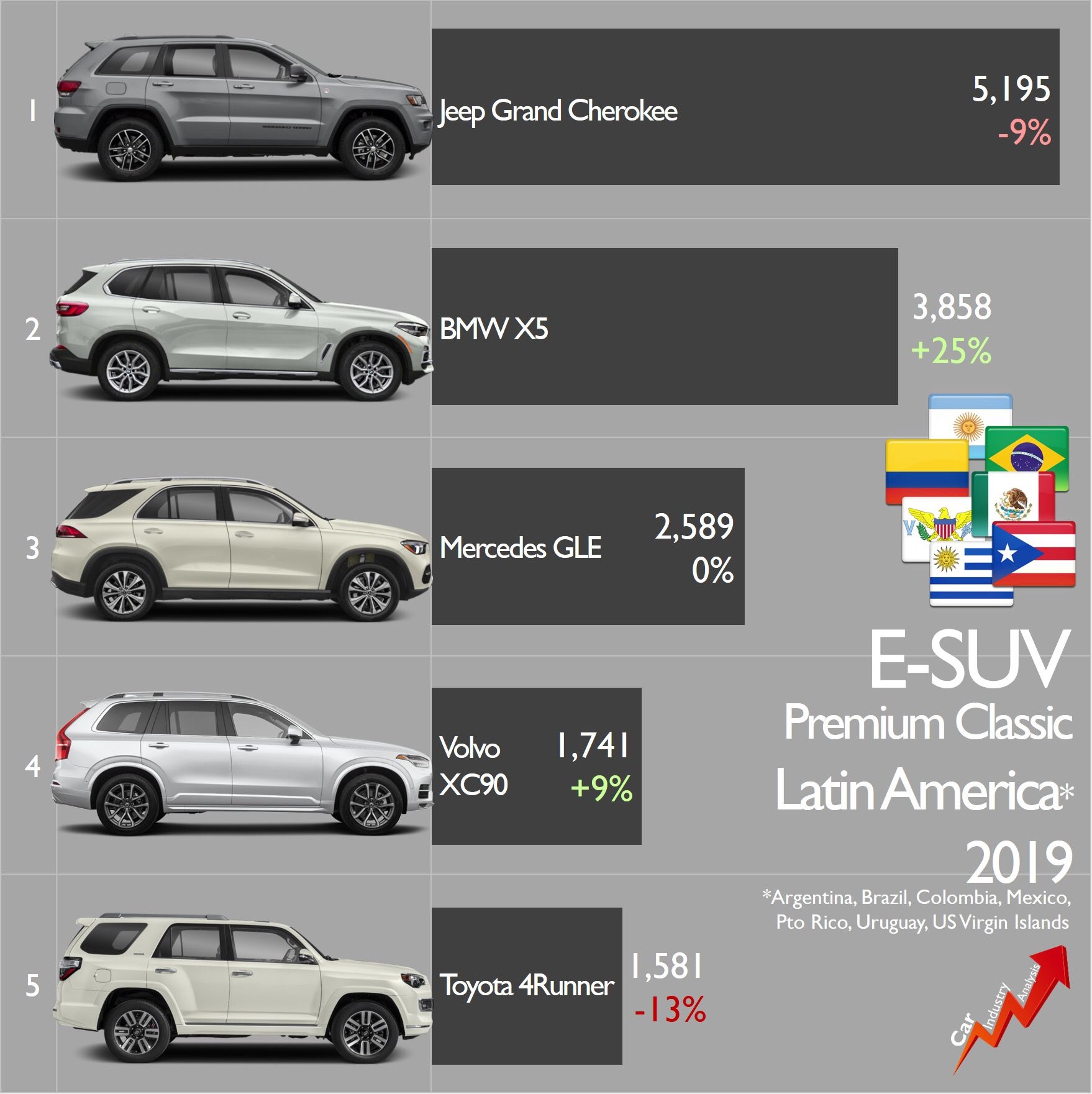
| Premium SUV | BMW, Mercedes-Benz, Audi | Luxury, performance, exclusivity |
Standard SUVs are often viewed as dependable choices. They serve families and individuals well. Premium SUVs, however, are seen as symbols of success. They attract attention and admiration.
Status Symbol Considerations
Many buyers consider SUVs as status symbols. Premium SUVs often signify wealth and success. This status can impact social interactions.
- Social Perception: Driving a premium SUV can enhance social standing.
- Resale Value: Premium SUVs often hold their value better.
- Luxury Features: Premium SUVs offer advanced technology and comfort.
Standard SUVs provide value in different ways. They are practical and cost-effective. Buyers may choose them for family needs or budget concerns.
Both types of SUVs hold appeal. Personal preference often drives the choice between standard and premium. Understanding brand value helps consumers make informed decisions.
Cost Of Ownership
The cost of ownership is an important factor for car buyers. It goes beyond the purchase price. It includes maintenance, insurance, fuel, and depreciation. Understanding these costs helps in making a smart choice.