
Choosing between a premium car and an intermediate SUV from Enterprise comes down to matching the vehicle to your specific trip demands. Premium models deliver refined driving dynamics, upscale materials, and advanced tech, while intermediate SUVs prioritize passenger room, cargo flexibility, and all-weather confidence. This guide breaks down the real-world differences across performance, cost, safety, and comfort so you can reserve the right vehicle for your next rental.
 Enterprise fleet vehicles shown side by side in a tropical setting.
Understanding Enterprise’s Vehicle Classes
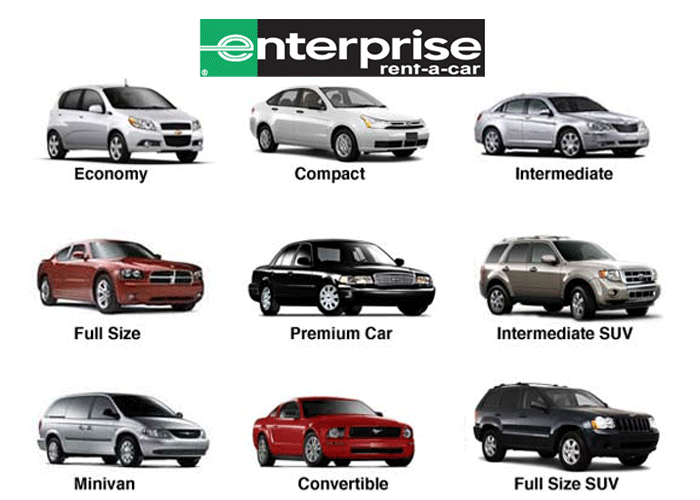
Enterprise groups its fleet by size, features, and intended use. The premium car tier typically includes midsize luxury sedans such as the Mercedes‑Benz C‑Class, BMW 3 Series, or Audi A4. These models emphasize low, composed ride height, quiet cabins, and driver‑focused ergonomics. The intermediate SUV tier covers compact crossovers like the Toyota RAV4, Honda CR‑V, or Ford Escape — vehicles built on car platforms but with raised ground clearance, available all‑wheel drive, and boxier rooflines that maximize interior volume. Knowing these definitions helps you filter options before you even reach the counter. You can also read our guide on invention of suv.
Premium Car Experience: Features, Brands, and Target Audience
Premium cars are engineered for drivers who value precision and polish. Interiors feature leather‑wrapped surfaces, open‑pore wood or brushed‑metal trim, and multi‑contour seats with heating, ventilation, and memory functions. Infotainment systems run on large, high‑resolution displays with natural‑voice navigation, wireless smartphone mirroring, and premium audio (often 12‑speaker Burmester, Harman Kardon, or Bang & Olufsen setups). Safety suites include adaptive cruise control with stop‑and‑go, active lane‑change assist, and 360‑degree cameras.
Typical renters are business travelers attending back‑to‑back meetings, couples on weekend getaways who prefer a engaging drive, or anyone who wants a quiet cabin for long highway stretches. In practice, the trunk holds about 12–13 cubic feet — enough for two carry‑ons and a garment bag, but not for bulky sports gear. For a deeper look at what defines a premium sedan, see how Mercedes structures its premium package features. You can also read our guide on toyota highlander hybrid suv.
Intermediate SUV Breakdown: Space, Capability, and Versatility
Intermediate SUVs trade some on‑road sharpness for everyday utility. The upright greenhouse adds 2–3 inches of headroom front and rear, and the rear seat usually slides and reclines, letting you prioritize legroom or cargo volume on the fly. With the seats up, expect 30–35 cubic feet behind the second row; folded flat, that expands to 65–75 cubic feet — enough for a stroller, two large suitcases, and a cooler. Most models offer all‑wheel drive as an option, which Enterprise often includes in its “Intermediate SUV AWD” sub‑category for ski trips or wet climates.
Families with young children, outdoor enthusiasts hauling bikes or camping gear, and travelers facing unpredictable weather gravitate toward this class. The higher hip‑point makes loading kids into car seats easier, and the wide tailgate opening simplifies bulky items. If you’re curious about how the segment evolved, the history of SUVs traces the shift from body‑on‑frame trucks to today’s car‑based crossovers. You can also read our guide on luxury suv comparisons.
 Typical intermediate SUV models in Enterprise’s midsize luxury SUV category.
Performance Comparison: Power, Handling, and Efficiency
| Metric | Premium Car (e.g., BMW 330i) | Intermediate SUV (e.g., Toyota RAV4 AWD) |
|---|---|---|
| Engine | 2.0 L turbo‑4, 255 hp | 2.5 L 4‑cyl, 203 hp (hybrid: 219 hp combined) |
| 0‑60 mph | ~5.6 s | ~8.0 s (hybrid ~7.5 s) |
| EPA Combined MPG | 28–30 | 28–30 (hybrid 38–40) |
| Turning Circle | 36–38 ft | 37–39 ft |
| Ground Clearance | 4.5–5.0 in | 7.5–8.5 in |
Premium cars deliver quicker acceleration, sharper steering response, and lower body roll — advantages on sweeping interstates or mountain switchbacks. Intermediate SUVs, especially hybrid variants, match or beat premium sedans in fuel economy while offering better traction on gravel, snow, or flooded streets. A common mistake is assuming the SUV’s taller stance hurts stability; modern crossovers use stiffened subframes and electronic stability tuning that keep them composed in emergency maneuvers.
Interior Comfort, Technology, and Cargo Space
Both classes now offer dual‑zone climate, keyless entry, and smartphone integration as standard. The premium car pulls ahead with:
- Acoustic laminated glass on front windows (reduces wind noise by 3–4 dB)
- Gesture‑controlled infotainment or head‑up display
- Massaging front seats on select trims
The intermediate SUV counters with:
- Rear seat reminder alert and built‑in sunshades (common on Toyota and Honda)
- Hands‑free power liftgate with programmable height
- Roof‑rail mounting points for kayaks, cargo boxes, or bikes
For a real‑world example of how a top‑selling crossover balances tech and space, check the Toyota RAV4 XLE Premium review.
Cost of Ownership: Rental Rates, Fuel, and Depreciation
Enterprise’s daily rates typically run $15–$30 higher for premium cars versus intermediate SUVs, though promotional codes often narrow the gap. Fuel cost over a 500‑mile trip favors the SUV hybrid (≈$45) over the premium turbo sedan (≈$60) at 2026 national average prices. Depreciation isn’t a direct renter concern, but it influences fleet turnover — premium sedans cycle out faster, meaning you’re more likely to get a 2024–2025 model year, while SUVs may include 2023 units with higher mileage. For broader market context, current vehicle pricing trends affect both purchase and rental economics.
Safety Systems and Crash‑Test Ratings
Both segments earn top marks from the Insurance Institute for Highway Safety (IIHS) and the National Highway Traffic Safety Administration (NHTSA). Premium cars often include more advanced driver‑assistance features as standard — such as evasive steering assist and intersection turning assist. Intermediate SUVs have closed the gap; the 2025 RAV4 and CR‑V now bundle adaptive cruise, lane‑centering, and automatic high beams across all trims. Before booking, you can verify specific model ratings on the NHTSA website or the IIHS portal.
Brand Prestige vs. Practical Image
Arriving in a German luxury sedan signals a different message than pulling up in a Japanese crossover. Premium brands cultivate an aura of performance heritage and exclusive service — factors that matter for client‑facing trips. Intermediate SUVs project capability, family readiness, and sensible value. Neither is inherently superior; the choice reflects the impression you want to make. Toyota’s own premium brand positioning illustrates how mainstream makers now blur the line with upscale trims.
How to Choose Based on Your Trip Needs
Use this quick decision matrix:
| Scenario | Recommended Class | Why |
|---|---|---|
| Solo business travel, 300+ highway miles | Premium car | Lower fatigue, better fuel economy on steady speeds |
| Family of four + luggage + beach gear | Intermediate SUV | Cargo volume, easy child‑seat access, available AWD |
| Winter mountain drive, possible chains required | Intermediate SUV AWD | Ground clearance, traction, roof‑rail option |
| Two couples, city hopping with tight parking | Premium car | Smaller footprint, tighter turning circle, park‑assist |
| Photo gear + tripod + hiking boots | Intermediate SUV | Flat load floor, tie‑down points, roof‑rack ready |
Future Trends in Rental Fleet Composition
Enterprise and its peers are accelerating electrification. By late 2026, expect premium EV sedans (BMW i4, Mercedes EQE) and compact electric SUVs (Hyundai Ioniq 5, Kia EV6) to appear in both tiers. Subscription‑style rental programs let you swap between a sedan and an SUV mid‑trip for a flat monthly fee. Autonomous‑ready sensor suites (lidar, high‑def mapping) are arriving on flagship premium models first, but will trickle down to SUVs within two fleet cycles.
Frequently Asked Questions
What is the main difference between a premium car and an intermediate SUV at Enterprise?
Premium cars are low‑slung luxury sedans focused on driving dynamics and cabin refinement. Intermediate SUVs are taller crossovers that prioritize interior flexibility, cargo capacity, and optional all‑wheel drive.
Which is better for a family vacation with luggage?
An intermediate SUV. The rear seat folds flat, the liftgate opens wide, and you gain 2–3 extra inches of headroom for kids in booster seats.
Do premium cars cost significantly more to rent?
Typically $15–$30 per day more, but weekly discounts and loyalty tiers often reduce the gap to under $10/day.
Can I request a specific make or model within a class?
Enterprise guarantees the class, not the exact model. You can note a preference at booking, but fulfillment depends on lot availability.
Are hybrid intermediate SUVs widely available?
Yes. Most major markets now stock RAV4 Hybrid, CR‑V Hybrid, or Escape Hybrid in the intermediate SUV AWD category.
Conclusion
For pure driving pleasure, quiet highways, and a polished arrival, the premium car wins. When passenger count, gear volume, or weather uncertainty enter the equation, the intermediate SUV’s versatility justifies its taller stance. Match the vehicle to the mission — not the badge — and you’ll avoid the most common rental regret. Ready to reserve? Open the Enterprise app, filter by your dates, and apply the “Premium” or “Intermediate SUV” badge to see real‑time inventory and pricing.