
Choosing between a full‑size SUV and a premium crossover means weighing rugged capability against refined everyday comfort. Both segments have matured dramatically since the early 2020s, adding hybrid powertrains, advanced driver‑assist suites, and more flexible interiors. This guide breaks down the engineering, space, cost, and technology differences so you can match a vehicle to your real‑world needs — not just a spec sheet.
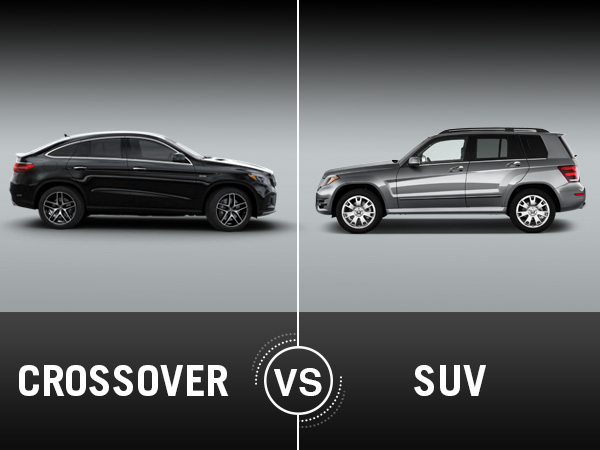
Side‑by‑side silhouette showing the boxier SUV profile versus the sleeker crossover roofline.
Platform Architecture & Build Philosophy
Full‑size SUVs traditionally use a body‑on‑frame chassis borrowed from pickup trucks. That construction delivers high torsional stiffness for heavy towing and serious off‑road articulation, but it adds weight and raises the center of gravity. You can also read our guide on what is an suv.
Premium crossovers sit on a unibody (car‑derived) platform. The integrated frame‑floor structure lowers mass, improves crash‑energy management, and yields a car‑like ride. Modern high‑strength steel and aluminum alloys have narrowed the durability gap, yet the fundamental trade‑off remains: frame‑based SUVs excel at raw load‑bearing; unibody crossovers excel at efficiency and on‑road dynamics.
For a deeper look at how these architectures evolved, see the evolution of the segment.
Interior Space, Seating & Cargo
| Metric | Full‑Size SUV (typical) | Premium Crossover (typical) |
|---|---|---|
| Passenger capacity | 7‑8 (often three rows) | 5‑7 (two‑row or optional third) |
| Third‑row legroom | 30‑36 in (adult‑usable) | 28‑32 in (best for children) |
| Cargo behind 3rd row | 17‑22 cu ft | 12‑16 cu ft |
| Maximum cargo (all seats folded) | 90‑120 cu ft | 70‑90 cu ft |
| Step‑in height (front) | 22‑26 in | 18‑21 in |
Full‑size SUVs usually offer a flat‑load floor when the rear rows are stowed, making them ideal for bulky gear. Crossovers compensate with clever under‑floor bins, configurable seat‑back releases, and lower lift‑over heights that ease grocery runs. You can also read our guide on evaluation of suv.
If you regularly transport adults in the third row, a body‑on‑frame SUV remains the more comfortable choice. For mostly five‑person duty with occasional extra seats, a crossover’s lower step‑in and tighter turning circle pay off daily.
Powertrain Options & Performance
Conventional Engines
- Full‑size SUVs: 5.3 L V8 (≈355 hp/383 lb‑ft), 3.5 L twin‑turbo V6 (≈400 hp/480 lb‑ft). Tow ratings 7,500‑9,300 lb.
- Premium crossovers: 2.0 L turbo‑4 (≈250 hp/275 lb‑ft), 3.5 L V6 (≈295 hp/260 lb‑ft). Tow ratings 3,500‑5,000 lb.
Hybrid & Electric Variants (2025‑2026)
- SUV hybrids: 3.5 L V6 + electric motor (≈430 hp combined) — e.g., Toyota Sequoia Hybrid, Ford Expedition Hybrid.
- Crossover hybrids/PHEVs: 2.5 L four‑cylinder + motor (≈245 hp) — e.g., Toyota RAV4 Prime, Lexus NX 450h+.
- Battery‑electric crossovers: 80‑110 kWh packs, 250‑320 mi EPA range (e.g., Cadillac Lyriq, BMW iX).
Fuel‑economy spreads are wide. EPA combined estimates for 2026 models range from 14‑18 mpg (large V8 SUVs) to 30‑38 mpg (compact hybrid crossovers). For exact numbers, consult the EPA fuel‑economy data. You can also read our guide on history of suv.
Ride Quality, Handling & Off‑Road Ability
| Attribute | Full‑Size SUV | Premium Crossover |
|---|---|---|
| Suspension | Live‑rear axle or multi‑link with heavy‑duty springs | Independent multi‑link all around, often air‑spring optional |
| Ground clearance | 8.5‑10.5 in (off‑road trims up to 11 in) | 7.0‑8.5 in (adaptive air can raise 1‑2 in) |
| Approach / departure angles | 30° / 22° (trail‑rated models >35° / 25°) | 18° / 20° (limited by front fascia) |
| AWD system | Two‑speed transfer case, locking diffs available | Single‑speed torque‑vectoring, no low range |
In practice, a full‑size SUV with low‑range gearing and locking differentials can crawl rocky trails that would stop a crossover. Conversely, the crossover’s lower mass and independent suspension deliver sharper turn‑in, less body roll, and a quieter highway cruise — advantages you feel on every commute.
Technology, Infotainment & Driver‑Assist Suites
Both segments now ship with 12‑inch‑plus touchscreens, wireless Apple CarPlay/Android Auto, and over‑the‑air updates. Differences appear in standard‑equipment depth:
- Full‑size SUVs: Often reserve premium audio (12‑speaker+), head‑up display, and advanced park‑assist for top trims.
- Premium crossovers: Frequently include level‑2+ driver assist (adaptive cruise with lane‑centering, automated lane change) as standard on mid‑grade trims.
Safety‑system benchmarks from NHTSA safety ratings and IIHS show both categories earning Top Safety Pick+ when equipped with the full suite. Verify the exact feature list for each model year, as packaging changes quickly. You can also read our guide on crossover suv hybrid.
Ownership Costs: Purchase Price, Depreciation, Maintenance, Insurance
| Cost Element | Full‑Size SUV (avg.) | Premium Crossover (avg.) |
|---|---|---|
| Starting MSRP (2026) | $55,000‑$78,000 | $42,000‑$62,000 |
| 5‑yr depreciation | 55‑60 % | 48‑53 % |
| Annual fuel (15,000 mi) | $2,800‑$3,600 | $1,600‑$2,200 |
| Average insurance (full coverage) | $1,800‑$2,300 | $1,400‑$1,800 |
| Scheduled maintenance (5 yr) | $1,200‑$1,800 | $900‑$1,300 |
Figures are industry averages; actual numbers vary by region, trim, and driving style.
Hybrid and PHEV crossovers can shave $400‑$700 off annual fuel costs, while electric crossovers eliminate fuel expense but may carry higher insurance premiums.
For a practical walk‑through of a popular hybrid crossover, see the RAV4 Hybrid XLE Premium specs.
Resale Value & Total Cost of Ownership (5‑Year)
Resale strength follows brand reputation and segment demand. Historically, Toyota, Lexus, and Subaru crossovers retain 55‑60 % of MSRP after five years, while full‑size SUVs from Ford, Chevrolet, and GMC sit near 50‑55 %. Adding a hybrid powertrain typically improves retained value by 2‑4 percentage points because of lower running costs. You can also read our guide on luxury suv comparisons.
When calculating total cost of ownership, factor in financing rate differences (SUVs often qualify for longer loan terms) and tax incentives for plug‑in models. A simple spreadsheet with your expected mileage, local fuel price, and insurance quote will reveal the true gap — often smaller than the sticker spread suggests.
Real‑World Test‑Drive Checklist
- Load the vehicle — install child seats, fold the third row, fill the cargo area with your typical gear.
- Drive a mixed loop — 10 mi highway, 5 mi city stop‑and‑go, 2 mi rough pavement or gravel.
- Evaluate visibility — check blind‑spot size, rear‑camera clarity, pillar thickness.
- Test the infotainment — pair your phone, run a navigation route, try voice commands.
- Activate driver assists — engage adaptive cruise, lane‑centering, and automatic emergency braking in a safe setting.
- Measure noise — note wind, tire, and engine sound at 70 mph.
- Assess ride comfort — pay attention to secondary shake on expansion joints.
Take notes on each point; a side‑by‑side comparison sheet makes the final decision far clearer.
Decision Matrix: Which Fits Your Lifestyle?
| Priority | Choose Full‑Size SUV | Choose Premium Crossover |
|---|---|---|
| Towing > 7,000 lb regularly | ✔ | ✖ |
| Daily urban parking & tight garages | ✖ | ✔ |
| Three adult‑size rows needed | ✔ | ✖ (most) |
| Best fuel economy (non‑EV) | ✖ | ✔ |
| Serious off‑road (rock crawling, deep mud) | ✔ | ✖ |
| Latest driver‑assist tech as standard | ✖ | ✔ |
| Lower step‑in for kids/elderly | ✖ | ✔ |
| Preference for V8 sound & feel | ✔ | ✖ |
Match the check‑marks to your top three priorities; the column with the most hits usually points to the right segment.
Frequently Asked Questions
What is the fundamental structural difference between a full‑size SUV and a premium crossover?
Full‑size SUVs use a body‑on‑frame chassis derived from trucks, while premium crossovers employ a unibody (car‑based) platform. This distinction drives most capability and efficiency gaps.
Which segment offers better fuel economy in 2026?
Premium crossovers — especially hybrid and plug‑in hybrid models — consistently deliver higher EPA combined MPG than conventional full‑size SUVs. Electric crossovers eliminate fuel use entirely.
Can a premium crossover tow a midsize travel trailer?
Most premium crossovers max out at 3,500‑5,000 lb tow rating, sufficient for lightweight campers but below the 7,000‑9,000 lb capacity of typical full‑size SUVs. Verify the specific model’s rating and equip the factory tow package.
Are safety ratings comparable across the two segments?
Yes. When equipped with the full driver‑assist suite, both segments routinely earn NHTSA 5‑star overall and IIHS Top Safety Pick+. The heavier SUV mass can help in certain multi‑vehicle crashes, but modern crossover structures perform exceptionally well.
How do maintenance costs differ over five years?
Crossovers generally cost $300‑$500 less in scheduled maintenance because they have fewer heavy‑duty components (solid rear axle, transfer case). However, premium‑brand crossovers may have higher parts pricing than mainstream SUVs.
Conclusion
A full‑size SUV remains the tool of choice for heavy towing, serious off‑road work, and families that need three genuine adult rows. A premium crossover delivers a quieter, more efficient daily driver with cutting‑edge safety tech and easier maneuverability — ideal for suburban commuters and weekend adventurers who rarely exceed 5,000 lb of trailer weight.
Next step: Narrow your shortlist to two models per segment, schedule back‑to‑back test drives using the checklist above, and run a personalized 5‑year cost spreadsheet. The right vehicle will feel obvious once the numbers and the seat time line up.