
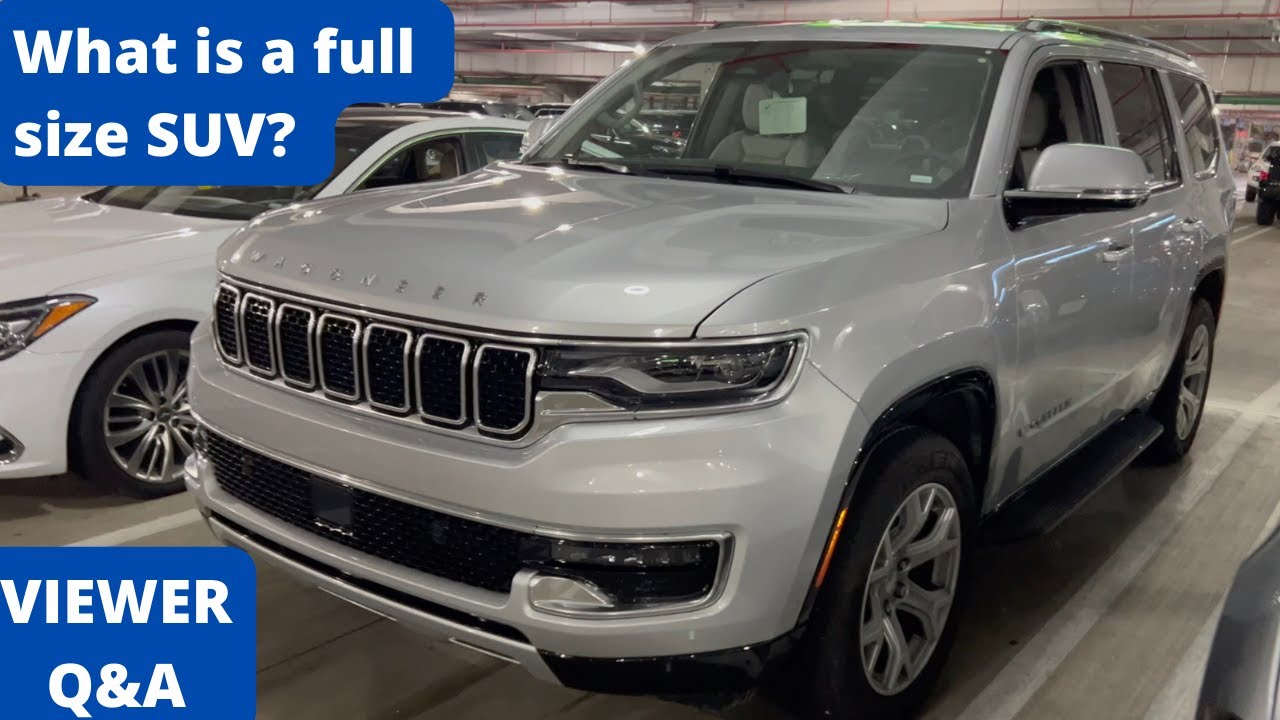
Choosing between an enterprise‑grade premium crossover and a full‑size SUV is a decision that hinges on how you balance daily drivability, passenger capacity, towing needs, and total cost of ownership. Both segments have evolved rapidly since the early 2010s, and the 2026 model year brings fresh powertrains, advanced driver‑assistance suites, and a growing slate of electrified options. This guide breaks down every critical factor — performance, space, technology, economics, and ideal buyer profiles — so you can match the vehicle to your real‑world demands.
Quick Comparison at a Glance
| Attribute | Premium Crossover (Enterprise) | Full‑Size SUV (Enterprise) |
|---|---|---|
| Typical Seating | 5‑7 | 7‑8 |
| Cargo Behind 1st Row | 60‑75 cu ft | 90‑110 cu ft |
| Combined MPG (2026 avg.) | 26‑31 | 16‑21 |
| Max Towing | 3,500‑5,000 lb | 7,500‑9,500 lb |
| Ground Clearance | 7‑8 in | 9‑11 in |
| Starting MSRP (2026) | $38k‑$55k | $55k‑$80k |
| Key Strength | Urban maneuverability, efficiency | People‑hauling, heavy‑trailer capability |
Figures represent typical enterprise‑fleet specifications; actual numbers vary by trim and powertrain.
What Defines a Premium Crossover?
A premium crossover blends a car‑like unibody platform with upscale interior appointments and a higher ride height than a sedan. Enterprise fleets typically spec these models with turbocharged four‑cylinder or hybrid powertrains, adaptive dampers, and a full suite of connectivity features. The result is a vehicle that feels nimble in city traffic yet offers enough ground clearance for light gravel or snow. For a deeper look at the segment’s roots, see the core SUV definition. You can also read our guide on evaluation of suv.
 Enterprise's midsize luxury SUV lineup on display
What Defines a Full‑Size SUV?
Full‑size SUVs ride on body‑on‑frame chassis derived from half‑ton pickup platforms. Enterprise versions usually come with a V6 or V8, a ten‑speed automatic, and a two‑speed transfer case for genuine low‑range gearing. The boxy silhouette maximizes interior volume, making these the go‑to choice for eight‑passenger shuttles, equipment hauls, or trailer towing above 7,000 lb. The SUV evolution timeline shows how this architecture has persisted while adding modern comforts.
Performance & Powertrain
Engine Options & Output
Premium crossovers in the 2026 fleet lineup lean on 2.0 L turbo‑four engines producing 250‑280 hp, often paired with a 48‑volt mild‑hybrid system that smooths start‑stop cycles. Full‑size SUVs typically offer a 3.5 L twin‑turbo V6 (≈400 hp) or a 5.3 L V8 (≈355 hp) with cylinder‑deactivation for highway cruising. Both segments now include plug‑in hybrid (PHEV) variants that add 30‑40 mi of EV‑only range — useful for short corporate campus loops.
Fuel Economy Realities
Real‑world combined fuel economy for premium crossovers averages 27‑30 mpg, while full‑size SUVs sit in the 17‑20 mpg band. The gap widens when the SUV is loaded or towing. The EPA fuel‑economy guide provides model‑specific numbers that fleet managers should cross‑reference before finalizing orders.
Towing & Payload
If your contracts involve moving construction equipment, boats, or large trailers, the full‑size SUV’s 8,500‑9,500 lb rating is decisive. Premium crossovers max out around 5,000 lb with a factory tow package, sufficient for small utility trailers or a pair of jet skis. Payload follows the same pattern: 1,200‑1,500 lb for crossovers versus 1,600‑2,000 lb for full‑size models.
Ride, Handling & Off‑Road Ability
Unibody crossovers deliver a lower center of gravity, translating to sharper turn‑in and less body roll on highway ramps. Adaptive air suspension (optional on upper trims) can raise ride height by 1.5 in for rough pavement. Full‑size SUVs, with solid rear axles and available electronic locking differentials, excel on rutted fire roads and deep snow. However, their wider turning circles (≈40 ft vs. 36 ft) make tight parking structures a chore.
Interior Space, Seating & Cargo
| Metric | Premium Crossover | Full‑Size SUV |
|---|---|---|
| Front‑row legroom | 41‑42 in | 41‑44 in |
| Third‑row legroom | 30‑33 in (if equipped) | 34‑38 in |
| Cargo behind 3rd row | 12‑18 cu ft | 20‑25 cu ft |
| Max cargo (seats folded) | 70‑78 cu ft | 100‑115 cu ft |
Enterprise buyers often specify second‑row captain’s chairs in the SUV for VIP transport, while crossovers frequently receive a 60/40 split bench to preserve flexibility. The RAV4 XLE Premium walkthrough illustrates how a compact crossover maximizes every cubic inch.
Technology, Infotainment & Safety
Infotainment & Connectivity
Both segments now ship with 12‑inch or larger touchscreens, wireless Apple CarPlay/Android Auto, and 5G‑ready Wi‑Fi hotspots. Enterprise fleets benefit from over‑the‑air (OTA) updates that keep navigation maps and security patches current without dealer visits. The 4Runner SR5 Premium specs show a comparable tech stack in a body‑on‑frame package.
Advanced Driver‑Assistance Systems
Standard suites include adaptive cruise control with stop‑and‑go, lane‑centering, automatic emergency braking with pedestrian detection, and blind‑spot monitoring with rear cross‑traffic alert. Full‑size SUVs often add a 360‑degree camera system with trailer‑view overlay — critical for hitching heavy loads. The NHTSA safety ratings database lets you verify crash‑test scores for each specific model year.
Ownership Costs: Fuel, Maintenance, Insurance, Depreciation
| Cost Element | Premium Crossover (5‑yr) | Full‑Size SUV (5‑yr) |
|---|---|---|
| Fuel | $7,200‑$9,000 | $12,500‑$15,500 |
| Scheduled Maintenance | $2,800‑$3,500 | $3,500‑$4,500 |
| Insurance (annual avg.) | $1,300‑$1,600 | $1,700‑$2,100 |
| Depreciation (5‑yr % of MSRP) | 45‑50 % | 50‑55 % |
Crossovers generally retain a higher resale percentage, especially when equipped with hybrid powertrains. The Toyota premium positioning article explains how brand perception influences residual values. Current market pricing trends also affect fleet acquisition timing.
Ideal Buyer Profiles & Use Cases
Families & Daily Commuters
A premium crossover seats five adults comfortably, returns 30 mpg on the highway, and fits in standard garage spaces. It’s the logical choice for sales teams that rack up 25,000 mi/year in metro areas.
Fleet & Commercial Operators
When the contract demands moving seven passengers plus luggage to airport hotels, the full‑size SUV’s third‑row room and 25 cu ft of cargo behind the third row win. Its higher GVWR also simplifies DOT compliance for heavier payloads.
Adventure & Towing Enthusiasts
If the fleet supports off‑site events with trailers, ATVs, or marine gear, the full‑size SUV’s low‑range gearing, integrated trailer brake controller, and 9,500 lb tow rating are non‑negotiable.
Environmental Impact & Electrification Trends
Both segments now offer PHEV and full‑electric (EV) variants. A crossover PHEV can slash CO₂ output by 40‑50 % on typical mixed cycles, while a full‑size EV (e.g., 2026 Chevrolet Suburban EV) eliminates tailpipe emissions entirely but adds 1,200 lb of battery weight, reducing payload. Fleet managers should model total‑cost‑of‑ownership (TCO) over a 7‑year horizon, factoring in charging infrastructure, electricity rates, and potential carbon credits.
Buying Checklist: 7 Questions to Answer Before You Sign
- Typical passenger count – 5‑6 → crossover; 7‑8 → full‑size.
- Maximum trailer weight – under 5,000 lb → crossover; above → full‑size.
- Annual mileage & fuel budget – high mileage favors crossover efficiency.
- Parking & garage constraints – measure width/height; crossovers fit tighter spots.
- Off‑road requirement – light gravel → crossover AWD; rock crawling → full‑size 4×4 low range.
- Resale horizon – 3‑4 yr lease → crossover depreciation advantage.
- Electrification mandate – corporate ESG goals may dictate PHEV/EV availability.
Frequently Asked Questions
What is a premium crossover vehicle?
A premium crossover combines a unibody architecture with upscale materials, advanced infotainment, and a ride height higher than a sedan but lower than a traditional SUV. It targets buyers who want car‑like handling plus a commanding seating position.
How does a full‑size SUV compare?
Full‑size SUVs use body‑on‑frame construction, offering greater towing capacity, more interior volume, and genuine off‑road low‑range gearing. They trade fuel efficiency and maneuverability for maximum utility.
Which is better for families: crossover or SUV?
For families of five or fewer who prioritize fuel economy and easy parking, a premium crossover usually wins. Families needing three rows of adult‑usable space or regular heavy towing should opt for a full‑size SUV.
Are premium crossovers fuel‑efficient?
Yes. Most 2026 premium crossovers achieve 26‑31 mpg combined, with hybrid models pushing into the mid‑30s. Real‑world figures depend on load, climate, and driving style.
What are the maintenance cost differences?
Crossovers typically incur lower scheduled‑maintenance costs because they have fewer driveline components (no solid axle, no transfer case). Expect 15‑20 % savings over a five‑year period.
Can a full‑size SUV fit in a standard garage?
Many 2026 full‑size SUVs exceed 80 in width and 75 in height, challenging standard 9 ft × 7 ft garage doors. Measure your facility before ordering.
Do enterprise fleets get volume discounts on either segment?
Yes. Manufacturers offer fleet‑only incentive programs; the discount depth often correlates with order volume and model mix. Engage your OEM fleet representative early.
Final Verdict & Recommendation
If your operation centers on urban mobility, moderate passenger loads, and a tight total‑cost‑of‑ownership budget, the enterprise premium crossover delivers the best blend of efficiency, technology, and driver comfort. Conversely, when the mission requires maximum passenger capacity, heavy towing, or genuine off‑road capability, the full‑size SUV remains the only segment that checks every box without compromise. Align the vehicle to the dominant use case — not the occasional edge case — and you’ll avoid costly mismatches.
For a visual side‑by‑side, watch the comparison video thumbnail below.
 Side‑by‑side comparison video thumbnail
Choosing the right platform today sets the tone for fleet reliability, driver satisfaction, and bottom‑line performance for years to come. Evaluate your data, test‑drive both categories, and lock in the spec that matches the job — not the showroom.