
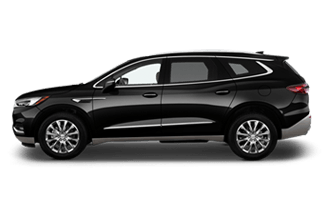
Choosing between a premium crossover and a standard elite SUV in 2026 means deciding which kind of luxury serves your daily reality. Premium crossovers — built on car-like unibody platforms — prioritize on-road refinement, fuel efficiency, and cabin technology. Standard elite SUVs — typically body-on-frame or heavily reinforced unibody architectures — deliver genuine towing muscle, off-road clearance, and a commanding driving position. Both segments now start above $50,000 and can exceed $100,000 when fully optioned. This guide breaks down the engineering, ownership costs, and real-world trade-offs so you can match the vehicle to your life.
 Visual comparison showing the lower roofline of a premium crossover versus the upright stance of a standard elite SUV
What Defines a Premium Crossover in 2026
Premium crossovers share a unibody structure with sedans, which lowers the center of gravity and reduces weight. That architecture enables precise steering, composed body control, and a ride quality that absorbs pavement imperfections without float. Brands like Genesis, Lexus, Audi, and BMW position these models as their volume luxury sellers: the GV80, RX, Q7, and X5 all ride on platforms shared with cars, not trucks. You can also read our guide on top luxury suvs of.
In practice, the unibody layout means the third row — when offered — sits higher off the floor, reducing headroom for adults. A common mistake is assuming every "three-row crossover" accommodates six-foot passengers in back; most only fit children or short-haul adults. Cargo floors are lower, making loading groceries or luggage easier, but maximum payload typically tops out around 1,200–1,400 pounds.
Key 2025–2026 models to cross-shop: Genesis GV80 (3.5T e-Supercharger), Lexus RX 500h F Sport Performance, BMW X5 xDrive50e PHEV, and the Mercedes-Benz GLE 450 4MATIC. Each blends a turbocharged or electrified powertrain with adaptive air suspension and cabin noise levels that rival dedicated sedans. You can also read our guide on history of suv.
What Defines a Standard Elite SUV in 2026
Standard elite SUVs trace their DNA to truck platforms. Full-size examples — Cadillac Escalade, Lincoln Navigator, Jeep Grand Wagoneer, Chevrolet Suburban — use body-on-frame construction or a hydroformed fully boxed frame that isolates the cabin from chassis flex. This yields tow ratings of 7,500–9,500 pounds and approach angles suited for rocky trails, not just gravel driveways.
The trade-off appears in daily driving: heavier steering, more pronounced body roll, and a ride that transmits sharper impacts from expansion joints. Noise isolation has improved dramatically — the 2025 Escalade-V achieves 58 dB at 70 mph — but wind roar at highway speeds still exceeds the best crossovers by 3–5 dB. Third-row space is genuinely adult-friendly, with 38+ inches of legroom and dedicated climate zones. You can also read our guide on invention of suv.
For buyers who tow a 6,000-pound travel trailer monthly or need to traverse unplowed mountain passes, the capability gap remains decisive. If those scenarios are rare, the compromise in efficiency and maneuverability rarely pays off.
Platform & Engineering Differences: Why Architecture Matters
Unibody crossovers integrate crumple zones into the body shell, allowing engineers to tune deformation paths for specific crash scenarios. This contributes to consistently higher IIHS Top Safety Pick+ rates across the segment. Body-on-frame SUVs rely on frame rails to absorb energy; while modern designs perform well, the passenger compartment sees higher intrusion in small-overlap tests. You can also read our guide on evaluation of suv.
Weight distribution also diverges. Crossovers typically achieve 52/48 front/rear balance, aiding turn-in response. Elite SUVs sit closer to 55/45 due to heavy frame rails and solid rear axles (or multi-link setups on coil springs). The result: crossovers change direction with sedan-like agility; elite SUVs require earlier, smoother steering inputs.
Ground clearance tells another story. Most premium crossovers offer 7.5–8.5 inches, sufficient for snow and rutted dirt roads. Elite SUVs start at 9.5 inches and, with air suspension in "Off-Road" mode, reach 11–12 inches — plus locking differentials and low-range gearing in models like the Grand Wagoneer Obsidian. For further reading, see fueleconomy.gov.
Performance Showdown: Powertrains & Driving Dynamics
The 2026 landscape has largely abandoned naturally aspirated V8s. Premium crossovers now rely on turbocharged inline-sixes (BMW B58, Mercedes M256), twin-turbo V6s (Lexus V35A-FTS, Cadillac 3.6L TT), or plug-in hybrid systems pairing a 2.0L/2.5L four-cylinder with a 100+ kW motor. Outputs cluster around 375–480 hp and 400–520 lb-ft, delivered with near-instant torque from electric assist.
Standard elite SUVs retain larger displacement: the Escalade-V supercharges a 6.2L V8 to 682 hp; the Navigator uses a twin-turbo 3.5L V6 at 440 hp; the Grand Wagoneer offers a 510-hp twin-turbo 3.0L inline-six (Hurricane) or a 392-hp 5.7L HEMI V8 with eTorque mild-hybrid assist. Towing stability benefits from the low-end grunt of big displacement or electric torque fill.
Transmission calibration differs. Crossovers favor quick-shifting 8- or 9-speed automatics (ZF 8HP, GM 9TXX) tuned for throttle response. Elite SUVs often run 10-speed units (Ford/GM 10R80) with wider ratio spreads to keep engine rpm low while hauling. In practice, the crossover feels sharper off the line; the SUV feels stronger at 60 mph merging onto a grade with a trailer.
Real-world 0–60 mph times: premium crossovers 4.8–5.8 seconds; elite SUVs 5.0–6.5 seconds (non-V models). The gap narrows with PHEV crossovers in electric mode, but sustained high-load performance favors the larger cooling capacity of elite SUV powertrains.
Interior Quality, Technology & Comfort
Material quality has converged at the top trims. Open-pore wood, semi-aniline leather, and real metal knobs appear in both segments. The differentiator is execution consistency: premium crossovers extend premium surfaces to lower door panels and rear seat backs; elite SUVs sometimes revert to hard plastic on third-row kick panels and cargo-area trim.
Infotainment architecture now centers on large curved displays (27–48 inches combined) with Google Built-In or proprietary OS (Mercedes MBUX, BMW iDrive 9, Cadillac Google-based). Crossovers tend to mount screens higher in the sightline, reducing glance time. Elite SUVs often place the main display lower, behind the steering wheel, which can be obscured by the rim for shorter drivers.
Noise, vibration, and harshness (NVH) data from independent testing shows premium crossovers averaging 55–58 dB at 70 mph on smooth asphalt; elite SUVs range 58–62 dB. The difference is perceptible — conversation at normal volume requires slight voice elevation in the SUV. Active noise cancellation (ANC) helps both, but crossovers benefit from a stiffer body structure that transmits less low-frequency boom.
Seat comfort for long-haul driving: crossover front seats offer more lateral support and 16–20-way adjustment with massage. Elite SUV front chairs are wider, softer, and prioritize ingress/egress height. Second-row captain's chairs (standard on most elite trims) provide airline-style recline and ottomans; crossover second rows typically slide and recline but lack leg rests.
Space & Versatility: Cargo, Seating, Flexibility
| Metric | Premium Crossover (avg.) | Standard Elite SUV (avg.) |
|---|---|---|
| Cargo behind 3rd row | 16–21 cu ft | 19–23 cu ft |
| Cargo 3rd row folded | 45–55 cu ft | 55–65 cu ft |
| Cargo 2nd/3rd folded | 75–90 cu ft | 90–115 cu ft |
| 3rd-row legroom | 29–33 in | 36–39 in |
| 3rd-row hip room | 40–44 in | 48–52 in |
| Max payload | 1,100–1,400 lb | 1,500–1,800 lb |
Crossover cargo floors sit 4–6 inches lower, easing heavy lifts. Most offer hands-free power liftgates with programmable height. Elite SUVs add power-folding third rows (often 50/50 split) and available power second-row tip-and-slide for third-row access — a boon for parents with child seats.
A practical tip: if you regularly carry 4×8 sheets or full-size coolers, only the full-size elite SUVs (Suburban, Navigator L, Escalade ESV) accept them flat with seats folded. Crossovers require angled loading or a roof box.
Safety Systems & Driver Assistance
Both segments now include automatic emergency braking (AEB) with pedestrian/cyclist detection, blind-spot monitoring, rear cross-traffic alert, and lane-keeping assist as standard. The divergence appears in hands-free highway systems.
Premium crossovers lead availability: GM Super Cruise (on Cadillac XT6, Lyriq), Ford BlueCruise (Lincoln Nautilus, Aviator), Mercedes Drive Pilot (L3 in limited zones), BMW Highway Assistant. These function on 400,000+ miles of pre-mapped divided highways and allow eyes-off-road in specific conditions (Mercedes only, at ≤40 mph).
Elite SUVs are catching up: Super Cruise on Escalade, BlueCruise on Navigator, and Jeep's Hands-Free Active Driving Assist on Grand Wagoneer. However, frame flex on rough pavement can disengage the system more frequently than on unibody crossovers.
IIHS 2025 ratings: 12 of 14 tested premium crossovers earned Top Safety Pick+; 7 of 10 elite SUVs did, with marginal small-overlap scores pulling down the rest. NHTSA 5-star overall ratings are universal across both segments for 2025 models.
Ownership Costs: Purchase Price, Maintenance, Fuel, Insurance
| Cost Factor | Premium Crossover | Standard Elite SUV |
|---|---|---|
| Base MSRP (2026) | $52,000–$75,000 | $70,000–$95,000 |
| Typical transaction (mid-trim) | $65,000–$85,000 | $85,000–$115,000 |
| EPA combined MPG (gas) | 22–26 | 16–20 |
| EPA combined MPGe (PHEV) | 55–65 MPGe / 24–26 MPG gas | N/A (few PHEVs) |
| Annual fuel (15k mi, $3.80/gal) | $2,200–$2,600 | $2,850–$3,550 |
| 5-yr maintenance (est.) | $4,500–$6,500 | $5,500–$8,000 |
| Avg. annual insurance (full cov.) | $1,900–$2,400 | $2,200–$2,900 |
PHEV crossovers (X5 xDrive50e, GLE 450e, RX 450h+) can slash fuel costs if daily driving stays within 30–40 miles of electric range. Charging at home on a Level 2 charger adds ~$1,200 installation but yields effective "fuel" cost of $0.04–$0.06/mile vs $0.15–$0.20/mile on gas.
Maintenance intervals differ: crossovers typically require synthetic oil every 10,000 miles; elite SUVs with V8s or turbo-sixes often specify 7,500 miles. Brake wear is heavier on 5,800–6,200 lb SUVs; expect front rotor/pad service every 35,000–45,000 miles vs 50,000–60,000 on lighter crossovers.
Insurance premiums reflect repair cost: aluminum-intensive unibodies (Range Rover, Audi) and complex multi-link suspensions drive parts prices up. Elite SUVs' body-on-frame simplicity can lower collision repair costs but higher liability exposure from mass increases premiums.
Depreciation & Resale Value Outlook
Three-year retention for 2023 models (per Black Book / J.D. Power 2025 data):
- Premium crossovers: 58–63% (Lexus RX, Genesis GV80, BMW X5 lead)
- Standard elite SUVs: 52–58% (Escalade, Navigator, Grand Wagoneer cluster)
Five-year retention widens the gap: crossovers 45–50%; elite SUVs 38–44%. Factors: crossover demand from urban/suburban buyers stays strong; elite SUV supply grows as fleet/rental returns hit auction. Certified Pre-Owned (CPO) programs favor crossovers — Lexus and Genesis offer 7-year/unlimited-mile CPO warranties; most elite SUV CPO coverage ends at 6 years/100,000 miles.
A common mistake: assuming high MSRP equals strong resale. The Escalade-V and Grand Wagoneer Series III depreciate faster than base trims because the buyer pool shrinks above $120,000. Mid-trim crossovers with popular option packages (premium audio, advanced driver assist, panoramic roof) hold value best.
Who Should Buy Which: Buyer Profiles & Use Cases
Choose a premium crossover if:
- 90%+ of miles are on paved roads
- Daily commute exceeds 30 miles round-trip (fuel savings compound)
- Garage or parking space is tight (width ≤76 in, length ≤195 in)
- Third row is occasional — grandparents, carpool, not daily adult transport
- You value tech integration (phone-as-key, OTA updates, app ecosystem)
Choose a standard elite SUV if:
- You tow 5,000+ lbs more than 6×/year (boat, camper, horses)
- Household includes 3+ teenagers or adults needing third-row daily
- Unpaved roads, deep snow, or steep graded driveways are routine
- Cargo volume behind third row must fit stroller + groceries + sports gear
- You prefer a higher seating position for visibility and presence
Fleet managers note: crossovers achieve lower total cost of ownership (TCO) over 60 months for sales/field teams; elite SUVs win for construction, survey, or utility crews needing payload and trailer capability.
2025–2026 Model Year Highlights & What's Coming
Refreshes arriving late 2025/early 2026: Lexus RX gains a 2.4L turbo hybrid (RX 350h) replacing the V6; BMW X5 gets iDrive 9.5 with QuickSelect and 48V mild-hybrid on all trims; Cadillac XT6 adds Super Cruise standard on Sport/Platinum; Lincoln Aviator receives BlueCruise 1.3 with lane-change assist.
New entrants: Genesis GV90 (flagship EV crossover, 2026), Mercedes EQG (electric G-Class, body-on-frame, 2026), Volkswagen ID.Buzz Cargo long-wheelbase (premium van crossover, 2025).
Electrification timeline: By 2027, every premium crossover will offer a PHEV or BEV variant. Elite SUVs lag — only the Escalade IQ (BEV, 2025) and Navigator EV (2027) are confirmed. If a full electric three-row with 300+ mile range is a must, the crossover segment delivers today; the SUV segment delivers in 2027+.
Frequently Asked Questions
What is the difference between a premium crossover and a standard elite SUV?
Premium crossovers use unibody (car-based) platforms for on-road refinement, efficiency, and handling. Standard elite SUVs use body-on-frame or heavy-duty unibody architectures for towing capacity, off-road durability, and maximum interior volume. The crossover drives like a luxury sedan; the SUV drives like a capable truck.
Which is better for a family of five with two kids in car seats?
A premium crossover with captain's chairs in the second row (GV80, X5, RX 350L) offers easier third-row access and lower cargo floor for strollers. If the kids are older/teens and you need adult space in row three daily, an elite SUV (Navigator, Escalade ESV) provides genuine legroom and dedicated climate controls.
Are premium crossovers more fuel-efficient than standard elite SUVs?
Yes, significantly. Unibody weight savings of 500–1,000 lbs, lower drag coefficients (0.30–0.34 vs 0.36–0.40), and widespread PHEV availability give crossovers a 20–35% fuel economy advantage. Real-world mixed driving: crossovers 21–25 MPG; elite SUVs 15–19 MPG.
What are the maintenance cost differences over five years?
Expect $4,500–$6,500 for a premium crossover vs $5,500–$8,000 for an elite SUV. Heavier brakes, larger oil capacities, and more frequent fluid changes on truck-based platforms drive the gap. PHEV crossovers add inverter/coolant service but reduce brake wear via regen.
Do premium crossovers hold value better?
Generally, yes. Three-year retention averages 5–8 percentage points higher. Stronger CPO programs, broader buyer demand, and lower operating costs support resale. Exception: limited-production elite trims (Escalade-V, Grand Wagoneer Series III) can outperform average crossover retention due to scarcity.
Conclusion
The battle between premium crossovers and standard elite SUVs isn't about which is objectively superior — it's about which architecture serves your actual use case. If your luxury definition means silent highway cruising, tech-forward cabins, and reasonable fuel stops, the premium crossover wins. If luxury means hauling a 7,000-lb trailer up a mountain pass while six adults ride in quiet comfort, the standard elite SUV stands alone.
Test drive both on your roads: load the cargo area, install your child seats, connect your phone, and run a 30-minute loop including highway, broken pavement, and a tight parking lot. The right choice reveals itself in the details no spec sheet captures.
Ready to compare specific models? Explore our detailed reviews of the 2025 Toyota RAV4 XLE Premium and 2024 Toyota 4Runner SR5 Premium to see how mainstream and rugged premium trims stack up. For buyers still weighing options across brands, our luxury SUV comparison guide breaks down spec-for-spec matchups across German, Japanese, and American lineups. If fuel type factors into your decision, the Mercedes premium fuel requirements article clarifies which engines demand 91 octane and where regular suffices. For a deeper look at how Toyota positions its premium trims across the lineup, see what Toyota's premium branding means for buyers.
Bookmark this page and revisit when 2027 model specs drop — the electrification shift will redraw the crossover/SUV capability map again.