
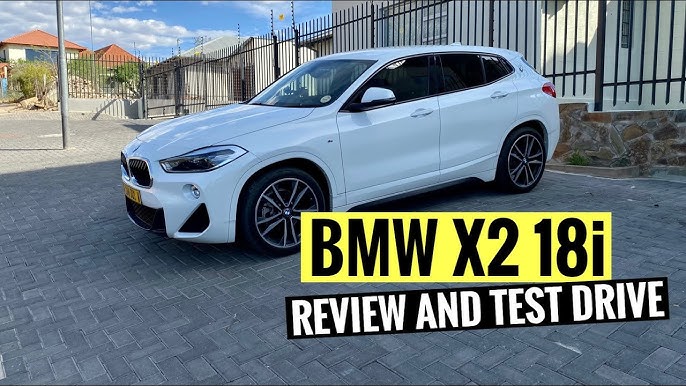
Premium compact SUVs have become the sweet spot for buyers who want upscale appointments, agile city manners, and enough cargo room for weekend gear — all without the footprint of a midsize hauler. In the 2025‑2026 model year the segment is packed with turbocharged four‑cylinders, efficient hybrids, and a growing roster of plug‑in and pure‑electric variants. This guide breaks down every critical factor — design, powertrain, tech, safety, ownership cost, and brand prestige — so you can pinpoint the model that matches your lifestyle and budget.
Why Premium Compact SUVs Are Gaining Popularity
- Elevated seating gives a commanding view without the bulk of a full‑size SUV.
- Versatile interiors fold flat for bikes, strollers, or Costco runs.
- Advanced driver‑assistance suites now come standard on most trims.
- Fuel‑economy gains from mild‑hybrid and full‑hybrid systems rival many sedans.
- Brand cachet — European marques and Asian up‑market labels both fight for the same driveway space.
Key Evaluation Criteria for Luxury Compact SUVs
| Criterion | What to Look For |
|---|---|
| Performance | 0‑60 mph times, torque delivery, transmission smoothness |
| Interior Quality | Real‑wood/aluminum trim, soft‑touch surfaces, seat adjustability |
| Infotainment | Screen size, OS responsiveness, wireless Apple CarPlay/Android Auto |
| Safety | IIHS Top Safety Pick+, NHTSA 5‑star overall, standard ADAS |
| Efficiency | EPA combined MPG or MPGe, real‑world range for EVs |
| Ownership Cost | MSRP, maintenance intervals, projected 3‑year residual value |
| Brand Reputation | Dealer network depth, warranty length, customer‑service scores |
Design Language: Exterior & Interior Highlights
Exterior Styling
Modern premium compacts favor a “coupe‑SUV” silhouette: raked rooflines, flush door handles, and signature lighting signatures. Look for active grille shutters that improve aerodynamics at highway speeds. You can also read our guide on top luxury suvs of.
 The 2025 Acura RDX showcases the aggressive front fascia typical of the segment.
Interior Luxury
Inside, the benchmark is a driver‑centric cockpit with a floating center console, ambient‑lighting zones, and available massaging front seats. Materials should feel cohesive — no hard plastic on surfaces your fingertips graze daily.
Powertrain Options & Efficiency (2025‑2026 Model Year)
Turbocharged Gasoline
Most entry‑level trims use a 2.0 L turbo‑four delivering 228‑258 hp paired with an 8‑speed automatic or 7‑speed dual‑clutch. Expect 24‑28 mpg combined. You can also read our guide on toyota highlander hybrid suv.
Hybrid & Mild‑Hybrid
A 2.5 L four‑cylinder plus an electric motor yields 219‑245 hp system output. EPA combined figures climb to 35‑39 mpg, and the electric motor fills torque gaps at low rpm.
Plug‑in Hybrid / Battery‑Electric
PHEVs offer 30‑45 mi of EV‑only range before the gas engine engages. Full EVs (e.g., Volvo XC40 Recharge, Genesis GV60) now exceed 250 mi EPA range and support 150 kW DC fast charging.
| Model (2025‑26) | Powertrain | Net HP | EPA Combined | EV‑Only Range |
|---|---|---|---|---|
| BMW X1 xDrive28i | 2.0 T + 48 V mild‑hybrid | 241 | 27 mpg | — |
| Audi Q3 45 TFSI e | 1.4 T PHEV | 242 | 58 MPGe | 33 mi |
| Mercedes‑Benz GLA 250 e | 1.3 T PHEV | 218 | 55 MPGe | 31 mi |
| Lexus NX 350h | 2.5 L Hybrid | 239 | 39 mpg | — |
| Volvo XC40 Recharge Twin | Dual‑motor EV | 402 | 85 MPGe | 223 mi |
| Genesis GV60 AWD | Dual‑motor EV | 314 | 90 MPGe | 248 mi |
Driving Dynamics: Handling, Ride, and Off‑Road Capability
- Steering – Variable‑ratio racks give light effort at parking speeds and tighter response on the highway.
- Suspension – Adaptive dampers (optional on most Euro models) switch between Comfort and Sport modes; Asian rivals often tune a single fixed setup that leans compliant.
- All‑Wheel Drive – Torque‑vectoring rear diffs (BMW, Audi) improve corner exit traction; simpler on‑demand systems (Toyota, Honda) suffice for snow and gravel.
- Ground Clearance – 7.5‑8.3 in is typical; only the Subaru Crosstrek‑based models exceed 8.5 in for light trail use.
Infotainment & Connectivity
Screen Sizes & Operating Systems
- 10.25‑in baseline (most Japanese brands)
- 12.3‑in dual‑screen clusters (BMW iDrive 8, Mercedes MBUX)
- 14.5‑in portrait touchscreen (Volvo Google‑built OS)
Smartphone Integration
Wireless Apple CarPlay and Android Auto are now standard across the segment; a few brands still require a USB cable on base trims.
Over‑the‑Air Updates
BMW, Mercedes, Volvo, and Genesis push firmware updates for navigation maps, ADAS calibrations, and infotainment apps without a dealer visit.
 A typical cockpit layout with a 12‑inch central display and configurable driver display.
Advanced Driver‑Assistance Systems (ADAS)
| Feature | Typical Availability |
|---|---|
| Adaptive Cruise Control with Stop‑&‑Go | Standard on all trims |
| Lane‑Centering Assist | Standard (most) |
| Automated Emergency Braking (Pedestrian/Cyclist) | Standard |
| Blind‑Spot Monitoring with Rear Cross‑Traffic Alert | Standard/Optional |
| Traffic‑Sign Recognition | Optional on entry, standard on premium |
| Hands‑Free Highway Assist (Level 2+) | BMW, Mercedes, Genesis (optional) |
Both the National Highway Traffic Safety Administration and the Insurance Institute for Highway Safety publish detailed crash‑test and ADAS performance data for each model year.
Comfort, Space & Practicality
- Front Seats – 12‑way power with lumbar, heating/ventilation, and memory.
- Rear Legroom – 36‑38 in; enough for two adults on a 3‑hour trip.
- Cargo Volume – 22‑27 cu ft behind the second row; 55‑60 cu ft with seats folded.
- Climate – Tri‑zone automatic standard on Euro models; dual‑zone on most Asian entries.
- Noise Isolation – Acoustic glass and active noise cancellation (BMW, Genesis) keep cabin < 62 dB at 70 mph.
Safety Ratings & Security Features
Every 2025‑26 contender earns at least a NHTSA 5‑star overall rating. The BMW X1, Audi Q3, and Volvo XC40 Recharge add IIHS Top Safety Pick+ thanks to superior head‑light scores and front‑crash prevention. Standard security includes engine immobilizer, tilt‑sensor alarm, and optional vehicle‑tracking via smartphone app.
Ownership Costs: Purchase Price, Maintenance, Resale Value
| Model | Base MSRP (2025) | 3‑Yr Residual % | Annual Maintenance* |
|---|---|---|---|
| BMW X1 | $38,900 | 58 % | $1,200 |
| Audi Q3 | $36,800 | 55 % | $1,150 |
| Mercedes GLA | $37,500 | 54 % | $1,250 |
| Lexus NX 350h | $41,200 | 61 % | $950 |
| Volvo XC40 Recharge | $53,000 | 52 % | $800 |
| Genesis GV60 | $52,000 | 53 % | $850 |
*Manufacturer‑scheduled service only; excludes tires/brakes.
Premium‑fuel requirements vary — many German models mandate 91 octane; see the Mercedes premium‑fuel requirements guide for details. Current market pricing trends are summarized in our current market pricing trends article.
Brand Prestige & Market Position
European marques (BMW, Audi, Mercedes) lean on heritage, dealer experience, and performance tuning. Asian luxury labels (Lexus, Genesis) counter with longer warranties (4 yr/50 k mi basic, 6 yr/70 k mi powertrain) and higher predicted reliability scores. Toyota’s premium positioning is explained in our Toyota’s premium positioning piece, while the evolution of the SUV segment and the definition of an SUV provide useful context for newcomers.
Eco‑Friendly Choices: Hybrid, PHEV, EV
- Hybrid – Best for drivers without home charging; 35‑39 mpg combined.
- PHEV – Ideal for daily commutes < 30 mi; can run EV‑only on weekdays, gas on road trips.
- Battery‑Electric – Zero tailpipe emissions; charging network density (Electrify America, Tesla Supercharger access for non‑Tesla via NACS adapters) now covers > 90 % of U.S. interstates.
- Sustainable Materials – Recycled polyester seat fabric, reclaimed wood trim, and vegan leather options appear on most 2025‑26 trims.
Top Contenders for 2025‑2026
Best Overall: BMW X1 xDrive28i
- Balanced sport‑comfort chassis, 241 hp mild‑hybrid, class‑leading iDrive 8, 58 % 3‑yr residual.
Best Value: Lexus NX 350h
- 39 mpg combined, 61 % residual, 4‑yr/50 k mi warranty, standard Lexus Safety System+ 3.0.
Best Electric: Volvo XC40 Recharge Twin
- 223 mi EPA range, Google‑built infotainment, 402 hp AWD, 52 % residual.
Best Plug‑in Hybrid: Audi Q3 45 TFSI e
- 33 mi EV range, 242 hp combined, premium interior, 55 % residual.
| Rank | Model | Powertrain | EPA Combined | 3‑Yr Residual | Starting MSRP |
|---|---|---|---|---|---|
| 1 | BMW X1 | 2.0 T MHEV | 27 mpg | 58 % | $38,900 |
| 2 | Lexus NX 350h | 2.5 L Hybrid | 39 mpg | 61 % | $41,200 |
| 3 | Volvo XC40 Recharge | Dual‑motor EV | 85 MPGe | 52 % | $53,000 |
| 4 | Audi Q3 45 TFSI e | 1.4 T PHEV | 58 MPGe | 55 % | $44,500 |
| 5 | Genesis GV60 | Dual‑motor EV | 90 MPGe | 53 % | $52,000 |
 The Mazda CX‑50’s coupe‑like silhouette emphasizes sporty proportions.
Buying Checklist & Next Steps
- Define must‑haves – EV range, third‑row (rare), tow rating, fuel type.
- Set budget – Include destination charge, dealer fees, and optional packages.
- Compare total cost of ownership – Fuel/electricity, insurance, maintenance, depreciation.
- Test‑drive at least three – Focus on seat comfort, visibility, infotainment responsiveness.
- Check dealer inventory & incentives – Many brands offer loyalty or conquest rebates.
- Schedule a test drive at your local dealer to feel the difference.
For deeper model‑by‑model data, explore our latest SUV insights and the detailed reviews of the Toyota RAV4 XLE Premium details, 2025 RAV4 XLE Premium specs, and RAV4 Hybrid XLE Premium overview.
Frequently Asked Questions
Which premium compact SUV offers the highest resale value in 2026?
Lexus NX 350h leads with a projected 61 % three‑year residual, followed closely by BMW X1 at 58 %.
Do any 2025‑26 models still require premium gasoline?
Yes — most German entries (BMW, Audi, Mercedes) specify 91 octane; Asian hybrids and EVs run on regular or electricity only.
How does the Volvo XC40 Recharge compare to the Genesis GV60 for daily commuting?
Both exceed 220 mi EPA range; Volvo’s Google OS integrates Maps and Assistant natively, while Genesis offers a longer 5‑yr/60 k mi warranty and slightly quicker DC charging (350 kW vs 150 kW).
Are premium compact SUVs good for light off‑road use?
Only models with ≥ 8.5 in clearance and selectable terrain modes (e.g., Subaru‑based Crosstrek, Jeep Compass Trailhawk) handle moderate trails; the rest are optimized for paved roads.
What is the typical warranty coverage for this segment?
European brands: 4 yr/50 k mi basic, 4 yr/50 k mi powertrain.
Lexus/Genesis: 4 yr/50 k mi basic, 6 yr/70 k mi powertrain.
Volvo: 4 yr/50 k mi basic, 4 yr/50 k mi powertrain.
Conclusion
The premium compact SUV class now delivers a genuine luxury experience in a footprint that fits urban garages and weekend adventures alike. Whether you prioritize driving dynamics (BMW X1), hybrid efficiency (Lexus NX 350h), or zero‑emission range (Volvo XC40 Recharge), the 2025‑26 lineup has a compelling match. Use the checklist above, compare total ownership costs, and book test drives to confirm the cabin feel and tech interface suit you. Your next upgrade starts with an informed choice — enjoy the journey.