

Choosing between a premium car and an intermediate SUV remains one of the most common crossroads for buyers in 2026. The decision hinges on how you weigh daily driving pleasure against long-term versatility. Premium cars — typically luxury sedans, coupes, and compact crossovers — prioritize refined materials, sharp handling, and cutting-edge tech. Intermediate SUVs (the segment between compact and full-size) answer with three-row seating availability, generous cargo volume, and available all-wheel drive that handles snow, gravel, and light trails. This guide breaks down every meaningful difference so you can match the vehicle to your actual lifestyle, not just the showroom appeal.
What Defines a Premium Car vs. an Intermediate SUV?
A premium car carries a luxury badge (Mercedes-Benz, BMW, Audi, Lexus, Genesis, Cadillac) and starts near $45,000 for entry-level models, climbing past $80,000 for flagship trims. Powertrains range from turbocharged four-cylinders to twin-turbo V8s and, increasingly, plug-in hybrid or full-electric architectures. An intermediate SUV — think Toyota Highlander, Honda Pilot, Hyundai Palisade, Kia Telluride, Ford Explorer, or the luxury-adjacent Lincoln Aviator — typically spans $40,000–$65,000 and uses V6 or turbo-four engines paired with eight- to ten-speed automatics. Both segments now offer electrified variants, but the packaging philosophy diverges: premium cars optimize for driver engagement; intermediate SUVs optimize for passenger and gear capacity. For a clear taxonomy, see the SUV classification basics. You can also read our guide on history of suv.
Design Philosophy: Craftsmanship vs. Rugged Utility
Premium Car Aesthetics
Design language on premium cars follows a "less is more" discipline. Surface junctions are measured in tenths of a millimeter; paint depth often exceeds 120 microns with multi-layer clear coat. Active grille shutters, laser-welded roof seams, and flush door handles reduce drag coefficients to 0.24–0.27. Inside, open-pore wood, semi-aniline leather, and metal speaker grilles create a haptic consistency that mass-market vehicles rarely match. In practice, the tactile difference is immediate: switchgear operates with damped precision, and ambient lighting is calibrated to reduce night-time eye strain.
Intermediate SUV Stance
Intermediate SUVs project presence through upright proportions — high beltline, squared wheel arches, and roof rails that signal load-carrying intent. Ground clearance typically sits at 8.0–8.7 inches (vs. 4.5–5.5 inches for premium sedans), and approach/departure angles enable curb-hopping and rutted dirt roads without scraping. The evolution from workhorse to family hauler brought sculpted lower cladding and chrome accents, but the underlying body-on-frame or reinforced unibody architecture remains biased toward durability over aero efficiency. You can also read our guide on evaluation of suv.
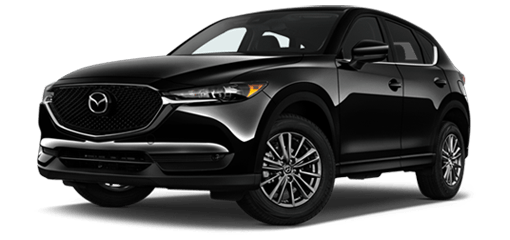 A midsize SUV silhouette highlighting ground clearance and roof-rail utility.
Performance & Engineering: Speed vs. Capability
Powertrain Options
Premium cars offer a broader performance envelope. A BMW 330i’s 2.0L turbo-four hits 60 mph in 5.3 seconds; an M340i with a 3.0L inline-six drops to 4.1 seconds. Plug-in hybrids like the Mercedes C 300 e add 30–40 miles of EV range without sacrificing trunk space. Intermediate SUVs converge on 3.5L V6s (295–310 hp) or 2.3–2.5L turbo-fours (265–300 hp), delivering 0–60 times of 6.5–7.8 seconds — adequate for merging, not for track days. Towing capacity tells the real story: premium sedans max out around 3,500 lbs; intermediate SUVs rate 5,000–5,500 lbs with proper equipment.
Handling & Ride Quality
Double-wishbone or multi-link front suspensions, adaptive dampers, and rear-wheel steering (on flagships) give premium cars a 50:50 weight distribution feel. Body roll is minimal, steering ratio is quick (12:1–14:1), and NVH isolation yields 62–65 dB at 70 mph. Intermediate SUVs use MacPherson struts up front and multi-link rear; ride tuning favors absorption over precision. Expect 1–2 degrees more body roll in corners and 66–69 dB highway noise. A common mistake is assuming available air suspension on an SUV matches a premium car’s composure — it improves load leveling, not lateral control. You can also read our guide on top luxury suvs of.
Towing & Payload
If you tow a 4,000-lb travel trailer weekly, the SUV’s integrated trailer sway control, heavy-duty cooling, and standard hitch receiver are decisive. Premium cars require aftermarket hitches and often lack the cooling capacity for sustained grades. Payload (occupants + cargo) also favors SUVs: 1,400–1,600 lbs vs. 900–1,100 lbs for sedans.
Interior Experience: Opulence vs. Versatility
Materials & Fit-and-Finish
Premium cabins use hide leather that passes the “thumb nail” test (no imprint), contrast stitching with 0.5 mm thread tolerance, and aluminum or carbon-fiber trim that is structural, not appliqué. Intermediate SUVs employ synthetic leather (SofTex, NuLux) on seating surfaces, soft-touch plastics on upper doors, and hard-grained plastics on lower consoles. The gap narrows in top trims (Palisade Calligraphy, Telluride SX Prestige), but panel gaps remain 1.5–2.0 mm vs. 0.8–1.2 mm on premium cars. You can also read our guide on exclusive first look the new range rover.
Seating Configurations & Comfort
Premium cars offer 20-way front seats with massage, thigh extension, and microclimate ventilation. Rear legroom averages 36–38 inches — tight for three adults. Intermediate SUVs provide 38–41 inches in row two and 30–33 inches in row three (if equipped). Captain’s chairs (standard on Palisade, optional on Pilot) ease third-row access but reduce max occupancy to seven. For family duty, the SUV’s one-touch fold-flat second row and 85–95 cu ft behind row one are unmatched.
Cargo Flexibility
A premium sedan trunk holds 13–17 cu ft with a narrow pass-through. An intermediate SUV delivers 18–21 cu ft behind row three, 45–50 cu ft behind row two, and 85–95 cu ft behind row one. Under-floor bins, grocery hooks, and 120 V outlets (on Touring/Platinum trims) add practical touches you’ll use daily.
Technology & Driver Assistance
Infotainment & Connectivity
Premium cars lead with 12.3–14.9 inch OLED curved displays, augmented-reality navigation, and wireless Apple CarPlay/Android Auto as standard. Over-the-air updates refresh maps, EV battery management, and even suspension maps. Intermediate SUVs have caught up on screen size (12.3 inch common) but often retain wired CarPlay on base trims and lag 6–12 months on OTA capability. Voice assistants in premium cars process natural language (“I’m cold”) vs. command-based (“Set temperature 72”).
Advanced Driver Assistance Systems (ADAS)
Both segments now include automatic emergency braking, blind-spot monitoring, and lane-keeping assist as standard. Premium cars add highway hands-free systems (Mercedes Drive Pilot L3 in approved zones, BMW Highway Assistant, Ford BlueCruise on Lincoln Aviator) that function above 40 mph on mapped interstates. Intermediate SUVs offer comparable adaptive cruise with stop-and-go and lane centering, but hands-free operation remains rare below the luxury-adjacent tier. In practice, the premium systems handle construction zones and merging traffic more smoothly due to richer sensor suites (lidar + high-res radar + 8+ cameras vs. 5–6 cameras + radar).
Digital Integration
Digital key (phone-as-key) is standard on Genesis, Hyundai, and BMW; optional on Toyota/Lexus. Remote parking via smartphone appears on premium cars and the Kia Telluride/Palisade twins. A practical tip: verify your specific phone model compatibility before assuming the feature works.
Total Cost of Ownership: Purchase Price, Depreciation & Running Costs
Upfront Pricing & Financing
Average transaction prices (2024–2025 data): premium compact sedan $52,000; premium midsize sedan $68,000; intermediate SUV $48,000; luxury-adjacent intermediate SUV $62,000. Incentives fluctuate — premium brands lean on subsidized lease rates (low money factor) while mainstream SUVs offer cash rebates. Check current market pricing trends before negotiating.
Depreciation Trajectories
Premium cars lose 35–45 % in year one, then 12–15 % annually through year five. Intermediate SUVs depreciate 25–30 % year one, 10–12 % thereafter. After five years, a $55,000 premium sedan retains ~$22,000; a $48,000 SUV retains ~$24,000. The gap narrows because SUV demand remains strong at auction. Limited editions or high-performance variants (M, AMG, V-Series) can defy the curve but require enthusiast buyers.
Insurance, Maintenance & Fuel/Energy Costs
Insurance premiums run 20–35 % higher for premium cars due to parts cost and repair complexity (aluminum panels, multi-stage paint). Maintenance: premium cars require synthetic oil every 10,000 miles, brake fluid every two years, and often mandate dealer service for warranty adherence. Intermediate SUVs use conventional intervals (5,000–7,500 miles) and accept aftermarket parts more readily. Fuel: premium sedans average 26–30 mpg combined (premium fuel recommended); SUVs 22–25 mpg (regular acceptable on most). Plug-in hybrids in both segments can slash energy costs if you charge nightly — see the fuel requirement guide for octane specifics.
Real-World Use Cases: Which Fits Your Life?
Daily Commute & Urban Driving
Premium cars excel in tight parking garages (turning circle 36–38 ft vs. 39–41 ft), offer better forward visibility over the hood, and return higher mpg in stop-and-go. Their lower step-in height reduces fatigue on 2x/day entry/exit. If your commute exceeds 50 miles round-trip, a plug-in hybrid premium car (30+ mi EV range) may eliminate gas station visits entirely.
Family Hauling & Road Trips
Two car seats plus a stroller fit in a premium sedan trunk only with a roof box. An intermediate SUV swallows them behind row three, leaving the cargo cover in place. Third-row USB-C ports, rear HVAC controls, and available rear-seat entertainment (Honda Pilot, Hyundai Palisade) keep kids settled. For 500+ mile days, the SUV’s upright seating reduces hip/knee flexion fatigue.
Light Off-Road & Adverse Weather
All-wheel drive with a center locking differential (available on Toyota Highlander, Ford Explorer, Subaru Ascent) and 8+ inches clearance let intermediate SUVs tackle unplowed subdivision roads, gravel campground loops, and beach access tracks. Premium car AWD systems (xDrive, Quattro, 4MATIC) are bias-rear for handling; they lack low-range gearing and underbody protection. In practice, an AWD premium sedan with winter tires outperforms an AWD SUV on all-seasons in pure snow braking, but the SUV wins once snow depth exceeds 6 inches.
Safety: Crashworthiness & Active Safety
Structural Differences
Premium cars use hot-stamped boron steel in A-pillars and roof rails, achieving IIHS Top Safety Pick+ with “Good” ratings in all six crash modes including the updated moderate-overlap test. Intermediate SUVs match this performance in top trims; lower trims sometimes miss the “Acceptable” headlight rating that disqualifies TSP+. Check the NHTSA crash test database for model-specific scores.
Active Safety Feature Availability
Automatic emergency braking with pedestrian/cyclist detection (day/night) is now universal. Premium cars add intersection assist (braking for crossing traffic), evasive steering assist, and rear cross-traffic braking. Intermediate SUVs include rear cross-traffic alert and safe-exit warning (prevents door opening into cyclist), but intersection assist remains rare.
Insurance Institute & Government Ratings
Both segments perform well, but premium cars edge out in roof strength (4.5x vehicle weight vs. 4.0x) due to lower mass. Rollover resistance favors sedans (10–11 % risk) over SUVs (15–17 % risk) — a factor if you drive winding mountain roads frequently.
Environmental Impact & Efficiency
Electrified Options in Both Segments
2026 brings plug-in hybrid premium sedans (BMW 330e, Mercedes C 300 e, Volvo S60 Recharge) with 35–45 mi EPA EV range. Intermediate SUV PHEVs (Toyota Grand Highlander Hybrid Max, Hyundai Santa Fe PHEV, Kia Sorento PHEV) offer 30–38 mi. Full-electric premium sedans (BMW i5, Mercedes EQE, Lucid Air) start at $65,000; electric intermediate SUVs (Kia EV9, Hyundai Ioniq 7, Rivian R1S) start near $70,000 but qualify for federal tax credit if MSRP ≤ $80,000 and final assembly in North America.
Real-World Fuel Economy & Emissions
EPA combined ratings: premium sedan 28–32 mpg (PHEV 60–75 MPGe); intermediate SUV 23–26 mpg (PHEV 55–65 MPGe). Lifecycle analyses (Argonne GREET model) show a PHEV driven 80 % electric breaks even with a full EV on CO₂ at ~45,000 miles if charged on the current U.S. grid mix. For pure gasoline, the sedan emits ~3.5 metric tons CO₂/yr (15k mi) vs. ~4.2 for the SUV. Consult the EPA fuel economy guide for model-specific numbers.
Lifecycle Considerations
Battery production emissions are similar per kWh; larger SUV packs (100+ kWh) carry a higher upfront carbon debt. However, longer vehicle lifespan (SUVs average 12–14 years vs. 10–12 for premium sedans) amortizes that debt over more miles. Tire particulate emissions are 15–20 % higher on heavier SUVs — an emerging regulatory focus.
Market Trends & Resale Outlook (2024–2026)
Shifting Buyer Preferences
SUV share of U.S. retail sales stabilized at 54 % in 2025 after a decade of growth. Premium sedans hold 8–9 % but skew older buyer (median age 56). Younger luxury buyers migrate to compact luxury SUVs (Genesis GV70, Lexus NX, BMW X3). The intermediate SUV segment sees conquest from minivan owners seeking style and from compact SUV owners needing third row.
Residual Value Projections
ALG 2026 residual forecasts: premium compact sedan 48 % at 36 months; intermediate SUV 53 %. Luxury-adjacent SUVs (Lincoln Aviator, Cadillac XT6) lag at 49 % due to incentive-heavy launches. High-demand trims (Toyota Highlander Hybrid, Kia Telluride X-Pro) can exceed 58 % — a popular intermediate SUV example.
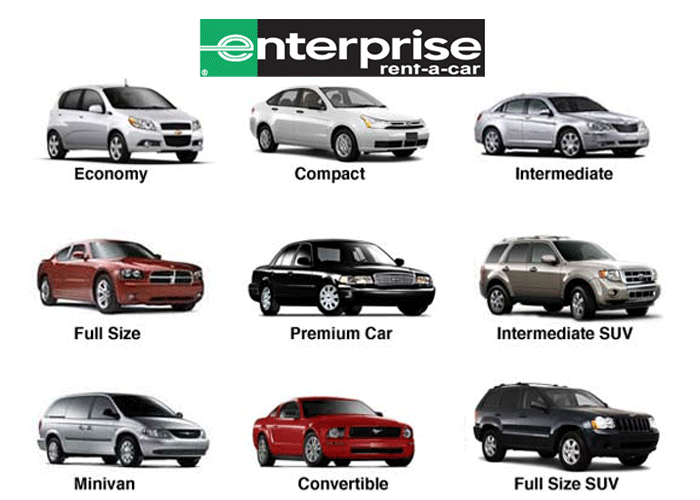 Typical family road-trip load-out demonstrating SUV cargo versatility.
Decision Framework: 5 Questions to Answer Before You Buy
- How many people do you transport regularly? 1–2 → premium car; 3+ with car seats → SUV.
- Do you tow more than 3,500 lbs or carry bulk gear (bikes, kayaks, building materials) monthly? Yes → SUV.
- Is your daily route congested urban streets with tight parking? Yes → premium car.
- Will you charge at home overnight? Yes → PHEV or EV in either segment; no → prioritize hybrid SUV for efficiency.
- What is your 5-year total cost ceiling? Run the numbers: depreciation + insurance + fuel + maintenance. SUVs often win on TCO for high-mileage drivers.
Conclusion: Matching the Vehicle to Your Priorities
There is no universal winner — only the right tool for your routine. A premium car delivers a quieter, sharper, more aesthetically refined experience every time you grip the wheel. An intermediate SUV delivers the freedom to say “yes” to spontaneous trips, bulky purchases, and growing families without a second vehicle. If your garage fits one car and your life demands both personas, consider a premium compact SUV (Genesis GV70, BMW X3, Mercedes GLC) — they split the difference better than ever. Test-drive both segments back-to-back on your actual roads; the seat-of-the-pants feel resolves spec-sheet paralysis faster than any spreadsheet.
Frequently Asked Questions
Is a premium car safer than an intermediate SUV?
Both earn top crash ratings, but premium cars often include more advanced active safety (intersection assist, evasive steering) as standard. SUVs add safe-exit warning and higher seating for visibility.
Which holds value better after five years?
Intermediate SUVs typically retain 50–55 % of MSRP; premium sedans 40–45 %. High-demand SUV trims can exceed 58 %.
Can a premium sedan handle snow as well as an AWD SUV?
With dedicated winter tires, a premium AWD sedan stops and turns better on packed snow. The SUV wins in deep snow (>6 in) thanks to ground clearance and low-range gearing (if equipped).
Are maintenance costs significantly higher for premium cars?
Yes — 20–35 % higher over five years due to synthetic fluids, dealer labor rates, and expensive wear items (run-flat tires, adaptive damper replacements).
Do intermediate SUVs offer genuine third-row space for adults?
Most accommodate adults up to 5’8” for trips under 90 minutes. The Kia Telluride, Hyundai Palisade, and VW Atlas offer the most generous third-row legroom (33–34 in).
Which segment has more plug-in hybrid choices in 2026?
Premium sedans lead with 8–10 PHEV models; intermediate SUVs offer 5–6, but the gap is narrowing rapidly.