

Choosing a premium or luxury SUV in 2026 means balancing cutting‑edge technology, refined comfort, and genuine driving dynamics. Today’s flagship models blend electrified powertrains, advanced driver‑assist suites, and handcrafted interiors that rival private jets. Whether you prioritize serene highway cruising, off‑road capability, or a statement‑making presence, the segment offers a clear hierarchy of value, performance, and exclusivity. This guide walks through the defining traits, current market trends, top contenders, and practical buying criteria so you can match a vehicle to your lifestyle without guesswork.
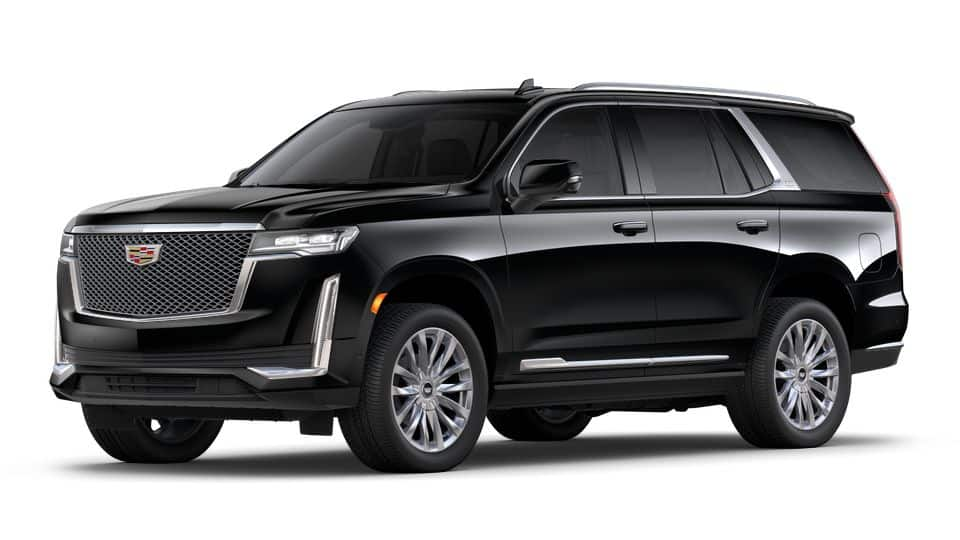
Cadillac Escalade showcasing bold grille and LED lighting
What Defines a Premium or Luxury SUV?
A premium SUV typically starts near the $45 k–$60 k range and delivers elevated materials, a quiet cabin, and a comprehensive safety suite. Luxury models push past $80 k, adding bespoke trim options, higher‑output powertrains (often hybrid or full‑electric), and concierge‑level service programs. The distinction isn’t purely price; it’s the depth of engineering — multi‑link air suspension, active noise cancellation, and over‑the‑air software updates that keep the vehicle current for years. Understanding the evolution of the SUV segment helps contextualize why today’s flagships feel more like mobile lounges than utilitarian haulers. You can also read our guide on top luxury suvs of.
Market Trends Shaping 2026 Luxury SUVs
Electrification dominates product roadmaps: every major European and American brand now offers a plug‑in hybrid or dedicated EV variant, and several have committed to an all‑electric lineup by 2030. Customization has moved beyond paint colors — buyers can specify sustainably sourced leather alternatives, open‑pore wood veneers, and even personalized ambient‑lighting themes. Connectivity suites now integrate 5G hotspots, cloud‑based navigation, and vehicle‑to‑everything (V2X) communication for smoother traffic flow. Sustainability reporting is becoming a purchase criterion, with manufacturers publishing lifecycle‑analysis data for each model. These shifts mean the 2026 showroom looks dramatically different from just three years ago.
Core Features That Set Them Apart
Cutting‑Edge Technology
Modern flagships ship with 12‑inch‑plus curved displays, natural‑language voice assistants, and augmented‑reality head‑up displays that project navigation onto the windshield. Adaptive cruise control with traffic‑jam assist, automated lane‑change, and intersection‑turn‑assist are standard on most luxury trims. Over‑the‑air updates add features post‑sale — a practical advantage that keeps the infotainment and safety logic current without a dealer visit. You can also read our guide on tesla model x review innovation meets luxury.
Comfort and Interior Opulence
Hand‑stitched semi‑aniline leather, massaging front seats with 12‑point adjustment, and four‑zone climate control create a first‑class cabin. Rear‑seat executive packages add reclining seats, fold‑out tables, and dedicated entertainment screens. Active noise cancellation uses microphones and the audio system to cancel road and wind noise, delivering library‑quiet conditions at 80 mph.
Performance and Power
Twin‑turbo V6s, 48‑volt mild‑hybrid V8s, and dual‑motor all‑wheel‑drive EV architectures produce 400–650 hp while returning 20–30 mpge combined. Air suspension with continuously variable damping adapts to load and road surface, delivering a composed ride whether you’re on a potholed city street or a high‑speed autobahn. Some models offer selectable drive modes that adjust throttle response, steering weight, and suspension stiffness in real time. You can also read our guide on bmw x5 vs audi q7.

Lincoln Navigator cabin showing quilted leather seats and ambient lighting
Top 2026 Contenders by Region
| Model | Powertrain | Starting MSRP* | Key Differentiator |
|---|---|---|---|
| BMW X7 M60i | 4.4 L Twin‑Turbo V8 + 48 V mild‑hybrid | $108,500 | M‑specific chassis tuning, panoramic sky lounge |
| Mercedes‑Benz EQS SUV 580 | Dual‑motor AWD, 107 kWh battery | $104,400 | 300‑mile EPA range, MBUX Hyperscreen |
| Audi Q8 e‑tron 55 | Dual‑motor AWD, 106 kWh battery | $85,000 | Virtual mirrors, 150 kW DC fast charge |
| Cadillac Escalade‑V | 6.2 L Supercharged V8 | $150,000 | 682 hp, Magnetic Ride Control 4.0 |
| Lincoln Navigator L Black Label | 3.5 L Twin‑Turbo V6 + 10‑speed auto | $108,000 | 30‑way Perfect Position seats, Revel Ultima 3D audio |
| Lexus LX 600 F Sport | 3.5 L Twin‑Turbo V6 | $100,000 | Multi‑Terrain Select, Mark Levinson 23‑speaker |
| Genesis GV90 (2026 debut) | Dual‑motor AWD, 113 kWh battery | $95,000 (est.) | Crystal Sphere shifter, 800‑V architecture |
*MSRP excludes destination, options, and potential federal EV tax credit.
European brands continue to lead in driver‑centric dynamics and digital integration, while American icons lean into sheer presence and V8 soundtrack. Asian manufacturers — Lexus, Genesis, and the upcoming Toyota Rav4 XLE Premium updates — emphasize reliability, hybrid efficiency, and a growing suite of luxury appointments. For a deeper dive on the Rav4 XLE Premium in detail, see our dedicated review. The latest Rav4 XLE Premium updates also add a 12.3‑inch touchscreen and standard Toyota Safety Sense 3.0.
How to Choose the Right Luxury SUV for You
- Define primary use – Daily commuter, family road‑tripper, or occasional off‑road explorer?
- Set a realistic budget – Include insurance, maintenance, and potential home‑charging installation for EVs.
- Prioritize must‑have tech – Decide whether you need rear‑seat entertainment, advanced park‑assist, or a specific infotainment ecosystem (Apple CarPlay/Android Auto vs. proprietary).
- Test‑drive in varied conditions – Spend at least 30 minutes on highway, city streets, and a rough surface to evaluate ride quality and noise isolation.
- Check safety scores – Refer to NHTSA crash‑test ratings and IIHS Top Safety Pick+ designations for each trim.
- Compare total cost of ownership – Use EPA fuel‑economy data for projected energy costs, and factor in scheduled maintenance intervals (many luxury brands include the first 3‑4 years free).
A common mistake is focusing solely on badge prestige while overlooking cargo flexibility; several flagships lose third‑row space when the hybrid battery pack intrudes. Verify seat‑fold mechanisms and cargo volume with the seats down before committing. For more on this, see our guide on suv wiper blades premium.
Customization and Exclusive Packages
Most marques offer a “design studio” experience where you can select exterior paint from a palette of 30+ hues, including matte and satin finishes. Interior programs let you mix leather grain, contrast stitching, and open‑pore wood or carbon‑fiber trim. Performance packs add torque‑vectoring differentials, carbon‑ceramic brakes, and sport‑tuned suspension. Off‑road bundles (e.g., Lexus Multi‑Terrain Select, Land Rover Terrain Response 2) equip locking differentials, skid plates, and all‑terrain tires. Limited‑edition “Black Label” or “Manufaktur” trims bundle exclusive badging, bespoke luggage sets, and invitation‑only owner events.
Price Tiers and Value Considerations
| Tier | Typical MSRP Range | What You Gain |
|---|---|---|
| Entry‑Level Luxury | $45 k–$60 k | Premium materials, full safety suite, modest powertrain |
| Mid‑Range | $60 k–$90 k | Stronger engines, air suspension, larger screens, more customization |
| Flagship / Ultra‑Luxury | $90 k–$150 k+ | Hand‑crafted interiors, V8/EV flagship powertrains, concierge services |
Resale values remain strongest for brands with proven reliability histories (Lexus, Genesis) and for models with limited production runs. Electric variants may depreciate faster initially but benefit from federal tax credits that effectively lower the net purchase price.
Ownership Experience: Service, Warranty, and Perks
Luxury brands typically include 4‑year/50,000‑mile complimentary maintenance, 24/7 roadside assistance, and loaner vehicles during service. Dedicated “personal assistant” apps let you schedule service, request a valet pick‑up, or reserve a charging stall at partner networks. Some manufacturers host exclusive track days, wine‑tasting tours, or private concert access for owners. Warranty coverage often extends to 6 years/70,000 miles for the powertrain and 4 years/50,000 miles for the vehicle, with corrosion protection up to 12 years. Understanding these benefits can tip the scales when two models are otherwise evenly matched.
Future Outlook: Electrification and Autonomous Tech
By 2027, most luxury SUVs will offer at least one 800‑V architecture EV capable of 350 kW charging — adding 200 miles in under 15 minutes. Solid‑state battery pilots promise 500‑mile ranges with half the weight. Level 3 conditional automation (hands‑off, eyes‑off in geofenced highways) is slated for debut on flagship German models, pending regulatory approval. Sustainable materials — recycled ocean plastics, bio‑based leather, carbon‑negative aluminum — will become standard spec rather than optional. Buyers who plan to keep a vehicle 8‑10 years should weigh these upcoming shifts against current lease or finance terms.
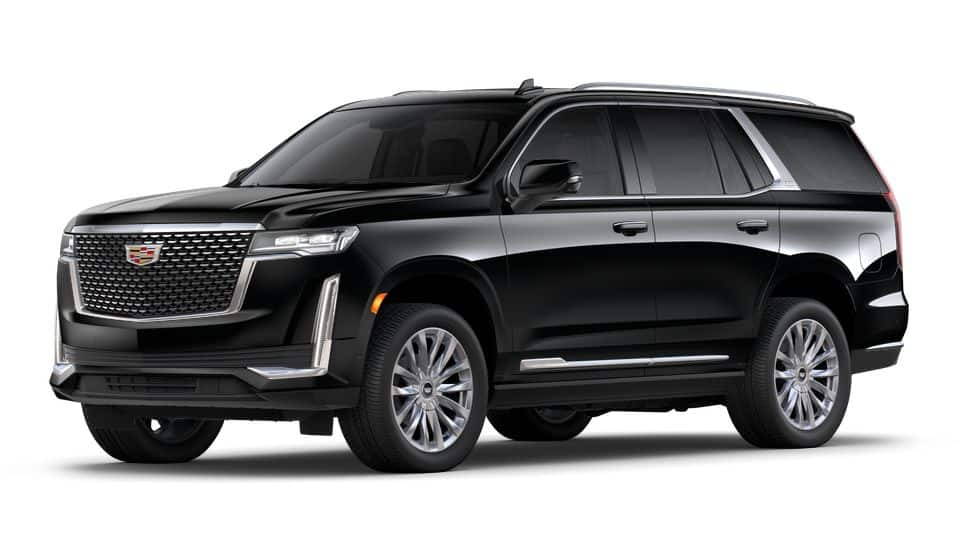
Cadillac Escalade rear three‑quarter view highlighting sculpted tail‑lamps
Frequently Asked Questions
What defines a premium SUV versus a luxury SUV?
Premium SUVs start around $45 k and deliver upscale materials, a comprehensive safety suite, and refined ride quality. Luxury SUVs exceed $80 k, adding bespoke customization, higher‑output electrified powertrains, and concierge‑level ownership services.
How do luxury SUVs differ from mainstream models?
Luxury variants use higher‑grade interior finishes, advanced noise‑cancellation, multi‑link air suspension, and proprietary driver‑assist software. They also include longer warranty coverage and exclusive service perks not found on mass‑market trims.
Are premium SUVs worth the higher purchase price?
If you value daily comfort, lower cabin noise, stronger resale on select brands, and a service experience that minimizes hassle, the premium pays off over a 5‑7‑year ownership cycle. Pure cost‑per‑mile calculations favor mainstream models for high‑mileage fleets.
Which luxury SUV brands lead in reliability?
Lexus and Genesis consistently top J.D. Power dependability studies for the segment. European brands excel in performance and technology but often show higher average repair frequency after the warranty period.
What should I test‑drive to evaluate a luxury SUV properly?
Spend time at highway speeds (70‑80 mph) to assess wind noise, on a broken‑pavement loop for ride compliance, and in a tight parking garage to gauge visibility and parking‑assist responsiveness. Bring your typical passenger load and cargo to verify real‑world space.
Conclusion
The 2026 premium and luxury SUV landscape offers a spectrum from driver‑focused European sport‑utes to serene American land‑yachts and tech‑forward Asian electrified flagships. Matching a vehicle to your daily routine, long‑term budget, and personal taste requires weighing powertrain choice, interior craftsmanship, technology depth, and ownership perks side by side. Use the comparison table above as a starting point, then schedule extended test drives on routes that reflect your real driving life. Ready to explore the latest buying guides and model‑specific deep dives? Check out our latest SUV buying guides for expert insights and up‑to‑date specifications.