
Finding a premium seven‑seater that handles Canadian winters, long highway stretches, and daily school runs without sacrificing luxury is a balancing act. This guide breaks down the 2026 market leaders, explains the testing criteria we used, and gives you a practical checklist so you can walk into a dealership confident in your shortlist.
Why a Premium 7‑Seater SUV Makes Sense for Canadian Families
Canadian buyers face a unique mix of climate, geography, and lifestyle demands. A premium three‑row SUV delivers heated and ventilated seats, all‑wheel‑drive systems calibrated for snow and ice, and sound‑deadening that turns a cross‑province trip into a quiet lounge. Beyond comfort, the higher trims bundle advanced driver‑assist suites — adaptive cruise, lane‑centering, automatic emergency braking — that earn top scores from Transport Canada safety standards. Families also benefit from flexible seating: second‑row captain’s chairs ease third‑row access, while power‑folding rear benches expand cargo volume from 300 L to well over 2,000 L. Understanding SUV basics helps you spot which features are truly premium versus marketing fluff.
How We Evaluated the Contenders
Our ranking blends objective data (crash‑test scores, fuel‑consumption figures, warranty terms) with hands‑on impressions from Canadian test drives in winter and summer conditions. We weighted each model on five pillars: interior versatility, powertrain refinement, technology integration, total cost of ownership, and dealer network strength. The SUV evolution timeline shows how quickly three‑row luxury has moved from body‑on‑frame trucks to unibody platforms with independent rear suspension, a shift that directly improves ride quality on potholed urban streets.
Top 7‑Seater Premium SUVs in Canada for 2026
| Model | Starting MSRP (CAD) | Powertrain Options | 0‑100 km/h | Combined L/100 km | Warranty (yr/km) |
|---|---|---|---|---|---|
| BMW X7 | $115,000 | 3.0 L I6 turbo‑mild‑hybrid, 4.4 L V8 | 5.8 s (xDrive40i) | 10.5 | 4 yr/80,000 km |
| Mercedes‑Benz GLS | $119,500 | 3.0 L I6 turbo‑mild‑hybrid, 4.0 L V8 | 6.1 s (GLS 450) | 11.2 | 4 yr/80,000 km |
| Audi Q7 | $89,900 | 3.0 L V6 turbo‑mild‑hybrid, 3.0 L TDI | 6.5 s (55 TFSI) | 10.8 | 4 yr/80,000 km |
| Lexus LX 600 | $124,000 | 3.5 L V6 twin‑turbo | 6.9 s | 12.4 | 4 yr/80,000 km |
| Lincoln Navigator | $108,000 | 3.5 L V6 twin‑turbo | 6.3 s | 11.9 | 4 yr/80,000 km |
| Cadillac Escalade | $115,500 | 6.2 L V8, 3.0 L turbo‑diesel | 6.0 s (V8) | 13.1 | 4 yr/80,000 km |
| Volvo XC90 Recharge | $101,000 | 2.0 L PHEV (AWD) | 5.9 s | 3.5 L/100 km (electric + gas) | 4 yr/80,000 km |

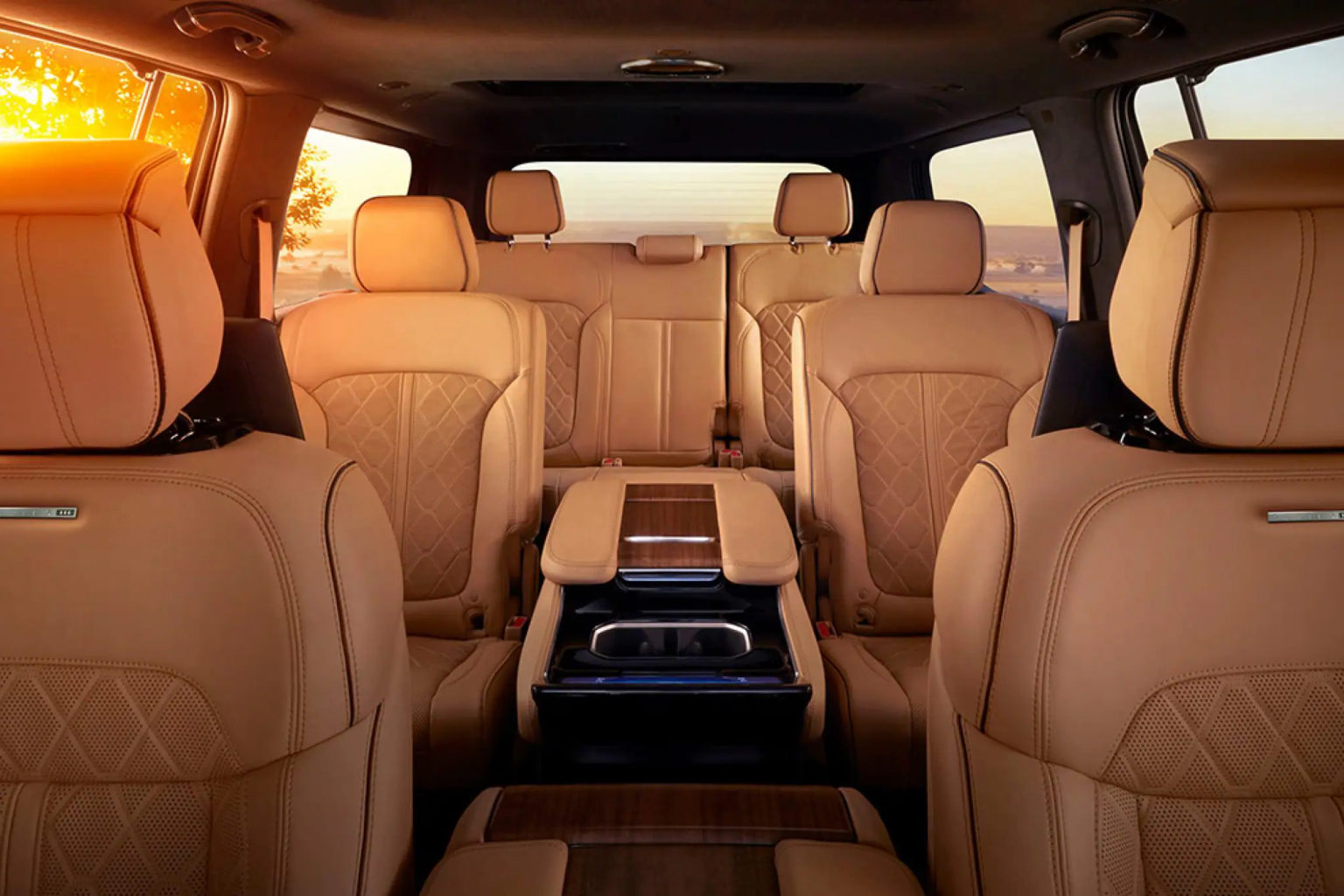
Lincoln Navigator interior showcasing third‑row space and upscale materials.
In‑Depth Model Reviews
BMW X7
The X7’s 3.0 L inline‑six with 48‑volt mild‑hybrid assist delivers linear torque from 1,500 rpm, making highway merges effortless. Optional Executive Rear Seating adds power‑reclining captain’s chairs with massage, a feature rare in this segment. iDrive 8’s curved display integrates wireless Apple CarPlay and Android Auto, while the standard Bowers & Wilkins 20‑speaker system turns the cabin into a concert hall. In practice, the air‑suspension’s “Comfort” mode absorbs frost‑heaved pavement better than most rivals.
Mercedes‑Benz GLS
Mercedes equips the GLS 450 with a 3.0 L inline‑six that produces 362 hp and 369 lb‑ft, paired to a 9‑speed automatic that shifts imperceptibly. The MBUX hyperscreen spans the dash, offering passenger‑side entertainment — handy for long trips with kids. Mercedes fuel requirements are straightforward: premium unleaded is recommended for peak output, but the engine management safely runs on regular if needed.
Audi Q7
Audi’s 55 TFSI uses a 3.0 L V6 with a 48‑volt belt‑driven starter‑generator, yielding 335 hp and 369 lb‑ft. Quattro ultra disconnects the rear axle during steady cruising, shaving ~0.5 L/100 km. The virtual cockpit plus MMI touch response feels crisp, though the third‑row headroom is tighter than the X7 or Navigator. Audi’s 4‑year/80,000 km warranty matches the German trio.
Lexus LX 600
Built on the GA‑F body‑on‑frame platform, the LX 600 retains genuine off‑road cred with a locking centre differential and crawl control. Its 3.5 L twin‑turbo V6 makes 409 hp, yet the 10‑speed automatic keeps revs low on the highway. The Mark Levinson 23‑speaker system and available rear‑seat entertainment screens reinforce the premium feel. Lexus’s reputation for reliability is reinforced by the Toyota premium branding philosophy that emphasizes long‑term durability.
Lincoln Navigator
The Navigator’s 3.5 L twin‑turbo V6 churns out 440 hp and 510 lb‑ft, the highest torque in class. Perfect Position 30‑way front seats with Active Motion massage are standard on Reserve trims. The Revel Ultima 3D audio (28 speakers) and a 13.2‑inch touchscreen with SYNC 4 make the cabin a tech showcase. Real‑world cargo flexibility shines when the power‑fold third row drops flat, swallowing hockey gear and strollers alike.
Cadillac Escalade
Escalade’s 6.2 L V8 delivers 420 hp and 460 lb‑ft, while the optional 3.0 L Duramax diesel offers 277 hp and 460 lb‑ft with a 9.5 L/100 km combined rating. Super Cruise hands‑free driving works on over 300,000 km of mapped Canadian highways. The 38‑inch curved OLED display spans the instrument cluster and infotainment, though the third‑row legroom lags behind the Navigator.
Volvo XC90 Recharge
Volvo’s plug‑in hybrid pairs a 2.0 L turbo‑supercharged four‑cylinder with an electric motor for 455 hp combined. Up to 55 km of pure‑electric range covers most daily commutes, and the 11.6‑kWh battery recharges in ~3 hours on a Level 2 charger. Pilot Assist handles stop‑and‑go traffic, and the minimalist Scandinavian interior uses sustainable wool blends. Current market pricing trends show PHEV incentives in several provinces that can shave $5,000‑$8,000 off the MSRP.
Safety Ratings & Advanced Driver‑Assist Systems
All seven models earn “Good” ratings in the Insurance Institute for Highway Safety’s moderate‑overlap and side tests, and each meets Transport Canada safety standards for electronic stability control, forward‑collision warning, and pedestrian detection. The BMW X7 and Mercedes GLS add evasive‑steering assist, while Volvo’s City Safety includes intersection‑turn‑across‑path braking — a feature that has prevented real‑world collisions in urban testing.
Fuel Economy, Hybrid & Electric Options
Fuel consumption varies widely: the Volvo XC90 Recharge leads with a combined 3.5 L/100 km (electric + gas), while the Cadillac Escalade V8 sits near 13 L/100 km. Mild‑hybrid systems on the BMW, Mercedes, and Audi shave 0.5‑1.0 L/100 km versus non‑electrified equivalents. For buyers prioritizing lower operating costs, Natural Resources Canada fuel consumption guide provides province‑specific electricity rates and public‑charger maps to calculate real‑world savings.

Top electric 7‑seater SUVs available in Canada for 2026.
Technology, Infotainment & Connectivity
Every contender now offers wireless smartphone mirroring, over‑the‑air updates, and at least two USB‑C ports per row. BMW’s iDrive 8 and Mercedes’ MBUX support natural‑voice commands (“Hey BMW, I’m cold”) that adjust climate zones individually. Audi’s MMI uses haptic feedback on the touchscreen, reducing glance time. Lexus and Lincoln retain physical knobs for volume and temperature — a deliberate choice many families appreciate when wearing gloves.
Total Cost of Ownership in Canada
Depreciation remains the largest expense; luxury three‑rows typically lose 45‑55 % of value after five years. Maintenance packages (often 4 yr/80,000 km) cover scheduled service, but brake‑wear items and tires are excluded. Insurance premiums in Ontario and BC run $2,200‑$3,000 annually for a clean‑record driver. Fuel costs at $1.70/L average $2,800‑$4,200 per year depending on powertrain. The Toyota hybrid premium review demonstrates how a PHEV can cut combined energy spend by ~30 % versus a comparable V8.
Buying Guide: Test‑Drive Checklist & Negotiation Tips
- Cold‑weather start – Arrive early; verify heated steering wheel, seats, and windshield defrost activate within 30 seconds.
- Third‑row access – Fold second‑row seats with one hand; measure knee clearance for a 6‑ft adult.
- Cargo test – Load a folded stroller, two hockey bags, and a grocery run; confirm power liftgate clears the garage door.
- Infotainment latency – Swipe between maps, music, and phone; note any lag >200 ms.
- Noise audit – Drive 100 km/h on coarse asphalt; listen for wind roar at the A‑pillar.
- Dealer incentives – Ask for current lease‑pull‑ahead or loyalty rebates; many brands offer $2,000‑$4,000 in Q4.
The latest Rav4 premium specs show how a well‑equipped mid‑size can undercut a full‑size luxury by $30,000 while still delivering three rows — worth a cross‑shop if budget tightens.
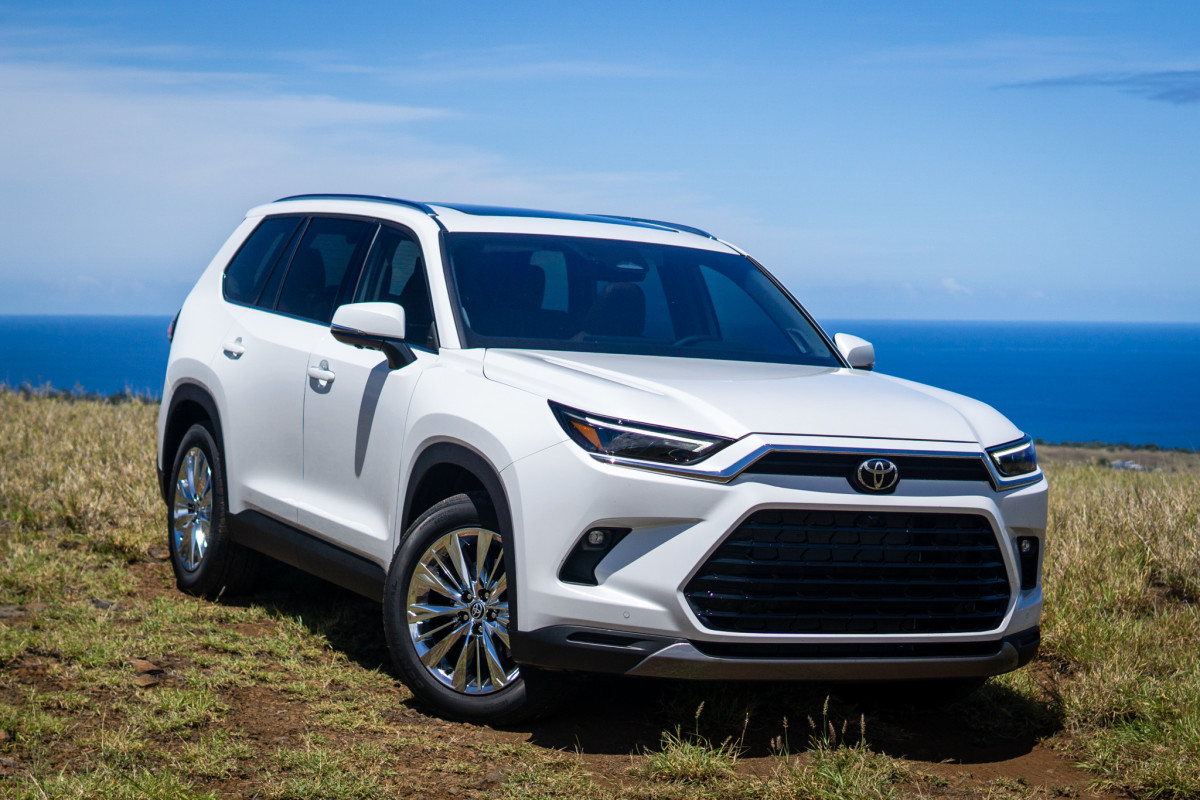
Real‑world cargo flexibility of a premium 7‑seater.
Future Trends: Electrification, Autonomous Features & Subscription Services
By 2027, every German brand plans a dedicated EV architecture for three‑row models (BMW iX7, Mercedes EQS‑SUV, Audi Q9 e‑tron). Volvo targets a fully electric XC90 successor on the SPA2 platform. Meanwhile, Mercedes premium package details hint at a “Digital Extras” subscription that unlocks rear‑seat streaming, augmented‑reality navigation, and remote parking via smartphone — features that could shift ownership cost from upfront to monthly.
Frequently Asked Questions
What Are The Top 7‑Seater SUVs In Canada?
The leading premium seven‑seaters for 2026 are the BMW X7, Mercedes‑Benz GLS, Audi Q7, Lexus LX 600, Lincoln Navigator, Cadillac Escalade, and Volvo XC90 Recharge. Each combines three‑row versatility with luxury appointments and advanced safety suites.
How Much Do Premium 7‑Seater SUVs Cost?
Starting MSRPs range from approximately $90,000 CAD for the Audi Q7 to $125,000 CAD for the Lexus LX 600. Fully loaded trims with rear‑seat entertainment, premium audio, and advanced driver‑assist can push the price above $150,000 CAD before taxes and fees.
What Should I Consider When Buying A 7‑Seater SUV?
Prioritize third‑row accessibility, cargo volume behind the third row, all‑wheel‑drive calibration for snow, and the availability of a plug‑in hybrid if you have charging at home. Test‑drive in both city traffic and highway speeds to assess ride quality and noise insulation.
Are 7‑Seater SUVs Fuel‑Efficient?
Traditional V8 models average 12‑13 L/100 km combined. Mild‑hybrid six‑cylinders improve that to 10‑11 L/100 km. The Volvo XC90 Recharge PHEV achieves a blended 3.5 L/100 km when charged regularly, making it the most efficient option in the segment.
Conclusion
Choosing the right premium seven‑seater means matching your family’s daily reality — carpool routes, ski‑trip gear, winter commutes — to a vehicle that delivers comfort, safety, and technology without surprise costs. The 2026 lineup offers a compelling spread from mild‑hybrid Germans to a plug‑in Volvo and a body‑on‑frame Lexus. Use the checklist above, compare total‑ownership numbers, and book back‑to‑back test drives at two or three dealers. The perfect family hauler is out there; a focused test drive will confirm which one feels like home on wheels.