
Shopping for a luxury SUV that runs on regular unleaded saves thousands over ownership without forcing compromise on comfort, technology, or resale value. Automakers have tuned turbocharged four-cylinders, advanced six-cylinders, and hybrid powertrains to deliver genuine premium performance on 87-octane fuel. This guide breaks down every 2025–2026 model that fits the criteria, explains the engineering behind the savings, and gives you a practical framework for choosing the right vehicle.
Why Premium Fuel Requirements Matter
An engine's octane requirement is not a suggestion — it is calibrated to its compression ratio, boost pressure, and ignition timing. Forcing regular gas into a premium-recommended engine can trigger knock retard, cutting power 10–15 % and risking long-term carbon buildup. Conversely, engines certified for 87 octane are mapped from the factory to extract maximum torque without knock, so you never leave performance on the table. Understanding this distinction prevents the costly mistake of assuming "premium recommended" means "premium optional." You can also read our guide on what is an suv.
How Manufacturers Achieve Luxury Performance on Regular Gasoline
Modern powertrain strategies make regular-fuel luxury feasible:
- Miller/Atkinson cycle with high geometric compression — Toyota's 2.5 L hybrid four-cylinder runs 14:1 compression yet sips 87 octane because the intake valve stays open longer, lowering effective compression under load.
- Low-boost turbocharging with port + direct injection — Mazda's 2.5 L Turbo and Ford's 2.3 L EcoBoost limit peak boost to ~16 psi and use port injection to cool the charge, suppressing knock on regular fuel.
- Dual-injection and tumble-flow combustion chambers — Honda's 3.5 L V6 (J35Y8) in the Pilot and Passport combines direct and port injection with high-tumble ports, achieving 280 hp on 87 octane.
- 48-volt mild-hybrid assist — Mercedes-Benz and Audi use integrated starter-generators to fill torque gaps at low rpm, allowing conservative spark maps that tolerate regular gas.
In practice, the real-world difference between a premium-tuned and regular-tuned version of the same displacement is often 15–20 hp at peak — barely noticeable in daily driving — while the fuel-cost delta compounds every fill-up.
 Contemporary luxury cabin with regular-fuel powertrain — no compromise on materials or tech.
2025–2026 Luxury SUVs Certified for Regular Unleaded
The table below lists every current-model-year luxury SUV whose owner's manual explicitly states 87 AKI (R+M)/2 minimum. Figures are EPA combined estimates; real-world mixed driving typically lands 1–2 mpg lower. You can also read our guide on history of suv.
| Model | Powertrain | EPA Combined MPG | Starting MSRP* | Seating |
|---|---|---|---|---|
| Acura MDX (non-Type S) | 3.5 L V6, 10-speed auto | 21 | $51,850 | 7 |
| Buick Enclave Avenir | 2.5 L Turbo I4, 8-speed auto | 22 | $53,900 | 7 |
| Cadillac XT6 | 3.6 L V6, 9-speed auto | 21 | $50,595 | 6–7 |
| Genesis GV80 2.5T | 2.5 L Turbo I4, 8-speed DCT | 23 | $56,800 | 5–7 |
| Honda Pilot / Passport | 3.5 L V6, 10-speed / 9-speed | 22 / 21 | $39,150 / $41,950 | 7 / 5 |
| Infiniti QX60 | 3.5 L V6, 9-speed auto | 21 | $50,200 | 7 |
| Lincoln Nautilus (2025 refresh) | 2.0 L Turbo I4, 8-speed auto | 23 | $50,415 | 5 |
| Mazda CX-90 Turbo (non-PHEV) | 3.3 L Turbo I6, 8-speed auto | 24 | $40,970 | 7–8 |
| Toyota Grand Highlander (gas & Hybrid) | 2.4 L Turbo / 2.5 L Hybrid | 23 / 36 | $44,670 / $47,670 | 7–8 |
| Volvo XC90 B5/B6 | 2.0 L Turbo/Supercharged I4, 8-speed | 23 / 22 | $57,600 | 6–7 |
*Prices include destination; MSRP before dealer markups. Always confirm the fuel sticker on the specific unit — fleet or regional variants occasionally differ.
German Brands: The Exception That Proves the Rule
BMW, Mercedes-Benz, and Audi do not currently offer a U.S.-market luxury SUV that factory-certifies 87 octane across the lineup. Their turbocharged engines target higher specific output and require 91 AKI minimum. If a German badge is non-negotiable, budget the fuel premium; our analysis on Mercedes fuel requirements quantifies the five-year cost. You can also read our guide on top luxury suvs of.
Japanese Brands: Depth and Reliability
Lexus RX 350, NX 350, and TX 350 all specify premium. The Toyota Grand Highlander and its Lexus TX sibling share the TNGA-K platform, but only the Toyota-badged versions are rated for regular — a deliberate calibration choice. For a deeper look at Toyota's premium-tier strategy, see what the premium brand designation means for buyers.
American Brands: Value and Space
Lincoln, Cadillac, and Buick leverage GM and Ford corporate engines tuned for regular from the outset. The Lincoln Nautilus refresh adopts the 2.0 L EcoBoost with standard 48 V assist, delivering 250 hp and 280 lb-ft on 87 octane — enough for 0–60 mph in 7.1 seconds while returning 23 mpg combined.
Korean Brand: Genesis GV80 2.5T
Genesis certifies its 2.5 L turbo four for regular across all trims. The 300 hp / 311 lb-ft output matches the old 3.3 L V6 while improving economy by 2 mpg. Standard all-wheel drive and a 5-year/60,000-mile warranty sweeten the value proposition.
Real-World Cost Comparison: Regular vs Premium Over Five Years
Assumptions: 15,000 miles/year, 22 mpg combined, national average price spread $0.55/gal (2024–2025 EIA data), no financing cost on fuel delta.
| Fuel Grade | Avg Price/Gal | Annual Gallons | Annual Cost | 5-Year Cost |
|---|---|---|---|---|
| Regular (87) | $3.35 | 682 | $2,285 | $11,425 |
| Premium (91) | $3.90 | 682 | $2,660 | $13,300 |
Net savings: $1,875 — enough for a full detail, ceramic coating, and a set of winter tires. If you keep the vehicle eight years, the gap widens to $3,000. For a broader market perspective on where vehicle pricing is headed, our analysis on whether car prices are trending down provides context.
Total Ownership Cost Analysis Beyond Fuel
Fuel is only one line item. The table below estimates five-year totals for three representative regular-fuel luxury SUVs (45,000 miles, average insurance zip, 60-month loan at 6.5 % APR, 20 % down).
| Cost Category | Mazda CX-90 Turbo | Lincoln Nautilus | Toyota Grand Highlander Hybrid |
|---|---|---|---|
| Depreciation (est.) | $18,200 | $21,500 | $16,800 |
| Fuel (regular) | $10,850 | $11,425 | $7,050 |
| Insurance | $7,900 | $8,400 | $7,600 |
| Maintenance & Repairs | $4,200 | $5,100 | $3,800 |
| Financing Interest | $6,100 | $6,800 | $5,900 |
| Total 5-Year | $47,250 | $53,225 | $41,150 |
Hybrid variants slash fuel costs further but often carry a $3,000–$5,000 price premium; break-even typically occurs at 45,000–55,000 miles.
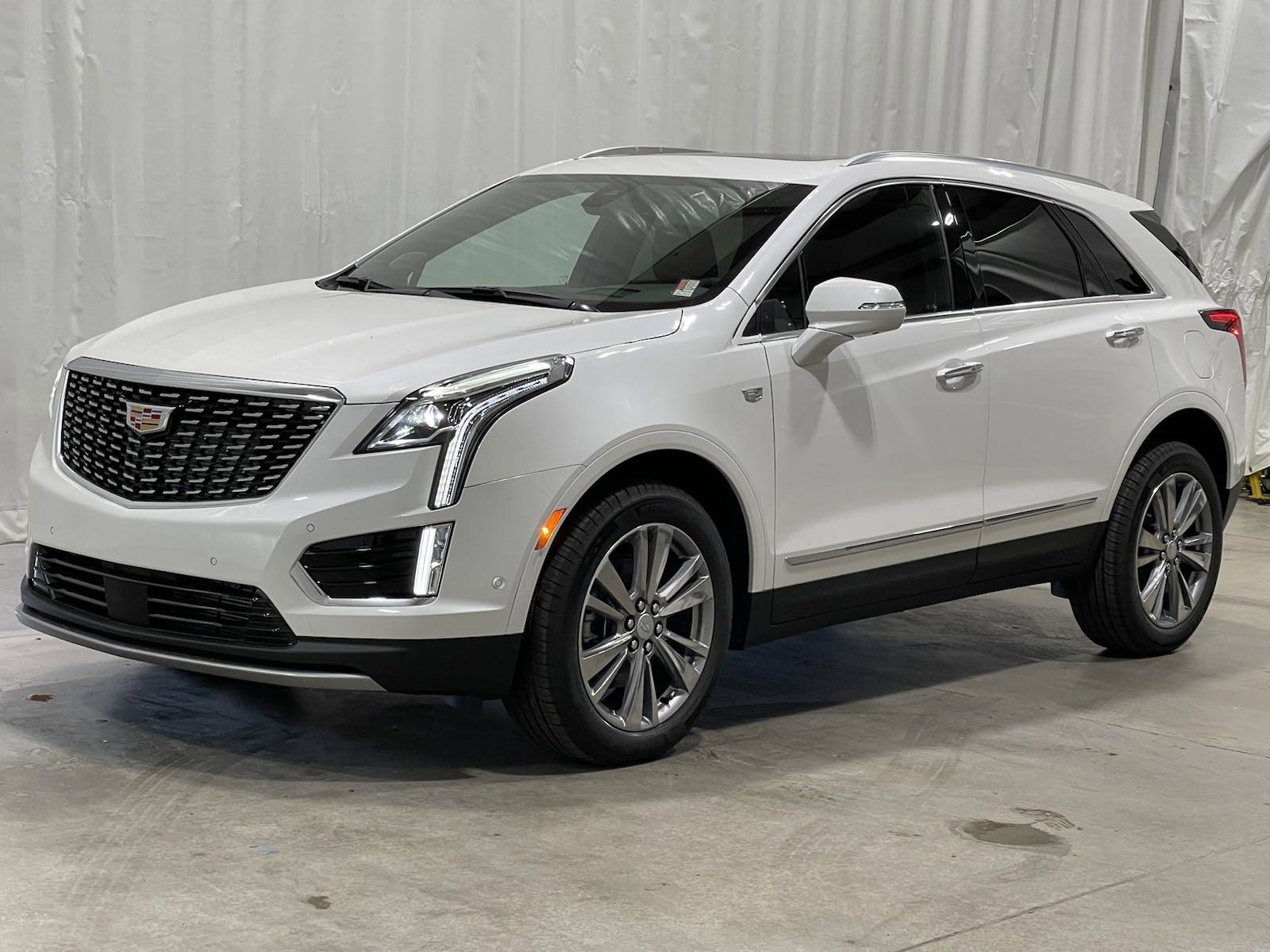
 Cadillac XT6 — V6 smoothness on regular unleaded, three-row versatility.
How to Verify Fuel Requirements Before Buying
- Check the fuel-door label — it lists the minimum AKI; "Premium Recommended" means regular is acceptable but power may drop slightly.
- Read the owner's manual PDF (downloadable from manufacturer sites) — search "fuel" or "octane."
- Cross-reference EPA fuel economy labels at fueleconomy.gov — the "Fuel Type" field is authoritative.
- Ask the dealer for a printout of the Monroney sticker — it mirrors the EPA certification.
A common mistake is trusting sales staff who say "it'll run fine on regular." It may run, but knock retard protects the engine by cutting timing — you lose the performance you paid for.
Common Misconceptions About Luxury SUVs and Fuel Grade
| Myth | Reality |
|---|---|
| "Turbo engines always need premium." | Boost level and compression ratio determine octane need; many modern turbos are calibrated for 87. |
| "Regular gas causes carbon buildup on direct-injection engines." | Port injection (dual-injection systems) washes valves; top-tier detergent gasoline mitigates deposits regardless of octane. |
| "Premium fuel cleans the engine better." | Detergent package is identical across grades at Top Tier retailers; octane is the only difference. |
| "Using regular voids the warranty." | Only if the manual states "Premium Required." "Recommended" explicitly permits regular. |
Expert Buying Checklist: Matching Your Needs to the Right Model
| Priority | Best Fit | Why |
|---|---|---|
| Lowest 5-year TCO | Toyota Grand Highlander Hybrid | 36 mpg combined, strong resale, minimal maintenance |
| Driving dynamics | Mazda CX-90 Turbo I6 | Rear-biased AWD, linear power delivery, premium interior |
| Tech & safety suite | Lincoln Nautilus 2025 | 48-in panoramic display, BlueCruise hands-free, 23 mpg |
| Third-row adult space | Buick Enclave Avenir / Cadillac XT6 | Genuine third-row legroom, quiet cabin, V6 torque |
| Warranty peace of mind | Genesis GV80 2.5T | 5 yr/60k bumper-to-bumper, 10 yr/100k powertrain |
| Brand cachet without premium fuel | Infiniti QX60 / Acura MDX | Recognized luxury badges, V6 refinement, 87-octane certified |
Test-drive at least two contenders back-to-back on your actual commute — throttle response, NVH, and seat comfort vary more than spec sheets suggest.
Frequently Asked Questions
Which luxury SUVs truly run on regular gas without performance penalty?
Models engineered from the factory for 87 AKI — Mazda CX-90 Turbo, Toyota Grand Highlander (gas & Hybrid), Lincoln Nautilus, Genesis GV80 2.5T, Honda Pilot/Passport, Buick Enclave, Cadillac XT6, Volvo XC90 B5/B6 — deliver advertised horsepower and torque on regular.
Does using regular fuel in a "premium recommended" engine cause damage?
No. The ECU retards ignition timing to prevent knock. You lose peak power (typically 10–20 hp) and may see 1–2 mpg drop, but no mechanical harm occurs. Our deep-dive on Mercedes pros and cons of using regular explains the trade-off in detail.
Are hybrid luxury SUVs worth the extra upfront cost?
At $0.55/gal spread, a hybrid saving 10 mpg combined breaks even in ~45,000 miles. If you keep the vehicle 6+ years or drive >18,000 miles/year, the math favors hybrid. For shorter ownership, gas models often pencil out better.
How much does premium fuel actually cost per year?
At 15,000 miles and 22 mpg, the $0.55/gal premium-regular spread equals ~$375/year. Over a typical six-year loan that's $2,250 — comparable to one optional equipment package.
Can I switch between regular and premium freely?
Yes, modern ECUs adapt within a few drive cycles. No "flush" or reset needed. Just avoid mixing in the same tank if you want consistent octane.
What about older used luxury SUVs — do any take regular?
Many pre-2018 naturally aspirated V6/V8 models (Lexus RX 350, Acura MDX, Infiniti QX60) specify premium. Check the specific model year manual; some early turbo fours (BMW X3 28i, Audi Q5 2.0T) also require 91 AKI.
Conclusion
A luxury SUV that runs on regular gasoline is no longer a contradiction — it is a deliberate engineering choice that saves $1,500–$3,000 over a typical ownership cycle without diluting the premium experience. The 2025–2026 market offers ten distinct models across seven brands, each certifying 87 octane while delivering the quiet cabins, advanced safety suites, and strong residuals buyers expect. Match your passenger space, driving style, and tech priorities to the checklist above, verify the fuel-door label on the exact unit you're purchasing, and enjoy the pump savings every month. Ready to compare specs side-by-side? Browse our full model review archive for deep-dive test notes on every vehicle listed here.