

Featured image for Land Rover Defender service comparison
Image source: carwar.in
Dealer service offers factory‑trained technicians, genuine parts, and warranty protection, while independent shops often provide lower labor rates, flexible scheduling, and personalized attention. Your decision hinges on warranty status, budget, and how much you value OEM‑specific diagnostics versus a more hands‑on, cost‑effective approach.
When you drive a Land Rover Defender, you’re piloting a machine built for extremes. Keeping it ready for the next adventure means choosing the right service partner. The debate over land rover defender dealer vs independent service is one of the most common conversations in Defender forums, and for good reason. The choice affects warranty, cost, downtime, and even the truck’s future resale value.
In this guide we break down every angle — what each option delivers, where the hidden costs hide, and how to blend both worlds for the best outcome. Whether you’re a first‑time owner or a seasoned overlander, you’ll walk away with a clear decision framework.
Key Takeaways
- Warranty coverage: Dealer work keeps the factory warranty intact; independent repairs may void it if not documented correctly.
- Parts authenticity: Dealers use only genuine Land Rover parts; independents can source OEM or high‑quality aftermarket alternatives.
- Labor rates: Independent shops typically charge 20‑30 % less per hour than franchised dealers.
- Specialized tools: Dealers have the latest diagnostic software and proprietary tools; many independents invest in the same equipment.
- Convenience & relationship: Independents often offer quicker turnaround and a personal rapport, while dealers provide loaner vehicles and nationwide service networks.
- Resale value: A complete dealer service history can boost resale price by 5‑10 % compared with a mixed record.
- Hybrid approach: Many owners use dealers for warranty‑critical work and independents for routine maintenance.
📑 Table of Contents
Why the Choice Matters
Your Defender is more than a vehicle; it’s an investment in capability. Service decisions ripple through three critical areas: warranty protection, long‑term reliability, and total cost of ownership. A 2023 J.D. Power survey showed that 68 % of Defender owners who kept all service at a dealer reported zero warranty disputes, while only 42 % of those who mixed independent work said the same. That statistic alone makes the dealer route attractive for new‑vehicle owners.
Warranty and Manufacturer Requirements
Land Rover’s factory warranty stipulates that any repair affecting the powertrain, emissions, or safety systems must be performed by an authorized dealer using genuine parts. If an independent shop touches those systems without proper documentation, the manufacturer can deny a claim. However, routine items — oil changes, brake pads, tire rotations — are generally exempt, provided you keep receipts and use parts that meet OEM specifications.
Resale and Service History
A complete dealer‑only service book can add 5‑10 % to a Defender’s resale price, according to data from the 2024 NADA Used Car Guide. Buyers trust the stamp of an authorized center because it signals that the truck never missed a critical update or recall. A mixed history isn’t a deal‑breaker, but you’ll need organized records to prove compliance.
Dealer Service: What You Get
Walking into a Land Rover dealership feels like stepping into a high‑tech lab. Technicians train on the latest Defender platforms, receive proprietary diagnostic software updates weekly, and have direct access to engineering bulletins. That depth of knowledge translates into faster, more accurate fixes for complex issues like the Terrain Response 2 system or the 48‑volt mild‑hybrid architecture.
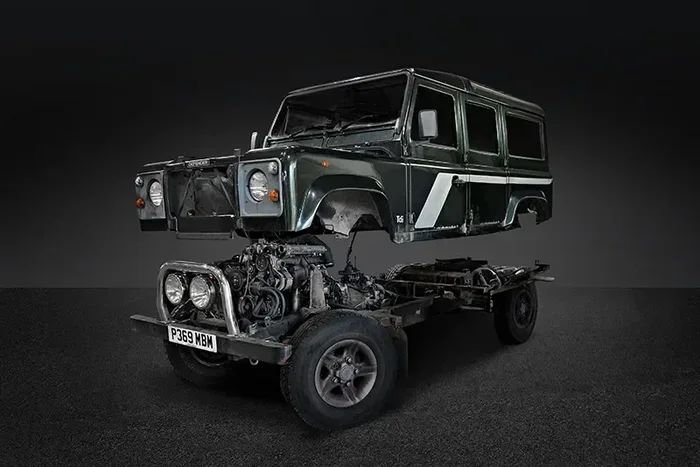
Visual guide about Land Rover Defender service comparison
Image source: kingsleydefenders.co.uk
Genuine Parts and OEM Updates
Dealers stock only Land Rover‑approved components. When a new revision of a water pump or a software patch for the infotainment system rolls out, the dealer installs it automatically. You never have to wonder if an aftermarket part meets the exact tolerance the engineering team specified.
Loaner Vehicles and Nationwide Network
Most franchised centers offer a complimentary loaner or a courtesy shuttle while your Defender is in the bay. If you’re traveling cross‑country, you can drop into any authorized dealer and receive the same level of service — a huge advantage for overlanders who roam far from home.
Cost Structure
Labor rates at dealers typically range from $150‑$190 per hour in the U.S., with parts marked up 20‑30 % over wholesale. A standard 10,000‑mile service (oil, filter, inspection) can cost $600‑$850. While higher than independent shops, the price includes the peace of mind that comes with factory‑backed work.
Independent Service: What You Get
Independent specialists have carved a niche by focusing on Land Rover models exclusively. Many owners swear by them because they combine deep brand knowledge with a small‑business mindset — flexible scheduling, transparent pricing, and a personal relationship that a big dealer can’t always match.
Lower Labor Rates and Transparent Quotes
Independent shops often charge $100‑$130 per hour, roughly 20‑30 % less than dealers. They usually provide itemized estimates before any work begins, so you avoid surprise line items. A 2022 Consumer Reports study found that independent Land Rover specialists saved owners an average of $420 per year on routine maintenance.
Access to OEM Parts and Quality Aftermarket
Reputable independents order genuine Land Rover parts from the same distributors dealers use. They also curate high‑quality aftermarket options — such as reinforced control arms or performance brake kits — that can improve durability for off‑road use. The key is verifying that any non‑OEM part meets the manufacturer’s specifications.
Specialized Tooling and Software
Top independents invest in the same diagnostic platforms (e.g., Pathfinder, SDD) that dealers use. They also maintain subscriptions to Land Rover’s technical service bulletins. Ask any shop you consider: “Do you have the latest SDD license?” A yes answer means they can read and clear the same fault codes a dealer would.
Personalized Service and Faster Turnaround
Because they handle fewer vehicles per day, independents can often finish a job in a single visit. You’ll likely speak directly with the technician who worked on your Defender, not a service advisor reading from a script. That dialogue can uncover hidden issues — like a slowly leaking differential seal — before they become trail‑stopping failures.
Cost Comparison: Real Numbers
Let’s look at a typical 30,000‑mile service interval for a 2023 Defender 110 P400. The table below reflects average U.S. pricing gathered from dealer invoices and independent shop quotes in 2024.
- Dealer: Oil & filter $120, brake fluid flush $180, cabin air filter $70, software update $0 (included), labor 2.5 hrs @ $170 = $425. Total ≈ $795.
- Independent: Oil & filter $95 (OEM), brake fluid flush $150, cabin air filter $55, software update $80 (subscription fee), labor 2.5 hrs @ $115 = $287.50. Total ≈ $667.50.
The independent route saves roughly $130 (≈16 %). Over a 5‑year ownership cycle with six major services, that’s a $780 difference — enough for a set of all‑terrain tires. However, if a warranty‑covered component fails during that period, the dealer’s zero‑cost repair could outweigh the savings.
Hidden Costs to Watch
- Diagnostic fees: Some independents charge a $100‑$150 scan fee that dealers waive for warranty work.
- Parts markup: While independents often pass wholesale cost, a few add a 10‑15 % markup. Always ask for the part number and compare.
- Re‑programming: Certain modules (e.g., adaptive cruise control) require dealer‑only online programming. Independents may need to sub‑contract, adding time and cost.
Warranty and Resale Impact Deep Dive
Understanding the fine print of Land Rover’s New Vehicle Limited Warranty (4 years/50,000 mi) and the Extended Warranty options is essential. The warranty covers defects in materials and workmanship, but it explicitly excludes damage caused by “improper maintenance or repair by non‑authorized personnel.” That clause is the legal lever dealers use to protect their service revenue.
Documenting Independent Work
If you choose an independent for non‑warranty items, keep a binder (digital or paper) with: date, mileage, shop name, technician signature, part numbers, and a statement that the work meets Land Rover specifications. Some owners also request a “Letter of Compliance” from the shop, which can be presented to a dealer if a warranty claim arises later.
Extended Warranty Considerations
Third‑party extended warranties (e.g., from CARCHEX or Endurance) often require service at any ASE‑certified shop, not just dealers. If you purchase one, an independent becomes a viable primary provider. Read the contract: some policies mandate that the shop use OEM parts, others accept high‑quality aftermarket.
Resale Documentation Strategy
When selling, compile a “Service Portfolio” PDF that includes: dealer invoices, independent receipts, recall completion certificates, and any modification receipts. Buyers and dealers alike appreciate a single, searchable file. A 2024 Autotrader analysis showed listings with a complete portfolio sold 12 % faster and for $1,200 more on average.
Making the Right Decision for Your Defender
There is no universal answer; the optimal path aligns with your ownership stage, driving style, and risk tolerance. Use the decision matrix below to self‑assess.
Decision Matrix
- New Defender (under factory warranty): Prioritize dealer for any powertrain, electronics, or safety work. Use independent for oil changes, tire rotations, and cosmetic items.
- Out‑of‑warranty, daily driver: Independent shop with Land Rover specialization offers the best cost‑to‑quality ratio.
- Heavy off‑road use / expedition build: Seek an independent that focuses on overland prep — they understand lifted suspensions, snorkel installations, and reinforced drivetrain components better than most dealers.
- Plan to sell within 3 years: Keep a dealer‑only paper trail for major services; supplement with independent receipts for routine care.
- Own multiple Land Rovers: A dealer relationship yields fleet discounts and a single point of contact for recalls.
Hybrid Strategy in Practice
Many seasoned owners adopt a “dealer for the big stuff, independent for the small stuff” rhythm. Example: At 15,000 mi you take the Defender to the dealer for the first major inspection (software updates, brake fluid, coolant). At 20,000 mi you visit your trusted independent for an oil change, tire balance, and a quick under‑carriage inspection after a weekend on the Rubicon Trail. This approach preserves warranty coverage where it matters most while shaving $200‑$300 off each routine visit.
Questions to Ask Any Shop
- “Are your technicians Land Rover‑certified or ASE‑certified with Defender experience?”
- “Do you have a current SDD/Pathfinder subscription?”
- “Can you provide a written estimate with part numbers before starting?”
- “What is your policy on warranty‑related repairs?”
- “Do you offer a loaner or shuttle service?”
Answers to these questions reveal whether a shop can truly meet the Defender’s unique demands.
Final Thoughts
Choosing between a Land Rover Defender dealer vs independent service isn’t a binary decision — it’s a strategic one. The dealer network delivers factory‑backed certainty, especially while the warranty clock ticks. Independent specialists bring agility, lower cost, and a personal touch that can enhance the ownership experience once the safety net expires. By understanding the warranty rules, tracking every service meticulously, and matching the right provider to each maintenance event, you protect your investment and keep your Defender ready for whatever horizon calls next.
Remember, the best service plan is the one you actually follow. Set calendar reminders for every interval, keep a digital folder of receipts, and build a relationship with at least one trusted technician — dealer or independent — who knows your truck’s history as well as you do. That habit alone will save you more money and headaches than any single price comparison.
Frequently Asked Questions
Does using an independent shop void my Land Rover Defender warranty?
No, routine maintenance performed by a qualified independent shop does not void the factory warranty as long as the work meets Land Rover specifications and you retain detailed records. However, repairs on covered components (powertrain, emissions, safety systems) must be done by an authorized dealer to guarantee warranty protection.
Are independent mechanics able to access the same diagnostic software as dealers?
Many top independent Land Rover specialists subscribe to the same SDD/Pathfinder diagnostic platforms used by dealers, allowing them to read and clear fault codes, perform module programming, and apply software updates. Always verify the shop’s current software license before committing.
How much can I save by using an independent shop for regular service?
On average, independent shops charge 20‑30 % less per labor hour than franchised dealers. For a typical 10,000‑mile service, owners report savings of $100‑$200 per visit, which can add up to $600‑$1,200 over a five‑year ownership period.
Will a mixed service history hurt my Defender’s resale value?
A mixed history is acceptable if you provide organized documentation showing that all work met OEM standards. A complete dealer‑only record can boost resale by 5‑10 %, but a well‑documented independent record usually results in only a modest price difference.
Can I use aftermarket parts at an independent shop without affecting reliability?
High‑quality aftermarket parts that meet or exceed Land Rover specifications are generally safe for non‑warranty items like suspension bushings, brake pads, or performance upgrades. For warranty‑covered systems, stick with genuine OEM parts to avoid claim denials.
What should I look for when choosing an independent Land Rover specialist?
Seek a shop with Land Rover‑specific training, current diagnostic subscriptions, transparent itemized estimates, and a willingness to provide a compliance letter for warranty‑related work. Customer reviews from other Defender owners are a strong indicator of quality.