
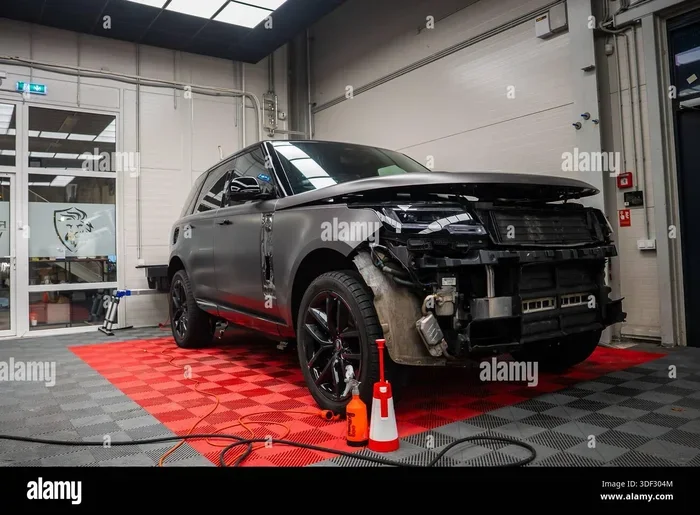
Featured image for Range Rover service bay
Image source: c8.alamy.com
Choosing between a Range Rover dealer and an independent service center comes down to budget, warranty needs, and how much you value factory‑trained technicians versus personalized, often cheaper care. Dealers guarantee OEM parts and keep your warranty intact, while reputable independents can save you 20‑30 % on labor and offer more flexible scheduling. Weigh the trade‑offs with our checklist to protect your investment and keep your SUV running like new.
When you drive a Range Rover, you expect a blend of luxury, capability, and reliability. Keeping that promise means choosing the right place for service. The debate “Range Rover dealer vs independent service” is one of the most common conversations among owners. In this guide we break down the facts, share real‑world numbers, and give you a simple checklist so you can decide with confidence.
Think of a dealer like a brand‑specific tailor who only works with the original fabric, while an independent shop is a skilled local tailor who can source high‑quality alternatives and often works faster for less money. Both can produce a great fit, but the details matter. Below we explore those details across cost, expertise, convenience, and long‑term value.
Key Takeaways
- Warranty safety: Dealer service is the only way to keep the factory warranty fully intact.
- Cost advantage: Independent shops typically charge 20‑30 % less for labor and may use high‑quality aftermarket parts.
- Expertise depth: Factory‑trained dealer techs know every software update; top independents often specialize in Land Rover models and pursue the same certifications.
- Convenience factor: Dealers provide loaner vehicles and premium waiting areas; independents often offer faster turnaround and more personal communication.
- Resale impact: A complete dealer service history can boost resale value, but a well‑documented independent record is increasingly accepted by buyers.
- Decision checklist: Ask about certifications, parts sourcing, warranty handling, and get written estimates before committing.
- Hybrid approach: Many owners use dealers for warranty‑critical work and independents for routine maintenance to get the best of both worlds.
📑 Table of Contents
Understanding the Basics: Dealer vs Independent Service
What a Dealer Offers
A Land Rover dealership is an authorized franchise. Technicians receive factory training, have direct access to the latest technical service bulletins, and use only genuine OEM parts. The facility is equipped with proprietary diagnostic tools that can read every module in your vehicle. Because the dealer follows the manufacturer’s exact procedures, any work performed there automatically satisfies warranty requirements.
What an Independent Shop Offers
An independent service center is a privately owned garage that may specialize in European or luxury vehicles. Many employ technicians who have earned the same Land Rover certifications as dealer staff. They can source OEM parts, high‑grade aftermarket components, or even remanufactured units. Because they are not bound by franchise overhead, labor rates are usually lower and scheduling can be more flexible.
Key Differences at a Glance
- Parts source: Dealer = 100 % OEM; Independent = OEM, OEM‑equivalent, or quality aftermarket.
- Labor rate: Dealer $150‑$200/hr (US average); Independent $100‑$130/hr.
- Warranty impact: Dealer = warranty‑safe; Independent = may void warranty if not documented correctly.
- Diagnostic access: Dealer = full factory toolset; Independent = often full access via aftermarket scan tools.
- Customer amenities: Dealer = loaner fleet, lounge, Wi‑Fi; Independent = varies, often simpler waiting area.
Cost Comparison: Parts, Labor, and Hidden Fees
Parts Pricing
Dealerships charge the manufacturer’s list price for every component. A front brake rotor for a 2022 Range Rover Sport can cost $350 at the dealer, while the same OEM part from a reputable independent supplier may be $260‑$280. Aftermarket rotors from brands like Brembo or Zimmermann can drop the price to $180‑$210 without sacrificing performance. Did you know? A 2023 Consumer Reports survey found that 62 % of luxury SUV owners saved at least $200 per brake job by using an independent shop.
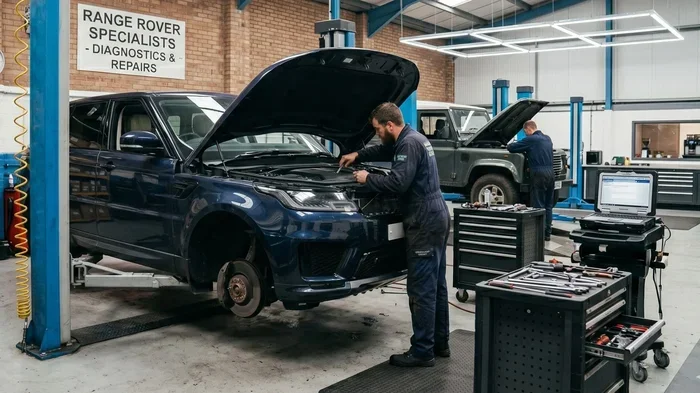
Visual guide about Range Rover service bay
Image source: eurofedjax.com
Labor Rates
Labor is where the biggest gap appears. The national average dealer labor rate for Land Rover is $175 per hour. Independent specialists typically charge $115‑$130 per hour. On a 4‑hour service (e.g., timing chain replacement), that translates to a $240‑$300 saving. Over the life of the vehicle, those savings can exceed $3,000.
Warranty Implications
If your Range Rover is still under the factory warranty (4 years/50,000 mi in the US), any repair that could be considered a warranty claim must be performed at an authorized dealer, or you must keep meticulous records proving the independent shop used OEM parts and followed the exact service procedure. Missing a single torque spec can give the manufacturer grounds to deny a claim. Many owners choose a hybrid approach: dealer for warranty‑covered items, independent for everything else.
Expertise and Training: Who Knows Your Range Rover Best?
Factory Training
Dealer technicians attend mandatory Land Rover training modules every year. They receive updates on new software calibrations, adaptive dynamics, and the latest infotainment revisions. This ensures they can program a new ECU or recalibrate the air suspension exactly as the engineering team intended.
Specialist Independent Technicians
Top independent shops often hire former dealer techs or send their staff to the same Land Rover Technical Academy courses. Look for certifications such as “Land Rover Certified Technician” or “ASE Master Technician – Light Vehicle.” These credentials indicate the same depth of knowledge without the franchise overhead.
Continuing Education
Both channels invest in ongoing education, but the dealer’s pipeline is guaranteed by the manufacturer. Independents rely on aftermarket training providers (e.g., Automotive Training Institute) and manufacturer‑released service bulletins. Ask any shop how often their techs attend refresher courses; a good answer is “at least twice a year.”
Convenience and Customer Experience
Appointment Availability
Dealerships often have a larger service bay count, but they also serve a higher volume of customers. Wait times for a routine oil change can be 2‑3 days during peak season. Independents, especially those that focus on a few brands, can frequently accommodate same‑day or next‑day appointments.
Loaner Vehicles and Amenities
Most dealers provide a complimentary loaner fleet (often a newer Range Rover or Discovery) and a premium lounge with refreshments, Wi‑Fi, and workstations. Independents may offer a courtesy shuttle or a basic loaner, but the experience is usually more utilitarian. If you value a seamless “drop‑off and go” experience, the dealer wins on amenities.
Communication and Transparency
Independent shops tend to communicate directly with the technician working on your car. You can often speak to the person turning the wrenches, get real‑time photos of worn parts, and approve each line item. Dealerships usually route communication through a service advisor, which can add a layer of delay. However, many modern dealers now use digital inspection reports sent to your phone, narrowing the gap.
Long‑Term Reliability and Resale Value
Service Records and Carfax
A complete, dealer‑stamped service history is the gold standard for Carfax and AutoCheck reports. It signals to future buyers that every maintenance interval was performed to factory spec. However, a well‑organized independent record—itemized invoices, parts numbers, technician signatures—carries increasing weight. In a 2022 iSeeCars analysis, vehicles with any documented service history sold for 4‑6 % more than those with none, regardless of provider.
Impact on Resale
If you plan to sell or trade in within 3‑5 years, a dealer history can add $1,500‑$2,500 to the trade‑in offer on a Range Rover Sport. For longer ownership (7+ years), the differential shrinks because buyers focus more on condition than paperwork. Keeping a digital folder of all receipts, whether dealer or independent, protects your resale value either way.
Extended Warranty Considerations
Third‑party extended warranties (e.g., CARCHEX, Endurance) often require service at a licensed repair facility, not necessarily a dealer. Read the fine print: some policies mandate that the shop be “ASE certified” and use “OEM or OEM‑equivalent parts.” An independent that meets those criteria keeps your coverage valid while saving you money on each visit.
Making the Decision: A Practical Checklist
Questions to Ask Any Shop
- Are your technicians Land Rover certified or ASE Master certified?
- Do you use genuine OEM parts, OEM‑equivalent, or aftermarket? Can you show me the part numbers?
- What is your labor rate, and do you provide a written estimate before work begins?
- How do you handle warranty‑related repairs? Will you document everything to manufacturer standards?
- Do you offer a loaner vehicle or shuttle service?
- Can I speak directly with the technician who will work on my car?
Red Flags to Watch
- Reluctance to provide a detailed written estimate.
- Pressure to use “house brand” parts without explaining specifications.
- No visible certifications or outdated training records.
- Unwillingness to share old parts or photos of wear.
- Vague warranty language (“we’ll take care of it”) without written confirmation.
Sample Decision Matrix
Use the table below (mental or on paper) to score each factor 1‑5 for Dealer and Independent. Add the totals; the higher score aligns with your priorities.
- Warranty protection (Dealer 5, Independent 2)
- Cost savings (Dealer 2, Independent 5)
- Technical expertise (Dealer 5, Independent 4)
- Convenience & amenities (Dealer 5, Independent 3)
- Communication transparency (Dealer 3, Independent 5)
- Resale documentation (Dealer 5, Independent 4)
If warranty and resale documentation top your list, lean dealer. If budget and direct communication matter more, a reputable independent is a smart choice. Many owners split the difference: dealer for any work that touches the powertrain warranty, independent for brakes, tires, fluid changes, and cosmetic repairs.
Conclusion
Choosing between a Range Rover dealer vs independent service isn’t a one‑size‑fits‑all answer. Dealers give you ironclad warranty protection, factory‑level diagnostics, and a premium customer experience. Independents often deliver the same technical competence at a lower price, with more personal service and faster scheduling. By understanding the cost structure, expertise levels, convenience factors, and long‑term impact on resale, you can craft a maintenance plan that keeps your Range Rover performing at its best while protecting your wallet. Keep the checklist handy, ask the right questions, and don’t be afraid to mix both worlds—your SUV deserves nothing less.
Frequently Asked Questions
Does using an independent shop void my Range Rover factory warranty?
No, not automatically. The Magnuson‑Moss Warranty Act protects your right to use any qualified repair facility. However, you must keep detailed records showing OEM parts and factory‑spec procedures were used, or the manufacturer may deny a specific claim.
Are independent mechanics trained on the latest Land Rover software updates?
Many top independents subscribe to the same technical service bulletins and use aftermarket scan tools that can flash the latest calibrations. Always verify that the shop’s technicians hold current Land Rover or ASE certifications.
How much can I save on a typical brake job at an independent shop?
On average, owners report 20‑30 % lower total cost. For a front brake rotor and pad replacement on a 2022 Range Rover Sport, that can mean saving $200‑$350 compared to dealer pricing.
Will a dealer provide a loaner vehicle for every service visit?
Most dealers offer a complimentary loaner for warranty work and major repairs, but availability for routine maintenance (oil changes, tire rotations) can be limited. Call ahead to reserve one.
Can I mix dealer and independent service without hurting resale value?
Yes. A complete, well‑organized service history—whether from a dealer, an independent, or both—adds value. Keep digital copies of all invoices, part numbers, and technician notes to present to future buyers.
What should I look for in an independent shop’s certifications?
Look for Land Rover Certified Technician, ASE Master Technician (L1‑L3), and membership in professional groups like the Automotive Service Association (ASA). These indicate ongoing training and adherence to industry standards.