
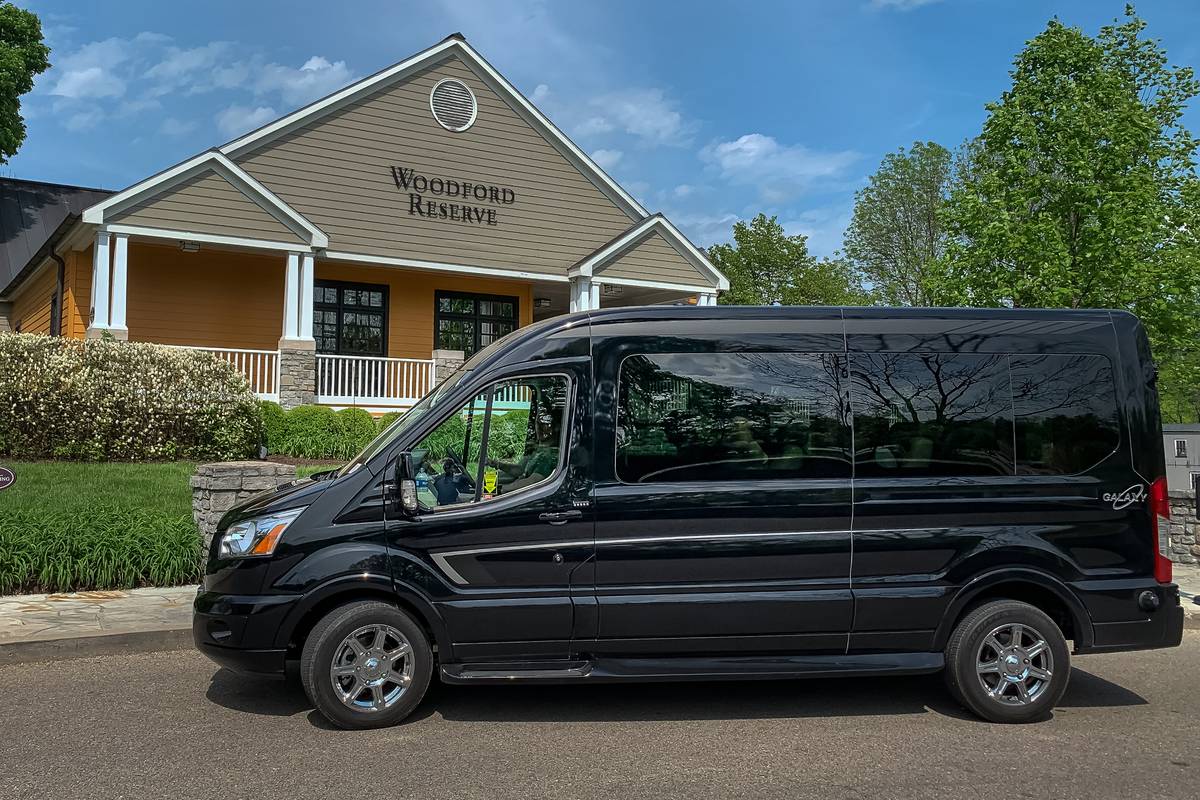
Choosing between a full‑size van and a premium SUV means weighing space, comfort, capability, and total cost against the way you actually drive. This guide breaks down every major factor — design, performance, practicality, technology, ownership expenses, and real‑world use cases — so you can pick the vehicle that fits your 2026 lifestyle.
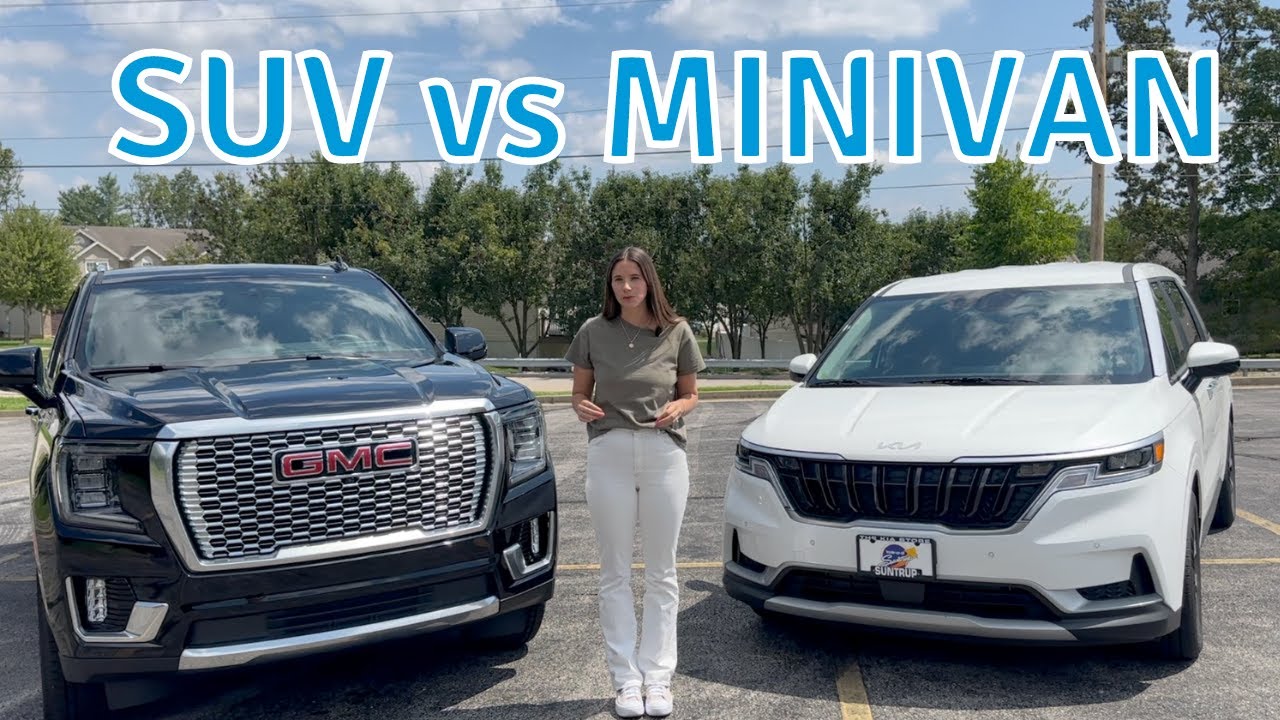
Side‑by‑side view of a full‑size van and a premium SUV
Quick Comparison Table
| Attribute | Full‑Size Van | Premium SUV |
|---|---|---|
| Typical seating | 8‑12 passengers | 5‑7 passengers |
| Cargo volume (max) | 250‑400 cu ft | 70‑120 cu ft |
| Powertrain range | V6/V8, diesel, emerging EV | Turbo‑4, V6, hybrid, plug‑in, EV |
| EPA combined MPG (2026 avg.) | 15‑20 | 22‑30 (hybrid/EV higher) |
| Starting MSRP (2026) | $38 k‑$55 k | $48 k‑$85 k |
| Typical tow rating | 7 500‑10 000 lb | 5 000‑8 000 lb |
| Parking footprint | Long, wide, high roof | Shorter, lower, tighter turning circle |
Design Philosophy
Exterior Styling & Body Architecture
Full‑size vans use a boxy, ladder‑frame or unibody platform that maximizes interior volume. Sliding side doors and a low step‑in height make loading people or pallets effortless. Premium SUVs adopt a sculpted, unibody shape with a lower roofline, giving them a more aerodynamic profile and a visual presence that leans toward luxury. You can also read our guide on top luxury suvs of.
Interior Layout, Materials & Comfort
Vans prioritize configurable bench or captain’s chairs, flat load floors, and abundant headroom — often > 42 in. Premium SUVs trade some outright space for higher‑grade leather, real wood or metal trim, multi‑zone climate control, and advanced noise‑cancellation. In practice, a van feels like a mobile living room; an SUV feels like a first‑class cabin.
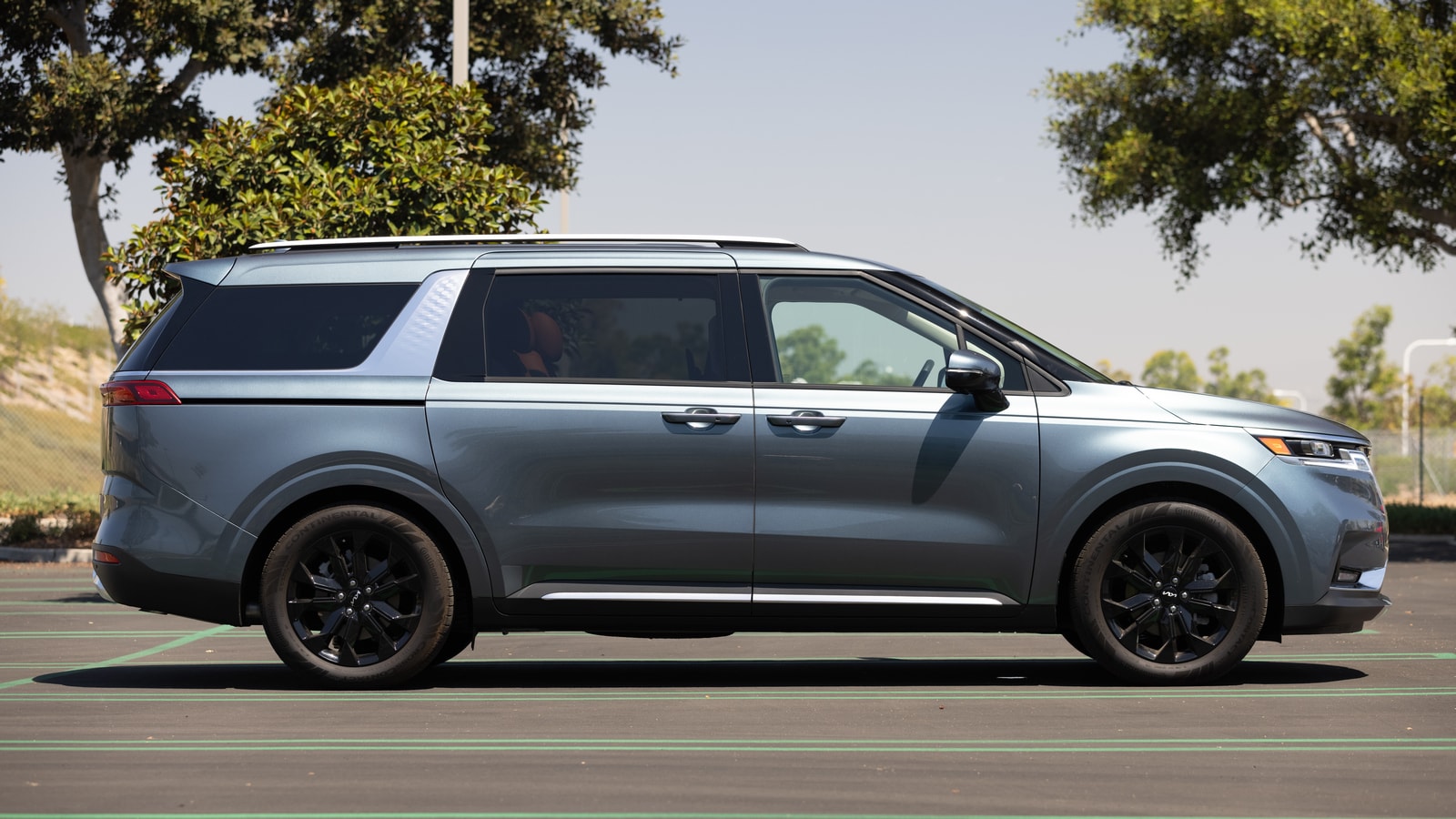
Kia Carnival – a modern full‑size van with sliding doors
Performance & Efficiency
Powertrain Options & Towing
- Vans: Most 2026 models still rely on a 3.5 L V6 (≈ 300 hp) or a 2.0 L turbodiesel (≈ 280 hp, 420 lb‑ft). New EV vans (e.g., Ford E‑Transit) deliver 266 hp and 317 lb‑ft with a 126 kWh pack.
- Premium SUVs: Turbo‑4s (≈ 250‑300 hp), V6s (≈ 300‑350 hp), and plug‑in hybrids (combined 350‑450 hp) are common. Full‑electric trims (e.g., Rivian R1S, Cadillac Lyriq) exceed 500 hp.
Towing mirrors these numbers: vans edge out SUVs for maximum trailer weight, but many premium SUVs now match 7 500 lb with proper equipment. You can also read our guide on evaluation of suv.
Fuel Economy & Emissions
Vans average 15‑20 mpg combined; hybrid or diesel variants can reach 22 mpg. Premium SUVs, especially hybrids and PHEVs, regularly hit 25‑30 mpg combined, with EVs rated 85‑110 MPGe. For the latest EPA figures, see the fueleconomy.gov database.
Practicality for Daily Use
Cargo Capacity & Versatility
- Vans: Flat floor, wide rear opening, and optional partition walls let you swing from 12‑seat people‑mover to 300 cu ft cargo hauler in minutes.
- SUVs: Split‑fold second/third rows give 70‑120 cu ft, but the load floor is higher and the opening narrower.
Passenger Accommodations & Accessibility
Sliding doors on vans eliminate the “door‑ding” risk in tight parking and make child‑seat installation simpler. SUVs rely on conventional hinged doors; some offer power‑folding second‑row seats for easier third‑row access.
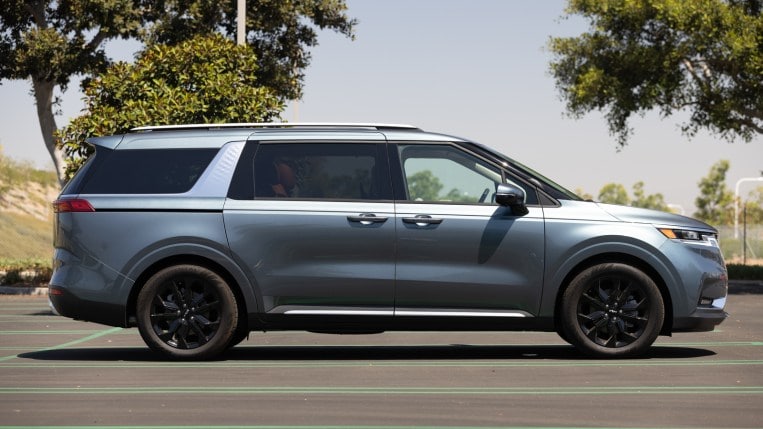
Carnival interior with configurable seats
Technology, Safety & Driver Assistance
Infotainment & Connectivity
Both segments now ship with 10‑12‑in touchscreens, wireless Apple CarPlay/Android Auto, and 5G hotspot capability. Premium SUVs often add a head‑up display, premium audio (12‑20 speakers), and rear‑seat entertainment systems.
Advanced Safety Systems
Standard suites include automatic emergency braking, lane‑keep assist, adaptive cruise, and blind‑spot monitoring. Premium SUVs frequently add 360° cameras, traffic‑jam assist, and hands‑free highway driving (Level 2+). For crash‑test details, consult the NHTSA ratings.
Ownership Costs
Purchase Price & Depreciation
- Vans: $38 k‑$55 k base; depreciation ~ 45 % over 5 years.
- Premium SUVs: $48 k‑$85 k base; depreciation ~ 50‑55 % over 5 years, though high‑end trims hold value better.
Current market pressure is easing — see the latest price trends for 2026.
Maintenance, Insurance & Fuel
| Cost Item | Full‑Size Van (avg.) | Premium SUV (avg.) |
|---|---|---|
| Annual maintenance | $850‑$1 200 | $1 000‑$1 500 |
| Annual insurance | $1 200‑$1 800 | $1 500‑$2 500 |
| Fuel (15 k mi/yr) | $2 200‑$3 000 | $1 800‑$2 500 (hybrid lower) |
Vans benefit from simpler drivetrains; SUVs incur higher premiums due to costlier parts and advanced electronics.
Ideal Use Cases & Lifestyle Fit
| Scenario | Best Fit | Why |
|---|---|---|
| Large family + frequent road trips | Full‑size van | Seats 10‑12, massive luggage space, easy entry |
| Small business / trades | Full‑size van | Flat floor, upfit‑ready, high payload |
| Urban commuter with occasional adventure | Premium SUV | Compact footprint, refined ride, available AWD/4WD |
| Off‑road enthusiast | Premium SUV (trail‑rated) | Ground clearance, locking diffs, terrain modes |
| Luxury shuttle / executive transport | Premium SUV | Quiet cabin, premium materials, tech showcase |
Market Trends & Consumer Sentiment (2026)
- Sales mix: Premium SUVs ~ 210 k units, full‑size vans ~ 155 k units (U.S. light‑vehicle registrations).
- Growth: SUV segment + 9 % YoY; van segment + 5 % YoY, driven by EV van introductions.
- Owner satisfaction: Vans score 4.5/5 for practicality; SUVs score 4.7/5 for driving enjoyment (J.D. Power 2026).
Decision Framework: How to Choose
- List non‑negotiables – passenger count, cargo volume, tow rating.
- Set a total‑cost ceiling – include purchase, fuel, insurance, maintenance over 5 years.
- Test‑drive both – focus on ingress/egress, visibility, and infotainment ergonomics.
- Check dealer inventory – many 2026 EV vans and PHEV SUVs qualify for federal tax credits.
- Align with lifestyle – if you haul building materials Monday and soccer gear Saturday, a van wins; if you value curbside presence and occasional trail runs, the SUV wins.
Ready to compare local inventory? Schedule a test‑drive this week to feel the difference yourself.
Frequently Asked Questions
What is the primary difference between a full‑size van and a premium SUV?
Full‑size vans are engineered for maximum interior volume and flexible seating/cargo configurations. Premium SUVs blend luxury appointments, higher‑grade materials, and on‑road performance with moderate utility.
Which offers more passenger space?
Vans typically accommodate 10‑12 occupants with > 42 in headroom. Premium SUVs max out at 7‑8 passengers and usually provide 38‑40 in headroom in the third row.
Are full‑size vans more fuel‑efficient?
Generally no. Conventional vans average 15‑20 mpg combined, while many premium SUVs — especially hybrids and PHEVs — achieve 25‑30 mpg combined. EV variants in both classes lead the pack.
Can a premium SUV tow as much as a van?
Top‑trim SUVs with proper tow packages reach 7 500‑8 000 lb, close to the 9 000‑10 000 lb ceiling of heavy‑duty vans. For maximum trailer weight, a van still holds the edge.
Which is cheaper to insure?
Vans usually cost $300‑$700 less per year due to lower replacement values and simpler electronics.
Conclusion
Both vehicle types have matured dramatically for 2026. A full‑size van remains the undisputed champion of raw space, accessibility, and commercial versatility. A premium SUV delivers a refined driving experience, advanced technology, and a broader powertrain palette — including compelling electric options. Match the vehicle to your daily reality: count seats, measure cargo, total the five‑year cost, and then drive both. The right choice will feel obvious once you’re behind the wheel.
Explore related deep‑dives:
- Understanding SUV basics
- The evolution of the SUV
- Inside the RAV4 premium trim
- Details on the 4Runner SR5 Premium
- Fuel requirements for Mercedes models