
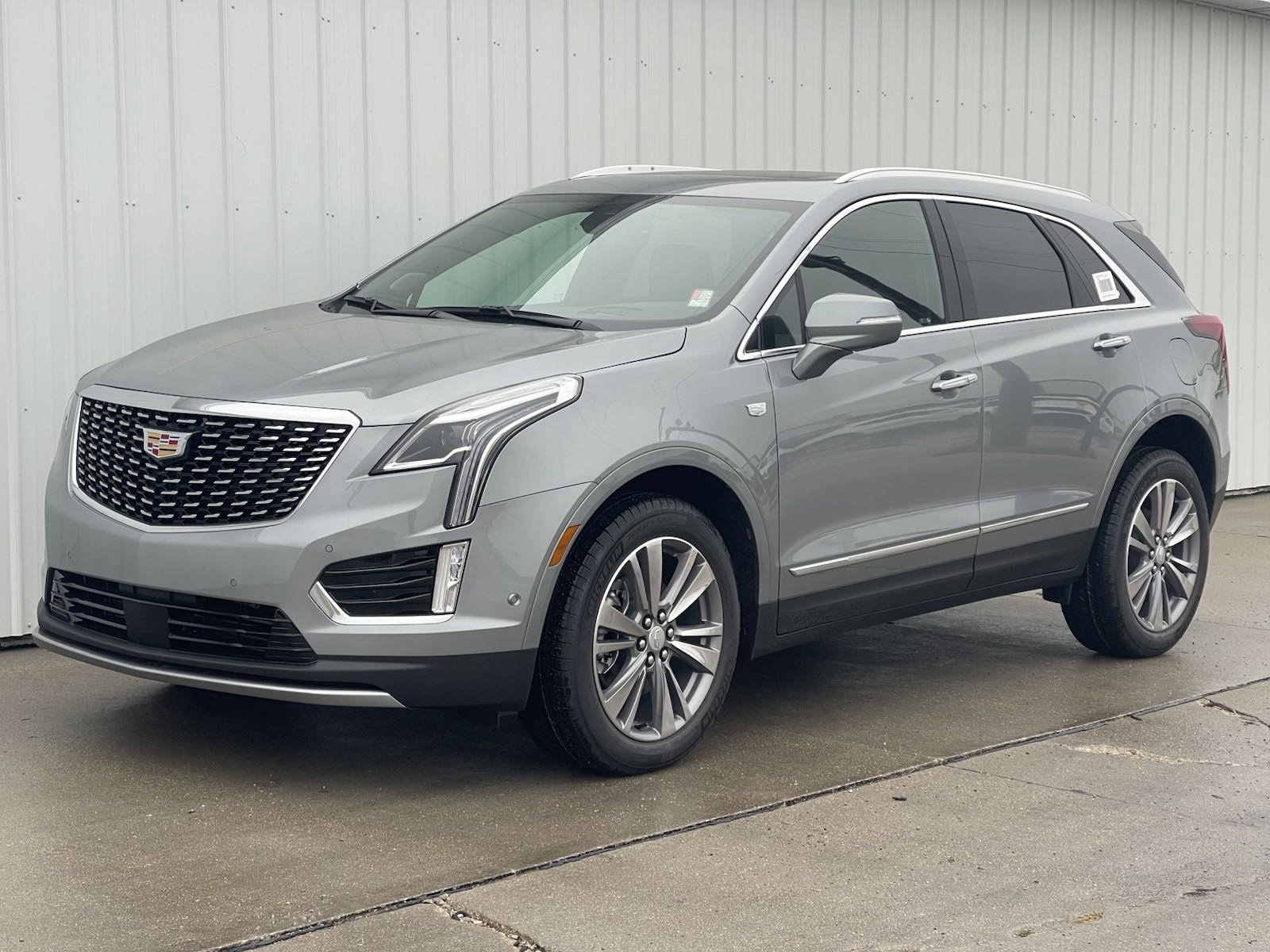
Luxury SUV buyers often assume that a premium badge means premium fuel is mandatory. In reality, the answer depends on engine design, manufacturer tuning, and your driving priorities. This guide breaks down the science, the real‑world cost, and the models that let you fill up with regular unleaded — without sacrificing the refinement you paid for.
Why Fuel Choice Matters for Luxury SUVs
The fuel you choose influences four key areas: engine performance, long‑term durability, warranty compliance, and total cost of ownership. High‑compression or turbocharged engines rely on higher octane to prevent knock, while many naturally aspirated V6s and modern direct‑injection units are calibrated for 87 AKI. Using a lower grade than specified can trigger retarded timing, reduced power, and, over thousands of miles, carbon buildup that hurts resale value.
Understanding Octane Ratings and Engine Design
Octane measures a fuel’s resistance to uncontrolled combustion. In the U.S. the pump shows AKI (Anti‑Knock Index), the average of Research and Motor octane numbers.
- Regular = 87 AKI
- Mid‑grade = 89‑90 AKI
- Premium = 91‑93 AKI
Engines with high compression ratios (>11:1), turbochargers, or aggressive ignition maps need the extra knock margin premium provides. Modern direct‑injection systems, however, cool the combustion chamber enough that many manufacturers now certify their luxury V6s and inline‑six engines for regular fuel. For a deeper technical overview, the U.S. Department of Energy’s fuel‑economy guide explains octane fundamentals in plain language.
Manufacturer Recommendations: How to Read the Manual
Every owner’s manual lists fuel as “Required” or “Recommended.”
- Required – the engine control unit (ECU) cannot safely run on lower octane; warranty may be voided if you ignore it.
- Recommended – the ECU will adapt, but you may lose 2‑5 % peak torque and see a slight fuel‑economy dip.
Always check the fuel‑door sticker and the “Specifications” chapter. The EPA’s fuel‑economy site also publishes the official fuel‑type designation for every model year.
Luxury SUVs That Require Premium Gas (Examples)
| Model (2025‑2026) | Engine | Fuel Requirement |
|---|---|---|
| Audi Q7 55 TFSI | 3.0 L V6 turbo | Premium required |
| BMW X5 xDrive40i | 3.0 L I6 turbo | Premium required |
| Mercedes‑Benz GLE 450 | 3.0 L I6 turbo | Premium required |
| Porsche Cayenne S | 4.0 L V8 twin‑turbo | Premium required |
| Cadillac Escalade‑V | 6.2 L V8 supercharged | Premium required |
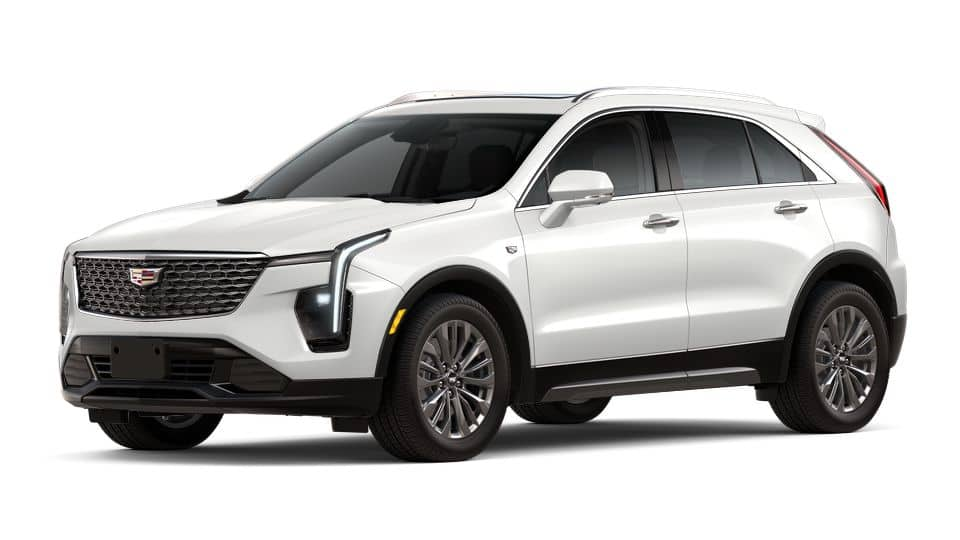
Cadillac’s 2025 luxury SUV lineup on display.
Luxury SUVs That Run Well on Regular Gas (Exceptions)
| Model (2025‑2026) | Engine | Fuel Requirement |
|---|---|---|
| Lexus RX 350 | 2.5 L I4 hybrid | Regular recommended |
| Volvo XC60 B5 | 2.0 L I4 turbo mild‑hybrid | Regular recommended |
| Acura RDX | 2.0 L I4 turbo | Regular recommended |
| Lincoln Nautilus | 2.7 L V6 twin‑turbo | Regular recommended |
| Genesis GV70 2.5T | 2.5 L I4 turbo | Regular recommended |
These models use engine‑management strategies (cooled EGR, variable valve timing, high‑pressure direct injection) that suppress knock on 87 AKI. If you’re cross‑shopping, our roundup of models that run on regular fuel highlights the best value picks.
Cost Analysis: Premium vs. Regular Over Time
Assuming a 15‑gallon tank, 1,200 mi/month, and 2026 national averages ($3.55 regular / $4.15 premium):
| Fuel | Cost per Fill | Monthly Cost | Annual Cost |
|---|---|---|---|
| Regular | $53.25 | $213 | $2,556 |
| Premium | $62.25 | $249 | $2,988 |
Difference: ≈ $432 / year. Over a five‑year ownership cycle that’s >$2,100 — enough to cover a set of premium all‑season tires. If your SUV only recommends premium, the performance loss is often imperceptible in daily driving, making regular a rational choice.
Long‑Term Effects on Engine Health and Resale Value
- Carbon deposits: Regular fuel in a premium‑required engine can increase intake‑valve coking on direct‑injection motors, leading to rough idle and misfire codes after 60‑80 k mi.
- Knock sensor activity: Frequent retard cycles raise exhaust‑gas temperatures, accelerating catalyst aging.
- Resale: A documented history of using the manufacturer‑specified fuel adds credibility at trade‑in; dealers often note “premium‑fuel compliant” in vehicle history reports.
Hybrid and Electric Luxury SUVs: Different Fuel Rules
Plug‑in hybrids (PHEVs) like the Lexus RX 450h+ or BMW X5 xDrive50e run their gasoline engines only when the battery is depleted. Their combustion cycles are tuned for regular fuel because the electric motor handles peak loads. Full EVs (e.g., Rivian R1S, Tesla Model X) eliminate the question entirely. For buyers weighing electrified options, our coverage of hybrid luxury options and the electric performance SUV review provides side‑by‑side comparisons.
Regional Fuel Variations and Seasonal Blends
- High‑altitude markets (Denver, Salt Lake City) often sell 85 AKI “regular” — still acceptable for engines rated for 87 AKI, but not for premium‑required units.
- Reformulated gasoline (RFG) in California and the Northeast contains oxygenates that can slightly raise effective octane.
- Winter blends have higher volatility; they do not change octane but can affect cold‑start quality.
Always verify the pump label; the octane rating posted is the minimum you’ll receive.
Practical Tips for Choosing the Right Fuel
- Read the manual — note “Required” vs. “Recommended.”
- Monitor knock — if you hear pinging under load, step up a grade.
- Use Top Tier detergent gasoline — it keeps injectors and valves clean regardless of octane.
- Track fuel economy — a 1‑2 % drop on regular may be cheaper than the premium price spread.
- Consider lease terms — some lease contracts stipulate premium fuel; violating them can trigger end‑of‑lease charges. Our guide to lease deals on premium SUVs outlines typical clauses.
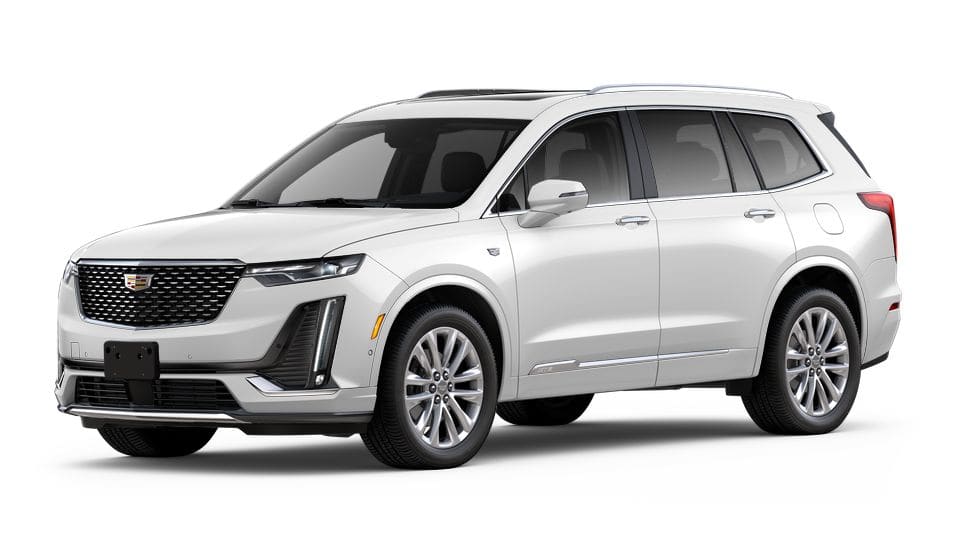
Engine bay of a 2025 Cadillac premium SUV.
Future Trends: Engine Tech and Fuel Standards
- Higher‑compression Miller/Atkinson cycles paired with 48‑V mild hybrids will push more luxury engines onto regular fuel.
- E‑fuels and synthetic gasoline (e‑Methanol‑to‑Gasoline) promise 95+ RON from carbon‑neutral sources — still years from volume availability.
- Regulatory pressure: EPA Tier 4 and CARB LEV IV rules incentivize manufacturers to certify on the lowest octane that meets emissions targets.
Expect the “premium‑only” list to shrink as electrification and advanced combustion strategies mature.
Frequently Asked Questions
Do luxury SUVs really need premium gas?
Only models with a “Premium Required” label. Many current luxury crossovers are certified for regular unleaded.
What happens if I use regular gas in a premium‑required SUV?
The ECU will retard timing, reducing power and fuel economy. Persistent knock can damage pistons, valves, and the catalytic converter, potentially voiding the powertrain warranty.
Are there benefits to using premium gas in an SUV that only recommends it?
You may gain 2‑5 % peak torque and a marginal MPG improvement, but the cost per mile usually outweighs the gain for daily commuting.
How can I find my SUV’s exact fuel requirement?
Check the owner’s manual, the fuel‑door sticker, or the manufacturer’s website. The EPA’s fuel‑economy database also lists the official recommendation for every model year.
Does using Top Tier gasoline replace the need for premium?
No. Top Tier refers to detergent additive levels, not octane. It helps keep the fuel system clean but does not raise knock resistance.
Conclusion
Not every luxury SUV demands premium fuel — many modern engines are engineered to deliver their promised refinement on regular unleaded. The decisive factor is the manufacturer’s “Required” vs. “Recommended” wording, not the badge on the grille. By matching fuel to the spec, you protect the engine, keep the warranty intact, and can save hundreds of dollars each year without feeling a loss of luxury.
Ready to see which premium SUVs fit a regular‑fuel budget? Explore our curated list of top‑rated luxury SUVs and three‑row family haulers that keep running costs low.

A premium SUV ready for test drives.
Related Guides & Resources
If you’re still comparing specific models, our roundup of top-rated luxury SUVs breaks down the latest crash-test scores and infotainment usability. Families needing a third row should check the three-row family haulers comparison for cargo volume behind the third seat. Shoppers focused on operating costs will find the models that run on regular fuel list especially handy, while anyone considering electrification can review our hybrid luxury options and the electric performance SUV deep dive. For a closer look at a specific flagship, the Cadillac XT6 review covers real-world fuel economy on both regular and premium. If leasing makes more sense than buying, the lease deals on premium SUVs guide outlines current money-factor trends and mileage allowances. Finally, the Tesla Model X review explains how an all-electric platform sidesteps the octane question entirely. For the definitive government source on fuel ratings and efficiency, bookmark the official fuel-economy guide, and stay current on evolving EPA emissions standards that may shift future octane requirements.