
Premium SUVs continue to dominate the luxury vehicle conversation in 2026, blending refined interiors, advanced driver‑assistance suites, and increasingly efficient powertrains. Buyers who understand the full cost picture — purchase price, depreciation, fuel, insurance, and maintenance — can secure a truly competitive rate without sacrificing the features that define the segment. This guide breaks down current market dynamics, compares the most relevant models, and outlines a step‑by‑step approach to negotiating the best deal for your budget and lifestyle.
Market Overview: 2026 Trends Shaping Premium SUV Pricing
Demand for upscale utilities remains strong, but the mix has shifted. Electrified models — plug‑in hybrids and dedicated EVs — now account for roughly one‑third of premium SUV sales in North America, pushing manufacturers to bundle fast‑charging incentives and battery‑warranty extensions into lease packages. Simultaneously, supply‑chain stabilization has eased the markup pressure that inflated transaction prices in 2022‑2023, bringing average transaction prices closer to MSRP for many nameplates. Buyers should still expect regional variation; coastal metros often see higher dealer fees, while inland markets may offer larger cash‑back incentives. For further reading, see irs.gov.
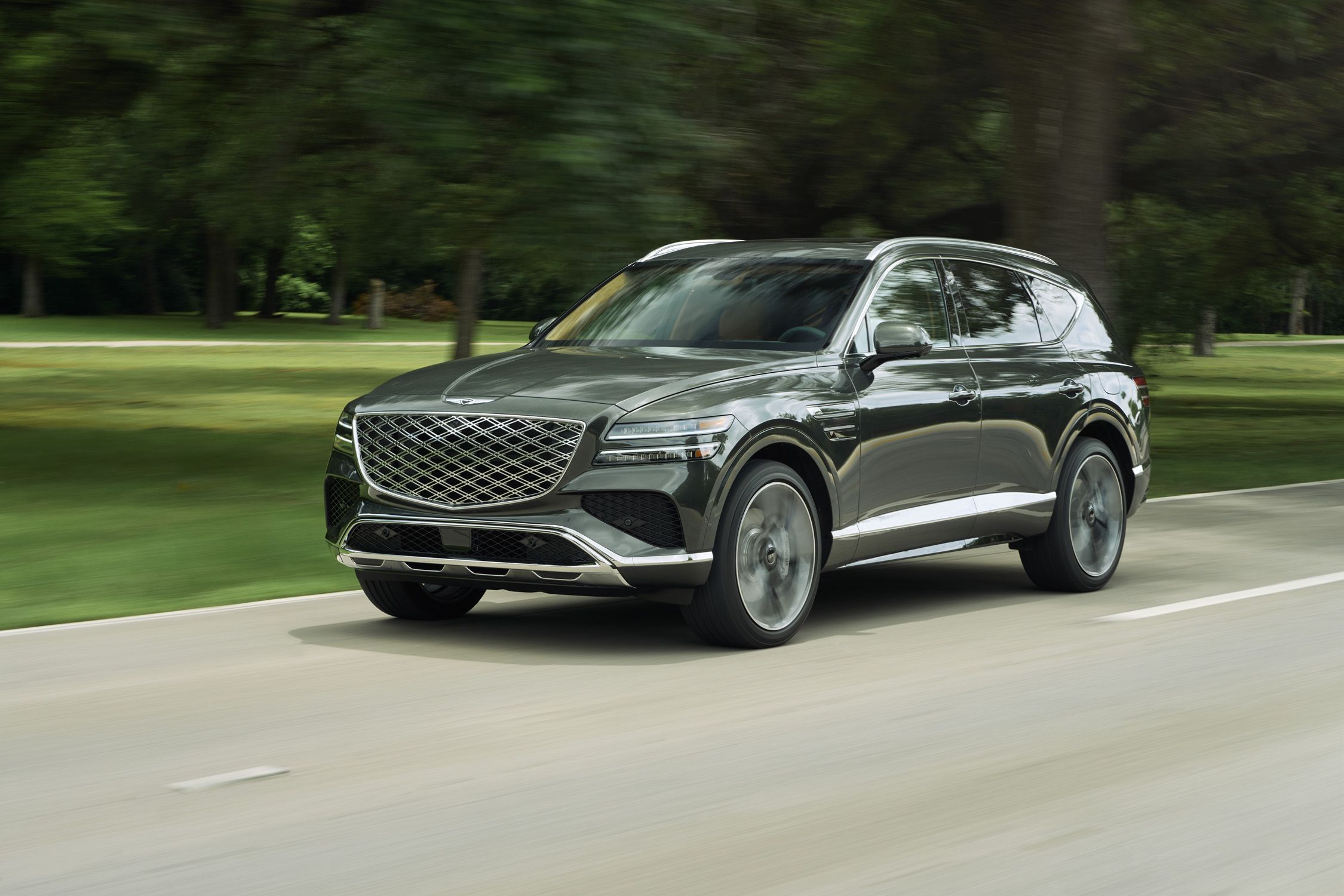
 Genesis GV70 Sport Prestige shows modern premium styling.
What Defines a Premium SUV in 2026?
A premium badge alone no longer guarantees segment leadership. Today’s benchmark includes:
- Adaptive suspension with selectable drive modes that genuinely alter ride quality.
- Level‑2+ driver‑assistance (hands‑free highway capability on approved roads).
- Over‑the‑air updates for infotainment, battery management, and safety calibrations.
- Materials provenance — sustainably sourced leather, recycled‑content textiles, and low‑VOC adhesives.
- Connectivity ecosystem — seamless phone‑as‑key, wireless CarPlay/Android Auto, and integrated concierge services.
These attributes appear across compact, midsize, and full‑size classes, so the “premium” label is more about execution than size.
Price Tiers and Typical Transaction Ranges (2026)
| Tier | Representative MSRP Range | Typical Out‑the‑Door (incl. fees, tax) | Notable Models |
|---|---|---|---|
| Entry‑Level Luxury | $38,000 – $48,000 | $42,000 – $52,000 | Genesis GV70, Volvo XC60 Recharge, compact luxury crossover options |
| Mid‑Range Performance | $55,000 – $78,000 | $60,000 – $85,000 | BMW X5, Mercedes‑Benz GLE, Audi Q7, electrified premium utilities |
| Full‑Size Flagship | $85,000 – $130,000+ | $95,000 – $145,000+ | Cadillac Escalade, Lincoln Navigator, Range Rover, three‑row family haulers |
Prices reflect national averages; destination charges, dealer documentation fees, and local taxes can add 6‑10 %.
 Polestar 3 illustrates the shift toward electric premium SUVs.
Total Cost of Ownership: Beyond the Sticker
- Depreciation — Premium SUVs typically lose 45‑55 % of value in the first three years. Models with strong brand perception (Lexus RX, Porsche Macan) sit near the lower end of that band.
- Fuel / Energy — A 2026 plug‑in hybrid averaging 30 MPGe combined can save $1,200‑$1,800 annually versus a comparable V6. Fully electric variants eliminate fuel cost but add electricity‑rate variability.
- Insurance — Higher repair costs and advanced sensor suites push premiums 15‑25 % above mainstream SUVs. Selecting lower insurance cost picks can shave $300‑$600 per year.
- Maintenance & Repairs — Scheduled service intervals have lengthened (10,000‑12,000 mi), but out‑of‑warranty items — air‑suspension compressors, matrix‑LED modules — are expensive. A prepaid maintenance plan often pays for itself if you keep the vehicle past 50,000 mi.
- Financing Cost — With average new‑vehicle APR near 6.5 % (prime) in early 2026, a $70,000 loan over 60 months costs roughly $12,500 in interest. Leasing can reduce monthly outlay but adds acquisition and disposition fees.
Lease vs. Buy: Financial Mechanics for Premium Buyers
| Factor | Lease (36 mo, 10k mi/yr) | Purchase (60 mo loan) |
|---|---|---|
| Monthly Payment | $650‑$1,100 | $1,150‑$1,650 |
| Down Payment | $3,000‑$6,000 | $5,000‑$10,000 |
| Mileage Penalty | $0.25‑$0.35/mi over limit | None |
| Equity at Term | $0 (unless buyout) | Full residual value |
| Tax Treatment | Sales tax on each payment (most states) | Sales tax on full price upfront |
| Ideal For | Drivers who rotate vehicles ≤3 yr, want latest tech | Owners planning 5+ yr, high annual mileage |
If you prefer the flexibility of a new model every few years, explore lease‑friendly premium models that offer high residual values and subsidized money factors. For long‑term owners, a low‑APR loan combined with a sizable down payment usually yields the lowest total cost. For further reading, see ato.gov.au.
Top Contenders by Category (2026)
Compact Premium SUVs
- Genesis GV70 3.5T Sport Prestige — 375 hp twin‑turbo, 19/25 mpg, standard AWD, 5‑year/60k‑mi warranty.
- Volvo XC60 Recharge T8 — 455 hp PHEV, 28 mi EV range, Pilot Assist, Google‑built infotainment.
- BMW X3 M40i — 382 hp inline‑six, adaptive M suspension, iDrive 8 with AR navigation.
Midsize Performance SUVs
- Mercedes‑Benz GLE 450 4MATIC — 362 hp mild‑hybrid inline‑six, E‑Active Body Control, MBUX Hyperscreen optional.
- Audi Q7 55 TFSI e — 381 hp PHEV, 23 mi EV range, quattro ultra, Bang & Olufsen 3D sound.
- Porsche Cayenne S — 468 hp twin‑turbo V8, Porsche Active Suspension Management, sport‑chronometer package.
Full‑Size Flagships
- Cadillac Escalade Premium Luxury — 420 hp 6.2 L V8, Super Cruise hands‑free, AKG 36‑speaker system.
- Lincoln Navigator Black Label — 440 hp twin‑turbo V6, Perfect Position 30‑way seats, Revel Ultima 3D audio.
- Range Rover Autobiography P530 — 523 hp mild‑hybrid V8, adaptive dynamics, executive rear seating.
Electric‑Only Premium SUVs
- Rivian R1S Adventure Dual‑Motor — 600 hp, 320 mi EPA range, quad‑motor option, gear‑tunnel storage.
- Polestar 3 Long Range Dual Motor — 489 hp, 300 mi range, Android Automotive OS, lidar‑ready hardware.
- BMW iX xDrive50 — 516 hp, 324 mi range, curved display, 5th‑gen eDrive efficiency.
 2024 Cadillac Escalade Premium Luxury exemplifies full‑size opulence.
How to Secure the Best Rate: A Practical Checklist
- Define your total‑budget ceiling — include tax, fees, insurance, and projected fuel/energy cost for 36‑48 months.
- Research invoice and holdback data — use manufacturer‑published dealer cost sheets (often available via enthusiast forums).
- Time your purchase — end‑of‑quarter (March, June, September, December) and model‑year changeover (August‑October) historically yield larger dealer incentives.
- Obtain at least three written quotes — one from a high‑volume metro dealer, one from a suburban store, and one from an online buying service.
- Negotiate the “out‑the‑door” number — not the monthly payment. Include all fees, add‑ons, and the dealer’s documentation charge.
- Leverage competing offers — present the lowest written quote to each dealer and ask for a beat‑by‑$500‑$1,000 improvement.
- Consider Certified Pre‑Owned (CPO) — 2023‑2024 models with remaining factory warranty often cost 15‑20 % less than new, with similar residual values.
- Lock in financing before visiting the showroom — a pre‑approved credit‑union rate (often 0.5‑1 % below captive finance) gives you leverage.
- Review the contract line‑by‑line — watch for “etch protection,” “nitrogen tire fill,” and extended‑warranty markups that can add $1,500‑$3,000.
- Finalize delivery inspection — verify VIN, option codes, tire pressures, and software version before signing.
Regional Considerations: United States, Canada, Australia
| Region | Typical Incentive Structure | Tax/Regulatory Nuances | Popular Models |
|---|---|---|---|
| United States | Manufacturer cash, lease subvention, loyalty/conquest bonuses | State sales tax on full price (buy) or monthly payment (lease); EV tax credit up to $7,500 (subject to MSRP cap) | GV70, X5, Escalade, R1S |
| Canada | Factory cash, low‑rate financing (0.9‑2.9 % APR), winter‑tire rebates | GST/HST on purchase; provincial EV rebates (BC, QC) up to $5,000 | XC60 Recharge, Q7, Navigator |
| Australia | Drive‑away pricing includes stamp duty, luxury car tax (LCT) threshold $79,659 (2026) | LCT 33 % on amount above threshold; FBT implications for novated leases | GV70, GLE, Range Rover, best premium SUV Australia |
Buyers in Canada and Australia should factor the luxury‑car tax and provincial/state rebates into the effective price; a model just under the LCT threshold can save >$10,000.
Ownership Experience & Long‑Term Value
- Scheduled maintenance — Most brands now include 3‑year/36k‑mi complimentary service; budget $800‑$1,200 annually thereafter.
- Software longevity — OTA updates extend feature relevance; confirm the manufacturer’s commitment (≥8 years for safety‑critical modules).
- Resale timing — Selling at 36‑42 months captures the steepest depreciation cliff; CPO certification at that point adds $2,000‑$3,500 to trade‑in value.
- Community & support — Active owner forums (e.g., Rivian Owners Club, BMW CCA) provide DIY diagnostics, group buys for tires, and early‑access beta programs.
Frequently Asked Questions
What are the best premium SUV rates available right now?
Rates vary by region, trim, and incentive stack. In the U.S., well‑equipped compact premium SUVs start near $42,000 out‑the‑door; midsize PHEVs cluster around $65,000; full‑size flagships exceed $100,000. Always compare at least three dealers and include total‑cost figures.
How can I find premium SUV deals near me?
Use manufacturer “build & price” tools to generate a target MSRP, then request e‑quotes from dealers within a 100‑mile radius. Cross‑reference with third‑party pricing sites (TrueCar, Edmunds) for market‑average transaction data.
Are premium SUVs worth the investment?
If you value advanced safety, superior NVH, and a tech‑forward cabin, the premium segment delivers measurable daily‑drive benefits. Strong residual values on select models (Lexus RX, Porsche Macan) also mitigate long‑term cost.
What factors affect premium SUV pricing most?
Brand prestige, powertrain complexity (PHEV/EV vs. ICE), optional equipment bundles, and regional tax/incentive structures are the primary drivers. Dealer allocation and inventory age create secondary price swings.
Should I lease or buy a premium SUV in 2026?
Lease if you prefer a new vehicle every 2‑3 years, drive ≤12,000 mi/yr, and want predictable payments. Buy if you keep vehicles ≥5 years, exceed mileage allowances, or want equity for a future trade‑in.
Conclusion
Securing a competitive rate on a premium SUV in 2026 is less about chasing the lowest sticker price and more about mastering the total‑cost equation — depreciation, energy, insurance, maintenance, and financing. By defining your ownership horizon, leveraging current incentive calendars, and negotiating the full out‑the‑door figure, you can drive a luxury utility that meets both your lifestyle and your budget. Ready to compare the latest lease programs on top‑rated models? Explore compact luxury crossover options and lease‑friendly premium models to start building your shortlist today.