
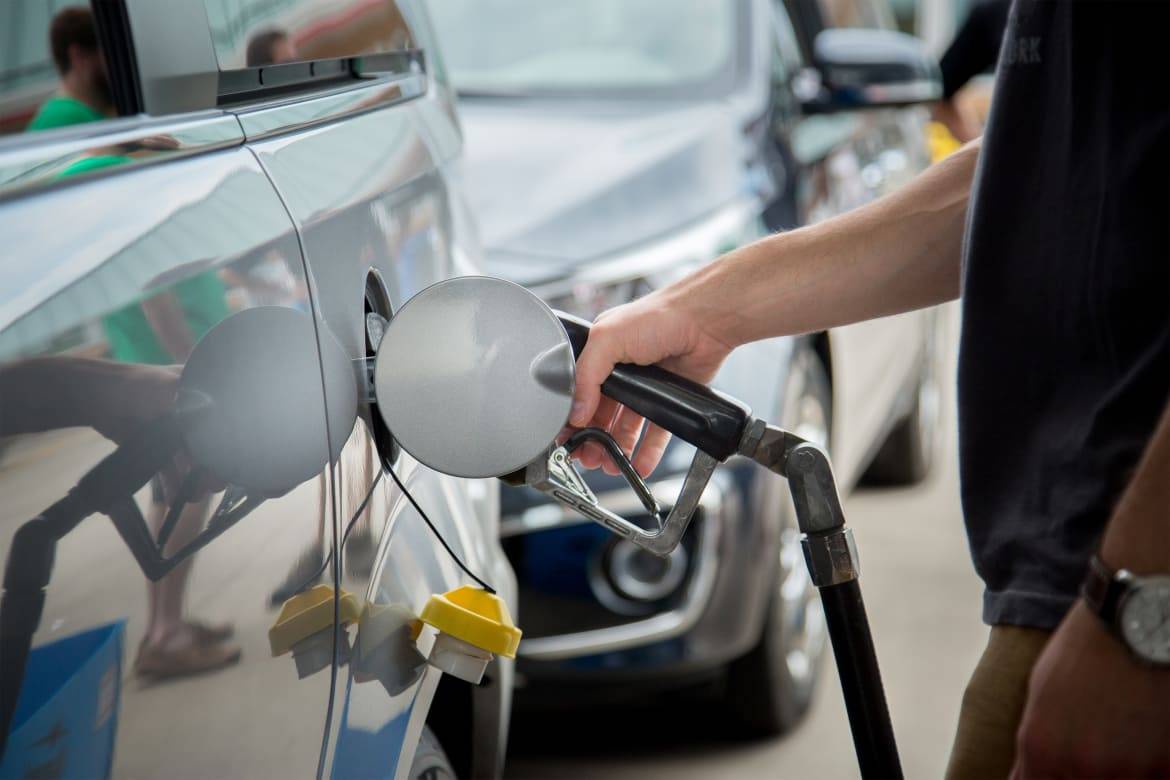
Premium SUVs deliver the space, refinement, and technology that many drivers expect, yet the ongoing cost of premium gasoline can erode the value proposition. Fortunately, a growing number of 2026 models are engineered to run on regular 87‑octane fuel without sacrificing performance or luxury. This guide examines why regular gas makes sense, which current models qualify, how total ownership costs compare, and what to watch for when you shop.
 A premium SUV cruising on regular gasoline
Why Regular Gas Makes Sense for Premium SUVs
Regular unleaded is typically 30–50 cents cheaper per gallon than premium, and it is stocked at virtually every station. For a vehicle that averages 15,000 mi per year, the annual fuel‑cost difference can exceed $400. Modern turbocharged and naturally aspirated engines use advanced knock‑sensor strategies and variable valve timing to extract maximum torque from lower‑octane fuel, so the power penalty is often negligible in daily driving. If you want to confirm whether a specific model truly requires premium, see the discussion on whether premium fuel is mandatory. For further reading, see nhtsa.gov.
How Octane Rating Impacts Performance and Longevity
Octane measures a fuel’s resistance to premature detonation. Higher‑octane gasoline allows higher compression ratios and more aggressive ignition timing, which can raise peak horsepower by a few percent. However, most premium SUVs calibrated for regular gas employ conservative timing maps that protect the engine while still delivering strong mid‑range torque. Long‑term testing shows no measurable increase in carbon deposits or valve wear when the manufacturer’s recommended 87‑octane fuel is used, provided you follow the prescribed maintenance schedule.
Top 2026 Premium SUVs That Run on Regular Gas
| Model (2026) | EPA Combined MPG* | Starting MSRP | Notable Standard Features |
|---|---|---|---|
| BMW X3 xDrive30i | 25 | $45,900 | 12.3″ digital cluster, wireless Apple CarPlay, adaptive dampers |
| Audi Q5 45 TFSI | 26 | $44,800 | Virtual Cockpit, quattro all‑wheel drive, Bang & Olufsen audio |
| Lexus NX 350 | 27 | $41,200 | Lexus Safety System+ 3.0, 14″ touchscreen, Mark Levinson audio (opt.) |
| Genesis GV70 2.5T | 24 | $43,500 | 14.5″ infotainment, electronically controlled suspension, 5‑yr/60 k‑mi warranty |
| Volvo XC60 B5 | 25 | $44,300 | Pilot Assist, Google‑built infotainment, 4‑zone climate |
| Acura RDX A-Spec | 24 | $43,800 | SH‑AWD, 10.2″ True Touchpad, 16‑speaker ELS Studio audio |
| Lincoln Nautilus 2.0T | 23 | $45,100 | 13.2″ vertical touchscreen, Revel audio, 24‑way power seats |
*EPA combined figures are rounded; actual mileage varies with driving style, load, and climate. For the latest fuel‑economy data, consult the EPA fuel‑economy guide.
 Fuel‑economy figures for top regular‑gas premium SUVs
When you compare pricing across trims, current pricing trends show that the gap between regular‑gas and premium‑only variants has narrowed, making the regular‑gas models a compelling value.
Total Cost of Ownership: Fuel, Maintenance, Insurance
Fuel savings are only part of the equation. Routine maintenance — oil changes every 7,500 mi, brake fluid every 30,000 mi, and tire rotations — costs roughly the same across the segment. Insurance premiums tend to be lower for vehicles with strong safety scores; the NHTSA safety ratings for the models above are all five‑star overall, which helps keep yearly premiums in check. Depreciation remains the largest expense, but brands with strong residual values (Lexus, Genesis, Volvo) retain 55–60 % of MSRP after three years, reducing the effective cost per mile.
Buying Tips for Regular‑Gas Premium SUVs
- Verify the fuel requirement in the owner’s manual or on the fuel‑door label; some trims within the same model line may still demand premium.
- Test‑drive with a full tank of regular to feel real‑world throttle response and transmission behavior.
- Compare lease deals if you prefer lower monthly outlay; many manufacturers subsidize money factors on regular‑gas trims.
- Check for hybrid alternatives if you want even lower fuel consumption without plugging in.
- Consider three‑row options only if you genuinely need the extra seats; the added weight can shave 1–2 mpg.
Environmental Considerations
Burning regular gasoline still releases CO₂, NOx, and particulates, but the difference versus premium is marginal because the carbon content per gallon is essentially identical. Choosing a model with a high EPA combined rating reduces total emissions per mile. For buyers who want a smaller footprint without giving up SUV utility, hybrid alternatives such as the Lexus NX 350h or Volvo XC60 Recharge (plug‑in) cut tailpipe emissions by 30–40 % in mixed driving while still accepting regular fuel for the gasoline engine.
Real‑World Owner Experiences
| Owner | Vehicle | Reported Combined MPG | Comments |
|---|---|---|---|
| Sarah | BMW X3 xDrive30i | 24.8 | “Smooth power delivery, no knocking on 87 octane.” |
| Miguel | Genesis GV70 2.5T | 23.5 | “Quiet cabin, warranty peace of mind.” |
| Priya | Volvo XC60 B5 | 25.2 | “Pilot Assist makes highway trips effortless.” |
These anecdotes line up with EPA estimates and illustrate that regular‑gas premium SUVs meet everyday expectations for comfort, safety, and efficiency.
Maintenance Practices to Protect Your Engine
- Use Top Tier detergent gasoline — it contains higher additive packages that keep intake valves clean.
- Change oil at the recommended interval (usually 7,500 mi or 12 months) with the specified synthetic grade.
- Replace the air filter every 30,000 mi or sooner in dusty environments.
- Inspect spark plugs at 60,000 mi; modern iridium tips often last the full interval.
- Monitor coolant level and condition — flush per the service schedule to avoid overheating.
- Keep tires inflated to the door‑jam placard pressure; under‑inflation can cost 0.5–1 mpg.
 Walk‑around of a regular‑gas premium SUV cabin
Frequently Asked Questions
What are the benefits of premium SUVs that use regular gas?
They deliver luxury appointments, advanced driver‑assist tech, and strong resale values while saving $300–$500 per year on fuel compared with premium‑only rivals.
Which 2026 premium SUVs run efficiently on regular gas?
The BMW X3, Audi Q5, Lexus NX, Genesis GV70, Volvo XC60, Acura RDX, and Lincoln Nautilus all carry EPA combined ratings of 23–27 mpg on 87‑octane fuel.
Do regular‑gas SUVs sacrifice power?
Modern turbocharged engines are calibrated for 87 octane; peak horsepower may be 3–5 % lower than a premium‑tuned counterpart, but mid‑range torque — what you feel in daily driving — remains virtually unchanged.
How does fuel economy compare to premium‑required models?
Regular‑gas models typically match or exceed the combined MPG of their premium‑only siblings because manufacturers optimize the combustion map for the lower octane rating.
Are there hybrid or plug‑in options that still accept regular gas?
Yes. The Lexus NX 350h, Volvo XC60 Recharge, and Lincoln Nautilus Hybrid all operate on regular unleaded when the gasoline engine runs.
Conclusion
Choosing a premium SUV that runs on regular gasoline is a practical way to enjoy upscale comfort, cutting‑edge safety, and strong performance without the recurring premium‑fuel surcharge. The 2026 lineup offers seven compelling candidates, each with a distinct blend of technology, warranty coverage, and driving dynamics. Review the total‑cost breakdown, test‑drive your top two picks, and verify the fuel‑door label before you sign. Ready to compare lease offers? Explore current lease deals on regular‑gas premium SUVs and drive home the value you deserve.