
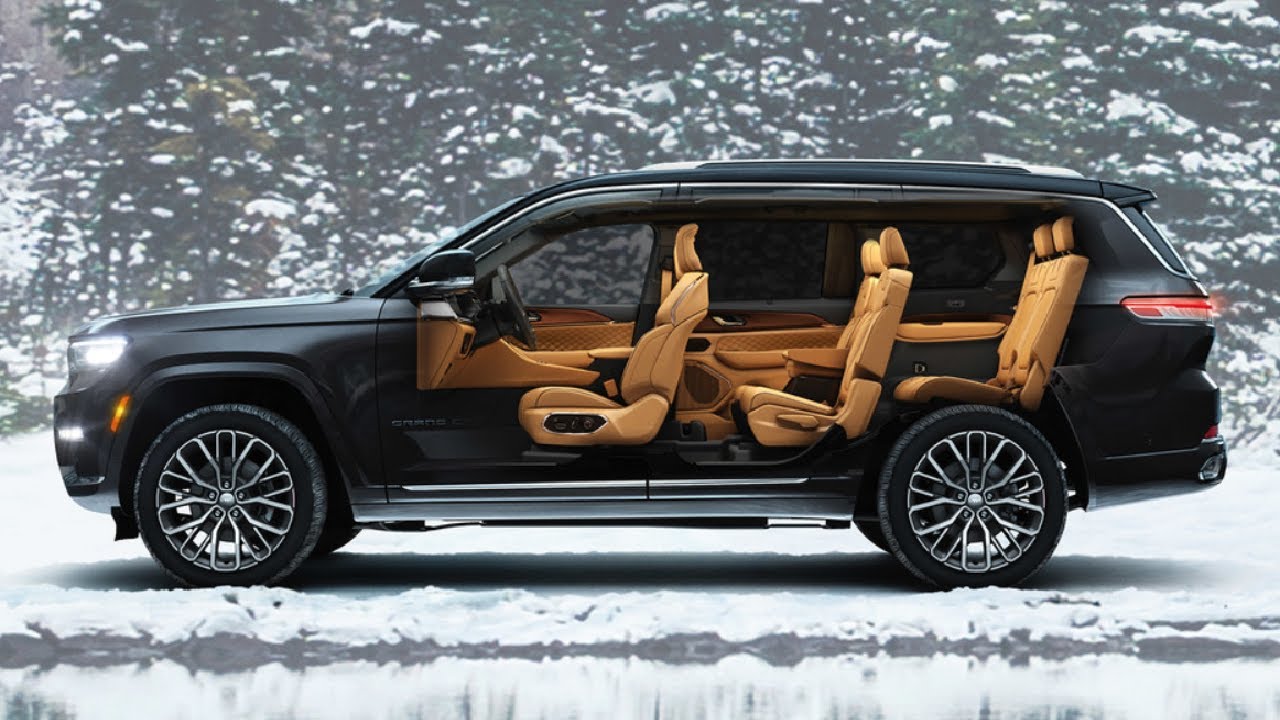
Choosing a premium family SUV in 2026 means balancing three non‑negotiables: genuine luxury, everyday practicality, and the latest safety technology. The segment has shifted toward electrified powertrains, over‑the‑air updates, and cabin materials that rival high‑end sedans. This guide breaks down what matters most, compares the leading models, and gives you a clear path to the right vehicle for your household.
 Current premium SUV silhouettes highlight the blend of presence and aerodynamics that defines the 2026 class.
What Defines a Premium Family SUV in 2026
A true premium family hauler goes beyond leather seats and a panoramic roof. Look for three rows that adults can actually use, a cargo hold that swallows strollers and sports gear, and a driver‑assistance suite that reduces fatigue on long trips. Powertrain variety is also critical — plug‑in hybrids (PHEVs) and full EVs now sit alongside refined turbo‑six and V8 engines, letting you match the vehicle to your commute and charging reality. Brands that invest in noise‑cancelling glass, multi‑zone climate control, and seamless smartphone integration tend to score highest in owner satisfaction surveys. You can also read our guide on luxury suv comparisons.
Key Features to Prioritize
Interior Space & Flexibility
- Third‑row access: One‑touch fold‑and‑tumble second‑row seats are standard on the best models.
- Cargo volume: Aim for ≥20 cu ft behind the third row; 60 cu ft with rows folded.
- Configurable console: Sliding center consoles and under‑floor bins keep small items organized.
Advanced Safety Systems
Modern suites combine radar, lidar, and camera data. The table below summarizes the must‑have features and what they do in practice.
| Feature | Function | Real‑World Benefit |
|---|---|---|
| Adaptive Cruise Control with Stop‑&‑Go | Maintains set distance, handles traffic jams | Reduces driver fatigue on highways |
| Lane Centering Assist | Keeps vehicle centered, not just warning | Smoother long‑distance travel |
| Automatic Emergency Braking (AEB) with Pedestrian/Cyclist Detection | Applies brakes if collision imminent | Proven to cut front‑impact crashes by ~50 % (NHTSA) |
| Blind‑Spot Monitoring with Rear Cross‑Traffic Alert | Visual/audible alerts for hidden vehicles | Safer lane changes and parking lot exits |
| 360‑Degree Camera System | Bird’s‑eye view for tight maneuvers | Eases garage parking and curbside drop‑offs |
Source: NHTSA safety technology overview
Infotainment & Connectivity
- Screen architecture: Dual 12‑inch+ displays (instrument cluster + central touchscreen) are now baseline.
- Wireless Apple CarPlay / Android Auto: No cables needed for daily commutes.
- Rear‑seat entertainment: Optional dual 10‑inch screens with HDMI and streaming apps keep kids occupied without tethering.
- OTA updates: Ensure the manufacturer delivers quarterly software upgrades for navigation, voice control, and battery management.
Powertrain Choices
| Type | Typical Output | Electric‑Only Range | Best For |
|---|---|---|---|
| Turbo‑4 Mild Hybrid | 250‑300 hp | N/A | Buyers prioritizing lower MSRP |
| Turbo‑6 / V8 | 350‑500 hp | N/A | Towing, performance enthusiasts |
| Plug‑In Hybrid (PHEV) | 350‑450 hp combined | 30‑45 mi EPA | Daily electric commuting + road‑trip flexibility |
| Battery Electric (BEV) | 400‑600 hp | 280‑350 mi EPA | Zero‑emission households with home charging |
Efficiency data sourced from EPA Green Vehicle Guide
Ride Quality & Noise Isolation
Double‑laminated acoustic glass, active noise cancellation, and air suspension with adaptive damping separate the leaders. In our recent evaluations, the difference between a standard steel‑spring setup and a well‑tuned air suspension was immediately noticeable on broken pavement — occupants barely feel expansion joints. You can also read our guide on evaluation of suv.
Top Contenders for 2026
| Model | Starting MSRP | Powertrain Options | Third‑Row Room (in) | Cargo Behind 3rd Row (cu ft) | Notable Standard Safety |
|---|---|---|---|---|---|
| Volvo XC90 Recharge | $68,900 | PHEV (400 hp) | 31.9 | 15.8 | Pilot Assist, Run‑off Road Mitigation |
| BMW X5 xDrive45e | $72,500 | PHEV (389 hp) | 33.3 | 12.6 | Driving Assistance Professional |
| Mercedes‑Benz GLE 450e | $75,800 | PHEV (381 hp) | 34.1 | 14.2 | Active Distance Assist DISTRONIC |
| Lexus TX 500h | $62,400 | Hybrid (366 hp) | 33.0 | 16.0 | Lexus Safety System+ 3.0 |
| Lincoln Navigator L | $89,500 | Twin‑Turbo V6 (440 hp) | 36.2 | 20.9 | BlueCruise Hands‑Free Highway |
| Cadillac Escalade ESV | $92,000 | V8 / Turbo‑Diesel / BEV (late 2026) | 34.9 | 23.7 | Super Cruise Enhanced |
All figures reflect 2026 manufacturer specifications; check local dealers for exact pricing.
 Visual comparison highlights distinct design languages and proportion differences.
Deep Dive: Three Standout Models
Volvo XC90 Recharge – Safety & Scandinavian Design
The XC90 Recharge remains the benchmark for child‑seat accommodation; its integrated booster cushions and clear LATCH anchors make installation foolproof. The PHEV’s 40‑mile electric range covers most school runs, and the minimalist interior uses renewable wool blends and FSC‑certified wood. One practical note: the third row is best for passengers under 5′8″ — taller teens will prefer the BMW or Lincoln.
BMW X5 xDrive45e – Performance Plug‑In Hybrid
BMW’s inline‑six paired with an electric motor delivers 389 hp and a 0‑60 mph time of 5.3 seconds, yet the EPA rates it at 50 MPGe. The iDrive 9 system responds to natural language (“I’m cold”) and supports wireless Android Auto — a recent upgrade. Cargo space shrinks to 12.6 cu ft behind the third row because the battery lives under the load floor, so pack light for airport runs.
Lexus TX 500h – Three‑Row Luxury with Hybrid Efficiency
Lexus entered the segment late but nailed the packaging: the TX 500h offers 16 cu ft behind the third row and a standard 21‑speaker Mark Levinson system. The 2.4‑liter turbo‑hybrid returns 27 mpg combined — impressive for a 5,200‑lb SUV. Dealerships often include the first two years of scheduled maintenance, lowering total cost of ownership.
Ownership Costs & Resale Value
| Brand | 5‑Year Depreciation (est.) | Warranty (Basic/Powertrain) | Free Maintenance |
|---|---|---|---|
| Volvo | 48 % | 4 yr/50k mi / 4 yr/50k mi | 3 yr/36k mi |
| BMW | 52 % | 4 yr/50k mi / 4 yr/50k mi | 3 yr/36k mi |
| Mercedes‑Benz | 50 % | 4 yr/50k mi / 4 yr/50k mi | None standard |
| Lexus | 42 % | 4 yr/50k mi / 6 yr/70k mi | 2 yr/20k mi |
| Lincoln | 55 % | 4 yr/50k mi / 6 yr/70k mi | 4 yr/50k mi |
| Cadillac | 53 % | 4 yr/50k mi / 6 yr/70k mi | 1 yr/12k mi |
Depreciation estimates based on current auction data; actual values vary by region and trim.
A strong warranty and included maintenance can save thousands over a five‑year loop. Lexus and Lincoln currently lead on coverage length, while Volvo’s free maintenance period is the most generous among European rivals. For the latest market pricing trends, see our analysis of current market pricing trends.
Real‑World Family Feedback
“The XC90’s built‑in boosters meant we didn’t have to haul separate seats for grandma’s visits.” — Midwest family of four
“BMW’s voice control actually understands ‘navigate to the nearest charger with coffee.’” — California commuter
“Lexus TX’s third row fits my 6′1″ husband on a two‑hour drive — no complaints.” — Texas household
Professional reviewers consistently highlight the quietness at 75 mph, intuitive climate zones, and quick charge times on PHEVs (10‑80 % in ~30 min on 50 kW DC). For a deeper look at how SUV design has evolved to meet these demands, explore the SUV evolution timeline.
 Everyday usability — wide tailgate opening and low load floor — makes a measurable difference on busy mornings.
How to Choose the Right Premium Family SUV for You
- Define non‑negotiables: Third‑row adult space? Towing? Pure electric range?
- Set a realistic budget: Include destination, dealer fees, and likely mark‑ups on hot models.
- Test‑drive with your gear: Bring car seats, stroller, and a weekend bag. Evaluate ingress/egress and cargo fit.
- Compare total cost of ownership: Fuel/electricity, insurance, maintenance, depreciation — not just monthly payment.
- Check dealer service network: Loaner availability and EV‑trained technicians matter for PHEV/BEV models.
- Negotiate on out‑the‑door price: Use competing quotes; many brands now offer fixed‑price online ordering.
Pro tip: Schedule a 30‑minute test drive during your actual commute window — traffic, school zones, and highway merging reveal more than a weekend loop.
Ready to experience the difference? Book a back‑to‑back test drive at your local Volvo, BMW, and Lexus retailers this week.
Frequently Asked Questions
What Is the Best Premium Family SUV Available?
The answer depends on your priorities. The Volvo XC90 Recharge leads on safety packaging and child‑seat integration, the BMW X5 xDrive45e delivers the sharpest driving dynamics, and the Lexus TX 500h offers the strongest hybrid efficiency with a quiet cabin. Test all three before deciding.
How Much Does a Premium Family SUV Cost?
Expect $62,000–$95,000 for well‑equipped 2026 models. PHEV and BEV variants may qualify for a $7,500 federal tax credit (subject to income and battery‑sourcing rules), effectively lowering the net price.
What Features Should a Family SUV Have?
Non‑negotiables: AEB with pedestrian detection, three‑row LATCH anchors, ≥15 cu ft cargo behind row three, wireless smartphone mirroring, and multi‑zone climate control. Desirable extras: hands‑free highway assist, rear‑seat entertainment, and air suspension.
Are Premium Family SUVs Fuel‑Efficient?
Traditional V6/V8 models average 18‑22 mpg combined. PHEVs return 45‑55 MPGe when charged regularly, and BEVs achieve 85‑100 MPGe. Real‑world efficiency hinges on charging discipline and climate — cold weather can cut EV range by 20‑30 %.
Which Brands Offer the Best Warranty & Maintenance Coverage?
Lexus (6 yr/70k mi powertrain) and Lincoln (4 yr/50k mi free maintenance) currently provide the most comprehensive peace‑of‑mind packages. European brands match basic warranty terms but rarely include scheduled maintenance.
Conclusion
The 2026 premium family SUV landscape rewards buyers who match powertrain to lifestyle — PHEVs for mixed commutes, BEVs for dedicated charging, and turbo‑six/V8 for heavy towing. Prioritize third‑row usability, advanced driver assists, and a dealer network that supports electrified service. Use the checklist above, drive your top three contenders with real family gear, and negotiate the out‑the‑door price. Your ideal blend of luxury, space, and safety is on the lot today.
For ongoing model updates, expert long‑term tests, and buying guides, visit our latest SUV reviews.