
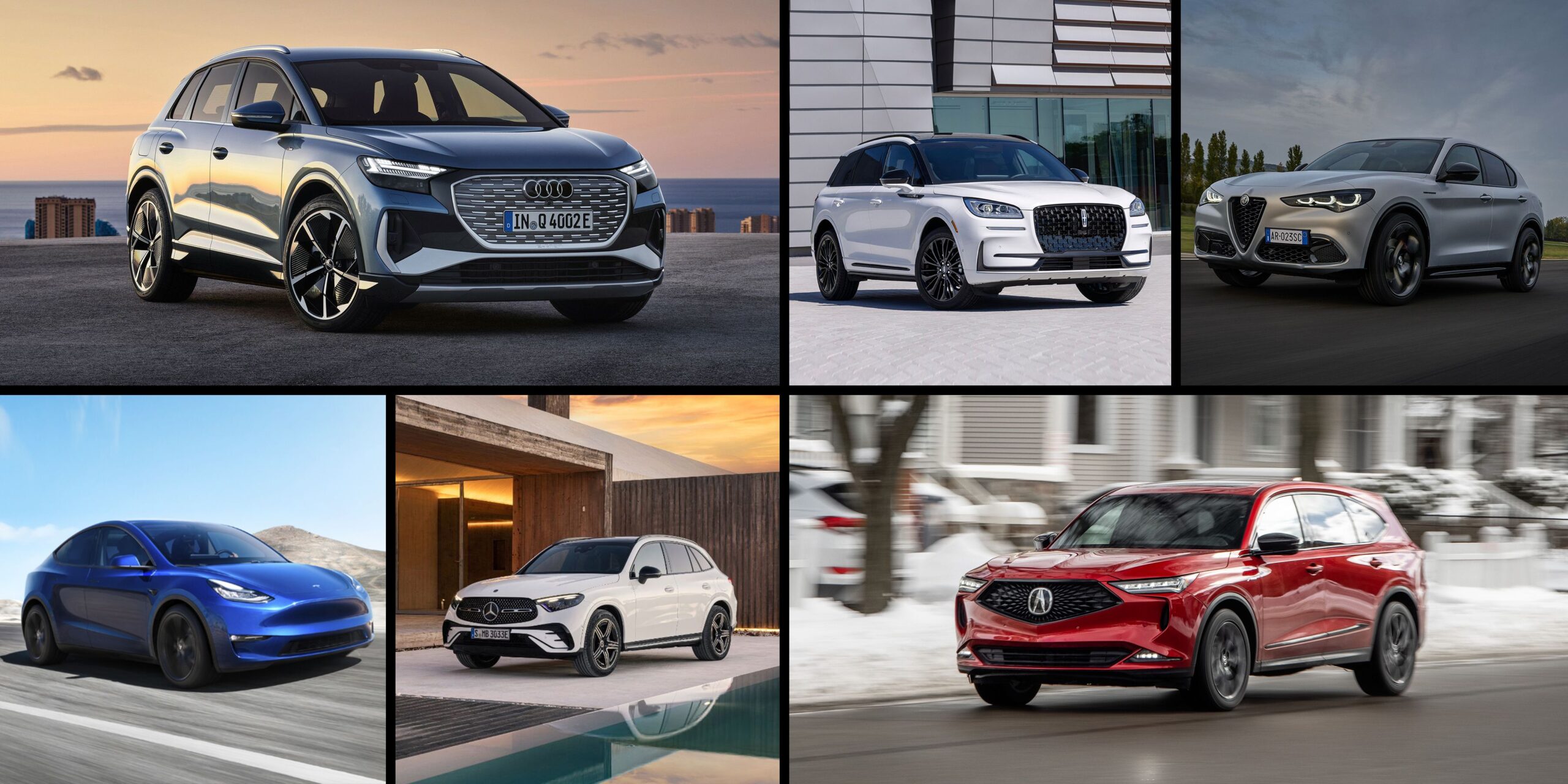
The premium crossover segment continues to redefine what drivers expect from a daily vehicle. These models combine the elevated seating and cargo flexibility of an SUV with the refined materials, advanced technology, and polished driving dynamics traditionally reserved for luxury sedans. In 2026, the competition is fiercer than ever, with established German brands, Japanese stalwarts, and Korean upstarts each pushing the boundaries of comfort, efficiency, and safety. Understanding the nuances of this crowded field starts with grasping the segment’s core attributes — something our guide to crossover SUV basics covers in detail.
What Defines a Premium Crossover in 2026?
A premium crossover is not merely an expensive compact SUV. It distinguishes itself through a cohesive suite of upgrades: genuine leather or high-grade synthetic upholstery, real wood or metal interior accents, a standard or available all-wheel-drive system tuned for on-road composure, and a powertrain lineup that includes turbocharged four-cylinders, mild-hybrid assistance, or plug-in hybrid variants. Manufacturers also differentiate through acoustic insulation, adaptive suspension calibrations, and driver-assistance suites that approach Level 2+ automation. The evolution of the SUV shows how these vehicles migrated from utilitarian roots to today’s luxury-focused propositions. You can also read our guide on evaluation of suv.
Key Features That Separate the Best from the Rest
Powertrain Diversity and Real-World Efficiency
Most premium crossovers now offer at least three powertrain choices. A turbocharged 2.0-liter four-cylinder remains the volume engine, typically paired with a 48-volt mild-hybrid system that smooths start-stop transitions and adds a modest torque boost. Plug-in hybrid (PHEV) versions — such as the Lexus NX 450h+ or BMW X3 xDrive30e — deliver 30–40 miles of electric-only range, ideal for daily commutes. Fully electric variants like the Genesis GV60 or Audi Q4 e-tron share platforms with combustion models but require distinct charging strategies. In practice, buyers who prioritize low running costs should compare EPA fuel‑economy estimates on fueleconomy.gov rather than relying solely on manufacturer claims.
Chassis Tuning and All-Wheel-Drive Implementation
Adaptive dampers are increasingly standard on upper trims, allowing a measurable split between Comfort and Sport modes. Torque-vectoring rear differentials (found on the Genesis GV70 Sport and Porsche Macan) sharpen turn-in without sacrificing straight-line stability. For buyers in snow-belt regions, a system with a dedicated Snow mode and hill-descent control — like Volvo’s XC60 setup — provides tangible confidence. A common mistake is assuming all AWD systems behave identically; test-driving on a wet or gravel surface reveals differences in traction management. You can also read our guide on invention of suv.
Interior Craftsmanship and Ergonomics
Material consistency across touchpoints — door tops, center console, knee bolsters — signals true premium intent. Brands such as Genesis and Lexus excel at maintaining soft-touch surfaces even in lower-door areas. Seating adjustability matters: look for at least 12-way power front seats with lumbar and thigh support, plus ventilated and massaging functions on top trims. Rear-seat recline and slide functions (standard on the BMW X3 and Mercedes GLC) dramatically improve long-distance comfort for adult passengers.
Infotainment Architecture and Connectivity
Large curved displays (14 inches or wider) are now table stakes. The critical differentiator is software responsiveness and voice-assistant natural-language capability. Systems that support wireless Apple CarPlay and Android Auto, over-the-air updates, and a dedicated app store reduce future obsolescence. In practice, a well-integrated head-up display with augmented-reality navigation arrows reduces glance-away time more than screen size alone. You can also read our guide on top luxury suvs of.
Top Contenders for 2026: Model-by-Model Breakdown
| Model | Starting MSRP (est.) | Powertrain Highlights | Standout Strength |
|---|---|---|---|
| Genesis GV70 | ~$45,000 | 2.5T / 3.5T / EV | Design flair, standard features |
| BMW X3 | ~$48,000 | 2.0T MHEV / PHEV / EV (iX3) | Driving dynamics, tech integration |
| Mercedes-Benz GLC | ~$47,000 | 2.0T MHEV / PHEV / EV (EQC) | Ride refinement, MBUX interface |
| Lexus NX | ~$42,000 | 2.5L Hybrid / 2.5L PHEV / 2.4T | Reliability reputation, quiet cabin |
| Audi Q5 | ~$46,000 | 2.0T MHEV / PHEV / SQ5 3.0T | Virtual Cockpit, quattro balance |
| Volvo XC60 | ~$44,000 | 2.0T MHEV / PHEV (T8) / EV (EX60) | Safety suite, minimalist aesthetic |
Prices reflect 2026 manufacturer announcements; actual transaction prices vary by region and equipment.
 The Genesis GV70 blends athletic styling with an upscale interior.
Safety and Driver-Assistance: Beyond the Basics
Every model in this class earns a Top Safety Pick+ from the IIHS when equipped with specific headlights and front-crash-prevention systems. Standard suites now include automatic emergency braking with pedestrian/cyclist detection, lane-centering assist, blind-spot monitoring, and rear cross-traffic alert. The next differentiator is hands-free highway driving: GM’s Super Cruise (not in this segment), Ford’s BlueCruise, and Mercedes’ Drive Pilot (Level 3 in limited conditions) are benchmarks. Among premium crossovers, only the Genesis GV70 and BMW X3 offer true hands-free capability on approved highways as of 2026. Buyers should verify which road networks are mapped for their region before relying on the feature.
Ownership Costs: Depreciation, Maintenance, and Fuel Requirements
Residual values after three years typically range from 55–62% for the segment leaders. Lexus and Toyota hybrids historically retain value best, a trend explored in our analysis of Toyota’s premium positioning. German models often carry higher maintenance costs after the included service period; budgeting $1,200–$1,800 annually for years 4–6 is realistic. Fuel requirements vary: most turbocharged four-cylinders recommend premium (91+ octane) for peak output but tolerate regular with reduced performance. Mercedes models specifically are addressed in our guide to Mercedes fuel requirements. PHEV owners who charge daily can effectively operate on electricity for most commutes, slashing fuel expenses. You can also read our guide on crossover suv hybrid.
Emerging Trends Shaping the Next Generation
- Software-Defined Vehicle (SDV) Architectures — Brands are moving to centralized compute platforms enabling feature subscriptions (heated seats, advanced parking) post-purchase.
- Sustainable Materials — Recycled plastics, bio-based leather alternatives, and carbon-neutral manufacturing claims are becoming marketing pillars.
- 800-Volt Electrical Architectures — Faster DC charging (10–80% in ~18 minutes) debuts on the Porsche Macan EV and will cascade to Audi Q6 e-tron and Genesis GV70 EV.
- Expanded Over-the-Air Capability — Full infotainment redesigns, ADAS calibration updates, and even suspension retunes delivered wirelessly.
How to Choose the Right Premium Crossover for You
- Define your non-negotiables — Third-row seating (rare in this class), maximum cargo volume, or specific tech like a head-up display.
- Set a realistic budget — Include destination, dealer fees, and likely options; many “base” prices omit essential packages.
- Test-drive on varied surfaces — Spend 20 minutes on highway, broken pavement, and a tight parking lot. Evaluate NVH, visibility, and control intuitiveness.
- Compare total cost of ownership — Use independent calculators for depreciation, insurance, fuel/electricity, and maintenance over five years.
- Check dealer service reputation — A responsive service department matters more than a marginally better 0‑60 time.
For buyers cross-shopping specific models, our deep dive into the latest RAV4 premium trim and the hybrid premium crossover review offer granular spec comparisons.
 The GV70’s turbocharged V6 delivers strong acceleration.
Frequently Asked Questions
What Defines a Premium Crossover SUV?
A premium crossover SUV combines luxury appointments — genuine leather, real wood or metal trim, advanced noise suppression — with versatile utility. They typically offer sophisticated all-wheel-drive systems, turbocharged or electrified powertrains, and comprehensive driver-assistance suites. These vehicles target buyers who want sedan-like refinement without sacrificing cargo flexibility or commanding seating position.
Which Premium Crossover Has the Best Resale Value?
Lexus NX Hybrid and Toyota-based premium models consistently lead retained-value rankings. Genesis GV70 has improved rapidly but lacks long-term data. German brands (BMW, Mercedes, Audi) generally depreciate faster, though high-demand PHEV variants can outperform segment averages. Monitoring current market pricing trends helps time a purchase or sale.
Are Premium Crossovers Worth the Extra Cost Over Mainstream Models?
If you value quieter cabins, superior material tactility, more responsive infotainment, and dealer experiences that include loaner vehicles and complimentary maintenance, the premium is justifiable. For purely utilitarian needs — hauling gear, commuting in adverse weather — a well-equipped mainstream crossover (e.g., Mazda CX-50, Honda Passport) delivers 85% of the capability at 70% of the price.
Do All Premium Crossovers Require Premium Fuel?
Most turbocharged engines recommend 91-octane for rated horsepower but run safely on regular with modest power loss. Naturally aspirated hybrids (Lexus, Toyota) operate on regular. High-performance variants (BMW X3 M40i, Mercedes-AMG GLC 43) genuinely require premium. Always consult the owner’s manual; our breakdown of Mercedes premium package details includes fuel guidelines for specific trims.
How Do Plug-In Hybrid Crossovers Compare to Full EVs for Daily Use?
PHEVs offer 30–40 miles of electric range, covering many commutes gas-free while retaining a gasoline engine for longer trips — no charging infrastructure dependency. Full EVs provide greater electric range and lower per-mile energy cost but require home charging access or reliable public networks for road trips. In 2026, the sweet spot for many households is a PHEV crossover paired with Level 2 home charging.
 Premium crossovers feature high-quality leather and real wood accents.
Conclusion
The premium crossover segment in 2026 delivers an unprecedented blend of luxury, technology, and versatility. No single model dominates every category; the right choice hinges on whether you prioritize driving engagement (BMW X3), cabin serenity (Mercedes GLC), long-term reliability (Lexus NX), or cutting-edge design and value (Genesis GV70). By clarifying your must-have features, test-driving on roads you actually drive, and comparing true five-year ownership costs, you’ll avoid the common trap of buying based on badge prestige alone. Ready to experience the difference? Schedule a back-to-back test drive at two competing dealers this week.