
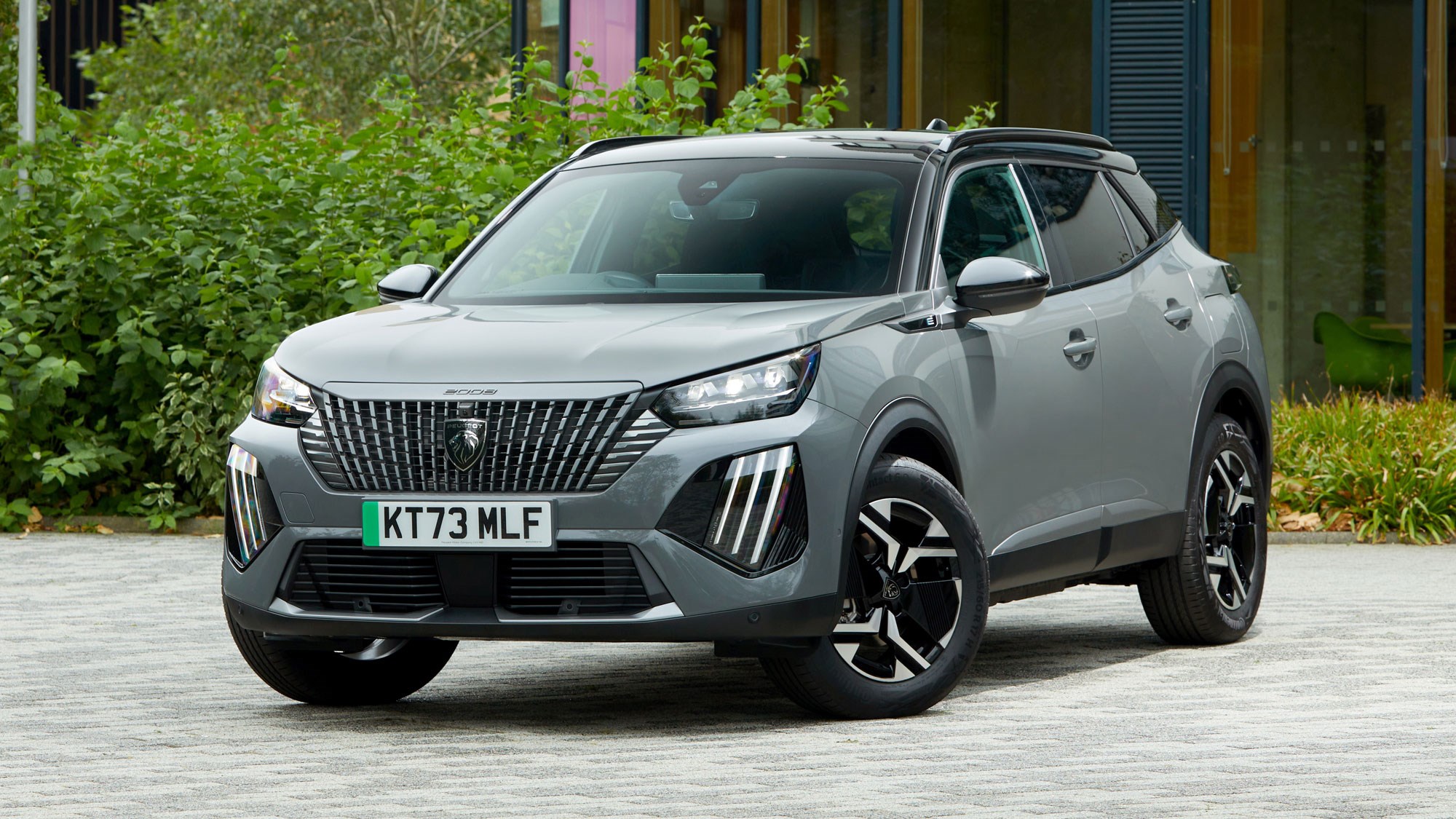
The UK premium compact SUV segment has matured into a showcase of refined engineering, advanced driver‑assistance suites, and genuine driving enjoyment. Buyers now expect a cabin that rivals executive saloons, a powertrain that balances performance with low‑emission compliance, and a footprint that still fits city streets and narrow country lanes. This guide breaks down the current market leaders, the specifications that matter most, and the practical steps to secure the right model for your lifestyle.
What Defines a Premium Compact SUV in the UK
A premium compact SUV sits between the mainstream crossover and the full‑size luxury SUV. In the UK, the definition hinges on three pillars: brand perception, interior material quality, and technology depth. Manufacturers such as Audi, BMW, Mercedes‑Benz, Lexus and Volvo equip these models with leather‑wrapped dashboards, genuine wood or metal trims, and infotainment systems that support over‑the‑air updates. You can also read our guide on luxury suv comparisons.
Regulatory pressure also shapes the segment. Since 2024, all new cars sold in the UK must meet Euro 6e emissions standards, pushing brands toward mild‑hybrid, plug‑in hybrid (PHEV) and fully electric powertrains. The result is a lineup where a 2.0‑litre turbo‑petrol can coexist with a 75 kWh battery pack, each delivering sub‑7 s 0‑62 mph times while keeping CO₂ under 130 g/km.
Understanding the baseline helps you filter marketing hype. For a quick primer on the SUV concept itself, see understanding SUV basics. For more on this, see our guide on suv wiper blades premium.
Evolution of the Segment
The compact premium class traces back to the early 2000s when the first BMW X1 and Audi Q3 arrived. Over two decades, the segment has absorbed lessons from the larger luxury SUVs — adaptive air suspension, torque‑vectoring all‑wheel drive, and semi‑autonomous driving — while shrinking the wheelbase to under 2.8 m.
A useful perspective on this trajectory is the evolution of the SUV, which charts how consumer demand for higher seating positions merged with premium branding. For more on this, see our guide on hot wheels premium mercedes amg gt3 review.
Top Contenders for 2026
| Model | Powertrain Options | Starting Price (£) | Key Strength |
|---|---|---|---|
| Audi Q3 Sportback | 35 TFSi, 40 TFSi, 45 TFSI e PHEV | 38,500 | Sharp handling, virtual cockpit |
| BMW X1 | 18i, 20i, xDrive25e PHEV, iX1 electric | 36,900 | Driver‑focused dynamics, iDrive 8 |
| Mercedes‑Benz GLA | 180, 200, 250 e PHEV, EQA electric | 37,200 | MBUX hyperscreen, ride comfort |
| Lexus UX 300e | Full electric only | 41,500 | Exceptional reliability, serene cabin |
| Volvo XC40 Recharge | Single‑motor, Twin‑motor AWD | 44,800 | Safety suite, Google‑built infotainment |
All five meet the 2026 UK company‑car tax bands for sub‑130 g/km CO₂, making them attractive for fleet buyers.
Powertrain Options and Efficiency
Mild‑hybrid (MHEV) systems add a 48 V starter‑generator that recovers energy during coasting, shaving 5‑8 % off fuel consumption without a plug. Plug‑in hybrids typically offer 40‑55 km of pure‑electric range — enough for the average UK commute — while retaining a petrol engine for longer trips. Full electric variants now deliver 350‑450 km WLTP range, supported by the expanding Ionity and Osprey rapid‑charging networks.
When comparing real‑world efficiency, consult the official Euro NCAP safety ratings for each model’s crash performance; the same portal also publishes energy‑consumption data for EVs.
Interior Quality and Technology
Premium compact SUVs differentiate through tactile surfaces: open‑pore wood, brushed aluminium, and Nappa leather. Audi’s Virtual Cockpit Plus projects navigation onto a 12.3‑inch cluster, while BMW’s curved display merges a 10.25‑inch instrument panel with a 10.7‑inch central touchscreen. Mercedes’ MBUX hyperscreen spans the entire dashboard, offering voice‑controlled climate and ambient lighting.
Connectivity is now standard: wireless Apple CarPlay/Android Auto, 5G‑ready telematics, and over‑the‑air map updates. Lexus retains a more traditional rotary controller, which many drivers find less distracting.
Ownership Costs and Residual Values
Depreciation remains the largest cost. Historical data shows the BMW X1 and Audi Q3 retain roughly 55 % of list price after three years, while the Volvo XC40 Recharge holds near 58 % thanks to strong EV demand. Insurance groups range from 28 (entry‑level petrol) to 38 (high‑output PHEV), so obtain quotes early.
Maintenance packages from manufacturers can fix service costs for up to five years; however, EV‑specific items (battery coolant, brake‑by‑wire calibration) may fall outside standard plans.
How to Test Drive and Decide
- Book a combined route — include motorway, urban stop‑start, and a few twisty B‑roads.
- Evaluate NVH — listen for wind roar at 70 mph and suspension thump over potholes.
- Check infotainment ergonomics — perform a destination entry, adjust climate, and trigger voice commands.
- Assess rear‑seat space — measure knee room with the front seats set for a 1.85 m driver.
- Request a cost‑of‑ownership sheet — dealers should provide projected fuel/electricity spend, service intervals, and residual value.
Take notes on each model; a simple spreadsheet prevents feature fatigue.
Frequently Asked Questions
Which premium compact SUV offers the best electric range?
The Volvo XC40 Recharge Twin‑Motor delivers up to 418 km WLTP, leading the class for pure‑electric distance.
Are plug‑in hybrids still worth it in 2026?
Yes, if you regularly drive ≤50 km daily and can charge at home; they combine low‑tax benefits with long‑range flexibility.
How does company‑car tax differ between PHEV and EV?
EVs sit in the 2 % Benefit‑in‑Kind band, while PHEVs with ≤50 g/km CO₂ fall in 8‑12 % bands, making EVs cheaper for fleet users.
What safety tech is standard across the segment?
Autonomous emergency braking, lane‑keep assist, adaptive cruise, and blind‑spot monitoring are now baseline on all listed models.
Can I tow with a premium compact SUV?
Most allow 1,500‑1,800 kg braked towing; check the specific model’s V5C for the exact limit.
Conclusion
The premium compact SUV class now delivers genuine luxury, strong performance, and a powertrain for every duty cycle — all within a footprint that suits UK roads. Prioritise the powertrain that matches your daily mileage, verify real‑world refinement on a mixed test route, and lock in a maintenance plan that covers EV‑specific items. Next step: arrange back‑to‑back test drives of your top two candidates this month and compare the ownership‑cost sheets side by side.