
Choosing a small premium SUV in the UK means balancing city‑friendly dimensions with the refinement and technology normally reserved for larger models. In 2026 the segment has matured: every major German brand, plus Volvo and a growing number of electrified options, now offers a compact crossover that delivers genuine luxury, advanced driver‑assistance systems and respectable efficiency. This guide walks through the current market leaders, the criteria that matter most, and the practical steps to turn a shortlist into a purchase decision.
Why Compact Premium SUVs Matter in 2026
Urban congestion, stricter emissions zones and rising fuel prices have pushed buyers toward vehicles that are easy to park yet feel upscale inside. Manufacturers have responded by fitting high‑resolution digital cockpits, premium‑grade materials and sophisticated mild‑hybrid or plug‑in hybrid powertrains into footprints under 4.5 metres. The result is a class that satisfies both daily commuting and weekend getaways without the running‑cost penalty of a full‑size SUV. You can also read our guide on what is an suv.
How We Test and Rank
Our evaluation combines objective data — Euro NCAP safety scores, WLTP efficiency figures, official warranty terms — with hands‑on driving impressions on UK motorways, B‑roads and city centres. We also factor in real‑world ownership feedback from dealer networks and independent reliability surveys. The ranking below reflects a weighted blend of comfort, technology, practicality, total cost of ownership and brand reputation.
Top Contenders (2026 UK Market)
| Model | Starting Price (£) | Powertrain Options | Euro NCAP Rating |
|---|---|---|---|
| BMW X1 | 36,500 | 1.5 L mild‑hybrid, 2.0 L plug‑in hybrid | 5 ★ |
| Audi Q3 | 35,800 | 1.5 L TFSI mild‑hybrid, 2.0 L plug‑in hybrid | 5 ★ |
| Mercedes‑Benz GLA | 37,200 | 1.3 L mild‑hybrid, 2.0 L plug‑in hybrid | 5 ★ |
| Volvo XC40 | 34,900 | 1.5 L mild‑hybrid, 1.5 L plug‑in hybrid, fully electric Recharge | 5 ★ |
 A selection of the segment’s best‑selling models photographed in typical British urban conditions.
Detailed Model Overviews
BMW X1
The latest X1 adopts the brand’s newest iDrive 9 interface with a curved display that stretches across the dashboard. The 1.5 L three‑cylinder mild‑hybrid delivers 150 PS and returns a claimed 44 mpg WLTP, while the xDrive25e plug‑in hybrid adds 30 km of electric‑only range. Ride quality is firm yet controlled, making it a strong choice for drivers who value dynamics. You can also read our guide on luxury suv comparisons.
Audi Q3
Audi’s Q3 retains the virtual cockpit plus a 10.1‑inch MMI touchscreen. The 35 TFSI mild‑hybrid produces 150 PS and achieves 45 mpg WLTP. The 45 TFSI e plug‑in hybrid offers 50 km electric range, ideal for low‑emission zones. Interior materials feel a step above the class average, especially in S line trim.
Mercedes‑Benz GLA
The GLA uses the MBUX system with natural‑language voice control and augmented‑reality navigation. Its 1.3 L mild‑hybrid (GLA 200) produces 163 PS and returns 43 mpg WLTP. The 250 e plug‑in hybrid adds 60 km electric range. Ride comfort is the most compliant of the four, suiting longer motorway trips. You can also read our guide on toyota highlander hybrid suv.
Volvo XC40
Volvo’s XC40 stands out with a Google‑based infotainment platform that supports over‑the‑air updates. The B3 mild‑hybrid (163 PS) achieves 42 mpg WLTP, while the Recharge T5 plug‑in hybrid offers 45 km electric range. The fully electric Recharge Pure Electric variant delivers 260 mi WLTP range, making it a genuine zero‑emission alternative.
Design and Interior Quality
All four models feature signature grilles, slim LED headlamps and sculpted flanks that convey a premium stance. Inside, soft‑touch plastics, open‑pore wood or aluminium inserts, and perforated leather upholstery are standard on mid‑spec trims. Ambient lighting with configurable colour palettes adds a night‑time ambience that rivals larger saloons. The X1 and Q3 lean toward a driver‑focused cockpit, whereas the GLA and XC40 prioritize a lounge‑like atmosphere with generous rear‑seat legroom for a segment this size. You can also read our guide on top luxury suvs of.
Performance, Powertrains and Efficiency
Mild‑hybrid systems recover energy during deceleration and assist the engine under load, delivering smooth start‑stop operation and modest fuel‑economy gains. Plug‑in hybrids add a larger battery (≈13–15 kWh usable) that can be charged at home or public points, enabling zero‑emission urban driving. The fully electric XC40 Recharge uses a 78 kWh battery and a single‑motor front‑drive layout, achieving 3.7 mi/kWh in mixed conditions.
| Engine Type | Typical Power | WLTP Combined MPG / mi/kWh |
|---|---|---|
| 1.5 L mild‑hybrid (petrol) | 150–163 PS | 42–45 mpg |
| 2.0 L plug‑in hybrid | 250–300 PS (combined) | 150–200 mpg (equiv.) |
| 78 kWh electric (XC40 Recharge) | 231 PS | 3.7 mi/kWh |
Technology, Connectivity and Safety
Every contender ships with a 10‑inch‑plus central touchscreen, wireless Apple CarPlay and Android Auto, and a suite of advanced driver‑assistance systems (adaptive cruise, lane‑keep assist, blind‑spot monitoring, automatic emergency braking). The X1 and Q3 add head‑up displays as optional extras. Euro NCAP testing awards all four models a five‑star rating with adult‑occupant protection scores above 90 %. For the latest safety protocols, refer to the official Euro NCAP database. You can also read our guide on ford hybrid suv.
Practicality, Space and Versatility
Boot capacities range from 450 L (GLA) to 520 L (XC40) with rear seats upright, expanding to over 1,300 L when folded. All offer 40/20/40 split‑folding rear benches, under‑floor storage bins and optional powered tailgates. The XC40’s flat load floor in the electric version simplifies loading bulky items. Ground clearance sits around 180 mm, sufficient for light gravel tracks but not serious off‑road work.
Ownership Costs: Purchase, Finance, Running Costs
List prices start in the mid‑£30k range, but typical PCP deals with a 30 % deposit and 36‑month term land monthly payments between £350 and £420. Fuel costs for mild‑hybrids average £1,200 per year at 12,000 mi; plug‑in hybrids can cut that by 30–40 % if charged regularly. Electric XC40 running costs drop to roughly £500 annually for electricity at current home‑tariff rates. Insurance groups cluster between 28 and 33, reflecting the premium badge and repair complexity. You can also read our guide on evaluation of suv.
Reliability, Warranty and Resale Value
Manufacturers provide three‑year/unlimited‑mileage warranties, with BMW and Mercedes offering optional extensions to five years. Volvo’s warranty includes eight‑year/100,000 mi battery coverage on plug‑in and electric models. Independent reliability surveys (e.g., What Car? Reliability Index) consistently rank the XC40 and Q3 above the segment average. Residual values after three years typically sit at 55–60 % of list price, outperforming many mainstream crossovers.
Charging Infrastructure for Plug‑in Hybrids and EVs
The UK’s public charging network now exceeds 55,000 connectors, with rapid (>50 kW) units at most motorway services. Home wallboxes (7 kW) fully recharge a 13 kWh plug‑in hybrid battery in under two hours. For the XC40 Recharge, a 11 kW onboard charger enables a 0‑100 % top‑up in roughly seven hours. Government grants for home charger installation remain available through the Office for Zero Emission Vehicles.
Buying Checklist
- Define primary use: city commute, family duties, long‑distance touring.
- Choose powertrain: mild‑hybrid for simplicity, plug‑in hybrid for electric‑only trips, full EV for zero emissions.
- Test‑drive at least two rivals on familiar roads; evaluate ride, noise, visibility and infotainment ergonomics.
- Compare total cost of ownership over 36 months (depreciation, fuel/electricity, tax, insurance, servicing).
- Verify warranty terms, especially battery coverage for electrified models.
- Confirm dealer service network proximity and available courtesy‑car policies.
Frequently Asked Questions
What Are The Top Small Premium SUVs In The UK?
The leading models in 2026 are the BMW X1, Audi Q3, Mercedes‑Benz GLA and Volvo XC40, each offering a distinct blend of dynamics, technology and electrified powertrains.
How Do Small Premium SUVs Compare In Fuel Efficiency?
Mild‑hybrid variants deliver low‑40s mpg WLTP; plug‑in hybrids can achieve three‑figure equivalent MPG when charged daily; the electric XC40 Recharge averages 3.7 mi/kWh.
Are Small Premium SUVs Good For Families?
Yes. All four provide ISOFIX points, generous rear headroom and boot space sufficient for a folded pushchair plus luggage. Advanced safety suites add peace of mind.
What Features Should I Look For In A Premium SUV?
Prioritise a high‑resolution digital cockpit, wireless smartphone integration, adaptive cruise with stop‑and‑go, a five‑star Euro NCAP rating and a warranty that covers the battery on electrified models.
Conclusion
The compact premium SUV class now delivers a genuine luxury experience without the bulk of traditional off‑roaders. Whether you favour the driver‑centric dynamics of the BMW X1, the tech‑rich cabin of the Audi Q3, the comfort‑biased ride of the Mercedes‑Benz GLA or the versatile electrified lineup of the Volvo XC40, each model meets the core demands of UK buyers in 2026. Use the checklist above, arrange back‑to‑back test drives, and calculate the three‑year total cost of ownership to make a confident, informed choice.
 The BMW X1 demonstrates its agile handling on a typical British B‑road.
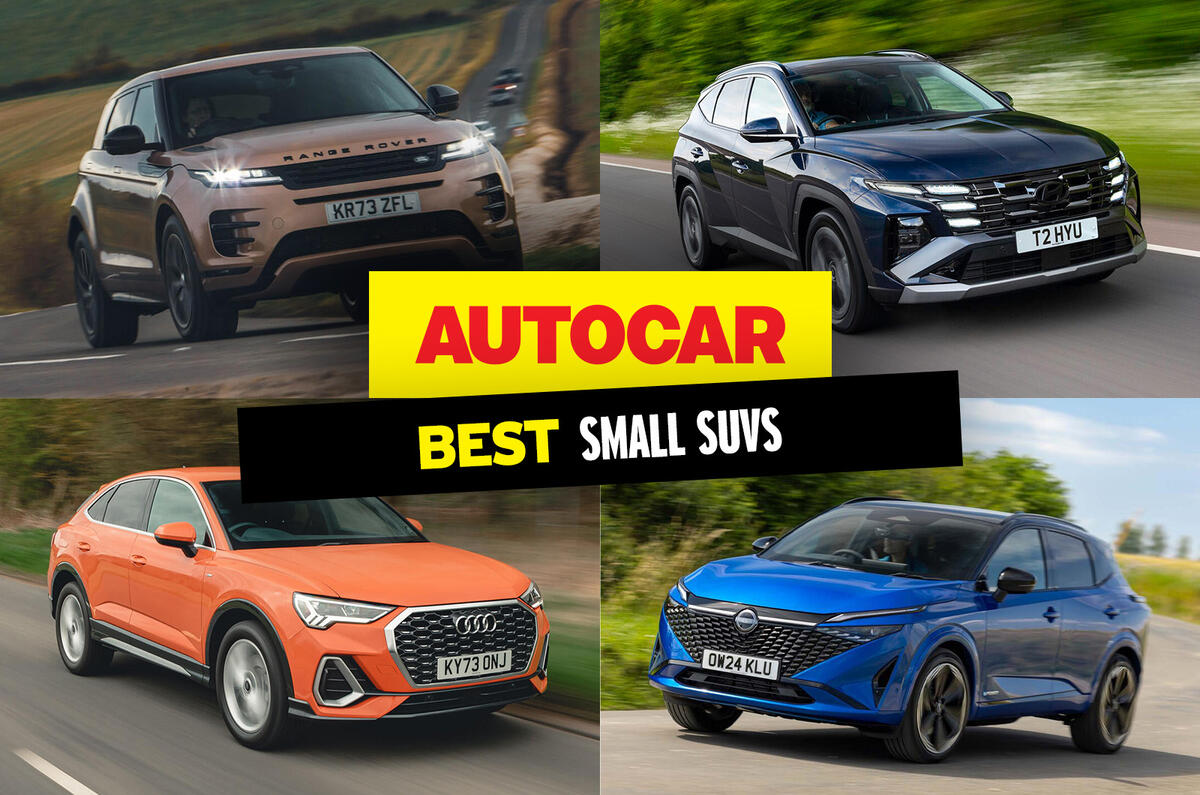 Audi’s virtual cockpit and MMI touchscreen illustrate the segment’s technology benchmark.
Ready to experience the shortlist? Book a test drive at your nearest franchised dealer this week.