
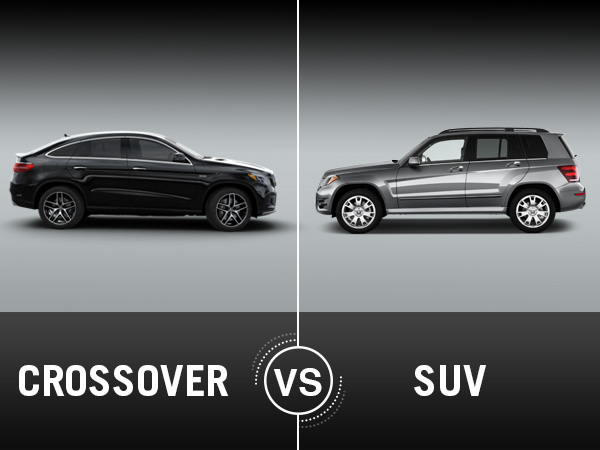
Choosing between a premium crossover and a full-size SUV means deciding which type of luxury fits your daily reality. Both segments deliver upscale materials, advanced technology, and commanding road presence, but they achieve those results through fundamentally different engineering philosophies. A premium crossover uses car-based unibody architecture to prioritize ride comfort, fuel efficiency, and maneuverable dimensions. A full-size SUV relies on body-on-frame construction to maximize towing capacity, passenger volume, and off-road durability. Understanding those structural differences—and how they cascade into ownership costs, driving dynamics, and long-term value—lets you match the vehicle to your lifestyle instead of the badge on the grille.
 Visual scale comparison highlighting the footprint gap between segments
Platform Architecture: Why It Defines Everything
The single biggest differentiator lives underneath the sheet metal. Premium crossovers—think Lexus RX, BMW X5, Genesis GV80—share their basic structure with sedans. The body, floorpan, and crumple zones form a single unitized shell. This unibody approach yields a lower center of gravity, tighter panel gaps, and a chassis that can be tuned for on-road compliance without the flex inherent in a separate frame. You can also read our guide on luxury suv comparisons.
Full-size SUVs such as the Chevrolet Tahoe, Ford Expedition, and the Toyota Sequoia still use a ladder frame. The body bolts to a rigid steel skeleton that carries the drivetrain and suspension loads. That frame adds mass but provides a stable platform for heavy trailers and the articulation needed when a wheel lifts off the ground off-road. In practice, the frame also transmits more road vibration into the cabin unless manufacturers invest heavily in subframe isolation and active noise cancellation.
Both architectures have evolved. Modern unibodies use high-strength steel and aluminum castings to approach frame-like rigidity, while the latest body-on-frame SUVs adopt fully independent rear suspensions and magnetic ride control to narrow the comfort gap. Still, the physics remain: if you tow 8,000 lbs weekly or tackle the Rubicon Trail, a ladder frame is purpose-built. If your toughest terrain is a potholed freeway on-ramp, the unibody’s lower mass and sharper steering pay dividends every commute.
Quick takeaway: Unibody = on-road refinement and efficiency. Body-on-frame = maximum tow rating and off-road durability.
Dimensions, Packaging, and Real-World Usability
Exterior footprint differences are obvious, but interior packaging tells the real story. A premium crossover typically stretches 190–196 inches long with a 113–117-inch wheelbase. Third rows, when offered, are tight—best suited for children or short hops. Cargo behind that third row often measures 12–18 cubic feet, expanding to 60–75 cubes with both rear rows folded.
Full-size SUVs push 210–225 inches overall on a 120–130-inch wheelbase. That extra foot of wheelbase translates directly into a genuine adult-sized third row with 38+ inches of legroom and 15–20 cubic feet of luggage space behind it. Fold everything flat and you gain 95–120 cubic feet—enough for 4×8 sheets of plywood or a week’s gear for six.
Width matters in garages. Most premium crossovers fit comfortably in a standard 20-foot bay with room to open doors. Full-size models often demand 85+ inches of mirror-to-mirror width; folding mirrors become a daily ritual in tight urban parking structures.
 Unibody Traverse (left) vs body-on-frame Tahoe (right)—note the hood height and overhang differences
Powertrain Landscape in 2026
Premium Crossover Propulsion
The segment has largely migrated to turbocharged four-cylinders (2.0–2.5 L) paired with 8- or 9-speed automatics, producing 250–320 hp. Plug-in hybrid variants—PHEVs with 18–35 kWh batteries—now deliver 30–45 miles of EV range and combined outputs north of 350 hp. Full EVs like the Cadillac Lyriq, Mercedes EQE SUV, and BMW iX sit on dedicated skateboard platforms, offering 300–500+ hp and 300+ mile ranges. Fuel economy for gas models lands 23–28 mpg combined; PHEVs return 55–70 MPGe when charged regularly.
Full-Size SUV Propulsion
V8s persist (5.3–6.2 L, 355–420 hp) but face stiff competition from twin-turbo V6s (3.5 L, 375–440 hp) and new 3.0 L inline-six diesels (270–300 hp, 460+ lb-ft). The Ford Expedition’s 3.5 L EcoBoost and GM’s 3.0 L Duramax lead the efficiency charge at 19–22 mpg combined. Hybrid assist (Ford’s PowerBoost, Toyota’s i-FORCE MAX) adds 40–50 hp and 1–2 mpg gains while enabling Pro Power Onboard-style generator outputs. Pure EVs are arriving—Chevrolet Silverado EV SUV, Rivian R1S—but remain low-volume in 2026.
Towing reality check: A properly equipped full-size SUV with the max tow package hits 8,400–9,300 lbs. Premium crossovers top out at 5,000–6,000 lbs, and that figure often requires a factory tow package, upgraded cooling, and a weight-distributing hitch.
Ride, Handling, and NVH: What You Feel Daily
On smooth pavement, a well-damped premium crossover feels like a lowered sport sedan—flat cornering, precise turn-in, minimal body roll. Adaptive air suspensions (standard on many trims) let you drop the ride height at speed for aerodynamics or raise it for steep driveways. Noise suppression relies on acoustic glass, active noise control, and extensive butyl damping; cabin levels at 70 mph often sit below 62 dBA.
Full-size SUVs have made massive strides. Independent rear suspensions (now universal except the Nissan Armada) eliminate the live-axle jounce over expansion joints. Magnetic ride control (GM, Ford) reads the road 1,000 times per second. Still, the higher center of gravity and 1,000+ lb weight penalty mean more pitch under braking and more roll in transitions. Wind noise increases above 75 mph due to taller greenhouse and larger mirror pods. Expect 65–68 dBA at highway cruise—noticeable but not fatiguing.
Off-pavement, the tables turn. A crossover’s limited approach angles (17–20°), lack of low-range gearing, and vulnerability of low-hanging plastic air dams restrict you to graded dirt roads. Full-size SUVs with two-speed transfer cases, 30°+ approach angles, locking rear diffs, and available 33-inch all-terrains tackle genuine technical trails. The 2024+ Toyota 4Runner TRD Pro and Ford Expedition Timberline demonstrate this capability gap vividly.
Interior Execution: Materials, Tech, and Ergonomics
Both segments now offer genuine leather, open-pore wood, and metal speaker grilles. Where they diverge is packaging priority. Premium crossovers skew driver-centric: wraparound dashboards, floating center stacks, and gesture-controlled infotainment on 14–17-inch curved OLED arrays. Rear-seat amenities (heated/ventilated captain’s chairs, 12.6-inch entertainment screens) are optional and often restricted to two-passenger second rows.
Full-size SUVs lean family-hauler practical. Second-row bench seats (60/40 or 40/20/40 split) accommodate three adults; power-fold/slide functions ease third-row access. Third-row HVAC with dedicated vents and USB-C ports is standard on upper trims. Infotainment screens have grown—15–18 inches—but interfaces prioritize large targets for gloved fingers and voice-first control. GM’s Google Built-In and Ford’s Sync 4A now support wireless Apple CarPlay/Android Auto across the board.
Cargo flexibility: Crossovers typically offer a two-position load floor and a hidden underfloor bin. Full-sizes add a power-folding third row, a flat-load floor at bumper height, and available roof-mounted rail systems rated for 200+ lbs dynamic load.
Safety Systems and Crashworthiness
Structural safety philosophy differs. Unibody crossovers engineer progressive crumple zones into the single shell, directing forces around the passenger cell. They consistently earn IIHS Top Safety Pick+ awards with Good ratings in the updated moderate-overlap and side tests. Standard suites include automatic emergency braking with pedestrian/cyclist detection, lane-centering assist, blind-spot monitoring with rear cross-traffic alert, and driver-attention monitoring.
Body-on-frame SUVs historically lagged in small-overlap protection due to frame rail stiffness. The 2021+ Expedition and 2022+ Tahoe/Suburban redesigned front subframes to manage energy differently; both now achieve Good ratings across the board. Their greater mass provides an inherent advantage in multi-vehicle collisions—physics favors the heavier vehicle—but longer braking distances on wet pavement partially offset that edge. NHTSA’s 5-star overall ratings are common for both segments when equipped with the full advanced driver-assistance package.
Pro tip: If you frequently carry seven occupants, verify that the third row gets side-curtain airbag coverage and adjustable head restraints—some lower trims still omit them.
Ownership Economics: Purchase, Fuel, Maintenance, Depreciation
| Cost Factor | Premium Crossover (Typical) | Full-Size SUV (Typical) |
|---|---|---|
| Base MSRP (2026) | $52,000 – $68,000 | $58,000 – $82,000 |
| Fully Loaded | $75,000 – $95,000 | $85,000 – $110,000 |
| Combined MPG (Gas) | 23 – 28 | 17 – 22 |
| Annual Fuel @ 15k mi / $3.85 gal | $2,060 – $2,510 | $2,620 – $3,400 |
| 5-Yr Maintenance/Repair (est.) | $4,800 – $6,500 | $6,200 – $8,500 |
| 5-Yr Depreciation (est.) | 45 – 52% | 48 – 55% |
| Insurance (Annual, 40-yr driver) | $1,800 – $2,400 | $2,100 – $2,800 |
Figures are blended averages across mainstream luxury brands; individual models vary ±15%.
Plug-in hybrid crossovers can slash fuel costs by 40–60% if you charge daily, but their higher upfront cost ($8–12k premium) extends payback to 5–7 years at current electricity rates. Full-size hybrid systems (Ford PowerBoost, Toyota i-FORCE MAX) add $3–5k and return 2–3 mpg gains—payback roughly 4–5 years for high-mileage towers.
Resale nuance: Limited-production trims (Lexus F Sport, BMW M Sport, Denali Ultimate) hold value better than volume leaders. Certified pre-owned programs from Lexus, Genesis, and Lincoln add 12–24 months of warranty coverage, effectively reducing depreciation hit for second owners.
Brand Positioning and Dealer Experience
Premium crossover buyers shop Lexus, BMW, Mercedes, Audi, Genesis, Cadillac, Acura, Infiniti. These brands invest heavily in concierge service—loaner fleets, complimentary maintenance (2–4 years), and dedicated service advisors. The transaction increasingly occurs online with fixed pricing; haggling is rare.
Full-size SUV buyers navigate Chevrolet, GMC, Ford, Toyota, Nissan, Jeep. Dealer experience varies wildly. High-volume metro stores often run market adjustments on hot trims (Timberline, ZR2, Platinum Reserve), while rural dealers may discount aggressively. Ford’s Model e and GM’s EV-first dealer requirements are reshaping the network—some smaller franchises have exited, reducing rural service access.
Toyota occupies a unique middle ground: the Sequoia and 4Runner share showrooms with the Highlander and Grand Highlander, letting buyers cross-shop architectures in one visit. Their “no-haggle” pilot programs in select regions mirror the luxury model.
Real-world insight: If you value a predictable, low-friction service experience, premium crossover brands currently deliver more consistently. For full-size SUVs, vet the specific dealer’s loaner policy and parts availability before signing.
Electrification Roadmap: What Changes by 2028
Dedicated EV platforms (E-GMP, Ultium, EVA2) will birth a new crossover tier: three-row electrics with flat floors, frunks, and 350-mile ranges. Hyundai Ioniq 9, Kia EV9, and Volvo EX90 already preview this. They blend crossover handling with SUV space—potentially obsoleting the gas crossover/SUV distinction for buyers with home charging.
Full-size EV SUVs face tougher packaging math. The Hummer EV SUV and Rivian R1S prove body-on-frame EVs work, but 9,000+ lb curb weights strain tires, brakes, and infrastructure. GM’s next-gen Ultium trucks (2026+) target 20% mass reduction via structural batteries. Ford’s “Project T3” platform aims for profitable $50k electric Expedition successors. Until charging networks densify along tow corridors, gas and hybrid full-sizers remain the only practical choice for heavy recreational towing.
Decision Matrix: Match Vehicle to Lifestyle
| Priority | Best Fit | Why |
|---|---|---|
| Daily commute < 30 mi, garage parking | Premium Crossover (PHEV ideal) | Easy parking, low operating cost, quiet cabin |
| Family of 5+ with teen passengers | Full-Size SUV | True third-row room, tri-zone HVAC, easy access |
| Towing 6,000–9,000 lbs regularly | Full-Size SUV (V6 turbo or diesel) | Frame strength, cooling, integrated brake controller |
| Weekend overlanding / technical trails | Full-Size SUV (4Runner, Expedition Timberline, Tahoe Z71) | Low range, lockers, approach angle, skid plates |
| Urban luxury image, occasional road trips | Premium Crossover (Genesis GV80, BMW X5, Lexus RX) | Prestige badge, cutting-edge tech, valet-friendly size |
| Maximum cargo volume per dollar | Full-Size SUV (Chevy Tahoe LS, Ford Expedition XLT) | 120+ cu ft folded, $60k starting price |
| Lowest 5-year total cost of ownership | Premium Crossover Hybrid (Lexus RX 500h, Toyota Grand Highlander Hybrid) | 35+ mpg combined, strong resale, included maintenance |
Frequently Asked Questions
What is the structural difference between a crossover and an SUV?
A crossover uses unibody construction where the body and frame are one piece, derived from car platforms. A traditional SUV uses body-on-frame construction where the body bolts to a separate ladder frame, derived from truck platforms. This fundamental difference drives most capability and comfort trade-offs.
Which is safer in a crash?
Modern examples of both earn top IIHS and NHTSA ratings. In multi-vehicle collisions, the greater mass of a full-size SUV provides a physics advantage. In single-vehicle crashes, crossover unibodies often manage energy more predictably due to integrated crumple zones. Both are dramatically safer than models from a decade ago.
Do premium crossovers require premium fuel?
Many turbocharged engines recommend 91+ octane for peak output but run safely on 87 with reduced power. Naturally aspirated V6s (Lexus RX 350, Acura MDX) accept regular. Always check the owner’s manual—using regular in a high-compression turbo may void warranty if detonation damage occurs. For Mercedes-specific guidance, see our fuel requirements breakdown.
Can a crossover tow a travel trailer?
Yes, up to 5,000–6,000 lbs with the factory tow package. That covers most lightweight travel trailers (20–25 ft). You’ll need a weight-distributing hitch, trailer brake controller, and vigilant payload management—crossover payloads (1,000–1,400 lbs) evaporate quickly with passengers and gear.
How much more does a full-size SUV cost to insure?
Expect $300–$600 higher annual premiums versus a comparable premium crossover. Higher replacement cost, larger repair bills (frame straightening), and increased liability exposure from passenger capacity drive the delta. Multi-vehicle and safe-driver discounts narrow the gap.
Are there hybrid full-size SUVs worth considering?
Ford Expedition PowerBoost (2025+) and Toyota Sequoia i-FORCE MAX (2023+) deliver 400+ hp, 1–2 mpg gains, and onboard generator capability. They cost $3–5k more than gas counterparts. Payback depends on mileage; high-mileage towers see ROI in 4–5 years.
Final Recommendation
Start with your non-negotiables. If you tow a 7,000-lb boat, haul six adults, or explore Forest Service roads, a full-size SUV isn’t a preference—it’s a requirement. The frame, cooling, and low-range gearing exist for those exact loads.
If your hardest days involve school drop-off, Costco runs, and the occasional ski trip, a premium crossover delivers 90% of the utility with better efficiency, easier parking, and a more engaging drive. The PHEV variants add silent suburban cruising and HOV-lane access in many states.
Test drive both back-to-back on your actual routes: the freeway merge, the tight garage, the gravel road to the cabin. No spec sheet captures how the driver’s seat fits your frame or whether the third-row climate controls are reachable from the second row. That tactile confirmation—combined with the total-cost math above—will steer you to the right luxury showdown winner.
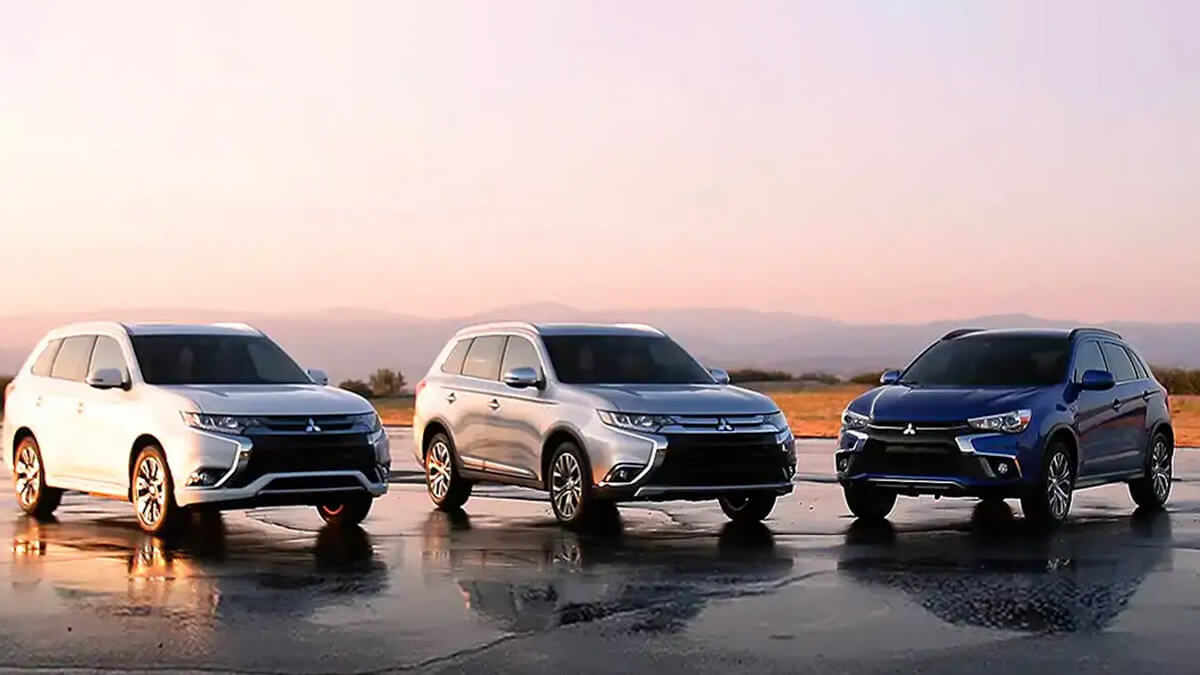 Lifestyle contexts where each architecture shines—city streets vs open trails
Ready to compare specific models? Explore our detailed reviews of the latest premium crossover benchmarks and full-size SUV capability tests to narrow your shortlist.