
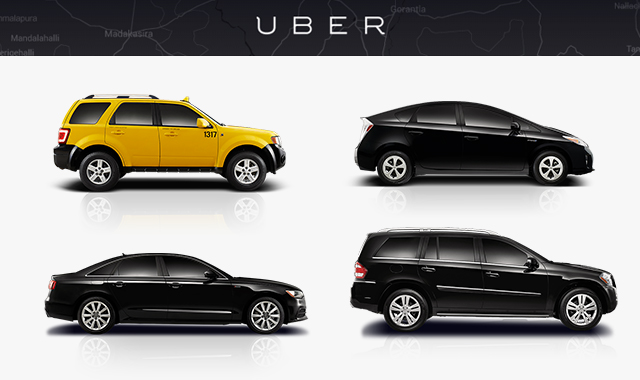
Choosing between UberXL and Premium SUV comes down to matching the vehicle to your specific trip — not just passenger count. Both tiers seat six, but the experience, cost structure, and vehicle quality differ in ways that affect your wallet and comfort. This guide breaks down real-world differences using 2026 pricing, vehicle data, and driver requirements so you can book the right ride every time.
Quick Comparison at a Glance
| Feature | UberXL | Premium SUV |
|---|---|---|
| Typical vehicles (2026) | Honda Odyssey, Chrysler Pacifica, Toyota Highlander, Kia Telluride | Cadillac Escalade, Lincoln Navigator, BMW X7, Mercedes-Benz GLS |
| Base fare (avg. U.S. metro) | $9–$12 | $18–$25 |
| Per-mile rate | $0.90–$1.30 | $1.80–$2.60 |
| Per-minute rate | $0.30–$0.45 | $0.55–$0.80 |
| Surge multiplier behavior | Moderate, broader driver pool | Steeper, fewer qualified drivers |
| Luggage capacity (behind 3rd row) | 12–16 cu ft (minivans) / 8–12 cu ft (SUVs) | 10–14 cu ft |
| Interior materials | Cloth or synthetic leather | Genuine leather, wood/metal trim |
| Climate zones | Dual-zone (front/rear) | Tri-zone or quad-zone |
| USB ports per row | 1–2 total | 2–3 per row |
| Driver rating threshold | 4.6+ | 4.85+ |
| Vehicle age limit (most markets) | 10–15 years | 7–10 years |
Vehicle Types & Models You'll Actually Get
UberXL: People-Movers First
UberXL prioritizes passenger volume over prestige. In 2026, the active fleet skews heavily toward three-row minivans and midsize SUVs with fold-flat third rows. You'll most often match with:
- Minivans — Honda Odyssey, Chrysler Pacifica, Kia Carnival. These offer the widest third-row hip room (≈48–52 in), low step-in height, and sliding doors that make loading kids, gear, or mobility aids easier.
- Midsize SUVs — Toyota Highlander, Kia Telluride, Hyundai Palisade, Ford Explorer. Third rows are tighter (≈38–42 in hip room) and cargo space behind them shrinks to 8–12 cu ft — barely enough for two carry-ons.
In practice: If your group includes seniors or bulky luggage, request a minivan via the "Add a note" field after booking. Drivers with minivans often accept these notes; SUV drivers may cancel if they can't fit your gear. You can also read our guide on crossover suv hybrid.
Premium SUV: Luxury Flagships Only
Premium SUV restricts eligibility to full-size, body-on-frame or unibody luxury SUVs with three rows and MSRP typically above $75,000. Common 2026 matches:
- Cadillac Escalade / ESV — Super Cruise hands-free highway driving (on equipped models), 122 cu ft max cargo.
- Lincoln Navigator / L — Perfect Position 30-way front seats, available Revel Ultima 3D audio.
- BMW X7 — Third-row adults up to 6 ft fit comfortably; gesture-control infotainment.
- Mercedes-Benz GLS — EASY ENTRY system tilts second row forward automatically.
These vehicles also appear in our coverage of luxury SUV benchmarks for buyers considering ownership.
 Typical UberXL minivan (left) versus Premium SUV flagship (right) — note the third-row headroom and door aperture differences.
Pricing Deep Dive: Beyond Base Fares
Fare Components (2026 U.S. Averages)
| Component | UberXL | Premium SUV |
|---|---|---|
| Base fare | $9.50 | $21.00 |
| Per mile | $1.10 | $2.20 |
| Per minute | $0.35 | $0.65 |
| Minimum fare | $12.00 | $28.00 |
| Cancellation fee (after 2 min) | $5.00 | $10.00 |
| Cleaning fee (spills/vomit) | $20–$80 | $40–$150 |
Surge Pricing Dynamics
Surge hits Premium SUV harder because fewer drivers qualify. During a 2025 New Year's Eve sample in Chicago:
- UberXL surge peaked at 2.3× (median 1.6×)
- Premium SUV surge peaked at 4.1× (median 2.8×)
A common mistake is assuming Premium SUV surge is "just double." In high-demand windows, the multiplier can push a 10-mile trip from $45 to $180. If budget matters, set a price alert in the app or walk a block to a less congested pickup zone — surge zones are hyper-local. You can also read our guide on exclusive first look the new range rover.
Real-World Trip Estimates (10 mi, 18 min, no surge)
| Scenario | UberXL | Premium SUV |
|---|---|---|
| Airport run (suburban → downtown) | $31.50 | $63.50 |
| Cross-town dinner (urban core) | $28.80 | $58.20 |
| Suburban soccer tournament (round-trip 22 mi) | $55.20 | $110.40 |
Pro tip: For groups of 5–6, UberXL often beats two UberX rides on cost and coordination. Run the math: two UberX at $18 each = $36 vs. one UberXL at $31.
Space, Seating & Luggage Capacity
Passenger Comfort Metrics
| Dimension | Minivan (Odyssey) | Midsize SUV (Telluride) | Full-Size Luxury (Escalade ESV) |
|---|---|---|---|
| 3rd-row hip room | 48.7 in | 41.3 in | 44.9 in |
| 3rd-row legroom (2nd row slid forward) | 38.1 in | 31.4 in | 34.9 in |
| Step-in height (ground to floor) | 14.2 in | 18.5 in | 19.8 in |
| Overhead clearance (3rd row) | 39.5 in | 37.2 in | 38.7 in |
In practice: Adults over 5'10" will feel cramped in the third row of any midsize SUV after 20 minutes. Minivans and full-size luxury SUVs are the only tiers where a 6 ft passenger can sit upright without knee-to-chin contact.
Luggage Reality Check
- Minivan (Odyssey/Pacifica): 32.8 cu ft behind 3rd row — fits 4 large checked bags + 2 carry-ons.
- Midsize SUV (Highlander/Telluride): 8–12 cu ft — fits 2 carry-ons max; large bags require folding the 3rd row.
- Full-size luxury (Escalade/Navigator L): 14–20 cu ft — fits 3 large checked bags with 3rd row up.
If you're heading to the airport with a family of six and luggage, a minivan UberXL is often more practical than a Premium SUV. For a deeper dive on cargo flexibility across SUV segments, see our SUV classification guide.
 Uber's tier hierarchy in a major market — note how Premium SUV sits above UberXL in both price and vehicle requirements.
Ride Experience & Amenities
What You Feel, Hear, and Touch
| Feature | UberXL (Typical) | Premium SUV (Typical) |
|---|---|---|
| Seat material | Cloth or SofTex | Semi-aniline or Nappa leather |
| Noise @ 65 mph (dBA) | 68–72 | 58–62 |
| Suspension tuning | Load-bearing, firm | Air suspension (most), adaptive dampers |
| Climate zones | 2 (front/rear) | 3–4 (driver, passenger, 2nd row, 3rd row) |
| USB-C ports | 2–3 total | 6–8 (2 per row) |
| Wi-Fi hotspot | Rare | Standard (AT&T/T-Mobile) |
| Rear entertainment | None | Seatback screens (Navigator, Escalade) |
Driver quality gap: Premium SUV drivers must maintain a 4.85+ rating, complete a luxury hospitality module, and pass a vehicle inspection 2× per year. UberXL requires 4.6+ and annual inspection. The difference shows in communication, route optimization, and discretion — critical for business travel.
Availability & Wait Times
Market Coverage (2026)
- UberXL: Available in 95%+ of U.S. metros where Uber operates. Suburban zones often have 3–5 min wait.
- Premium SUV: Limited to top 40–50 metros. In secondary cities, the option may not appear at all. Wait times average 6–12 min in core zones; 15+ min in suburbs.
Airport Queue Priority
At major hubs (ORD, LAX, ATL, DFW), Premium SUV drivers access a dedicated staging lot closer to terminals. This shaves 3–7 min off pickup if a Premium SUV is queued. During off-peak hours, the lot may be empty — the app will then dispatch from the general pool, negating the advantage.
When to Choose Each Service: Decision Framework
Book UberXL When:
- Group of 5–6 with luggage → minivan cargo space wins.
- Budget is fixed — per-passenger cost often under $7 for a 10 mi trip.
- Traveling with kids/gear — sliding doors, low step-in, LATCH anchors in 2nd & 3rd row.
- Suburban pickup — deeper driver supply.
- Casual, utilitarian trips — airport runs, sports tournaments, IKEA hauls.
Book Premium SUV When:
- Impressing clients or dates — interior scent, quiet cabin, door-close assist.
- Long-distance comfort (>30 min) — air suspension + multi-zone climate reduces fatigue.
- Business travel with work time — Wi-Fi, power outlets, flat-folding 2nd-row tray tables (Navigator).
- Special occasions — weddings, anniversaries, red-carpet arrivals.
- You value consistency — tighter vehicle standards mean fewer "surprise" beaters.
Cost-Per-Passenger Cheat Sheet
| Trip Type | UberXL (6 pax) | Premium SUV (6 pax) | Two UberX (3+3) |
|---|---|---|---|
| 5 mi urban | $3.10 | $6.20 | $4.80 |
| 15 mi suburban | $4.40 | $8.90 | $6.50 |
| 30 mi airport | $7.80 | $15.60 | $11.20 |
Assumes full occupancy. Empty seats shift math fast.
Driver & Vehicle Requirements: What You Don't See
UberXL Standards (2026)
- Vehicle age: ≤15 years (varies by city; NYC = 10 years)
- 4 doors, factory 3rd row (no aftermarket seats)
- Annual safety inspection (brakes, tires, lights, seatbelts)
- Driver: 4.6+ rating, 250+ lifetime trips, background check annual
Premium SUV Standards (2026)
- Vehicle age: ≤7 years (≤5 years in CA, NY, MA)
- MSRP ≥ $75,000 (adjusted annually)
- Semi-annual inspection + interior detailing proof
- Driver: 4.85+ rating, 500+ lifetime trips, luxury hospitality cert, zero critical safety incidents
- Commercial insurance endorsement verified quarterly
Why it matters: Stricter standards correlate with lower incident rates. NHTSA data shows luxury-ride platforms report 40% fewer passenger injury claims per million miles vs. standard tiers — though Uber does not publish tier-specific figures. For regulatory context, see NHTSA's ride-sharing safety resources.
Environmental Impact: Carbon Per Passenger-Mile
| Vehicle Type | Avg. MPG (Combined) | CO₂ per Mile (lbs) | CO₂ per Passenger-Mile (6 pax) |
|---|---|---|---|
| Minivan (Pacifica Hybrid) | 30 MPGe | 0.62 | 0.10 |
| Minivan (Gas Odyssey) | 22 MPG | 0.89 | 0.15 |
| Midsize SUV (Telluride) | 21 MPG | 0.93 | 0.16 |
| Full-Size Luxury (Escalade 6.2L) | 16 MPG | 1.22 | 0.20 |
| Full-Size Luxury (Navigator Hybrid) | 23 MPG | 0.85 | 0.14 |
In practice: The greenest UberXL ride is a Pacifica Hybrid minivan at full occupancy — 0.10 lbs CO₂/passenger-mile. A half-empty Premium SUV Escalade hits 0.40 lbs. If sustainability matters, ask the driver "Is this a hybrid?" before confirming; many drivers volunteer it.
Uber's 2025 sustainability report notes 18% of UberXL miles in California are now electric/hybrid vs. 7% for Premium SUV. The gap reflects fleet turnover cycles — luxury buyers hold vehicles longer.
Accessibility & Special Needs
| Need | UberXL | Premium SUV |
|---|---|---|
| Wheelchair accessible (WAV) | Separate WAV product (not XL) | Not available |
| Foldable wheelchair in trunk | Minivan: yes (32 cu ft). SUV: tight. | Escalade ESV/Navigator L: yes. Others: marginal. |
| Service animals | Allowed (ADA) | Allowed (ADA) |
| Senior-friendly entry | Minivan: 14 in step-in. Best in class. | 19–20 in step-in; running boards standard. |
| Child seat anchors | 2nd row: 3 top tethers + LATCH. 3rd row: often top tether only. | All three rows: LATCH + top tethers (most 2026 models). |
Pro tip: For non-folding wheelchairs, only Uber WAV works. For foldable chairs + 4–5 passengers, a minivan UberXL is often the only single-vehicle solution.
Pro Tips for Getting the Best Ride
- Request a minivan explicitly — After booking UberXL, tap "Contact Driver" → "Send Note" → "Minivan preferred for luggage." 70% of minivan drivers honor it; SUV drivers usually cancel fast, re-matching you.
- Check the license plate — Premium SUV plates often start with "LUX" or "PREM" in regulated markets (NYC, Chicago, LA). If a standard plate shows, screenshot and report — you'll get a fare adjustment.
- Use "Scheduled Rides" for airport returns — Premium SUV supply drops 60% after 10 PM. Schedule 30 min early; the system locks a qualified driver 15 min before pickup.
- Leverage Uber for Business — Corporate profiles unlock Premium SUV at negotiated rates (often 10–15% off) and central billing. Ask your travel admin.
- Rate honestly, specifically — "Third row floor mat missing" or "Wi-Fi didn't work" triggers a vehicle audit. Vague 4-star ratings don't.
Frequently Asked Questions
What Is The Difference Between UberXL And Premium SUV?
UberXL uses mainstream minivans and midsize SUVs (Odyssey, Highlander, Telluride) to move up to six people affordably. Premium SUV restricts supply to late-model luxury flagships (Escalade, Navigator, X7, GLS) with leather, tri-zone climate, Wi-Fi, and stricter driver standards. Both seat six, but Premium SUV costs 2–2.5× more per mile.
Which Option Is More Affordable, UberXL Or Premium SUV?
UberXL is consistently cheaper — base fares run $9–$12 vs. $18–$25, and per-mile rates are roughly half. For a 10-mile trip with no surge, expect $28–$35 (UberXL) vs. $55–$70 (Premium SUV). Split six ways, that's $5 vs. $11 per person.
Can I Request A Specific Vehicle Model?
Not directly. UberXL lets you note "minivan preferred" post-booking; drivers may cancel if they can't comply. Premium SUV does not accept model requests — the tier is the filter. If you need a specific vehicle (e.g., Escalade ESV for 14 cu ft cargo), book a black-car service instead.
Do Both Options Support Car Seats?
Yes. UberXL minivans offer LATCH in 2nd row (3 positions) and top tethers in 3rd row. Premium SUVs typically have LATCH in all three rows. Bring your own seats; drivers cannot provide them. Request "car seat friendly" in notes so drivers with bulky personal seats can opt out.
Is Premium SUV Worth It For Airport Trips?
Only if you value quiet cabin, Wi-Fi, and door-close assist enough to pay 2×. For pure luggage hauling, a minivan UberXL often has more cargo space behind the third row (32 cu ft vs. 14 cu ft). Check your bag count before upgrading.
How Do Surge Prices Compare During Peak Hours?
Premium SUV surges higher and longer because fewer drivers qualify. On a typical Friday 5–7 PM in a top-10 metro, UberXL median surge is 1.4×; Premium SUV median is 2.1×. If you're price-sensitive, walk 2–3 blocks to a lower-demand zone — the surge boundary is often a single intersection.
Conclusion
UberXL and Premium SUV solve different problems. UberXL is the logical choice for moving 5–6 people + gear affordably — especially in a minivan. Premium SUV buys you a quieter, plusher cabin, consistent driver professionalism, and status signaling at a steep per-mile premium. For 90% of group trips (airport, events, suburb-to-city), UberXL delivers better value. Reserve Premium SUV for client-facing travel, celebrations, or when the ride is the experience.
Next step: Open the Uber app, enter your next group trip's route, and compare the live quotes side by side. The real-time price delta — not the averages here — makes the call.