

Luxury SUVs continue to set the benchmark for comfort, technology, and performance. As of 2026 the 2024‑2025 model year lineup remains the most current reference point for buyers who want a premium experience without waiting for the next generation. Below you’ll find a concise comparison, deep‑dive profiles for each contender, a practical buying guide, and answers to the questions shoppers ask most.
| Model | Starting MSRP* | Seating | Primary Powertrain(s) | EPA Combined MPG† | Cargo (cu ft) behind 2nd row |
|---|---|---|---|---|---|
| Genesis GV80 | $58,000 | 5 / 7 (opt.) | 2.5 L turbo‑4 / 3.5 L twin‑turbo V6 | 21‑23 | 34 |
| Porsche Cayenne | $78,000 | 5 | 3.0 L turbo‑V6 / 4.0 L twin‑turbo V8 / PHEV | 19‑22 (gas) / 45 MPGe (PHEV) | 27 |
| Volvo XC90 | $56,000 | 7 | 2.0 L turbo‑4 / PHEV (T8) | 22‑24 (gas) / 55 MPGe (PHEV) | 15 (3rd row up) |
| Mercedes‑Benz GLC | $48,000 | 5 / 7 (opt.) | 2.0 L turbo‑4 / AMG‑tuned 2.0 L / PHEV | 23‑25 (gas) / 56 MPGe (PHEV) | 22 |
| Lexus RX | $50,000 | 5 | 2.4 L turbo‑4 / 2.5 L hybrid (RX 450h+) | 24‑26 (gas) / 36 MPGe (hybrid) | 29 |
* Manufacturer’s suggested retail price for the base trim; destination and options extra.
† EPA‑estimated combined fuel economy; actual figures vary with driving style and equipment.
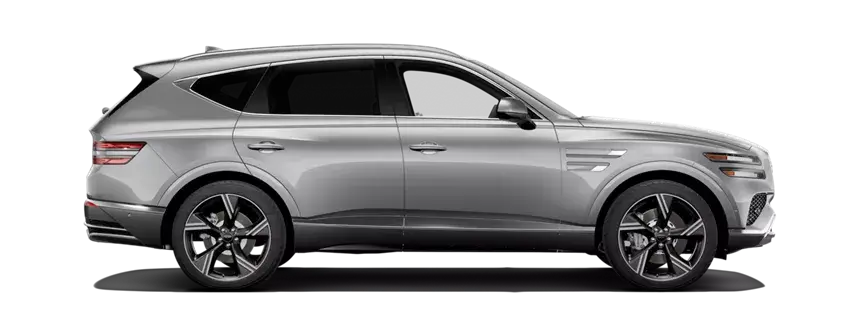
Genesis GV80 showcases its signature crest grille and sleek profile.
1. Genesis GV80 – Opulent Interior Meets Strong Value
Powertrain & Performance
The GV80 offers a 2.5‑liter turbo‑four (300 hp) and a 3.5‑liter twin‑turbo V6 (375 hp), both paired with an eight‑speed automatic and optional all‑wheel drive. In practice the V6 delivers effortless highway passing, while the four‑cylinder returns respectable fuel economy for a vehicle of this size. You can also read our guide on what is an suv.
Interior & Comfort
A panoramic sunroof, quilted Nappa leather, and genuine open‑pore wood create a cabin that feels a class above its price point. Heated/ventilated front seats with 16‑way adjustment and an available third‑row (tight for adults) make it versatile for growing families.
Technology & Safety
Standard 14.5‑inch touchscreen, wireless Apple CarPlay/Android Auto, and a 21‑speaker Lexicon audio system. The Highway Driving Assist II suite adds adaptive cruise, lane‑centering, and automated lane changes—features that rival systems costing twice as much. For a deeper look at how these aids compare across brands, see our side‑by‑side model showdowns. You can also read our guide on history of suv.
Value Proposition
Starting near $58 k, the GV80 undercuts German rivals by $15‑20 k while matching or exceeding their feature counts. That pricing advantage remains a decisive factor for buyers who prioritize luxury per dollar.
Ready to experience the GV80? Schedule a test drive at a Genesis retailer this week.
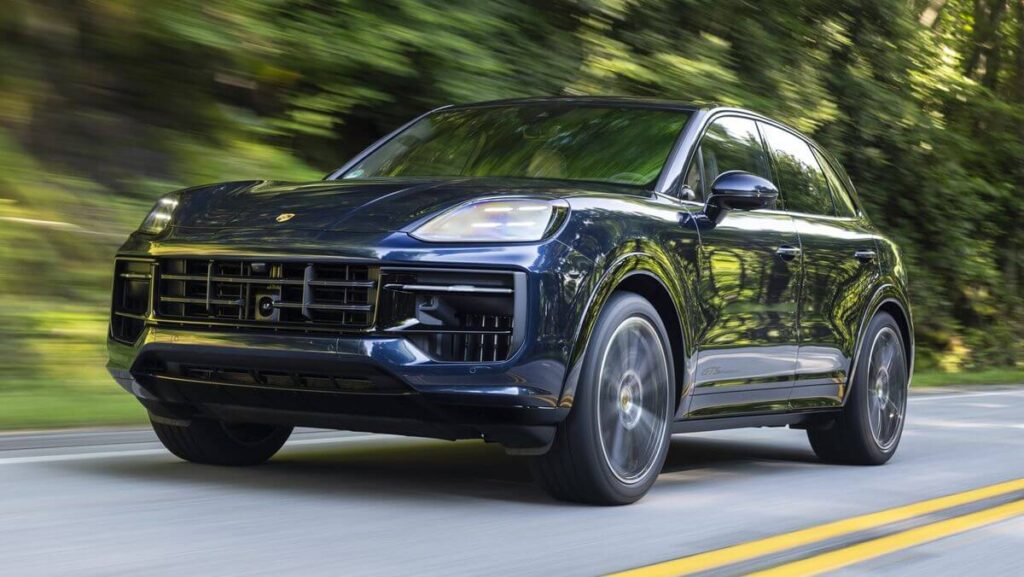
Porsche Cayenne demonstrates its athletic stance and signature LED light blade.
2. Porsche Cayenne – Sports‑Car Dynamics in an SUV Package
Powertrain & Performance
Three distinct powerplants: a 3.0‑liter turbo V6 (348 hp), a 4.0‑liter twin‑turbo V8 (541 hp in Cayenne Turbo GT), and a plug‑in hybrid combining a V6 with an electric motor for 455 hp total. The eight‑speed Tiptronic S and Porsche Traction Management all‑wheel drive deliver 0‑60 mph times as low as 3.6 seconds (Turbo GT). You can also read our guide on bmw x5 vs audi q7.
Interior & Comfort
While the cabin leans driver‑focused, materials are top‑tier—leather, aluminum, and optional Race‑Tex suede. Rear passengers enjoy generous legroom, but the sloping roofline limits third‑row viability; the Cayenne remains a strict five‑seater.
Technology & Safety
Porsche Communication Management (PCM) with a 12.3‑inch curved display, head‑up display, and a 14‑speaker Bose system. Adaptive cruise, lane‑keep, and night‑vision assist are optional. The Cayenne earns top marks in NHTSA’s frontal‑crash tests; see the agency’s 5‑star rating program for methodology. You can also read our guide on mercedes suv.
Ownership Considerations
Maintenance and tire costs run higher than average for the segment. Buyers should budget for premium‑fuel requirements—most trims demand 91 octane or higher. Our guide on premium‑fuel requirements for Mercedes explains why many German brands share this trait.
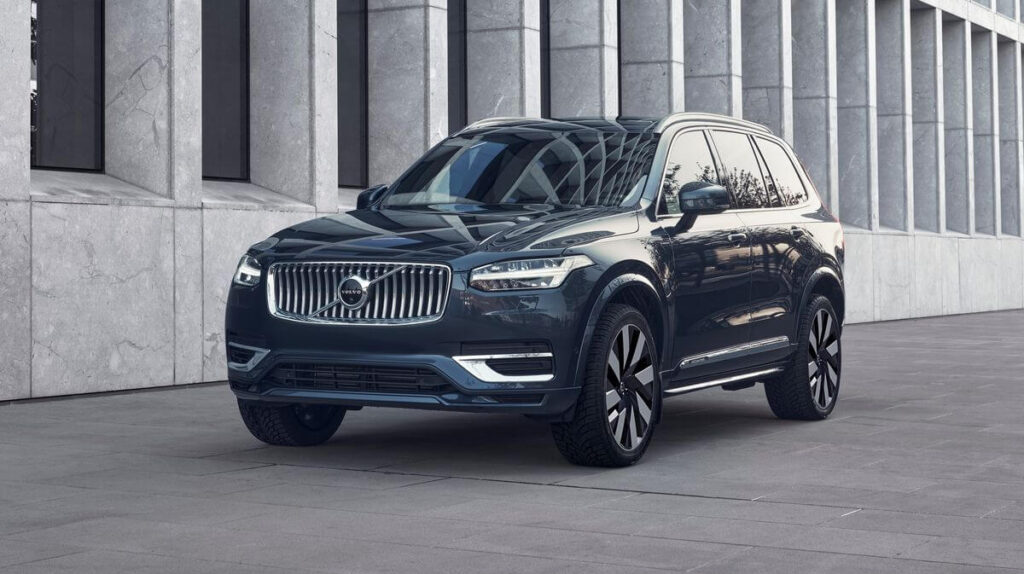
Volvo XC90 highlights its upright silhouette and Thor’s Hammer LED headlights.
3. Volvo XC90 – Scandinavian Safety Meets Family Practicality
Powertrain & Performance
The base B5 mild‑hybrid 2.0‑liter turbo‑four produces 247 hp; the T8 Recharge PHEV pairs the same engine with a rear‑axle motor for 455 hp combined and up to 32 miles of EV‑only range. All‑wheel drive is standard across the range. You can also read our guide on bmw suv vs mercedes suv.
Interior & Comfort
Clean lines, sustainable wool blends, and optional massaging front seats create a serene environment. The third row accommodates children comfortably; cargo space behind it is modest (15 cu ft) but expands to 85 cu ft with both rear rows folded.
Technology & Safety
Volvo’s Pilot Assist provides Level 2 semi‑autonomous highway driving. The City Safety suite—automatic emergency braking with pedestrian, cyclist, and large‑animal detection—has earned the XC90 consistent IIHS Top Safety Pick+ awards. Review the institute’s Top Safety Pick criteria for details.
Family‑Focused Value
Starting near $56 k, the XC90 delivers seven seats, class‑leading safety, and a plug‑in hybrid option that can slash daily fuel costs. For shoppers comparing three‑row luxury haulers, our roundup of three‑row family haulers places the XC90 at the top.
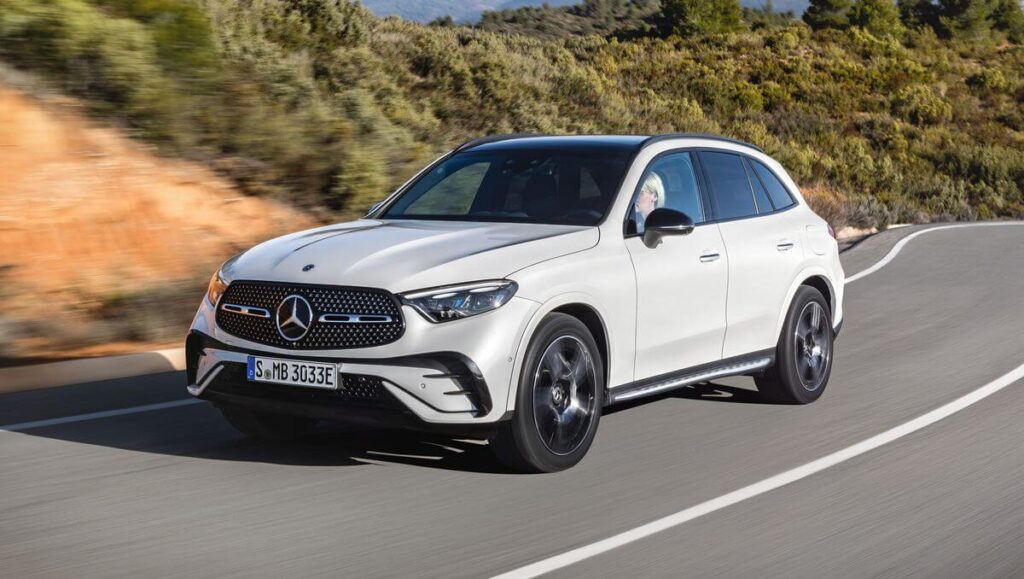
Mercedes‑Benz GLC‑Class displays its diamond‑block grille and aerodynamic silhouette.
4. Mercedes‑Benz GLC‑Class – Tech‑Rich Compact Luxury
Powertrain & Performance
A 2.0‑liter turbo‑four with 48‑volt mild‑hybrid assist (255 hp) powers the GLC 300; the AMG GLC 43 bumps output to 416 hp. A plug‑in hybrid (GLC 300e) adds an electric motor for 313 hp combined and an estimated 20 miles of electric range.
Interior & Comfort
MBUX hyperscreen (optional) spans the dashboard, offering AI‑driven voice control. Materials include open‑pore wood, ambient lighting with 64 colors, and available ENERGIZING comfort programs that adjust climate, seat massage, and fragrance.
Technology & Safety
Standard Active Brake Assist, Blind Spot Assist, and Traffic Sign Assist. The optional Driver Assistance Package adds active steering assist and evasive maneuvering. Fuel‑economy data for all trims is published on the EPA’s fuel economy site.
Market Position
Priced from about $48 k, the GLC undercuts the larger GLE while delivering near‑flagship tech. It’s a sweet spot for buyers who want Mercedes prestige without the full‑size footprint.
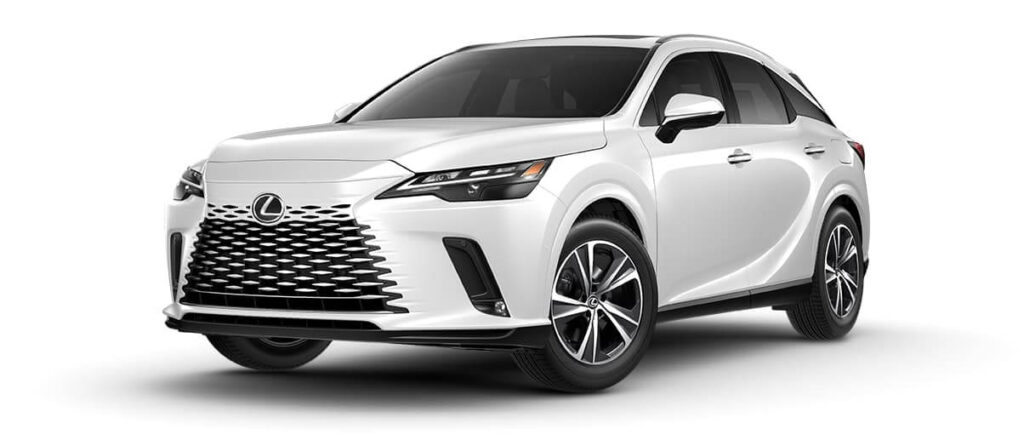
Lexus RX reveals its spindle grille evolution and sleek fastback roofline.
5. Lexus RX – Refined Reliability with Hybrid Efficiency
Powertrain & Performance
The RX 350 uses a 2.4‑liter turbo‑four (275 hp) while the RX 450h+ plug‑in hybrid pairs a 2.5‑liter four with front and rear motors for 304 hp combined and up to 37 miles EV range. Both employ an electronically controlled CVT that feels seamless in daily driving.
Interior & Comfort
Lexus’ “Tazuna” cockpit places controls within easy reach. Standard semi‑aniline leather, available heated/ventilated rear seats, and a 12.3‑inch touchscreen with cloud‑based navigation create a calm, driver‑centric space.
Technology & Safety
Lexus Safety System+ 3.0 includes pre‑collision with intersection support, lane‑trace assist, and dynamic radar cruise. The RX consistently earns top reliability scores in industry surveys, reinforcing its low‑cost‑of‑ownership reputation.
Hybrid Advantage
The RX 450h+ delivers EPA‑estimated 36 MPGe combined—among the best in class for a non‑diesel luxury SUV. Buyers focused on total cost of ownership should also review current market pricing trends to gauge incentive availability.
Buying Guide: Choosing Your Ideal Luxury SUV
Performance vs. Comfort
If you relish canyon carving, the Cayenne’s chassis tuning and optional rear‑axle steering are unmatched. For a cloud‑like ride, the Lexus RX and Genesis GV80 prioritize isolation over agility. Test‑drive each on both highway and broken pavement to feel the difference.
Technology Priorities
- Infotainment: MBUX (Mercedes) and PCM (Porsche) lead in responsiveness; Lexus’ system is improving but still lags in voice recognition.
- Driver‑Assist: Volvo’s Pilot Assist and Mercedes’ Driver Assistance Package offer the most polished Level 2 experiences.
- Connectivity: All five support wireless Apple CarPlay/Android Auto; only the GV80 and GLC include a built‑in 5G hotspot as standard.
Brand Cachet & Resale
German brands (Porsche, Mercedes) traditionally hold higher residual values, but Lexus and Genesis have narrowed the gap thanks to strong reliability records. Check historical depreciation curves before committing.
Seating & Cargo Needs
- Three‑row: Only the XC90 and GV80 (optional) accommodate seven adults regularly.
- Two‑row with max cargo: Cayenne, GLC, and RX provide 27‑34 cu ft behind the second row—enough for golf bags or a week’s groceries.
Ownership Costs
Factor in fuel (premium vs. regular), insurance tier, and scheduled maintenance. Hybrid/PHEV trims can reduce fuel spend but may carry higher upfront costs. Our comprehensive buying checklist walks through a line‑item budget template.
Frequently Asked Questions
What is the most luxurious SUV of 2024?
Luxury is subjective: the Genesis GV80 leads on interior materials per dollar, the Porsche Cayenne excels in driver‑focused craftsmanship, and the Volvo XC90 sets the safety benchmark. Test‑driving each reveals which definition matches your taste.
Which luxury SUV has the best fuel economy?
The Lexus RX 450h+ plug‑in hybrid (36 MPGe) and Volvo XC90 Recharge (55 MPGe) top the EPA combined ratings. Real‑world figures depend on charging habits and climate.
Are luxury SUVs reliable long‑term?
Lexus and Genesis consistently rank highest in reliability surveys; German models tend to require more frequent servicing. Extended warranties can mitigate unexpected costs for any brand.
Can I tow with a luxury SUV?
Yes. Properly equipped, the Cayenne (7,700 lb), GV80 (6,000 lb), and XC90 (5,000 lb) handle midsize trailers. Always verify the specific tow package and hitch rating.
What’s the difference between a PHEV and a regular hybrid?
A plug‑in hybrid (PHEV) has a larger battery you can charge externally, delivering 20‑40 miles of electric‑only range. A conventional hybrid self‑charges via regenerative braking and cannot be plugged in.
How do I negotiate the best price on a luxury SUV?
Research invoice pricing, current incentives, and dealer holdback. Arrive with pre‑approved financing, be willing to walk away, and consider ordering a factory‑built unit to avoid dealer‑added markup.
Conclusion
The 2024‑2025 luxury SUV landscape offers a compelling blend of performance, technology, and refinement across five distinct personalities. Whether you prioritize track‑ready dynamics (Porsche Cayenne), family‑first safety (Volvo XC90), cutting‑edge infotainment (Mercedes‑Benz GLC), hybrid efficiency (Lexus RX), or value‑packed opulence (Genesis GV80), there is a model that aligns with your lifestyle and budget.
Next step: Narrow your list to two or three candidates, schedule back‑to‑back test drives, and compare real‑world impressions against the data above. The right luxury SUV isn’t just a purchase—it’s the start of a more enjoyable daily journey.