
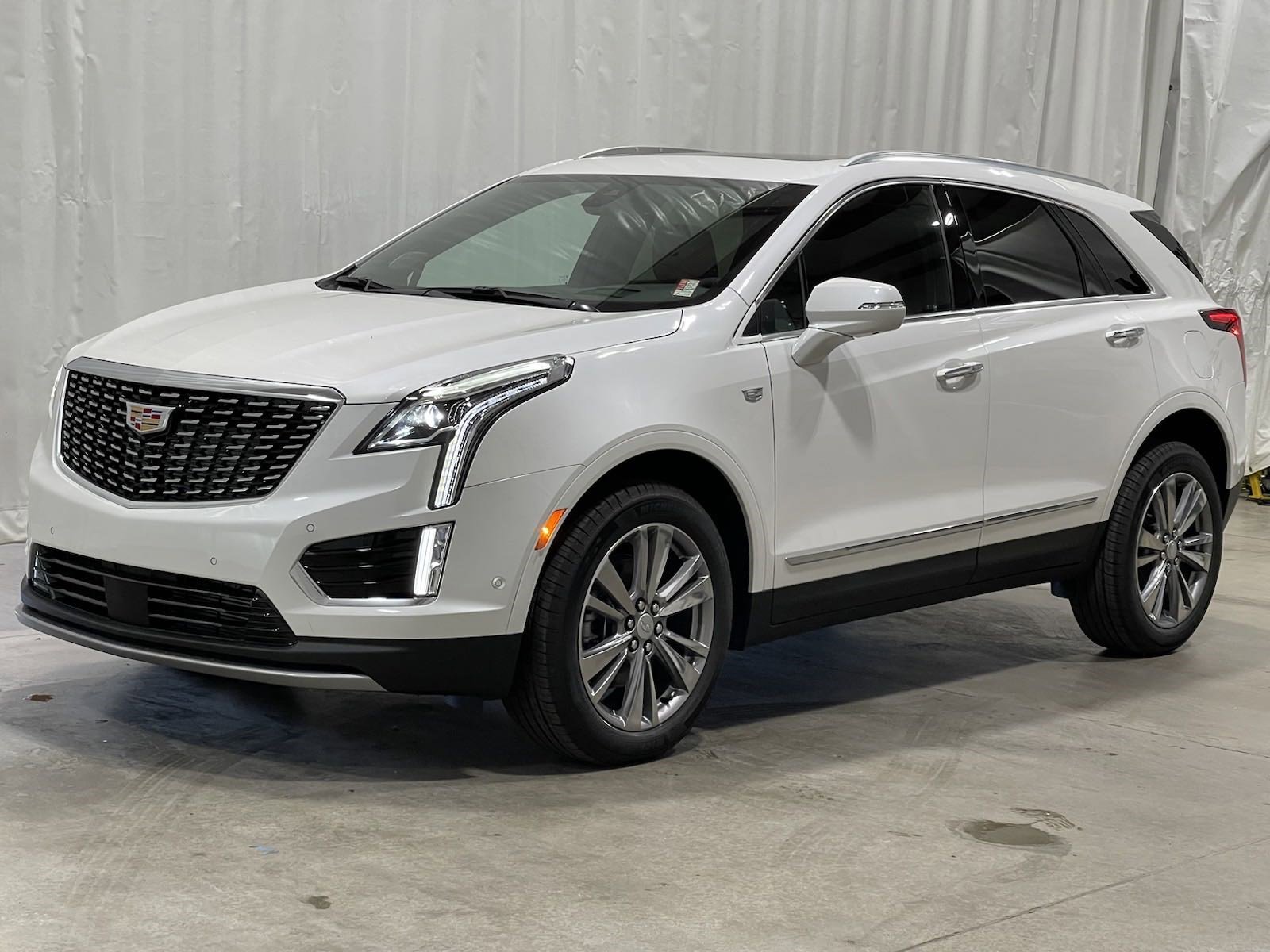
Luxury SUVs have long been associated with high‑octane fuel, but a growing lineup of 2026 models delivers upscale comfort, advanced tech, and strong performance on regular unleaded. Choosing one of these vehicles can cut annual fuel costs by hundreds of dollars while still giving you the quiet cabin, premium materials, and driver‑assist features you expect. Below is a practical guide to finding the right regular‑fuel luxury SUV for your needs.
Why Regular‑Fuel Luxury SUVs Make Sense
- Lower operating cost – Regular gasoline typically costs $0.40‑$0.60 less per gallon than premium. Over 12,000 miles a year, that adds up to $300‑$500 in savings.
- Wider availability – Almost every station stocks regular unleaded, so you never hunt for a specific pump.
- No performance penalty – Modern engines are calibrated for 87 octane; using premium in these models yields no measurable power gain.
- Simpler budgeting – Fuel‑price volatility affects regular and premium similarly, but the lower base price keeps monthly expenses more predictable.
How to Confirm a Model Runs on Regular Gas
- Check the owner’s manual – The “Fuel Requirements” section lists the minimum octane rating.
- Look at the fuel‑door label – A sticker reading “87 Octane Minimum” or “Regular Unleaded Only” confirms compatibility.
- Consult the EPA fuel‑economy site – The official fueleconomy.gov database lists recommended fuel for every trim.
- Ask the dealer for a written specification – Get it in the purchase paperwork to avoid surprises later.
Pro tip: In practice, a common mistake is assuming that a turbocharged engine must have premium. Many manufacturers now tune turbos for 87 octane, so always verify rather than guess.
Top 2026 Luxury SUVs That Accept Regular Unleaded
| Model | Manufacturer | Powertrain Highlights | Notable Standard Features |
|---|---|---|---|
| Acura MDX | Acura | 3.5 L V6, 10‑speed automatic | SH‑AWD, 12.3″ digital cluster, AcuraWatch safety suite |
| Buick Enclave | Buick | 2.0 L turbo‑4, 9‑speed automatic | QuietTuning cabin, 8″ infotainment, hands‑free liftgate |
| Lincoln Aviator | Lincoln | 3.0 L twin‑turbo V6, 10‑speed automatic | Revel audio, 30‑way Perfect Position seats, Co‑Pilot360 |
| Infiniti QX60 | Infiniti | 3.5 L V6, 9‑speed automatic | ProPILOT Assist, tri‑zone climate, 12.3″ dual‑screen |
| Volvo XC90 | Volvo | 2.0 L turbo‑4 mild‑hybrid, 8‑speed auto | Pilot Assist, Bowers & Wilkins audio, Google‑built infotainment |
| Genesis GV80 | Genesis | 2.5 L turbo‑4, 8‑speed automatic | Highway Driving Assist II, 14.5″ touchscreen, 5‑year/60k‑mi warranty |
| Cadillac XT6 | Cadillac | 3.6 L V6, 9‑speed automatic | Super Cruise (optional), AKG audio, 8″ diagonal driver display |
| Lexus RX 350 | Lexus | 2.4 L turbo‑4, 8‑speed automatic | Lexus Safety System+ 3.0, 14″ touchscreen, Mark Levinson audio (opt.) |
All entries above are confirmed by the manufacturer’s 2026 spec sheets to run on 87 octane.
Lincoln Corsair shown as a representative of the brand’s regular‑fuel lineup.
Key Features to Compare
| Category | What to Look For | Why It Matters |
|---|---|---|
| Fuel efficiency | EPA combined rating (check fueleconomy.gov) | Directly impacts yearly fuel spend. |
| Interior quality | Leather grade, real wood/metal trim, seat adjustability | Determines long‑term comfort and perceived value. |
| Technology | Screen size, wireless Apple CarPlay/Android Auto, OTA updates | Keeps the cabin modern without aftermarket add‑ons. |
| Safety suite | Adaptive cruise, lane‑keep, automatic emergency braking, blind‑spot monitor | Reduces accident risk and can lower insurance premiums. |
| Warranty & maintenance | Bumper‑to‑bumper length, complimentary scheduled service | Affects total cost of ownership over 5‑7 years. |
Real‑World Ownership Costs
| Cost Element | Typical Range (5 yr/75k mi) | How to Reduce It |
|---|---|---|
| Fuel (regular) | $7,500‑$9,500 | Combine trips, maintain tire pressure, use cruise control. |
| Scheduled maintenance | $1,200‑$2,000 | Follow the manufacturer’s interval; many brands include first 2‑3 services free. |
| Insurance | $1,800‑$2,800/yr | Bundle with home policy, ask for safe‑driver discounts. |
| Depreciation | 45‑55 % of MSRP | Choose models with strong resale history (e.g., Lexus RX, Genesis GV80). |
Quick calculation: If you drive 12,000 mi/yr at 24 mpg combined, regular gas at $3.30/gal costs ≈ $1,650/yr versus $2,100/yr for premium at $3.80/gal — a $450 annual difference.
Hybrid & Plug‑In Options That Also Use Regular Gas
Several luxury hybrids accept 87 octane because the gasoline engine only runs as a generator or for high‑load moments.
- Lexus RX 450h+ – Plug‑in hybrid, 18 mi EV range, regular‑fuel engine.
- Volvo XC90 Recharge – PHEV, 32 mi EV range, regular‑fuel engine.
- Lincoln Aviator Grand Touring – PHEV, 21 mi EV range, regular‑fuel engine.
These models let you cover daily commutes on electricity while retaining the flexibility of a conventional fuel stop.
Lincoln Nautilus engine bay – note the “Regular Unleaded” label.
Environmental Impact & Emissions
Regular‑fuel luxury SUVs still emit CO₂, but newer power‑trains are cleaner than ever. According to the EPA, the 2026 fleet average for midsize luxury SUVs is roughly 350 g CO₂/mi, a 12 % improvement over 2020. Hybrid and PHEV variants cut tailpipe emissions further — often below 250 g CO₂/mi in combined driving. For the most current emissions data, visit the EPA Green Vehicle Guide. You can also read our guide on what is an suv.
Maintenance & Longevity with Regular Fuel
- Oil changes – Most 2026 models specify 0W‑20 synthetic every 7,500‑10,000 mi.
- Fuel system – No special additives required; the ECU manages knock detection automatically.
- Turbo durability – Modern ball‑bearing turbos are rated for 150k mi+ on regular fuel when oil intervals are kept.
- Transmission – 8‑10‑speed automatics benefit from a fluid swap at 60k mi for optimal shift quality.
Sticking to the factory schedule preserves engine health and keeps the warranty intact. Many owners report 200k mi+ without major repairs when regular fuel is used as specified.
Buying Checklist
- Verify 87 octane requirement in the manual and on the fuel‑door label.
- Compare EPA combined MPG on fueleconomy.gov.
- Test‑drive at least two models back‑to‑back for ride quality and noise.
- Request a total‑cost‑of‑ownership worksheet from the dealer (fuel, maintenance, insurance, depreciation).
- Confirm warranty coverage for powertrain and corrosion.
- Check for any regional incentives on hybrid/PHEV trims.

Typical dealer lineup — use the checklist above to narrow the field.
Frequently Asked Questions
Do any luxury SUVs require premium gas in 2026?
Yes — high‑performance trims like the BMW X5 M, Mercedes‑AMG GLE 63, and Porsche Cayenne Turbo still mandate 91 octane or higher. Always verify the specific trim. You can also read our guide on history of suv.
Will using regular gas void the warranty?
No. If the manufacturer lists 87 octane as the minimum, running regular fuel is fully warranty‑compliant.
Are regular‑fuel luxury SUVs slower?
Not perceptibly. Engine mapping delivers the same peak torque; the only difference is a slightly lower knock‑margin, which the ECU manages automatically. You can also read our guide on crossover suv hybrid.
Can I switch to premium for a road trip?
You can, but you’ll see no measurable gain in power or mileage. Save the extra cost for something else.
How do I find the exact fuel requirement for a used model?
Locate the VIN, then check the original owner’s manual (often downloadable from the maker’s site) or the fuel‑door sticker. The EPA site also archives historical fuel‑type data. You can also read our guide on toyota highlander hybrid suv.
Conclusion
A luxury SUV that runs on regular unleaded gives you the prestige, comfort, and technology you want without the recurring premium‑fuel surcharge. The 2026 market offers a broad spread — from the tech‑forward Genesis GV80 to the refined Lexus RX 350 — each confirmed for 87 octane operation. Use the checklist, compare EPA numbers, and test‑drive your top two candidates. You can also read our guide on luxury suv comparisons.
Ready to dive deeper? Explore our latest SUV insights for side‑by‑side specs and owner reviews.
Curious about brand‑specific fuel policies? See how Mercedes handles fuel requirements in our Mercedes fuel requirements guide. You can also read our guide on evaluation of suv.
Happy hunting — and enjoy the savings at the pump.