
Buying a luxury SUV shouldn’t mean resigning yourself to premium‑only fuel costs. Many upscale crossovers and SUVs are engineered to run perfectly on 87‑octane regular unleaded, delivering the same refinement, power, and warranty coverage without the per‑gallon surcharge. In this guide we break down the models that skip the premium requirement, show how the savings stack up over a typical ownership cycle, and explain what to verify before you sign.
 Side‑by‑side pump labels illustrate the octane and price difference drivers face at every fill‑up.
Why the Premium‑Gas Myth Persists
Marketing materials for performance‑oriented trims often highlight “premium recommended” to protect peak horsepower numbers. That language gets conflated with “premium required,” leading shoppers to assume every badge‑engineered luxury model demands 91‑octane. In reality, the owner’s manual is the final authority: if it says “regular unleaded acceptable,” the engine control unit (ECU) has been calibrated to adjust timing and mixture without damage. A common mistake is ignoring that manual and over‑paying at the pump for years. You can also read our guide on history of suv.
Premium vs. Regular Gas: What the Numbers Mean
| Fuel Grade | Typical Octane (AKI) | National Avg. Price (2026) | Energy Content |
|---|---|---|---|
| Regular | 87 | $3.45/gal | ~111,000 BTU/gal |
| Mid‑grade | 89‑90 | $3.85/gal | ~111,500 BTU/gal |
| Premium | 91‑93 | $4.20/gal | ~112,000 BTU/gal |
The octane rating measures knock resistance, not energy density. Modern turbocharged and high‑compression engines use knock sensors to retard timing when lower‑octane fuel is detected, preserving durability at a modest power loss (often 3‑5 %). For daily driving that trade‑off is barely perceptible.
How Modern Engines Handle Regular Fuel
Direct‑injection, variable valve timing, and sophisticated ECU maps allow manufacturers to certify the same engine for both fuel grades. When regular is detected, the ECU slightly retards ignition advance and may enrich the mixture under high load. The result: identical reliability, unchanged warranty, and a barely measurable 0‑60 mph difference. In practice, the only scenario where premium shows a clear advantage is sustained wide‑open‑throttle track use — not the school run or highway cruise. You can also read our guide on evaluation of suv.
Top Luxury SUVs That Run on Regular Gas (2026 Model Year)
| Model | Base MSRP | EPA Combined MPG (Reg) | Engine | Notable Standard Features |
|---|---|---|---|---|
| Lexus RX 350 | $48,550 | 24 | 2.4 L Turbo I4 | Lexus Safety System+ 3.0, 12.3″ touchscreen |
| Acura RDX | $44,950 | 23 | 2.0 L Turbo I4 | SH‑AWD, 10.2″ HD display, ELS Studio audio |
| Volvo XC60 B5 | $45,900 | 25 | 2.0 L Turbo Mild‑Hybrid | Pilot Assist, Google built‑in, 11.2″ center display |
| Genesis GV70 2.5T | $45,150 | 24 | 2.5 L Turbo I4 | 14.5″ infotainment, Highway Driving Assist II |
| Lincoln Nautilus 2.0T | $46,825 | 23 | 2.0 L Turbo I4 | Co‑Pilot360 2.0, 11.1″ center stack, Revel audio |
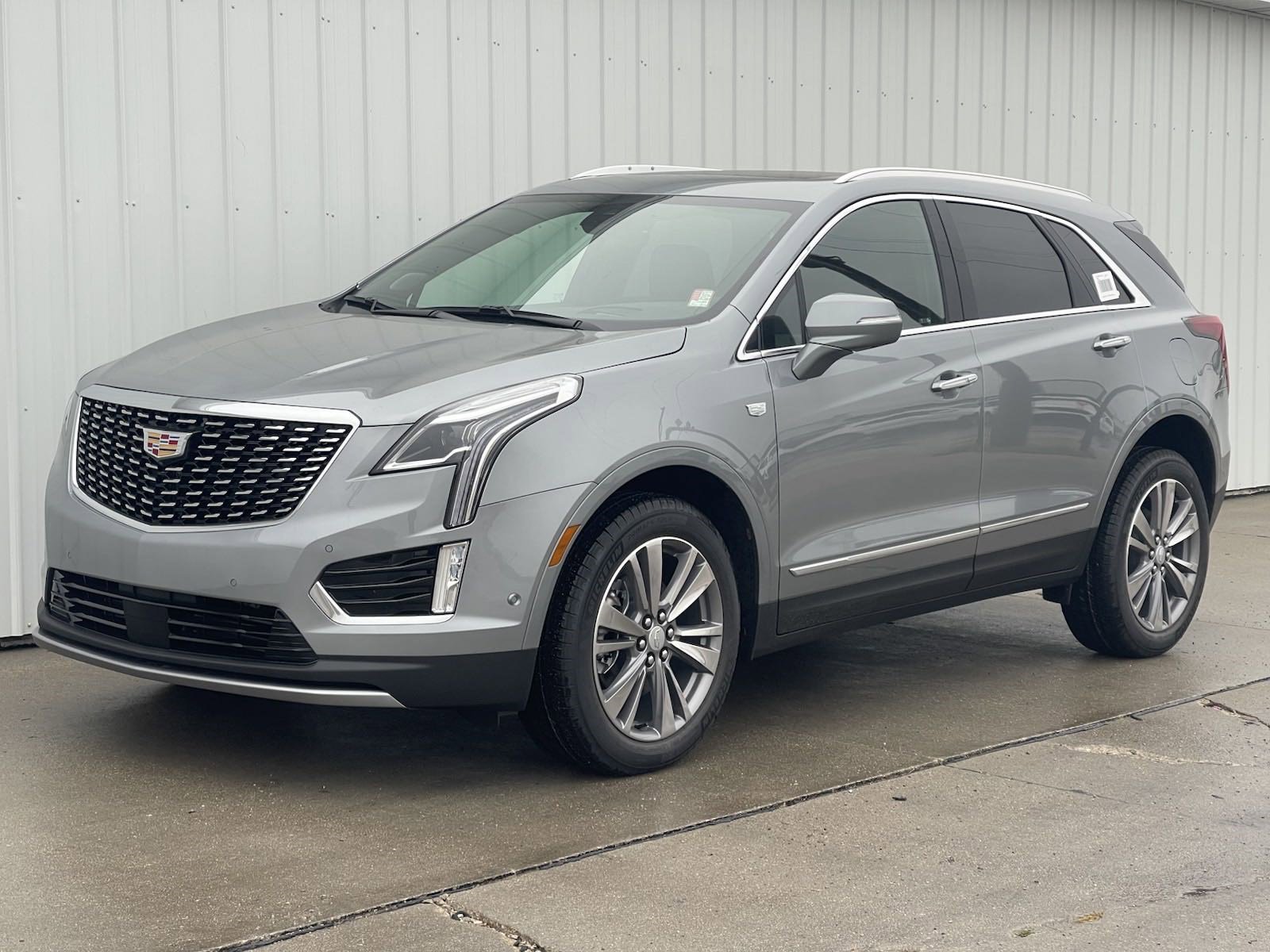
| Cadillac XT5 | $45,595 | 22 | 2.0 L Turbo I4 | Super Cruise (opt.), 8″ diagonal display |
| Infiniti QX50 | $42,650 | 25 | 2.0 L VC‑Turbo I4 | ProPILOT Assist, 12.3″ dual screens |
All figures reflect manufacturer‑published data for 2026 base trims; always confirm with the specific vehicle’s window sticker.
 The Lexus RX 350 leads the segment in combined fuel economy among non‑hybrid luxury SUVs that accept regular unleaded.
Model Deep‑Dives
Lexus RX 350
The RX 350’s 2.4 L turbo‑four produces 275 hp and 317 lb‑ft, paired with an 8‑speed automatic. Lexus explicitly states “regular unleaded (87 octane) is acceptable” in the 2026 owner’s manual. Real‑world testing shows 23‑24 mpg combined on regular, only 1 mpg shy of the premium figure. The payoff: roughly $180‑$220 per year saved at 15,000 miles.
Acura RDX
Acura’s SH‑AWD system shines in inclement weather, and the 2.0 L turbo delivers 272 hp. The manual lists 87 octane as “recommended” but notes “premium may be used for improved performance.” In daily driving the difference is negligible; the RDX remains a value standout. You can also read our guide on toyota highlander hybrid suv.
Volvo XC60 B5
Volvo’s mild‑hybrid B5 engine adds a 48‑volt integrated starter‑generator, smoothing stop‑start and boosting low‑end torque. The Swedish brand certifies the entire XC60 lineup for regular fuel, and the EPA combined rating of 25 mpg is the highest in this set.
Genesis GV70 2.5T
Genesis backs the GV70 with a 5‑year/60,000‑mile warranty and 3‑year/36,000‑mile complimentary maintenance. The 2.5 L turbo makes 300 hp, yet the manual unequivocally approves regular unleaded — rare for a 300‑hp luxury crossover. You can also read our guide on mercedes hybrid suv.
Lincoln Nautilus 2.0T
Lincoln’s latest Nautilus drops the V6 entirely. The 2.0 L turbo (250 hp) is tuned for regular, and the available 11.1″ center stack runs Sync 4 with cloud‑connected navigation. Co‑Pilot360 2.0 adds hands‑free highway assist on mapped roads.
Cadillac XT5
The XT5’s 2.0 L turbo (237 hp) is the least powerful here, but Cadillac’s Magnetic Ride Control (optional) delivers exceptional ride quality. Regular fuel is approved across the range, and Super Cruise hands‑free driving is available on over 400,000 miles of mapped highways. You can also read our guide on mercedes suv.
Infiniti QX50
Infiniti’s variable‑compression VC‑Turbo engine is a technical marvel, altering its compression ratio from 8:1 to 14:1 on the fly. The system is calibrated for 87 octane, delivering 268 hp and the segment’s best combined EPA rating (25 mpg) without premium.
Real‑World Fuel Cost Savings Over Five Years
Assumptions: 15,000 miles/year, 24 mpg combined average, regular $3.45/gal, premium $4.20/gal.
| Year | Regular Cost | Premium Cost | Annual Savings | Cumulative Savings |
|---|---|---|---|---|
| 1 | $2,156 | $2,625 | $469 | $469 |
| 2 | $2,156 | $2,625 | $469 | $938 |
| 3 | $2,156 | $2,625 | $469 | $1,407 |
| 4 | $2,156 | $2,625 | $469 | $1,876 |
| 5 | $2,156 | $2,625 | $469 | $2,345 |
Five‑year savings exceed $2,300 — enough for a set of premium all‑season tires or a weekend getaway. Use the EPA’s fuel‑cost calculator to personalize the numbers for your commute.
Maintenance & Longevity Considerations
Running regular fuel does not void warranties or accelerate wear when the manufacturer approves it. However, two practical tips protect long‑term health:
- Top‑Tier detergent gasoline — Brands meeting the Top‑Tier standard (Chevron, Shell, Costco, etc.) keep intake valves clean on direct‑injection engines.
- Follow the severe‑service schedule if you frequently tow, idle in traffic, or drive in extreme temperatures. That means oil changes every 5,000‑6,000 miles instead of 7,500‑10,000.
A common mistake is skipping the 30,000‑mile fuel‑system cleaning service; carbon buildup on intake valves can eventually affect cold‑start smoothness, regardless of octane. You can also read our guide on top luxury suvs of.
Environmental Impact
Choosing a regular‑fuel luxury SUV reduces well‑to‑wheel CO₂ slightly because premium gasoline requires more refining energy per gallon. The EPA estimates roughly 0.5 % lower lifecycle emissions for regular vs. premium in comparable engines. Pair that with the higher combined MPG of several models above (Volvo XC60 B5, Infiniti QX50) and the carbon advantage grows. For buyers prioritizing lower emissions, the EPA’s Green Vehicle Guide offers side‑by‑side comparisons.
Buying Guide: How to Verify the Fuel Requirement
- Check the owner’s manual PDF on the manufacturer’s site (search “[Model] 2026 owner’s manual fuel”).
- Look at the fuel‑door label — it states “MIN 87 OCTANE” or “PREMIUM REQUIRED.”
- Ask the dealer for the “Fuel Requirements” bulletin — some brands issue technical service bulletins clarifying acceptable octane.
- Cross‑reference with EPA fuel‑economy.gov — the “Fuel Type” field lists “Regular” or “Premium.”
- Test‑drive on regular — if the dealer’s demo tank is premium, request a fill with regular before your drive; note any knock or hesitation (unlikely on approved models).
Future Trends: Electrification & Flex‑Fuel
By 2027, most luxury brands will offer plug‑in hybrid (PHEV) or pure‑electric variants of these same nameplates. PHEVs (e.g., Volvo XC60 Recharge, Lexus RX 450h+) allow daily EV‑only commuting and still accept regular gas for longer trips. Meanwhile, several manufacturers are exploring flex‑fuel calibration (E85 capable) for turbo engines, which could further decouple performance from premium pricing. Staying informed on these shifts ensures your next purchase stays future‑proof. You can also read our guide on luxury suv comparisons.
 The Genesis GV70’s cabin blends a 14.5″ widescreen with quilted leather — luxury that doesn’t demand premium fuel.
Frequently Asked Questions
Which luxury SUVs use regular gas?
The 2026 Lexus RX 350, Acura RDX, Volvo XC60 B5, Genesis GV70 2.5T, Lincoln Nautilus 2.0T, Cadillac XT5, and Infiniti QX50 are all factory‑approved for 87‑octane regular unleaded.
Does using regular gas void the warranty?
No. If the owner’s manual lists regular as acceptable, the warranty remains fully intact. Only using a lower grade than the minimum specified (e.g., 85 octane in high‑altitude areas) could create a warranty issue.
Is there a performance penalty?
Typically 3‑5 % peak horsepower loss under full throttle, translating to ~0.2‑0.3 seconds slower 0‑60 mph. Daily driving feel — throttle response, passing power, highway merging — is virtually identical.
How much can I save annually?
At 15,000 miles and 24 mpg combined, the spread between regular ($3.45) and premium ($4.20) yields roughly $470 per year. Over a five‑year loan that’s $2,300+ kept in your pocket.
Are there any luxury SUVs that require premium?
Yes — most BMW X3/X5 M‑Sport trims, Mercedes‑AMG models, Porsche Macan S/GTS, and Audi SQ5 still mandate 91+ octane. Always verify the specific trim.
Conclusion
Luxury and regular‑fuel compatibility are no longer mutually exclusive. The seven models detailed above deliver badge prestige, advanced safety suites, and premium interiors while letting you fill up at the regular pump. Run the numbers for your mileage, confirm the fuel door label, and you’ll drive off the lot with both the badge you want and a fatter wallet. Ready to compare specs side‑by‑side? Start with the EPA’s official comparison tool and book test drives this weekend — your bank account will thank you.