
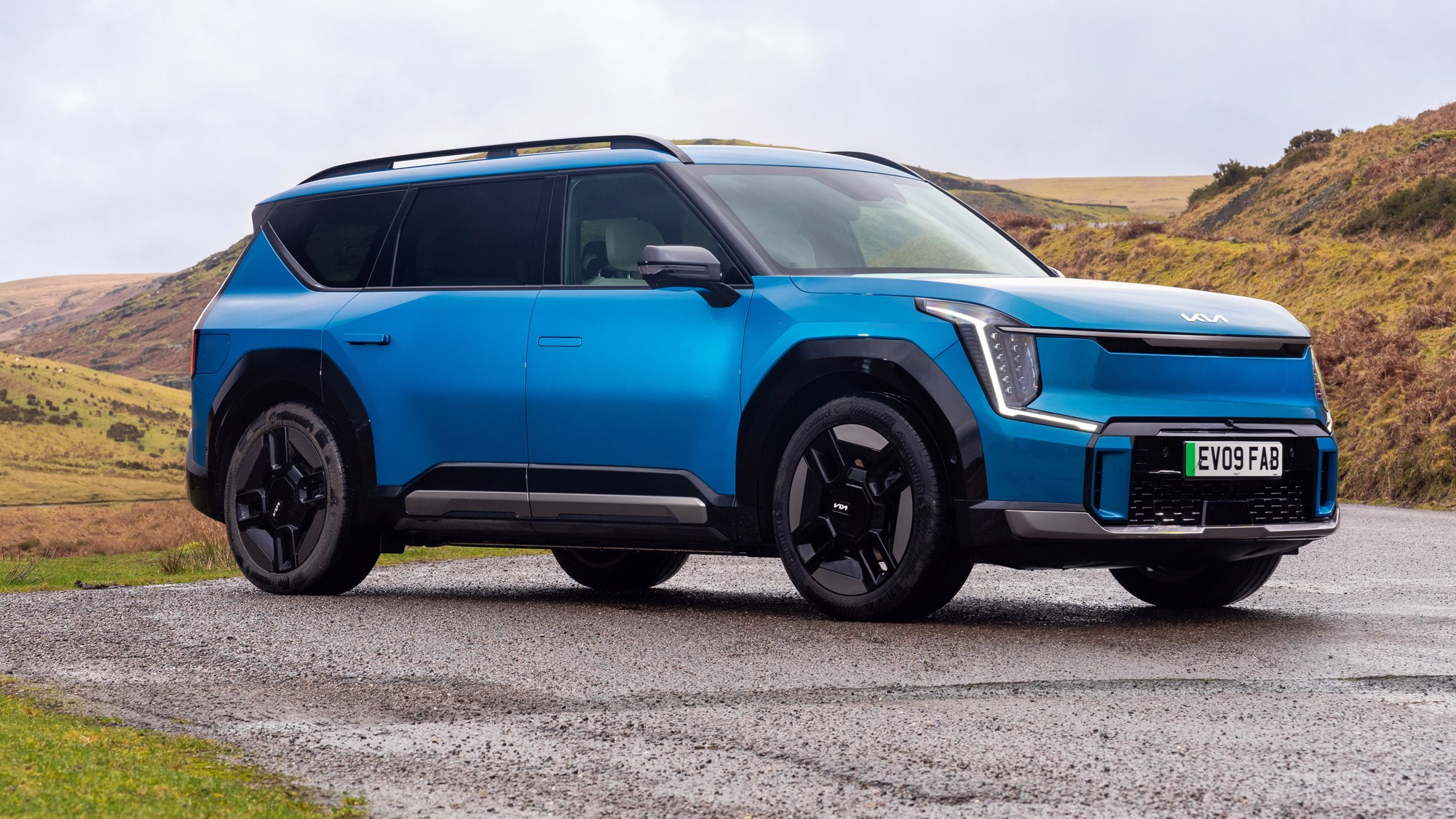
Choosing an SUV that runs on regular unleaded can save you hundreds of dollars a year without sacrificing space, comfort, or modern features. Below you’ll find a complete, up‑to‑date guide to the 2025‑2026 models that deliver strong performance on 87‑octane fuel, plus the tools to verify fuel requirements, estimate real‑world savings, and pick the right vehicle for your lifestyle.
 A row of popular compact SUVs that all accept regular gasoline.
Why Regular‑Gas SUVs Make Financial Sense
Premium fuel typically costs $0.80‑$1.20 more per gallon than regular. On a 15,000‑mile annual drive, a vehicle that averages 25 mpg burns 600 gallons; the price gap alone translates to $480‑$720 in yearly savings. Over a five‑year ownership cycle that’s $2,400‑$3,600 kept in your pocket — money that can cover a major service interval or a down‑payment on your next vehicle. The U.S. EPA fuel‑economy guide confirms that most modern engines are calibrated to run efficiently on 87 octane when the manufacturer specifies it. You can also read our guide on what is an suv.
How to Confirm an SUV Runs on Regular Gas
- Check the owner’s manual – the “Fuel Requirements” section lists the minimum octane rating.
- Look at the fuel‑door label – a sticker often reads “Regular unleaded 87 octane minimum.”
- Visit the manufacturer’s website – specifications pages list “Recommended fuel.”
- Consult the window sticker (Monroney) – it shows the EPA‑tested fuel type.
If you’re cross‑shopping luxury brands, the same steps apply; for example, Mercedes‑Benz models vary, so review the specific model’s fuel spec before assuming premium is required.
Top 2025‑2026 Non‑Premium SUVs by Segment
| Segment | Model | Drivetrain | Combined MPG* | Starting MSRP (≈) |
|---|---|---|---|---|
| Compact | Toyota RAV4 | FWD / AWD | 30 | $28,500 |
| Compact | Honda CR‑V | FWD / AWD | 30 | $29,000 |
| Compact | Mazda CX‑5 | FWD / AWD | 28 | $27,800 |
| Compact | Subaru Forester | AWD | 29 | $27,500 |
| Compact | Hyundai Tucson | FWD / AWD | 29 | $28,200 |
| Midsize | Ford Edge | FWD / AWD | 24 | $35,000 |
| Midsize | Kia Sorento | FWD / AWD | 25 | $33,500 |
| Midsize | Chevrolet Blazer | FWD / AWD | 24 | $34,800 |
| Luxury | Lexus RX 350 | FWD / AWD | 24 | $48,000 |
| Luxury | Acura RDX | AWD | 23 | $44,500 |
| Luxury | Infiniti QX50 | AWD | 24 | $42,000 |
| Luxury | Lincoln Nautilus | FWD / AWD | 23 | $45,200 |
*EPA combined estimate; real‑world figures vary with driving style and load.
 Midsize and entry‑luxury models that all accept regular unleaded.
Hybrid SUVs: Best of Both Worlds
Hybrid powertrains boost mileage while still running on regular gas. The table below shows the most efficient 2025‑2026 hybrids that don’t demand premium. You can also read our guide on evaluation of suv.
| Model | Combined MPG | Electric‑Only Range | Starting MSRP (≈) |
|---|---|---|---|
| Toyota RAV4 Hybrid | 40 | N/A | $30,800 |
| Honda CR‑V Hybrid | 38 | N/A | $31,500 |
| Ford Escape Hybrid | 41 | N/A | $30,200 |
| Hyundai Tucson Hybrid | 38 | N/A | $31,000 |
| Kia Sportage Hybrid | 39 | N/A | $30,900 |
Hybrid SUVs use a gasoline engine paired with an electric motor; they never require premium fuel.
Electric SUVs: Zero‑Fuel Cost Option
If you can charge at home or work, an electric SUV eliminates fuel purchases entirely. Below are the newest 2025‑2026 entries with the best value proposition.
| Model | EPA Range (mi) | Starting MSRP (≈) | DC Fast‑Charge (10‑80 %) |
|---|---|---|---|
| Hyundai Ioniq 5 | 303 | $41,800 | 18 min |
| Kia EV6 | 310 | $42,600 | 18 min |
| Ford Mustang Mach‑E | 312 | $43,000 | 38 min |
| Volkswagen ID.4 | 275 | $38,000 | 30 min |
| Nissan Ariya | 304 | $39,500 | 30 min |
Electric SUVs have lower “fuel” and maintenance costs, but consider charging infrastructure in your area.
 Fast‑charging an electric SUV — no gasoline required.
Real‑World Ownership Cost Comparison
| Vehicle | Annual Fuel Cost (15k mi, $3.70/gal regular) | Annual Fuel Cost (15k mi, $4.70/gal premium) | 5‑Year Savings vs. Premium |
|---|---|---|---|
| 25 mpg regular‑gas SUV | $2,220 | $2,820 | $3,000 |
| 30 mpg regular‑gas SUV | $1,850 | $2,350 | $2,500 |
| 40 mpg hybrid | $1,388 | $1,763 | $1,875 |
Assumes constant fuel prices; actual savings will vary.
Maintenance & Resale Considerations
- Engine wear – Modern regular‑gas engines use direct injection and variable valve timing that keep carbon buildup low; no premium‑only cleaning intervals are needed.
- Scheduled service – Oil changes, brake fluid, and tire rotations follow the same intervals as premium‑fuel counterparts.
- Resale value – Vehicles that don’t require premium fuel often attract a broader buyer pool, supporting stronger trade‑in values.
Buying Checklist: Choosing the Right Regular‑Gas SUV
- Verify the minimum octane rating in the owner’s manual or on the fuel‑door label.
- Compare combined EPA MPG (or MPGe for plug‑ins) across your shortlist.
- Factor in total cost of ownership: fuel, insurance, maintenance, depreciation.
- Test‑drive for seat comfort, cargo flexibility, and infotainment usability.
- Check for available safety suites (automatic emergency braking, lane‑keep assist).
- Research reliability scores from Consumer Reports or J.D. Power.
- Confirm dealer inventory and any regional incentives.
Frequently Asked Questions
Which SUVs run well on regular gas?
Most mainstream compact and midsize SUVs — Toyota RAV4, Honda CR‑V, Mazda CX‑5, Subaru Forester, Hyundai Tucson, Ford Edge, Kia Sorento — are engineered for 87 octane. Several luxury models (Lexus RX 350, Acura RDX, Infiniti QX50, Lincoln Nautilus) also accept regular fuel.
Are there benefits to non‑premium‑gas SUVs beyond price?
Yes. Regular‑fuel engines often have simpler fuel‑system calibration, which can mean fewer carbon‑deposit issues and identical warranty coverage. Performance differences are negligible for daily driving.
How do I choose the right SUV for my needs?
Start with your primary use case: passenger capacity, cargo volume, towing, and typical commute distance. Then filter by combined MPG, price, and feature set. The checklist above walks through each decision point.
Can I save money with a regular‑gas SUV?
Absolutely. Over a typical five‑year ownership period, the fuel‑price gap alone can save $2,000‑$3,500, and lower maintenance complexity adds further value.
Do hybrid or electric SUVs ever require premium fuel?
No. All current hybrid SUVs sold in the U.S. run on regular unleaded. Electric SUVs use no gasoline at all.
Conclusion
Regular‑gas SUVs deliver the space, tech, and comfort buyers expect while keeping operating costs predictable. Whether you prefer a compact crossover, a three‑row family hauler, a luxury badge, a hybrid, or a fully electric model, the 2025‑2026 market offers plenty of choices that sip 87 octane — or none at all. Use the verification steps, cost tables, and buying checklist above to narrow the field, then schedule test drives for your top three candidates.
Ready to compare real‑world pricing? Explore our latest Toyota RAV4 Hybrid review and see how it stacks up against the competition.