
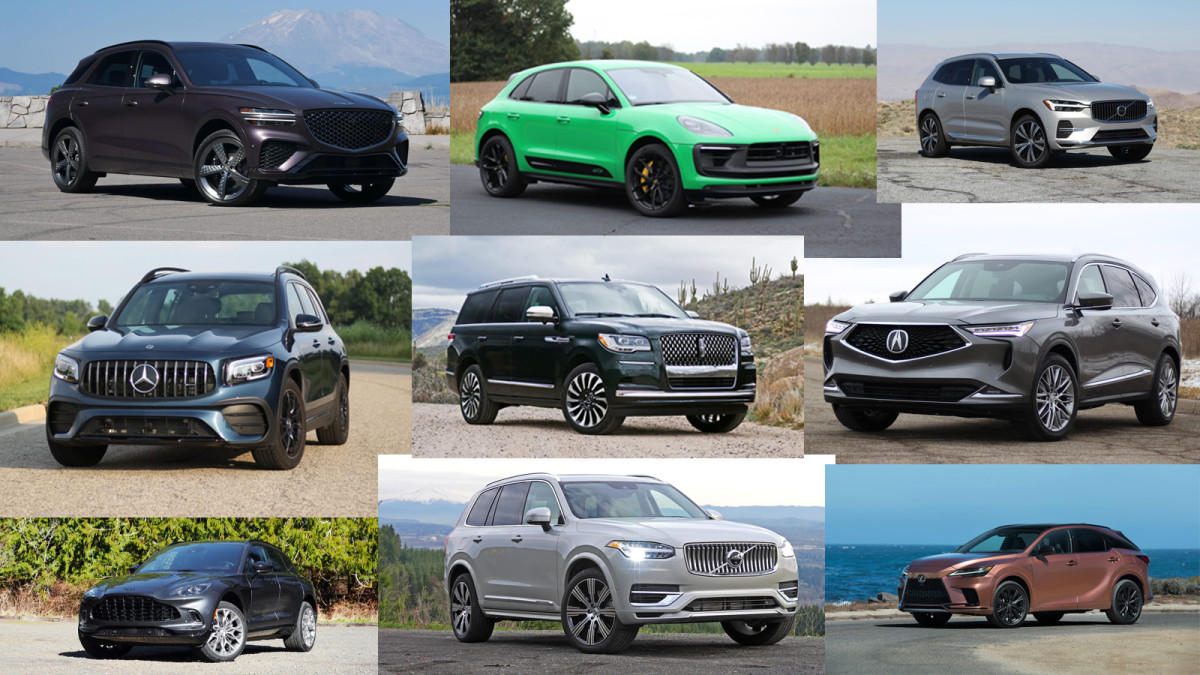
The premium SUV segment has never been more competitive — or more confusing. In 2026, buyers face a landscape where traditional German stalwarts battle American icons, Korean upstarts, and a wave of electric newcomers, all claiming "luxury" badges. This guide cuts through the marketing noise with data-driven comparisons, real-world ownership insights, and a practical framework for matching the right vehicle to your actual needs — not just the brochure promises.
What Defines a Premium SUV in 2026
The "premium" label gets applied loosely, but the vehicles that genuinely earn it share four non-negotiable attributes. First, materials and fitment exceed mainstream standards: open-pore wood, semi-aniline leather, metal switchgear, and panel gaps measured in tenths of a millimeter. Second, powertrain refinement means abundant torque delivered without vibration, harsh shifts, or audible strain — whether from a turbocharged inline-six, a plug-in hybrid system, or a dual-motor EV architecture. Third, acoustic engineering suppresses wind, tire, and road noise to library levels at highway speeds. Fourth, technology integration feels cohesive rather than bolted on: native over-the-air updates, multi-screen ecosystems that don't require a manual, and driver-assist systems that intervene smoothly.
In practice, the line between "premium" and "luxury" often blurs. A useful rule of thumb: premium SUVs start in the mid-$50K range and top out near $100K before entering ultra-luxury territory (Bentayga, Cullinan, LX 600). If you're cross-shopping a loaded mainstream model against an entry-level premium badge, spend 30 minutes in each back seat — the difference in NVH and material quality usually decides it.
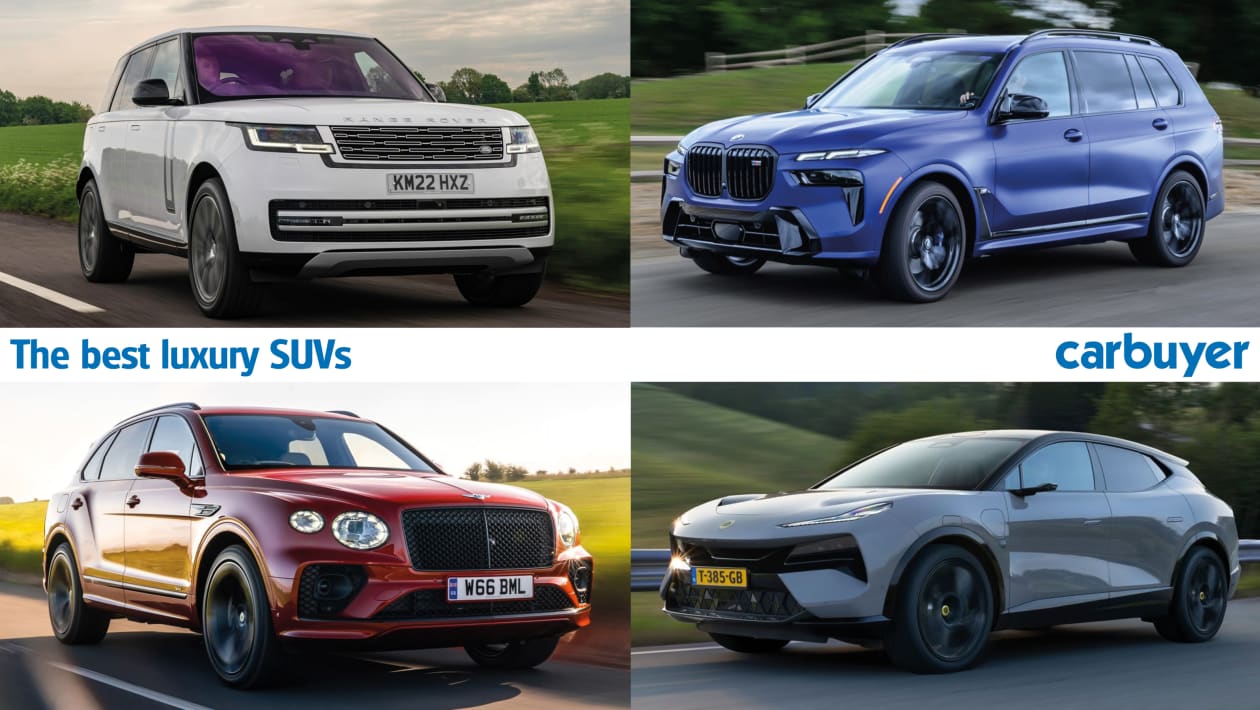 Side-by-side profile view highlighting the distinct design languages of segment leaders — note the greenhouse proportions and shoulder lines.
Top 7 Premium SUVs for 2026: Quick-Reference Matrix
| Model | Segment | Base MSRP | Powertrain Options | EPA Combined MPGe | IIHS Top Safety Pick+ | Cargo Behind 2nd Row |
|---|---|---|---|---|---|---|
| BMW X5 | Midsize 2-row | $66,195 | 3.0L I6 turbo, PHEV, M60i V8 | 23–56 MPGe | Yes (2025) | 33.9 cu ft |
| Mercedes-Benz GLE | Midsize 2-row | $61,150 | 2.0L I4 turbo, 3.0L I6 turbo mild-hybrid, PHEV, AMG V8 | 22–58 MPGe | Yes (2025) | 33.3 cu ft |
| Genesis GV80 | Midsize 2-row | $58,150 | 2.5L I4 turbo, 3.5L V6 twin-turbo | 21–23 MPG | Yes (2025) | 34.9 cu ft |
| Cadillac Escalade | Full-size 3-row | $84,195 | 6.2L V8, 3.0L I6 turbodiesel, ESV long-wheelbase | 17–23 MPG | Acceptable (2025) | 25.5 cu ft |
| Audi Q7 | Midsize 3-row | $61,795 | 2.0L I4 turbo, 3.0L V6 turbo mild-hybrid | 21–23 MPG | Yes (2025) | 25.4 cu ft (3rd row up) |
| Volvo XC90 Recharge | Midsize 3-row | $56,500 | 2.0L PHEV only (2026) | 58 MPGe / 27 MPG | Yes (2025) | 15.8 cu ft (3rd row up) |
| Rivian R1S | Electric 3-row | $78,800 | Dual/Quad motor AWD, 135 kWh pack | 68–74 MPGe | Not yet rated | 17.6 cu ft (3rd row up) |
Pricing reflects 2026 model year base figures before destination; MPGe/MPG from EPA estimates; safety ratings from IIHS 2025 test year where available.
Segment Deep Dives
BMW X5: The Driver's Benchmark
The X5 remains the handling reference point. Its 3.0L turbo inline-six (375 hp / 383 lb-ft in xDrive40i) delivers linear thrust with a soundtrack that's present but never intrusive. The xDrive50e plug-in hybrid adds 483 combined hp and ~40 miles of EPA electric range — enough for most daily commutes without touching the gas engine. Rear-seat space trails the GLE and GV80 slightly, but the driving position, steering weight, and adaptive damper tuning (standard on 2026 models) make it the one you'll choose for the mountain pass. A common mistake: skipping the Executive Package ($3,700) which adds gesture control, heated/cooled cupholders, and the superb Bowers & Wilkins audio — features you'll use daily.
For buyers focused on the U.S. market specifically, our market-specific buying guide breaks down regional incentive trends and dealer allocation quirks.
Mercedes-Benz GLE: Tech & Comfort Leadership
The GLE's MBUX Hyperscreen (standard on 450e and above, optional on 350/450) spans the dash with three displays under a single curved glass panel. It's polarizing — some love the passenger-side screen for navigation handoff; others call it distraction theater. What isn't debatable: the E-ACTIVE BODY CONTROL suspension (optional, $4,950) scans the road ahead via stereo camera and pre-loads each damper individually. The result is a magic-carpet ride that still controls body motion under hard cornering. The GLE 450e PHEV delivers 381 hp and 32 miles EV range; the AMG GLE 63 S hits 603 hp but returns 16 MPG combined. If you prioritize long-distance serenity over canyon-carving, this is the default choice.
Genesis GV80: Value Proposition With Few Compromises
Genesis disrupted the segment by including features competitors charge extra for: 21-inch wheels, Nappa leather, 21-speaker Lexicon audio, and a full suite of driver assists (including Highway Driving Assist 2 with hands-free lane changes) on the base 2.5T. The 3.5T twin-turbo V6 (375 hp / 391 lb-ft) feels stronger than its numbers suggest thanks to a 48V mild-hybrid system that fills torque gaps. Interior design is distinctive — the floating center console, crystal sphere shifter, and slim vent strips age better than the screen-heavy German cabins. Trade-off: the GV80's infotainment lacks wireless Apple CarPlay/Android Auto until the 2026.5 refresh, and the dealer network remains thinner than BMW/Mercedes in rural areas.
Cadillac Escalade / Escalade ESV: American Icon, Modern Execution
The Escalade's 38-inch curved OLED display (three panels under one glass) is the industry's most impressive screen implementation — crisp, responsive, and logically laid out. Super Cruise (standard on Premium Luxury and above) enables true hands-free driving on 400,000+ miles of mapped North American highways, with automatic lane changes triggered by a turn-signal tap. The 6.2L V8 (420 hp / 460 lb-ft) pairs with a 10-speed automatic; the 3.0L Duramax turbodiesel (277 hp / 460 lb-ft) returns 23 MPG combined and 600+ mile range. Third-row adults fit comfortably only in the ESV long-wheelbase variant (+$3,000, +15.2 inches overall). Magnetic Ride Control 4.0 reads the road 1,000 times per second — it's the gold standard for body control at this weight (5,800+ lbs).
Our full Escalade deep-dive covers trim walkthroughs, option packages, and real-world fuel logs from a 2,000-mile road trip.
Audi Q7: The Polished All-Rounder
The Q7 doesn't lead any single category but finishes top-three in all of them. The 3.0L turbo V6 mild-hybrid (335 hp / 369 lb-ft) delivers effortless mid-range punch; the 2.0L turbo four (261 hp) is adequate but sounds strained at altitude. Quattro ultra defaults to FWD until slip is detected, boosting efficiency without sacrificing all-weather traction. Virtual Cockpit Plus remains the best driver display in the business — map-centric, configurable, and visible through the steering wheel rim. Third-row access is easier than the X5/GLE thanks to a wider aperture and power-folding second row (standard). The Bang & Olufsen 3D system with headrest speakers is a $1,200 option worth every penny.
Volvo XC90 Recharge: Safety-First, PHEV-Only
Volvo's commitment to electrification means the 2026 XC90 drops mild-hybrid variants entirely — only the T8 Recharge PHEV remains (455 hp, 32 miles EPA EV range). The SPA platform was designed from scratch for electrification, so battery packaging doesn't compromise cabin space. Pilot Assist handles stop-and-go traffic and highway cruising competently, though it requires hands-on-wheel detection more frequently than Super Cruise or Mercedes' system. The minimalist interior (no wood, no piano black) polarizes but wears well. Google Built-In infotainment means native Maps, Assistant, and Play Store — no phone projection needed. A practical note: the 11.6 kWh usable battery charges at only 3.6 kW L2; a full charge takes 3+ hours on a 240V circuit.
Rivian R1S: The Electric Disruptor
The R1S proves a dedicated EV platform can out-package body-on-frame SUVs. Quad-motor versions hit 60 mph in 3.0 seconds; dual-motor Large Pack delivers 410 miles EPA range. The front trunk (11 cu ft), under-floor storage, and gear tunnel (long items) solve the "where does the stuff go" problem better than any three-row ICE SUV. Adjustable air suspension offers 14.9 inches ground clearance and kneels for entry. Trade-offs: 7,200+ lb curb weight affects tire wear and braking distances; DC fast charging peaks at 220 kW (10–80% in ~40 min); service network is growing but still sparse outside coastal metros. If your daily drive fits within 300 miles and you have home charging, the R1S is arguably the most practical family hauler on this list.
Powertrain Comparison: Gas, Hybrid, PHEV, Electric
| Architecture | Best For | Real-World Considerations |
|---|---|---|
| Turbo gas / mild-hybrid | High annual mileage, towing, cold climates | Simplest ownership; no charging logistics; 400+ mile range; predictable resale |
| PHEV (20–40 mi EV) | Short commute + weekend trips, HOV access, tax incentives | Requires daily charging to maximize value; gas engine carries battery weight after depletion; complex thermal management |
| Full hybrid (non-plug) | Stop-and-go urban, no home charging | Seamless operation; 25–35% city MPG gain; no plug needed; limited electric-only capability |
| Battery EV | Home charging, predictable daily radius, performance enthusiasts | Lowest operating cost; instant torque; silent cabin; charging infrastructure dependency; heavier tires/wear |
In practice, most premium SUV buyers in 2026 should default to mild-hybrid gas or PHEV unless they have dedicated 240V charging and rarely exceed 250 miles between charges. The hybrid-specific roundup details current PHEV tax credit eligibility and real-world electric-range logs from owners.
Interior Quality & Technology Showdown
Material quality tiers are visible even in press photos if you know where to look. Run your fingernail along the door-top trim: premium SUVs use wrapped leather or soft-touch thermoplastic; mainstream models use hard-grained plastic. Check the B-pillar garnish and seat-back pockets — these high-wear areas reveal cost-cutting first.
Infotainment responsiveness matters more than screen count. The gold standard: native Google Built-In (Volvo, Polestar, GM vehicles) or BMW OS 9 / Mercedes MBUX Generation 2 — all support OTA updates, voice control that understands natural language ("I'm cold" → adjusts climate), and app ecosystems that don't require phone mirroring. Avoid systems that lag on map rendering or require three taps to adjust fan speed.
Seat comfort is subjective but measurable: look for adjustable thigh support, multi-contour bolsters with pneumatic inflation, and massage programs with variable intensity. The Escalade, GLE, and X5 offer 22–30 way front seats; the GV80 and Q7 top out at 18–20 way. Third-row accommodation: only the Escalade ESV, GV80 (with optional 3rd row), and R1S fit 6-foot adults for hour-plus trips.
 Dashboard and center stack detail — note the switchgear density, screen integration, and material transitions. The best cabins minimize hard plastic below the waistline.
Safety Systems: What Actually Matters
Every 2026 premium SUV includes automatic emergency braking (AEB), lane-keeping assist, blind-spot monitoring, and rear cross-traffic alert. The differentiators are system calibration and hands-free capability:
- Super Cruise (GM) / BlueCruise (Ford/Lincoln) / Highway Driving Assist 2 (Hyundai/Genesis/Kia): Camera-based driver monitoring enables true hands-free on mapped highways. Super Cruise covers the most miles; BlueCruise adds hands-free lane changes.
- Mercedes Driver Assistance Package: Adds active steering assist, active distance assist, and emergency stop assist — but requires capacitive steering-wheel touch detection every 10–15 seconds.
- BMW Highway Assistant: Similar to Mercedes; adds automated lane change via eye-activation (look at side mirror).
- Tesla FSD (Supervised): Not a premium SUV yet, but the R1S's upcoming Rivian Autonomy Platform targets feature parity by late 2026.
IIHS Top Safety Pick+ requires Good ratings in all six crash tests, Advanced/Superior front crash prevention (vehicle-to-vehicle and vehicle-to-pedestrian), and Acceptable/Good headlights. All models in our matrix above earn it except the Escalade (Marginal headlights on base trims) and R1S (not yet tested). Check IIHS vehicle ratings for the exact trim you're considering — headlight scores vary by package.
Real-World Ownership Costs (5-Year Projection)
| Cost Category | Midsize (X5/GLE/GV80/Q7) | Full-Size (Escalade) | Electric (R1S) |
|---|---|---|---|
| Depreciation (5 yr) | 45–52% | 48–55% | 55–62%* |
| Fuel/Energy (15k mi/yr) | $11,200–$14,500 | $13,800–$18,200 | $2,800–$3,600 |
| Maintenance/Repairs | $4,800–$7,200 | $6,500–$9,500 | $2,100–$3,000 |
| Insurance (annual avg) | $2,200–$2,800 | $2,600–$3,300 | $2,400–$3,000 |
| 5-Year Total | $58K–$78K | $72K–$95K | $48K–$62K |
*EV depreciation reflects current market volatility; assumes federal tax credit claimed by original buyer. Data synthesized from Kelley Blue Book, Edmunds True Cost to Own, and EPA fuel cost calculator. Tire replacement (every 30–40k mi on 21–22″ wheels) adds $1,800–$2,600 per set — budget accordingly.
A common mistake: ignoring premium fuel requirements. Most German turbo engines recommend 91+ octane; the Escalade V8 requires it. At $0.60–$0.90/gal premium over regular, that's $180–$270/year per 15k miles. The GV80 2.5T and Volvo T8 run on regular — a small but real savings. For Mercedes-specific fuel guidance, see our fuel requirement breakdown.
How to Choose: A Decision Framework
- Define your non-negotiables (write them down): third-row frequency, towing weight, garage dimensions, charging access, must-have features.
- Set a total-budget ceiling including tax, license, dealer fees, and 3-year maintenance pre-pay if offered.
- Test-drive three finalists back-to-back on the same route: your commute, a highway merge, a rough pavement section, and a parking lot. Bring your phone, your spouse, your car seat.
- Compare lease vs. finance vs. cash using the manufacturer's current incentive stack. Premium SUVs often have subvented lease rates (low money factor) that beat financing.
- Check dealer allocation and order lead times — popular trims (X5 50e, GLE 450e, Escalade Premium Luxury) can run 3–6 months.
- Negotiate out-the-door price, not monthly payment. Use competing dealer quotes and regional market data as leverage.
For compact-premium cross-shoppers, the Audi Q3 45 S line review and Peugeot 3008 GT Line analysis cover the entry-lux segment where badge prestige meets right-sized practicality.
Tires: The Overlooked Performance Variable
Every SUV in this class rides on 20–22 inch wheels with summer or all-season performance tires. The OEM fitment is a compromise — quiet, long-wearing, adequate in snow. Swapping to a dedicated grand-touring all-season (Michelin CrossClimate 2, Continental PremiumContact 7) or ultra-high-performance all-season (Pilot Sport All Season 4) transforms wet braking, snow traction, and steering precision without sacrificing ride quality. Our Continental PremiumContact 5 SUV review details why the latest generation earned our top pick for this segment. Budget $1,600–$2,400 mounted/balanced for a full set; rotate every 5,000 miles.
Frequently Asked Questions
Which premium SUV holds its value best in 2026?
The Lexus GX 550 (body-on-frame, V6 twin-turbo) and Toyota Land Cruiser lead residual-value forecasts at ~60% retained after 36 months. Among unibody premiums, the GV80 and X5 xDrive40i historically outpace GLE and Q7 by 3–5 percentage points. EVs remain volatile — R1S residuals depend heavily on tax-credit policy and charging-network expansion.
Can I tow 7,000+ lbs with a premium SUV?
Only the Escalade (8,200 lbs V8 / 7,900 lbs diesel ESV), X5 M60i (7,200 lbs), and GLE 580 (7,700 lbs) are rated above 7,000 lbs. Most PHEVs and EVs are limited to 5,000–6,000 lbs due to thermal constraints. Always verify the specific trim's rating — optional tow packages (hitch, cooling, software) are often required.
Are premium SUVs worth the maintenance premium?
Independent specialists charge 30–40% less than dealers for out-of-warranty work on German brands. Budget $1,200–$1,800/year for years 4–6 on a BMW/Mercedes/Audi; $800–$1,200 on Genesis/Volvo/Cadillac. Pre-paid maintenance plans (often $2,500–$3,500 for 3–4 years) rarely pay off unless you drive 20k+ miles annually.
What's the real-world electric range of current PHEVs?
EPA estimates are achievable in mild weather (65–75°F) with preconditioning. Expect 20–30% reduction in sub-freezing temps, 10–15% at 75 mph highway speeds. The X5 50e, GLE 450e, and XC90 Recharge consistently deliver 28–35 miles in mixed driving per owner logs.
Should I wait for 2027 model updates?
The X5, GLE, and Q7 received mid-cycle refreshes for 2024–2025; next major redesigns are 2028+. The Escalade and GV80 are on 2021/2020 architectures — refreshes rumored for 2027. If you need a vehicle now, buying a 2026 avoids first-year glitches on an all-new platform.
Conclusion
The "best" premium SUV doesn't exist — only the best for your specific constraints. If driving dynamics top your list, the BMW X5 xDrive40i or 50e is the answer. For technology showcase and long-haul comfort, the Mercedes GLE 450e or Escalade Premium Luxury win. Value seekers should drive the Genesis GV80 3.5T before signing anywhere else. Families needing genuine three-row usability plus electrification: Volvo XC90 Recharge or Rivian R1S (with home charging).
Spend the time to test-drive your final three on familiar roads. Bring the people and gear you actually transport. The right choice reveals itself in the details — the seat bottom that supports your thighs on hour four, the infotainment that responds to "navigate to the nearest charger" without a menu hunt, the suspension that absorbs a pothole without crashing. That's the vehicle you'll still appreciate at year five.
Ready to compare local pricing and availability? Start with our U.S. market buying guide for current incentive stacks and dealer contact strategies.
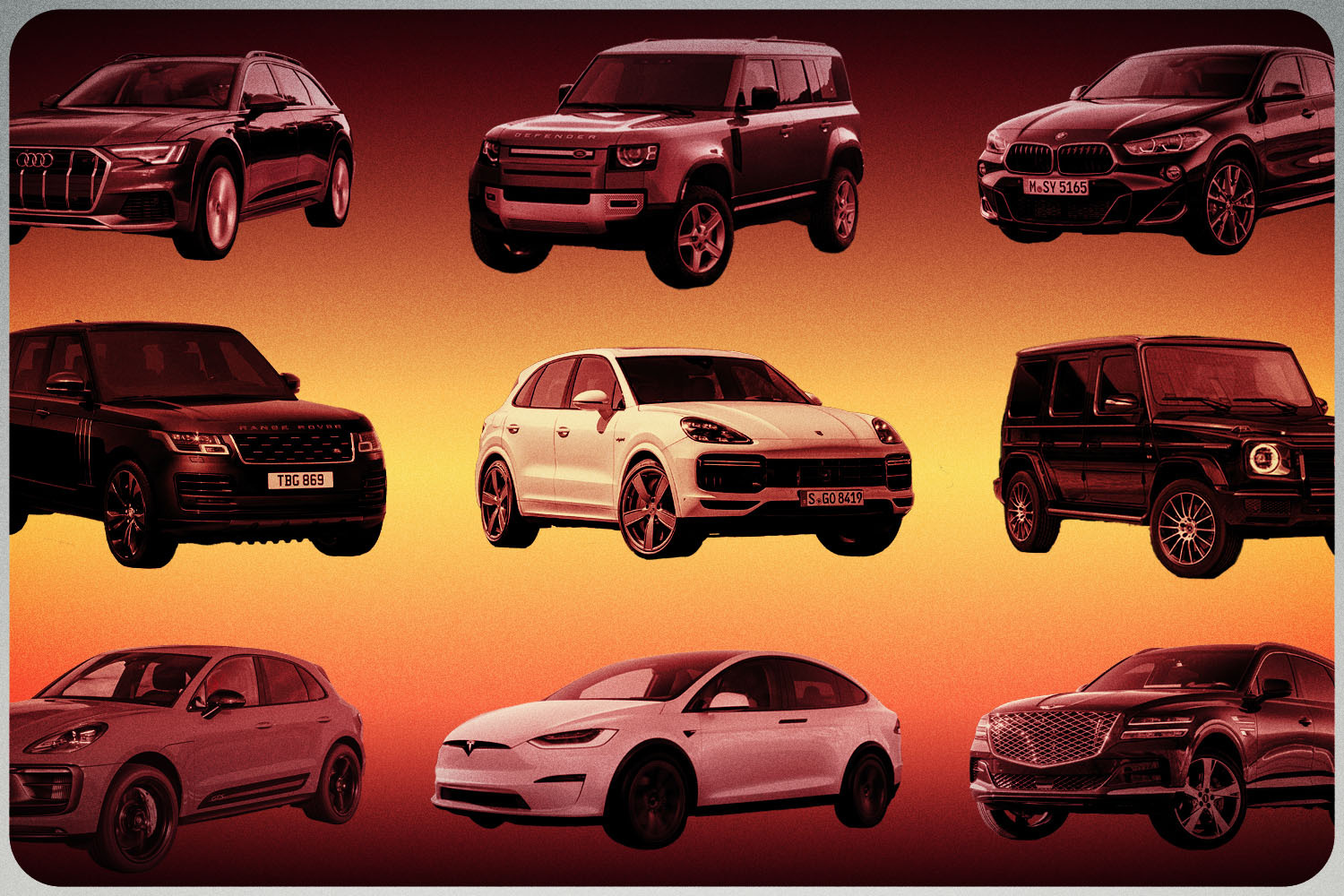 Decision framework summary: prioritize your must-haves, test-drive strategically, and negotiate total cost — not monthly payment. Your next step: book three back-to-back test drives this week — the clarity you gain in two hours beats months of research.