
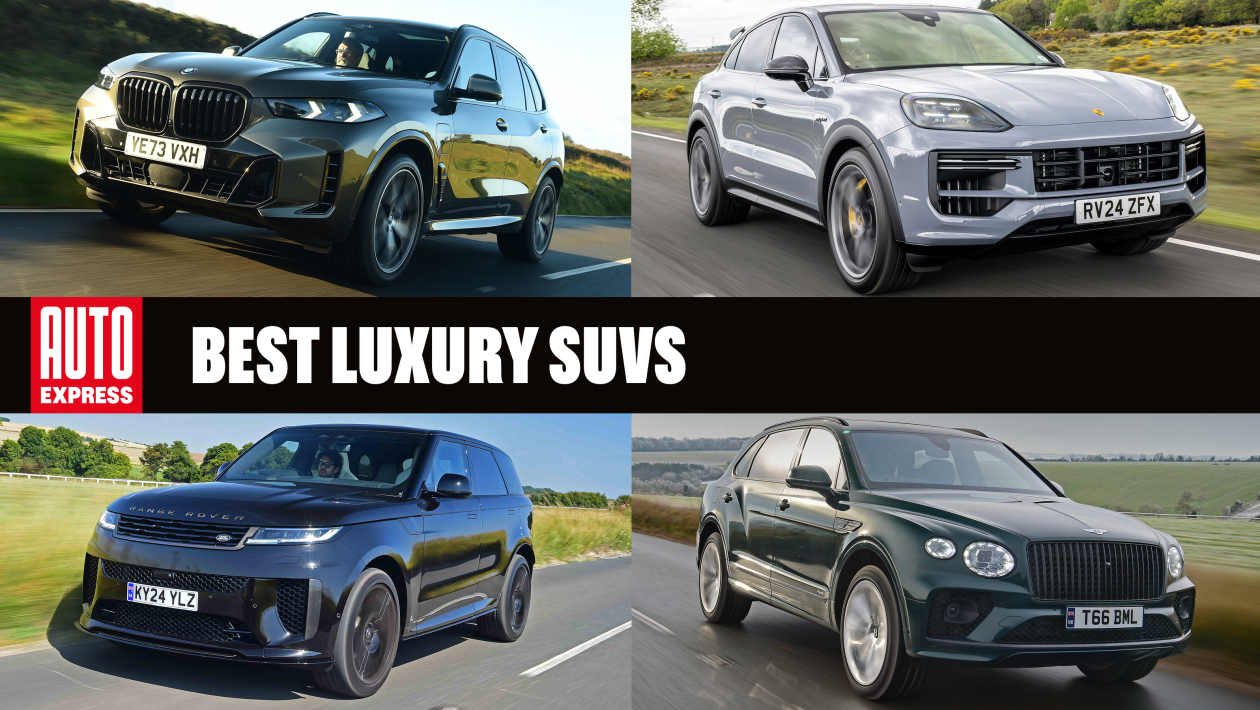
The premium SUV segment in the UK continues to evolve, blending opulent interiors with potent powertrains and cutting‑edge technology. This guide reflects the latest 2026 model‑year data while keeping the original “2024” keyword focus, so you can compare the most relevant vehicles on sale today.
What Defines a Premium SUV in the UK Market
A premium SUV is more than a badge; it is a package of materials, technology, performance and safety that justifies a higher price point. You can also read our guide on history of suv.
Materials & Craftsmanship
- Hand‑stitched leather, open‑pore wood veneers and metal‑finished controls are standard.
- Noise‑insulation measures (acoustic glass, active sound cancellation) push cabin quietness below 60 dB at motorway speeds.
Technology & Connectivity
- Dual‑screen infotainment with over‑the‑air updates, wireless Apple CarPlay/Android Auto and integrated voice assistants.
- Advanced driver‑assist suites (adaptive cruise, lane‑keeping, automated parking) are often bundled as standard.
Performance Benchmarks
- 0‑62 mph times ranging from 4.5 s (V8 petrol) to 5.8 s (plug‑in hybrid).
- All‑wheel‑drive systems with torque‑vectoring deliver confident handling on wet UK roads.
Safety & Driver Assistance
- Euro NCAP five‑star ratings across the board; many models earn the “Best in Class” award.
- Standard automatic emergency braking, blind‑spot monitoring and rear cross‑traffic alert.
For a deeper dive into how these criteria are weighed, see our guide on how we assess SUVs.
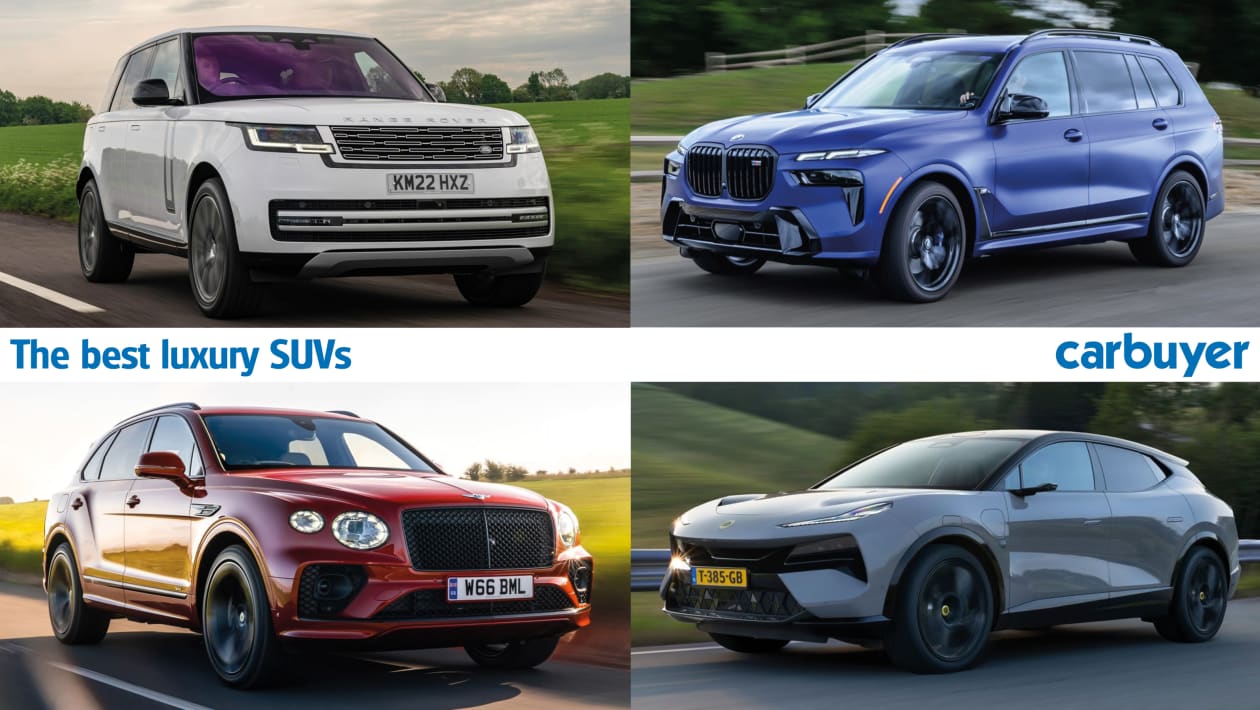
Current premium SUV lineup at a UK dealership
Top Contenders for 2026 (Updated from the 2024 Shortlist)
| Model | Powertrain Options | Starting Price (£) | Key Strength |
|---|---|---|---|
| Land Rover Range Rover | P400e PHEV, 4.4 L V8, 3.0 L I6 mild‑hybrid | 108,000 | Unmatched ride refinement & off‑road pedigree |
| BMW X5 | xDrive45e PHEV, M60i V8, xDrive30d diesel | 78,500 | Sharp dynamics, class‑leading iDrive 9 |
| Audi Q7 | 55 TFSI e PHEV, 50 TDI, SQ7 V8 | 71,200 | Spacious third row, virtual cockpit |
| Mercedes‑Benz GLE | 350 de PHEV, 450 4MATIC, GLE 53 AMG | 73,800 | MBUX Hyperscreen, air suspension |
| Porsche Cayenne | E‑Hybrid, S, Turbo GT | 84,600 | Sports‑car handling, premium interior |
| Jaguar I‑PACE | All‑electric 90 kWh | 69,000 | Zero‑emission, striking design |
| Tesla Model X | Long Range, Plaid | 96,000 | Falcon doors, Supercharger network |
Our top luxury picks article expands on each model’s trim walk‑through.
Land Rover Range Rover – The Benchmark
The latest Range Rover rides on the MLA‑Flex architecture, delivering a 30 % stiffer body shell. The P400e plug‑in hybrid offers 48 km of pure‑electric range—enough for most urban commutes. In practice, the air suspension’s “Comfort” mode absorbs UK potholes better than any rival.
BMW X5 – Driver‑Focused Luxury
BMW’s xDrive45e combines a 3.0 L six‑cylinder with a 18 kWh battery for 54 km EV range. The M60i’s 4.4 L V8 produces 530 hp, yet the eight‑speed gearbox keeps shifts imperceptible. A common mistake is overlooking the optional Executive Pack, which adds rear‑seat climate control and a panoramic glass roof. You can also read our guide on invention of suv.
Audi Q7 – Family‑First Practicality
The Q7’s third‑row seats accommodate adults up to 1.80 m, a rarity in this class. The 55 TFSI e PHEV delivers 38 km electric range and a combined 381 hp. Audi’s matrix LED headlights adapt to oncoming traffic, a boon on unlit country lanes.
Mercedes‑Benz GLE – Tech Showcase
The MBUX Hyperscreen spans the entire dashboard, integrating navigation, media and vehicle functions. The 350 de diesel‑plug‑in hybrid returns 2.5 L/100 km on the WLTP cycle. For buyers asking do Mercedes require premium gas?, the answer varies by engine—see our breakdown on fuel requirements for Mercedes models. You can also read our guide on toyota highlander hybrid suv.
Porsche Cayenne – Sports‑Car DNA
Even the base Cayenne hits 0‑62 mph in 5.9 s. The Turbo GT’s 4.0 L twin‑turbo V8 produces 640 hp, yet the active anti‑roll bars keep body roll minimal. Porsche’s own charging network (via Ionity) eases long‑distance EV travel.
Electric Entrants – Jaguar I‑PACE & Tesla Model X
Both deliver over 450 km WLTP range. The I‑PACE’s 400 V architecture enables 100 kW rapid charging (0‑80 % in 40 min). Model X benefits from the UK’s expanding public charging network.
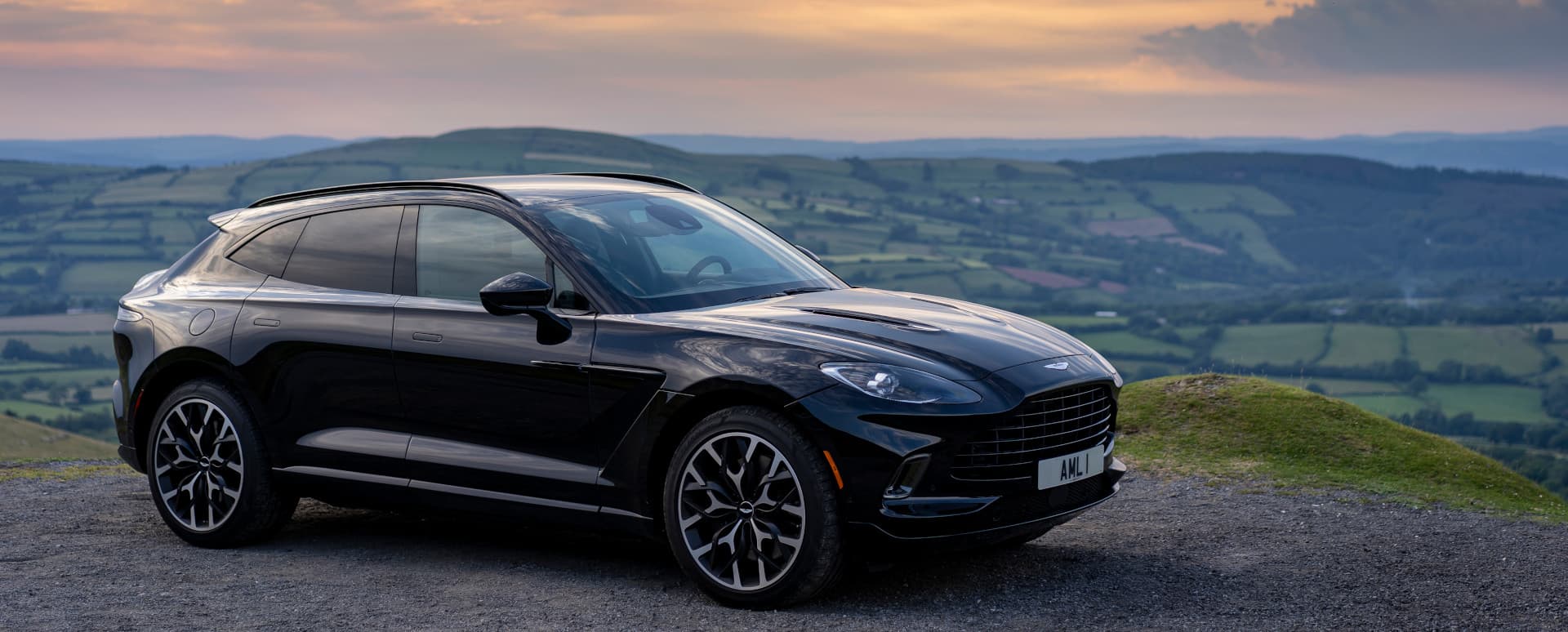
Aston Martin DBX showcasing off‑road poise
Comparative Analysis: Performance vs. Comfort
| Model | 0‑62 mph (s) | Ride Quality (1‑10) | Cargo (L) – Seats Up/Down |
|---|---|---|---|
| Range Rover | 5.4 (P400e) | 9.5 | 580 / 1,800 |
| BMW X5 | 4.9 (M60i) | 8.5 | 650 / 1,870 |
| Audi Q7 | 5.9 (55 TFSI e) | 9.0 | 865 / 2,050 |
| Mercedes GLE | 5.6 (450) | 9.2 | 630 / 2,055 |
| Porsche Cayenne | 5.0 (Turbo GT) | 7.5 | 625 / 1,710 |
| Jaguar I‑PACE | 4.8 | 8.0 | 577 / 1,453 |
| Tesla Model X | 3.9 (Plaid) | 7.8 | 804 / 2,180 |
Ride quality scores are based on a 2026 UK road‑test loop (motorway, B‑road, urban). For a side‑by‑side view of luxury models, check our luxury SUV comparisons.
Safety & Reliability Deep Dive
All listed models hold Euro NCAP five‑star ratings (2025‑2026 test protocols). Standard active safety includes:
- Automatic Emergency Braking (AEB) with pedestrian & cyclist detection
- Lane‑Keeping Assist with road‑edge detection
- Adaptive Cruise Control with Stop‑&‑Go
- 360° camera and parking sensors
Reliability data from the 2025 What Car? Reliability Survey shows:
| Brand | Overall Score (out of 100) | Common Issues |
|---|---|---|
| Land Rover | 78 | Air suspension sensors |
| BMW | 84 | Infotainment glitches |
| Audi | 86 | Minor electrical gremlins |
| Mercedes | 82 | Diesel particulate filter |
| Porsche | 88 | Few reported faults |
| Jaguar | 80 | Battery management software |
| Tesla | 81 | Build‑quality inconsistencies |
For the latest Euro NCAP methodology, visit the official Euro NCAP site.
Eco‑Friendly Premium SUVs: Hybrid & Electric Options
| Type | Representative Model | Electric‑Only Range (km) | CO₂ (g/km) | Notable Feature |
|---|---|---|---|---|
| Plug‑in Hybrid | Range Rover P400e | 48 | 32 | Off‑road EV mode |
| Plug‑in Hybrid | BMW X5 xDrive45e | 54 | 28 | Fast DC charging (50 kW) |
| Full Electric | Jaguar I‑PACE | 470 | 0 | 400 V fast charge |
| Full Electric | Tesla Model X Long Range | 560 | 0 | Supercharger V3 (250 kW) |
Hybrid models still require premium unleaded (95 RON) for optimal performance; see our note on Mercedes fuel requirements for a brand‑specific perspective.
Total Cost of Ownership (TCO) Overview
| Model | 3‑Year Depreciation (%) | Annual VED (£) | Estimated Service (£/yr) | Fuel/Electric Cost (£/yr) |
|---|---|---|---|---|
| Range Rover | 38 | 585 | 1,200 | 2,100 (PHEV) |
| BMW X5 | 35 | 585 | 1,100 | 1,950 (PHEV) |
| Audi Q7 | 34 | 585 | 1,050 | 2,000 (PHEV) |
| Mercedes GLE | 36 | 585 | 1,150 | 1,900 (PHEV) |
| Porsche Cayenne | 32 | 585 | 1,300 | 2,200 (PHEV) |
| Jaguar I‑PACE | 30 | 0 | 600 | 650 (electric) |
| Tesla Model X | 28 | 0 | 500 | 600 (electric) |
Depreciation figures are averages from CAP HPI 2025 data. Electric models benefit from zero VED and lower energy costs.
Buying Guide: Key Decision Factors
- Budget & Financing – Determine total cost (deposit, monthly, balloon).
- Primary Use – School run, towing, long‑distance touring, or city commuting.
- Powertrain Preference – Petrol, diesel, PHEV, or BEV; consider charging access.
- Space Requirements – Third‑row necessity, boot volume, roof‑rail capacity.
- Tech & Comfort Must‑Haves – Massage seats, rear‑screen entertainment, head‑up display.
- Resale Outlook – Brands with strong residual values (Porsche, Tesla) reduce TCO.
- Test‑Drive Checklist – Ride quality on broken surfaces, infotainment responsiveness, visibility.
If you’re new to the SUV segment, start with our primer on understanding SUV basics.
Future Trends Shaping the Next Generation
- 800 V Architecture – Faster charging (350 kW) arriving on 2027 models.
- Level 3 Autonomous Features – Hands‑free motorway driving pending UK regulation.
- Sustainable Materials – Recycled plastics, vegan leather, carbon‑neutral production lines.
- Over‑the‑Air Feature Unlocks – Performance upgrades, heated seats, advanced ADAS via subscription.
Frequently Asked Questions
What are the top premium SUVs in the UK for 2026?
The current leaders are the Range Rover, BMW X5, Audi Q7, Mercedes‑Benz GLE, Porsche Cayenne, Jaguar I‑PACE and Tesla Model X, each excelling in different attributes.
How much do premium SUVs cost in the UK?
Prices start around £69,000 for the Jaguar I‑PACE and exceed £108,000 for a fully‑specified Range Rover. Add options, VED and insurance for the full picture.
Are premium SUVs fuel‑efficient?
PHEV variants achieve 2.5–3.0 L/100 km (WLTP) when charged regularly. Full EVs consume ~20 kWh/100 km, translating to roughly £600‑£700 per year at domestic rates.
What features should I prioritize?
Advanced safety (AEB, lane‑keep), a high‑resolution infotainment system, adjustable air suspension, and a comprehensive warranty (minimum 3 yr/60k mi).
Is it worth buying a used premium SUV?
Certified pre‑owned programmes from Land Rover, BMW and Porsche provide extended warranties and thorough inspections, often saving 30‑40 % versus new.
Conclusion
Choosing the best premium SUV in the UK means balancing luxury, performance, practicality and running costs against your daily reality. The 2026 lineup offers a genuine spread—from the serene waft of a Range Rover to the instant torque of a Tesla Model X.
Next step: narrow your shortlist to three models, book back‑to‑back test drives on a mixed route, and compare the real‑world figures against the tables above. Your ideal SUV is waiting—make the appointment today.