
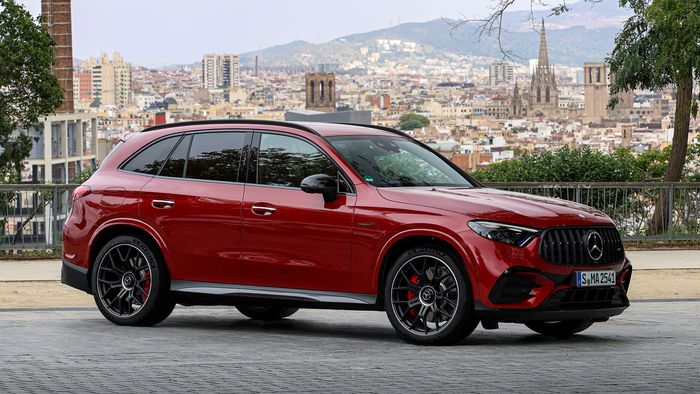
The 2025 model year introduced a fresh wave of midsize SUVs that blend track‑ready power with everyday usability. Whether you prioritize raw acceleration, cutting‑edge tech, or a plush cabin for family road trips, the five models below represent the sweet spot where performance meets practicality. All figures reflect manufacturer‑published data for the 2025 model year; real‑world numbers can vary with trim, options, and driving style.
What Defines a Midsize Performance SUV?
A midsize performance SUV sits between compact crossovers and full‑size bruisers, typically offering three rows of seating (or a spacious two‑row layout) plus a powertrain tuned for enthusiastic driving. Key criteria we used:
- Engine output – at least 350 hp from a turbocharged or supercharged unit.
- 0‑60 mph – sub‑5.5 seconds for the quickest trims.
- Chassis tuning – adaptive dampers, rear‑biased all‑wheel drive, or active torque vectoring.
- Interior quality – premium materials, large infotainment screens, and advanced driver‑assist suites.
- Practicality – ≥ 30 cu ft cargo behind the second row and a towing capacity above 5,000 lb.
Understanding the segment’s roots helps frame why these vehicles exist; the SUV evolution shows a steady shift from body‑on‑frame utility to car‑like dynamics. If you need a refresher on the basics, see our guide to SUV basics. You can also read our guide on mercedes suv.
Our Top 5 Picks for the 2025 Model Year
2025 BMW X5 M
The X5 M remains the benchmark for outright power in this class. Its 4.4‑liter twin‑turbo V8 delivers 617 hp and 553 lb‑ft of torque, launching the 5,300‑lb SUV to 60 mph in 3.8 seconds. BMW’s M‑specific xDrive system sends up to 100 % of torque to the rear axle for a playful character, while the adaptive M suspension keeps body roll in check during hard cornering. Inside, the Merino leather‑wrapped dashboard, 12.3‑inch digital cluster, and 14.9‑inch curved touchscreen run iDrive 8 with wireless Apple CarPlay/Android Auto. The optional Executive package adds rear‑seat entertainment and a panoramic sky lounge roof. Fuel economy is rated at 15 mpg city / 21 mpg highway (EPA). Pricing starts near $115,000 before options.
2025 Audi SQ5
Audi’s SQ5 swaps the previous V6 for a 3.0‑liter turbo‑charged V6 with a 48‑volt mild‑hybrid system, producing 349 hp and 369 lb‑ft. The 0‑60 sprint takes 4.7 seconds, aided by a seven‑speed dual‑clutch and quattro Ultra all‑wheel drive that can decouple the rear axle for efficiency. The S‑specific sport suspension lowers the ride by 30 mm and adds adaptive dampers. Cabin highlights include a 10.1‑inch MMI touch response screen, Bang & Olufsen 3D sound, and Valcona leather with contrast stitching. EPA estimates 19 mpg city / 26 mpg highway. Base MSRP hovers around $68,000, making it the most attainable entry on this list. You can also read our guide on top luxury suvs of.
2025 Mercedes‑AMG GLE 53
The GLE 53 bridges luxury and performance with a 3.0‑liter inline‑six turbo paired to an integrated starter‑generator (EQ Boost) for 429 hp and 384 lb‑ft. The 48‑volt system adds 21 hp on demand, shaving the 0‑60 run to 5.2 seconds. AMG Ride Control+ air suspension offers three ride modes, while the AMG Performance 4MATIC+ system biases torque rearward up to 100 %. Inside, the MBUX hyperscreen spans the dashboard, and the AMG Performance seats provide aggressive bolstering. The 2025 model also gains a standard Mercedes premium features package that includes a Burmester 3D surround system and energizing comfort controls. EPA rating: 18 mpg city / 23 mpg highway. Starting price ≈ $86,000.
2025 Porsche Macan Turbo
Porsche’s compact‑midsize crossover receives the 2.9‑liter twin‑turbo V6 from the Panamera, tuned to 434 hp and 405 lb‑ft. With the PDK dual‑clutch and Porsche Traction Management, the Macan Turbo hits 60 mph in 4.3 seconds and completes the quarter‑mile in 12.8 seconds. The chassis benefits from Porsche Active Suspension Management (PASM), rear‑axle steering, and torque vectoring plus. The driver‑focused cockpit features a 12.6‑inch curved instrument cluster, a 10.9‑inch central touchscreen, and GT‑sport steering wheel. Cargo space is modest at 27 cu ft behind the rear seats, but the Macan’s driving dynamics feel more sports‑car than SUV. EPA: 17 mpg city / 23 mpg highway. MSRP starts near $95,000. You can also read our guide on bmw x5 vs audi q7.
2025 Jaguar F‑Pace SVR
Jaguar’s flagship SVR uses a 5.0‑liter supercharged V8 producing 550 hp and 516 lb‑ft, delivering a 4.1‑second 0‑60 time and a top speed of 178 mph. The all‑wheel‑drive system with an active rear differential can send up to 100 % of torque to the rear wheels. Adaptive dynamics continuously adjust damper rates, while the Configurable Dynamics menu lets drivers tune throttle, steering, and shift points. The interior mixes Windsor leather, suedecloth headliner, and a 11.4‑inch Pivi Pro infotainment system with over‑the‑air updates. Practicality is strong: 33 cu ft behind the second row and a 5,000 lb tow rating. EPA estimates 15 mpg city / 22 mpg highway. Pricing begins around $108,000.
 All five contenders parked together for a quick visual comparison.
Quick Comparison Table
| Model | Engine | Horsepower | 0‑60 mph (sec) | EPA Combined MPG | Starting MSRP |
|---|---|---|---|---|---|
| BMW X5 M | 4.4 L twin‑turbo V8 | 617 | 3.8 | 17 | $115,000 |
| Audi SQ5 | 3.0 L turbo V6 + 48 V mild‑hybrid | 349 | 4.7 | 22 | $68,000 |
| Mercedes‑AMG GLE 53 | 3.0 L inline‑6 turbo + EQ Boost | 429 | 5.2 | 20 | $86,000 |
| Porsche Macan Turbo | 2.9 L twin‑turbo V6 | 434 | 4.3 | 19 | $95,000 |
| Jaguar F‑Pace SVR | 5.0 L supercharged V8 | 550 | 4.1 | 17 | $108,000 |
 Horsepower and acceleration figures plotted for easy cross‑reference.
How to Choose the Right One for You
- Prioritize raw speed – BMW X5 M and Jaguar F‑Pace SVR lead the pack.
- Value‑focused performance – Audi SQ5 delivers the best hp‑per‑dollar ratio.
- Daily comfort with a sporty edge – Mercedes‑AMG GLE 53 balances plush ride and agile handling.
- Driver engagement above all – Porsche Macan Turbo feels like a raised 911.
- Towing and cargo needs – F‑Pace SVR and GLE 53 offer the highest tow ratings and cargo volume.
Test‑drive each on a familiar route: a highway on‑ramp for acceleration, a twisty back road for chassis feel, and a parking lot for low‑speed maneuverability. Pay attention to seat bolstering, infotainment responsiveness, and visibility. You can also read our guide on bmw suv vs mercedes suv.
Ownership Costs & Reliability Outlook
Performance SUVs cost more to run than their mainstream siblings. Expect higher insurance premiums, premium‑fuel requirements (all five recommend 91 octane or higher), and more frequent brake and tire replacements due to heavier curb weights. According to the EPA’s fuel economy database, the combined MPG figures above translate to roughly $2,200–$2,800 in annual fuel at 2026 national averages. Maintenance schedules for German brands typically call for synthetic oil changes every 10,000 mi and brake fluid every two years. Jaguar’s supercharged V8 may require coolant flushes at 60,000 mi. Depreciation is steep in the first three years (≈ 45‑50 %); leasing can mitigate that hit if you prefer a new model every 36 months.
For a broader look at market pricing trends, see our analysis of current car price trends. You can also read our guide on luxury suv comparisons.
Frequently Asked Questions
Which 2025 midsize performance SUV has the highest horsepower?
The BMW X5 M leads with 617 hp, followed closely by the Jaguar F‑Pace SVR at 550 hp.
Are any of these models available as plug‑in hybrids?
Not for the 2025 model year. Audi offers a mild‑hybrid system on the SQ5, but full PHEV variants arrive in later refreshes.
What is the real‑world 0‑60 time for the Audi SQ5?
Independent tests typically record 4.5–4.8 seconds, slightly quicker than the factory claim thanks to the 48‑volt boost.
Do these SUVs require premium gasoline?
Yes. All manufacturers specify 91 octane minimum; using regular can reduce output and risk knock. For Mercedes‑specific fuel guidance, review our piece on Mercedes premium features.
How does cargo space compare?
The F‑Pace SVR offers the most (33 cu ft), while the Macan Turbo is the tightest (27 cu ft). Folding the second row expands each to over 60 cu ft.
Which model has the best safety scores?
All five earned Top Safety Pick+ from IIHS and 5‑star overall from NHTSA. Detailed crash‑test data is available on the NHTSA website.
Final Verdict
The 2025 midsize performance SUV segment delivers an unprecedented blend of speed, luxury, and utility. If outright acceleration and badge prestige top your list, the BMW X5 M and Jaguar F‑Pace SVR are unbeatable. For a more balanced daily driver that still thrills, the Audi SQ5 and Mercedes‑AMG GLE 53 shine. The Porsche Macan Turbo remains the enthusiast’s choice for pure driving dynamics. Whichever you pick, schedule a comprehensive test drive, compare total cost of ownership, and check the latest incentives. Ready to explore more? Browse our latest SUV news for upcoming 2026 updates and long‑term reviews.