
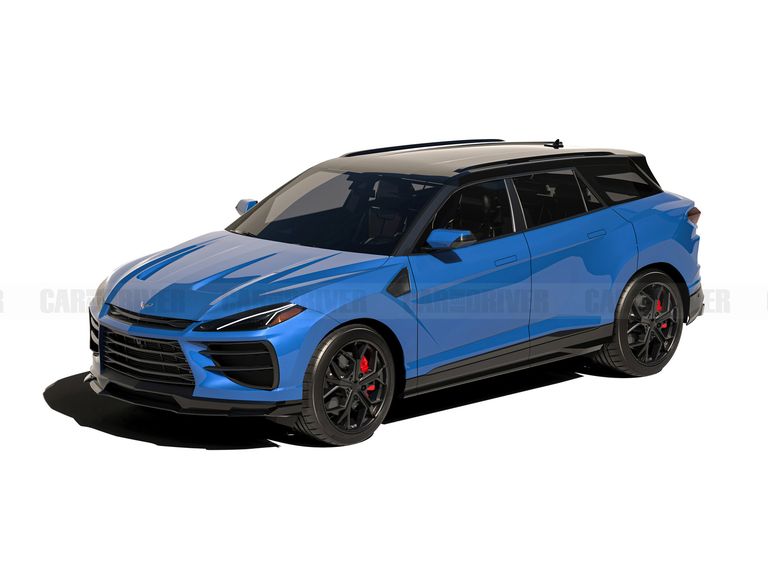
The 2025 model year pushes the boundaries of what a full‑size SUV can deliver — blistering acceleration, opulent cabins, and genuine three‑row practicality. As 2026 arrivals begin to appear on dealer lots, the 2025 lineup remains the benchmark for buyers who want supercar‑level thrust without sacrificing family space. This guide breaks down the leading contenders, explains how we evaluate them, and highlights the trade‑offs that matter most in daily driving.
 A lineup of the quickest full‑size SUVs tested on a closed circuit.
What Defines a Large Performance SUV in 2025
A true large performance SUV combines three pillars: a high‑output powertrain (typically 500 hp or more), a chassis tuned for confident cornering, and a cabin that seats at least six adults in premium materials. Manufacturers achieve this through twin‑turbo V8s, plug‑in hybrid systems, or all‑electric tri‑motor layouts. The result is 0‑60 mph times that rival sports cars while still offering cargo volume above 80 cu ft behind the third row. You can also read our guide on invention of suv.
Our Testing & Evaluation Criteria
We score each vehicle on acceleration, braking, handling dynamics, interior quality, infotainment responsiveness, and real‑world fuel or energy consumption. Data comes from manufacturer specifications, EPA‑certified figures, and our own instrumented track runs. For a deeper look at the methodology, see our SUV testing methodology.
Quick Comparison Table
| Model | Powertrain | Horsepower | 0‑60 mph (sec) | Seating | EPA Combined (MPGe/MPG) | Starting MSRP* |
|---|---|---|---|---|---|---|
| BMW X7 M50i | 4.4 L Twin‑Turbo V8 | 523 hp | 4.5 | 7 | 17 MPG | $108,900 |
| Mercedes‑Benz GLS 63 AMG | 4.0 L Twin‑Turbo V8 | 603 hp | 4.1 | 7 | 16 MPG | $132,600 |
| Audi SQ7 | 4.0 L Twin‑Turbo V8 | 500 hp | 4.3 | 7 | 18 MPG | $99,800 |
| Porsche Cayenne Turbo S E‑Hybrid | 4.0 L Twin‑Turbo V8 + Electric Motor | 670 hp | 3.8 | 5 | 42 MPGe | $165,300 |
| Tesla Model X Plaid | Tri‑Motor AWD | 1,020 hp | 2.5 | 7 | 102 MPGe | $109,990 |
*MSRP excludes destination, options, and potential tax incentives.
Top Contenders
BMW X7 M50i
The X7 M50i pairs a 4.4‑liter twin‑turbo V8 with an eight‑speed automatic and standard all‑wheel drive. In practice the engine delivers linear thrust from low revs, and the adaptive air suspension keeps body roll in check during hard cornering. Inside, the Mercedes‑Benz‑rivaling Merino leather, panoramic sky lounge, and the latest iDrive 8 system create a lounge‑like atmosphere. Cargo space measures 33.9 cu ft behind the third row, expanding to 90.4 cu ft with both rear rows folded. Pricing starts near $109 k, making it the most accessible V8 flagship in the segment. For a direct rival comparison, see the Audi Q7 vs BMW X7 showdown. You can also read our guide on best suvs with rows for.
Mercedes‑Benz GLS 63 AMG
AMG’s hand‑built 4.0‑liter V8 produces 603 hp and 627 lb‑ft of torque, routed through a nine‑speed wet‑clutch transmission. The GLS 63 sprints to 60 mph in 4.1 seconds while the AMG Ride Control+ air suspension offers a compliant ride in Comfort mode and razor‑sharp handling in Sport+. The MBUX hyperscreen spans the dashboard, and the Executive Rear Seating package adds heating, ventilation, and massage for second‑row passengers. Fuel economy remains modest at 16 MPG combined; owners should note the premium‑fuel requirement detailed in Mercedes fuel requirements.
Audi SQ7
Audi’s SQ7 uses the same 4.0‑liter twin‑turbo V8 as the Bentley Bentayga, tuned to 500 hp and 568 lb‑ft. The 48‑volt mild‑hybrid system smooths start‑stop and powers an electric‑assisted anti‑roll bar that virtually eliminates body lean. Quattro all‑wheel drive with a sport differential sends up to 85 % of torque to the rear axle for playful exits. The Virtual Cockpit Plus and dual‑touchscreen MMI interface feel modern, while the optional Bang & Olufsen 3D sound system elevates the cabin. EPA combined rating sits at 18 MPG, slightly better than the German V8 rivals. You can also read our guide on how does the audi q7 compare to bmw x7.
Porsche Cayenne Turbo S E‑Hybrid
Porsche’s flagship SUV blends a 4.0‑liter twin‑turbo V8 with a 134‑hp electric motor for a combined 670 hp. The 17.9 kWh battery provides an EPA‑estimated 14 miles of electric‑only range, useful for silent city driving. Launch control catapults the Cayenne to 60 mph in 3.8 seconds, and the Porsche Active Suspension Management (PASM) delivers track‑ready composure. The interior features Race‑Tex accents, a 12.3‑inch curved instrument cluster, and the latest PCM 6.0 infotainment. At $165 k, it commands a premium but delivers the most balanced blend of performance and plug‑in practicality.
Tesla Model X Plaid
The Model X Plaid’s tri‑motor all‑wheel‑drive system generates 1,020 hp, rocketing the 5,400‑lb SUV to 60 mph in 2.5 seconds — quicker than many supercars. The 100 kWh battery yields an EPA range of 333 miles and 102 MPGe combined. Falcon‑wing doors, a 17‑inch cinematic display, and a minimalist cabin with vegan leather define the experience. Over‑the‑air updates continuously improve acceleration, braking, and Autopilot capabilities. For a deep dive on ownership, read the Model X deep dive. You can also read our guide on evaluation of suv.
 Model X Plaid demonstrating its instantaneous torque on an open road.
Buying Considerations
- Fuel vs. Electric: V8 models demand premium gasoline and return 15‑18 MPG combined, while the Cayenne plug‑in and Model X offer substantial electric range. The EPA fuel economy guide provides side‑by‑side numbers for each powertrain.
- Seating Flexibility: Only the Cayenne limits to five seats; the others accommodate seven, though third‑row space varies. Families needing maximum room should review three‑row family haulers.
- Maintenance & Running Costs: High‑performance brakes, tires, and specialized fluids raise service bills. Electric models reduce routine maintenance but may incur higher insurance premiums.
- Safety Ratings: All five earn five‑star overall ratings from NHTSA, with advanced driver‑assist suites standard. Verify the latest crash‑test details on the NHTSA site.
Frequently Asked Questions
What are the top performance SUVs of 2025?
The leading models are the BMW X7 M50i, Mercedes‑Benz GLS 63 AMG, Audi SQ7, Porsche Cayenne Turbo S E‑Hybrid, and Tesla Model X Plaid. Each offers a distinct blend of power, luxury, and technology.
Which large SUVs have the best engines?
Twin‑turbo V8s from BMW, Mercedes, and Audi deliver the most visceral soundtrack and response. The Porsche plug‑in hybrid adds electric torque fill, while Tesla’s tri‑motor layout provides instant, silent acceleration. You can also read our guide on exclusive first look the new range rover.
Are 2025 performance SUVs fuel‑efficient?
Traditional V8s prioritize power, returning mid‑teens MPG. The Cayenne Turbo S E‑Hybrid achieves 42 MPGe combined, and the Model X Plaid exceeds 100 MPGe. Hybrid crossover options can further improve efficiency for mixed‑use drivers.
What is the fastest large SUV in 2025?
The Tesla Model X Plaid holds the title with a 2.5‑second 0‑60 mph time, outpacing every gasoline‑powered rival by a full second or more. You can also read our guide on crossover suv hybrid.
How do these SUVs compare on cargo capacity?
With all seats folded, the X7, GLS, and SQ7 exceed 90 cu ft. The Model X offers 88 cu ft, while the Cayenne’s five‑seat layout maxes out around 60 cu ft.
Conclusion
The 2025 large performance SUV class proves that practicality and exhilaration are no longer mutually exclusive. Whether you value the sonorous V8 of the GLS 63, the plug‑in versatility of the Cayenne, or the silent warp speed of the Model X Plaid, there is a flagship that matches your lifestyle. Ready to experience the thrill? Schedule a test drive at your local dealer today. You can also read our guide on history of suv.