

Choosing between a premium car and a standard SUV remains one of the most common dilemmas for buyers in 2026. Premium sedans and coupes still lead on refined materials, cutting‑edge driver‑assist tech, and a driving feel tuned for pavement. Standard SUVs answer with flexible seating, generous cargo room, and a higher driving position that many families find indispensable. This guide breaks down every decisive factor — interior quality, performance, safety, ownership cost, and resale — so you can match the vehicle to your daily reality.
Defining the Categories
What Counts as a Premium Car in 2026
A premium car today is defined less by badge alone and more by the level of standard equipment: genuine leather, multi‑zone climate control, adaptive suspension, and a suite of Level‑2+ driver aids. Brands such as BMW, Mercedes‑Benz, Audi, Genesis, and Lexus set the benchmark, but several mainstream makers now offer “premium‑trim” models that blur the line. In practice, the price ceiling for a true premium sedan starts around $45,000 and can exceed $100,000 for flagship trims.
What Defines a Standard SUV Today
A standard (non‑luxury) SUV typically rides on a unibody platform, seats five to seven, and targets a $30,000–$45,000 transaction price. Models like the Toyota RAV4, Honda CR‑V, Ford Escape, and Hyundai Tucson dominate this segment. They prioritize cargo versatility, easy ingress/egress, and available all‑wheel drive over outright acceleration. For a deeper look at the segment’s roots, see the SUV evolution timeline.
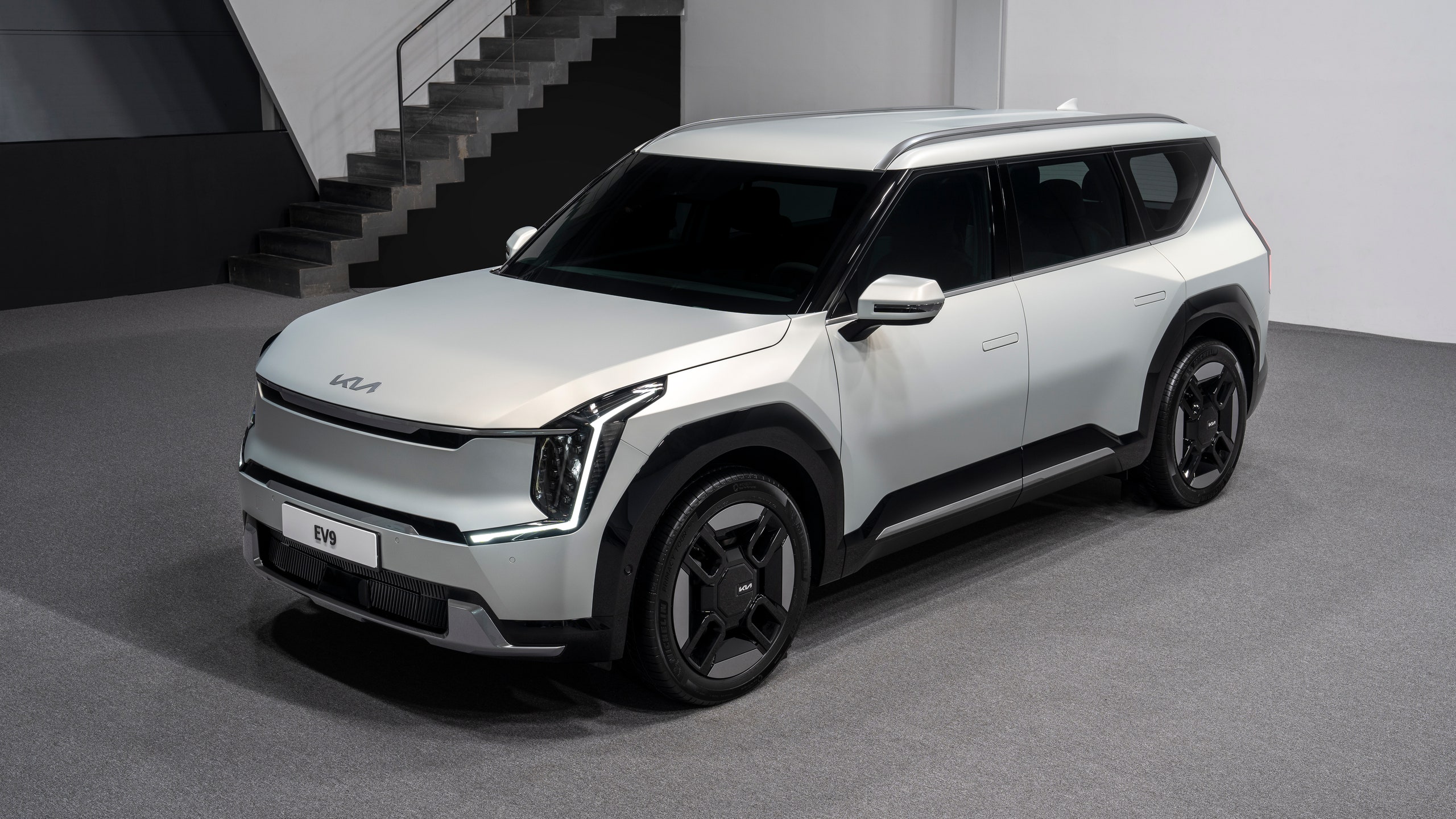 Kia EV9’s spacious cabin illustrates modern SUV versatility.
Interior Quality & Technology
Materials, Craftsmanship, and Comfort
Premium cabins use top‑grain leather, open‑pore wood, brushed aluminum, and soft‑touch surfaces on every panel. Stitching patterns are consistent, switchgear operates with a damped feel, and seats often offer 20‑way power adjustment with memory. Standard SUVs rely on high‑quality synthetic leather, textured plastics, and cloth in lower trims; the fit is solid but lacks the tactile richness of a true luxury interior. In practice, buyers who spend hours behind the wheel notice the difference on long trips — reduced fatigue, quieter NVH, and better lumbar support.
Infotainment, Connectivity, and Driver Aids
Flagship premium cars now ship with 12‑inch+ curved OLED clusters, wireless Apple CarPlay/Android Auto, over‑the‑air updates, and integrated 5G hotspots. Advanced head‑up displays project navigation onto the windshield, and AI‑based voice assistants control climate, media, and even parking. Standard SUVs have caught up on screen size (10‑inch touchscreens are common) but often omit wireless projection, OTA updates, or the depth of natural‑language voice control. For a concrete example of premium‑trim tech, review the Mercedes C300 premium package details.
Performance, Efficiency, and Powertrain Choices
Engine Output and Handling Dynamics
| Vehicle Type | Typical Horsepower | 0‑60 mph (sec) | Handling Character |
|---|---|---|---|
| Premium Sedan/Coupe | 250‑600+ | 3.5‑6.0 | Precise steering, low roll |
| Standard SUV | 180‑300 | 6.5‑9.0 | Stable, higher center of gravity |
Premium models frequently employ turbo‑charged 2.0‑L fours, 3.0‑L inline‑six, or V8 engines paired with 8‑10‑speed automatics or dual‑clutch units. Standard SUVs lean on naturally aspirated or modestly boosted 2.5‑L fours and CVTs or 8‑speed automatics. The result: premium cars deliver sharper turn‑in and stronger passing power, while SUVs favor composure on uneven surfaces.
Fuel Economy, Hybrid/EV Options, and Emissions
| Powertrain | Combined MPG (EPA) | CO₂ (g/mi) |
|---|---|---|
| Premium Gas Sedan | 24‑30 | 210‑260 |
| Premium Plug‑in Hybrid | 55‑70 MPGe | 80‑120 |
| Standard Gas SUV | 22‑27 | 230‑280 |
| Standard Hybrid SUV | 38‑42 | 150‑180 |
| Standard EV SUV | 90‑110 MPGe | 0 (tailpipe) |
Electrification is reshaping both camps. The EPA fuel‑economy guide shows that plug‑in hybrid premium sedans now match or beat many standard hybrid SUVs on combined MPGe. If fuel cost is a primary driver, a standard hybrid SUV such as the Toyota RAV4 Hybrid XLE Premium review offers a compelling middle ground.
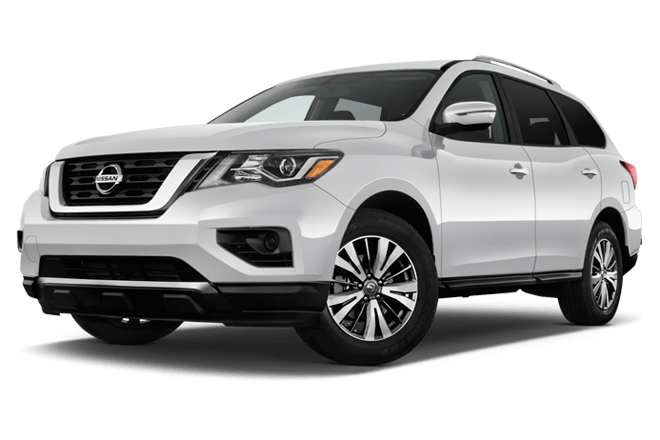 Nissan Pathfinder exemplifies a standard SUV’s practical proportions.
Space, Versatility, and Practicality
Passenger and Cargo Capacity
- Premium sedan: 5 passengers, 13‑15 cu ft trunk.
- Premium SUV (e.g., Genesis GV80): 5‑7 passengers, 34‑55 cu ft behind first row.
- Standard SUV (5‑seat): 5 passengers, 30‑40 cu ft behind second row.
- Standard SUV (7‑seat): 7 passengers, 15‑20 cu ft behind third row, up to 70 cu ft with rows folded.
The fold‑flat second‑ and third‑row seats in most standard SUVs create a near‑flat load floor — ideal for bulky gear, strollers, or DIY supplies. Premium SUVs match this flexibility but often sacrifice third‑row headroom for sloping rooflines.
Configurability and Towing
Standard SUVs frequently offer tow packages rated 3,500‑5,000 lb with factory‑installed hitch wiring. Premium SUVs can tow similar weights but may require optional air suspension to maintain ride height. If you regularly haul a trailer, verify the specific model’s tow rating and cooling upgrades.
Safety Systems and Crash‑Test Performance
Advanced Driver‑Assistance Features
Both segments now include automatic emergency braking, blind‑spot monitoring, lane‑keeping assist, and adaptive cruise control as standard. Premium cars add:
- Traffic‑jam assist (hands‑free up to 40 mph)
- Evasive‑steering assist
- Night‑vision with pedestrian detection
- 360° camera with 3D view
Standard SUVs typically stop at Level‑2 functionality; hands‑free highway driving remains rare outside luxury brands.
NHTSA and IIHS Ratings
| Vehicle Class | NHTSA Overall | IIHS Top Safety Pick+ |
|---|---|---|
| Premium Sedan | 5 ★ | Frequent |
| Premium SUV | 5 ★ | Frequent |
| Standard SUV | 4‑5 ★ | Common (Top Safety Pick) |
The NHTSA crash‑test program and IIHS safety ratings consistently award top marks to premium models thanks to stronger occupant cells and more comprehensive active‑safety suites. Standard SUVs perform well but rarely achieve the “+” designation.
Ownership Costs: Maintenance, Repairs, and Insurance
Routine Service Expenses
| Service | Premium Car (avg.) | Standard SUV (avg.) |
|---|---|---|
| Synthetic oil change | $120‑$180 | $45‑$70 |
| Tire rotation & balance | $60‑$100 | $30‑$55 |
| Brake pad/rotor (front) | $350‑$800 | $180‑$400 |
| Cabin air filter | $40‑$70 | $25‑$45 |
Premium vehicles demand manufacturer‑spec fluids and often require dealer‑only diagnostics, inflating routine costs. Standard SUVs share parts across high‑volume platforms, keeping independent‑shop pricing low.
Warranty Coverage and Long‑Term Repair Outlook
- Premium: 4 yr/50,000 mi basic, 6 yr/70,000 mi powertrain; limited complimentary maintenance (often 1‑2 yr).
- Standard: 3 yr/36,000 mi basic, 5 yr/60,000 mi powertrain; some brands (Toyota, Hyundai) add 2 yr/25,000 mi free maintenance.
Extended warranties are pricier for premium models because repair complexity (e.g., adaptive suspension, laser headlights) drives higher claim severity.
Insurance Premium Differences
Insurers rate premium cars higher due to repair cost, theft frequency, and driver‑profile assumptions. Expect 15‑30 % higher annual premiums for a comparable premium sedan versus a standard SUV. Shopping multi‑policy discounts and usage‑based programs can narrow the gap.
Resale Value and Depreciation Trends (2026 Data)
| Segment | 3‑Year Retention | 5‑Year Retention | Key Drivers |
|---|---|---|---|
| Premium Sedan | 55‑60 % | 45‑50 % | Brand cachet, limited supply |
| Premium SUV | 58‑63 % | 48‑53 % | High demand, strong CPO programs |
| Standard SUV | 50‑55 % | 40‑45 % | Volume, fleet sales, faster model cycles |
Premium vehicles benefit from certified‑pre‑owned (CPO) programs that prop up auction values. Standard SUVs depreciate faster once new‑generation redesigns arrive, but high‑volume models (RAV4, CR‑V) retain a solid floor.
Total Cost of Ownership Comparison (5‑Year, 75,000 mi)
| Cost Category | Premium Sedan | Premium SUV | Standard SUV |
|---|---|---|---|
| Purchase (incl. tax/fees) | $55,000 | $60,000 | $38,000 |
| Fuel (avg. $3.80/gal) | $9,200 | $10,500 | $8,800 |
| Maintenance & Repairs | $4,800 | $5,200 | $2,900 |
| Insurance (annual avg.) | $2,200 | $2,400 | $1,600 |
| Depreciation (loss) | $27,500 | $30,000 | $19,000 |
| Total 5‑Year Cost | $98,700 | $108,100 | $70,300 |
Figures are illustrative; actual numbers vary by region, trim, and driving habits.
Lifestyle Fit: Decision Framework
Daily Commute vs Family Duty
- Solo/dual commuter, 30+ mi highway: Premium sedan wins on comfort, NVH, and fuel economy.
- Family of 4‑5, school runs, weekend gear: Standard SUV’s third row and flat load floor are decisive.
Off‑Road Needs vs On‑Road Refinement
- Light trails, snow belts: Standard SUV with AWD and decent ground clearance (7‑8 in) suffices.
- Serious off‑roading: Look beyond both segments to body‑on‑frame models (e.g., 4Runner, Wrangler).
- Track days, canyon carving: Premium sedan’s chassis tuning and tire options excel.
Budget and Financing Considerations
Current vehicle pricing trends show modest softening in premium lease rates but elevated interest rates on loans. If cash flow is tight, a standard SUV’s lower transaction price and cheaper insurance keep monthly outlay manageable. For buyers who can absorb higher upfront cost, premium CPO units often deliver near‑new experience at a 30‑40 % discount.
Test‑Drive Checklist
- Adjust seat, steering wheel, and mirrors — note visibility and blind‑spot size.
- Drive a mixed route: highway, city stop‑and‑go, and a rough pavement section.
- Test infotainment voice commands, wireless phone pairing, and navigation response.
- Evaluate second‑row legroom and third‑row access (if applicable).
- Listen for wind, tire, and engine noise at 70 mph.
- Perform a panic‑stop test (safe area) to feel brake pedal modulation.
- Check cargo floor height and ease of folding seats.
Frequently Asked Questions
What Are the Key Differences Between Premium Cars and Standard SUVs?
Premium cars prioritize high‑grade materials, advanced driver‑assist suites, and dynamic handling. Standard SUVs emphasize passenger/cargo flexibility, higher ride height, and lower purchase price. The choice hinges on whether you value refinement or utility more.
Which Is More Fuel‑Efficient, Premium Cars or Standard SUVs?
In 2026, premium plug‑in hybrids and EVs often surpass standard gas SUVs on MPGe. However, a standard hybrid SUV (e.g., RAV4 Hybrid) can match or beat a premium gas sedan on combined MPG. Compare specific powertrains rather than segment averages.
Are Premium Cars Safer Than Standard SUVs?
Both earn top NHTSA/IIHS scores, but premium models more frequently receive Top Safety Pick+ thanks to additional active‑safety hardware (night vision, evasive steering). Standard SUVs still provide excellent crash protection; the gap is in avoidance technology.
Which Offers Better Performance, Premium Cars or Standard SUVs?
Premium cars deliver quicker acceleration, sharper steering, and lower body roll. Standard SUVs trade outright speed for stability, towing capacity, and all‑weather traction. Enthusiast drivers lean premium; utility‑focused buyers lean SUV.
How Do Maintenance Costs Compare Over Five Years?
Expect $4,500‑$5,500 for a premium sedan versus $2,500‑$3,500 for a standard SUV. The difference stems from synthetic fluids, dealer‑only parts, and more complex electronics.
What About Resale Value After Five Years?
Premium vehicles retain 45‑53 % of MSRP; standard SUVs hold 40‑45 %. Certified‑pre‑owned programs and brand perception buoy premium residuals.
Conclusion
The “luxury versus practicality” debate has no universal winner — only the right tool for your life. If your daily drive rewards quiet refinement, cutting‑edge tech, and a connection to the road, a premium car (or premium SUV) pays dividends in comfort and pride of ownership. If you need configurable space, affordable upkeep, and the confidence of a higher seating position for family duties, a standard SUV remains the pragmatic champion. Weigh the total‑cost‑of‑ownership table against your mileage, passenger count, and terrain, then schedule back‑to‑back test drives to feel the difference yourself.
Ready to see real‑world numbers? Compare current lease incentives on premium sedans and standard SUVs to find the sweet spot for your budget.
Related Guides & Resources
For deeper dives on specific models and ownership topics, explore these resources:
- SUV fundamentals — understand the segment’s definition and variations at what defines an SUV.
- Historical context — trace the origins of the body style in our SUV invention timeline.
- Model-specific hybrid detail — see how Toyota’s three-row hybrid stacks up in the Highlander Hybrid deep dive.
- Luxury SUV benchmarks — compare flagship contenders in the 2024 luxury SUV roundup.
- Market pricing insights — track transaction trends with our current price analysis.