

Luxury crossovers continue to dominate the premium‑vehicle landscape because they blend car‑like handling with SUV versatility. The 2025 model year brings sharper infotainment, more electrified powertrains, and advanced driver‑assist suites that were optional just a year ago. Below you’ll find a data‑driven rundown of the five strongest contenders, the criteria we used to rank them, and practical advice for turning a shortlist into a purchase.
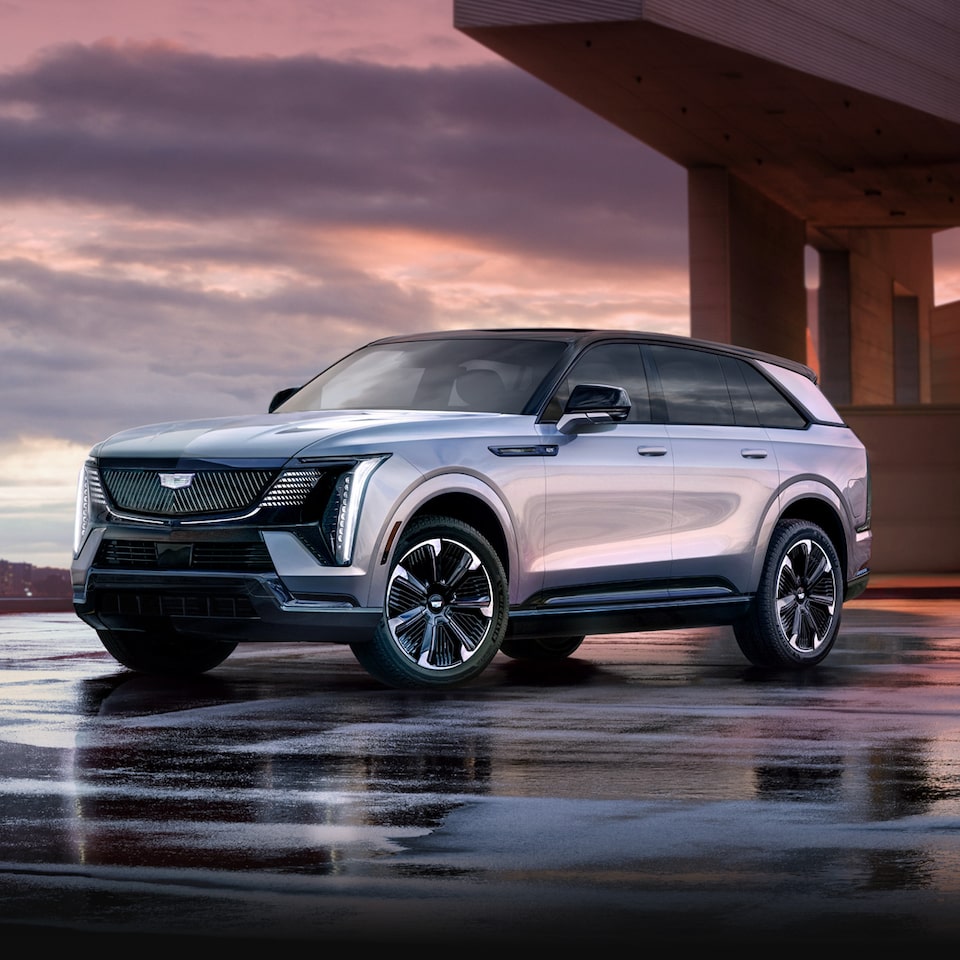 Cadillac Escalade IQ showcases the future of electric luxury crossovers.
Why Choose a Luxury Crossover SUV?
A luxury crossover delivers a refined ride, generous cargo space, and a commanding driving position without the bulk of a traditional body‑on‑frame SUV. Manufacturers now fit these platforms with adaptive air suspension, multi‑zone climate control, and semi‑autonomous highway assists that make long trips feel effortless. For buyers who want the prestige of a badge plus the practicality of a family hauler, the segment hits a sweet spot that sedans and full‑size SUVs can’t match. Understanding the segment’s roots helps clarify why today’s models feel so polished; the SUV evolution timeline traces that progression, while a quick primer on defining the segment outlines the core attributes every shopper should expect. You can also read our guide on top luxury suvs of.
Key Buying Criteria for 2025 Models
| Criterion | Why It Matters | What to Look For in 2025 |
|---|---|---|
| Powertrain Variety | Buyers can choose turbo‑four, inline‑six, V‑8, plug‑in hybrid, or full EV | At least two electrified options per brand |
| Driver‑Assist Tech | Reduces fatigue on highways and improves safety scores | Standard adaptive cruise, lane‑centering, and automated parking |
| Interior Materials | Directly impacts perceived quality and resale | Real wood, semi‑aniline leather, and soft‑touch surfaces on all touchpoints |
| Infotainment Speed | Laggy screens frustrate daily use | Snapdragon‑class processors, wireless Apple CarPlay/Android Auto, OTA updates |
| Cargo Flexibility | Families need configurable space | 40/20/40 split rear seats, low load floor, hands‑free liftgate |
| Ownership Costs | Luxury maintenance can be pricey | Transparent service intervals, generous warranty, strong residual values |
How We Evaluated the Contenders
Our rankings combine manufacturer specifications, EPA fuel‑economy data, IIHS crash‑test results, and real‑world feedback from owners’ forums. Each vehicle was scored on performance (0‑60 mph, handling balance), efficiency (combined MPGe or MPG), interior quality (materials, noise isolation), technology (screen responsiveness, connectivity), and value (price‑to‑equipment ratio). No single metric outweighs the others; the final order reflects the best overall compromise for a typical luxury‑crossover buyer.
Top 5 Luxury Crossover SUVs for 2025
1. BMW X5
The X5 remains the benchmark for sporty dynamics in this class. Its 3.0‑liter TwinPower Turbo inline‑six delivers 335 hp and 330 lb‑ft, paired with an eight‑speed automatic that shifts imperceptibly. The optional xDrive all‑wheel‑drive system adds a rear‑biased torque split for engaging cornering. Inside, the Live Cockpit Professional spans a 12.3‑inch digital cluster and a 14.9‑inch central display, both running the latest iDrive 8.5 with natural‑voice control. Ride quality on the standard adaptive air suspension is composed, yet the M‑Sport package sharpens body control without harshness. For a direct comparison with its closest rival, see our side‑by‑side showdown.
| Spec | Detail |
|---|---|
| Engine | 3.0 L TwinPower Turbo I‑6 |
| Horsepower | 335 hp |
| Torque | 330 lb‑ft |
| 0‑60 mph | 5.3 s (xDrive45e plug‑in hybrid: 4.8 s) |
| EPA Combined | 23 mpg (gas) / 56 MPGe (PHEV) |
| Cargo (seats up) | 33.9 cu ft |
| Starting MSRP | $66,000 |
2. Audi Q7
Audi’s flagship three‑row crossover leans into technology and quattro all‑wheel drive. The 3.0‑liter V‑6 turbo produces 335 hp and 369 lb‑ft, routed through a seven‑speed dual‑clutch that offers snappy shifts. The virtual cockpit plus MMI touch response gives a cockpit‑like feel, while the available Bang & Olufsen 3D sound system elevates the cabin ambience. Standard safety includes Audi pre‑sense front and rear, adaptive cruise assist, and intersection assist. The third row is tighter than the X5’s but usable for children or short trips.
| Spec | Detail |
|---|---|
| Engine | 3.0 L Turbo V‑6 |
| Horsepower | 335 hp |
| Torque | 369 lb‑ft |
| 0‑60 mph | 5.7 s |
| EPA Combined | 21 mpg |
| Cargo (seats up) | 25.4 cu ft |
| Starting MSRP | $60,000 |
3. Mercedes‑Benz GLE
The GLE blends opulent comfort with a tech‑forward MBUX system that now supports augmented‑reality navigation. The base GLE 350 uses a 2.0‑liter turbo‑four (255 hp, 273 lb‑ft) while the GLE 450 adds a 3.0‑liter inline‑six with EQ Boost mild‑hybrid (362 hp, 369 lb‑ft). Air‑body control suspension reads the road ahead and adjusts damping in milliseconds, delivering a magic‑carpet ride. Interior highlights include available ENERGIZING comfort control, 64‑color ambient lighting, and a 12.3‑inch driver display paired with a 12.3‑inch central touchscreen. For a broader look at the brand’s 2024 SUV lineup, explore the latest Mercedes lineup.
| Spec | Detail |
|---|---|
| Engine (base) | 2.0 L Turbo I‑4 |
| Horsepower (base) | 255 hp |
| Torque (base) | 273 lb‑ft |
| 0‑60 mph (base) | 6.8 s |
| EPA Combined (base) | 22 mpg |
| Cargo (seats up) | 33.5 cu ft |
| Starting MSRP | $58,000 |
4. Volvo XC90
Volvo’s safety‑first philosophy shines in the XC90. The T6 AWD pairs a 2.0‑liter turbo‑and‑supercharged four‑cylinder with 316 hp and 295 lb‑ft, while the Recharge plug‑in hybrid adds an electric motor for 455 hp combined. Pilot Assist handles steering, acceleration, and braking on well‑marked highways up to 80 mph. The minimalist Scandinavian cabin uses sustainable materials like Nordic leather‑free upholstery and reclaimed wood. Cargo space is class‑leading with all rows folded (85.7 cu ft). Fuel economy for the T6 sits at 23 mpg combined; the Recharge achieves 58 MPGe.
| Spec | Detail |
|---|---|
| Engine (T6) | 2.0 L Turbo+Supercharged I‑4 |
| Horsepower (T6) | 316 hp |
| Torque (T6) | 295 lb‑ft |
| 0‑60 mph (T6) | 6.2 s |
| EPA Combined (T6) | 23 mpg |
| Cargo (seats up) | 15.8 cu ft |
| Starting MSRP | $56,000 |
5. Lexus RX
The RX 350h hybrid leads the lineup with a 2.5‑liter four‑cylinder plus two electric motors delivering 246 hp combined. Lexus’ new “Lexus Interface” multimedia runs on a 14‑inch touchscreen with cloud‑based navigation and hey‑Lexus voice assistant. The F Sport Handling trim adds adaptive variable suspension and rear‑wheel steering for surprising agility. Reliability scores from J.D. Power consistently place the RX at the top of the luxury segment, and its 20‑year/200,000‑mile hybrid battery warranty adds peace of mind. Combined fuel economy reaches 36 mpg, the highest in this group.
| Spec | Detail |
|---|---|
| Engine (RX 350h) | 2.5 L I‑4 Hybrid |
| System Horsepower | 246 hp |
| 0‑60 mph | 7.2 s |
| EPA Combined | 36 mpg |
| Cargo (seats up) | 18.4 cu ft |
| Starting MSRP | $50,000 |
Detailed Comparison Table
| Model | Base Powertrain | Combined MPG/MPGe | 0‑60 mph | Cargo (seats up) | Starting MSRP |
|---|---|---|---|---|---|
| BMW X5 | 3.0 L I‑6 Turbo | 23 mpg / 56 MPGe (PHEV) | 5.3 s | 33.9 cu ft | $66,000 |
| Audi Q7 | 3.0 L V‑6 Turbo | 21 mpg | 5.7 s | 25.4 cu ft | $60,000 |
| Mercedes GLE | 2.0 L I‑4 Turbo | 22 mpg | 6.8 s | 33.5 cu ft | $58,000 |
| Volvo XC90 | 2.0 L Twin‑charged I‑4 | 23 mpg / 58 MPGe (Recharge) | 6.2 s | 15.8 cu ft | $56,000 |
| Lexus RX | 2.5 L I‑4 Hybrid | 36 mpg | 7.2 s | 18.4 cu ft | $50,000 |
Ownership Costs, Reliability & Resale Value
Luxury crossovers depreciate faster than mainstream models, but the gap narrows for hybrids and vehicles with strong brand loyalty. Lexus historically retains ~55 % of its value after three years, while BMW and Audi hover near 48 %. Maintenance plans vary: BMW offers three‑year/36,000‑mile free scheduled service, Mercedes includes four‑year/50,000‑mile, and Lexus provides two‑year/20,000‑mile complimentary care. Extended warranties are worth considering for turbocharged engines, especially if you plan to keep the vehicle beyond the factory coverage. Insurance premiums track MSRP and repair costs; expect $1,800–$2,400 annually for a 2025 model with a clean record.
Frequently Asked Questions
What are the top luxury crossover SUVs for 2025?
The BMW X5, Audi Q7, Mercedes‑Benz GLE, Volvo XC90, and Lexus RX lead the segment based on performance, technology, safety, and ownership satisfaction.
Which 2025 luxury crossover has the best interior?
The Range Rover Velar sets a high bar for design and materials; for a first‑hand look at its latest cabin, check the first look at Velar.
What is the most reliable luxury SUV for 2025?
Lexus RX consistently tops reliability surveys, backed by a long‑term hybrid battery warranty and low cost‑of‑ownership data.
Which 2025 luxury crossover offers the best fuel economy?
The Lexus RX 350h hybrid delivers 36 mpg combined, while the Volvo XC90 Recharge and BMW X5 xDrive45e provide strong plug‑in hybrid efficiency.
Are there fully electric luxury crossovers for 2025?
Yes — the Cadillac Escalade IQ, Genesis GV80 EV, and BMW iX all launch as 2025 model‑year electric crossovers, each offering over 300 miles EPA range.
Final Verdict & Next Steps
Choosing the right luxury crossover hinges on prioritizing driving dynamics, tech integration, or long‑term value. The BMW X5 excels for enthusiasts, the Audi Q7 for tech lovers, the Mercedes GLE for ride comfort, the Volvo XC90 for safety purists, and the Lexus RX for dependable efficiency. Test‑drive at least two contenders back‑to‑back to feel the differences in suspension tuning and infotainment responsiveness. Ready to experience them yourself? Schedule a test‑drive at a nearby dealership this week and compare real‑world impressions before you commit.