
SUVs are more than just vehicles—they’re mobile homes for families, adventurers, and, increasingly, pets. Whether you’re driving your golden retriever to the dog park, taking your cat on a road trip, or simply running errands with your furry companion, protecting your SUV’s interior is essential. Pet hair, muddy paws, scratches, and accidents can quickly turn a clean cabin into a mess. That’s where a high-quality SUV pet seat cover comes in.
This comprehensive buying guide is designed to help you make an informed decision when selecting the best pet seat cover for your SUV. Whether you’re a first-time pet parent or a seasoned road-tripper with multiple animals, understanding what to look for can save you time, money, and frustration. We’ll walk you through the most important factors—from material durability and ease of cleaning to safety features and fit—so you can choose a cover that truly meets your needs. The market is flooded with options, ranging from budget-friendly basics to premium, multi-functional designs, and it’s easy to get overwhelmed. Our goal is to cut through the noise and give you expert-level insights that prioritize both your pet’s comfort and your vehicle’s longevity.
By the end of this guide, you’ll know exactly what to look for in a pet seat cover, how to avoid common pitfalls, and which models offer the best value for your budget. We’ll compare different types of covers, break down price ranges, and share pro tips for getting the most out of your purchase. Whether you drive a compact crossover like a Honda CR-V or a full-size SUV like a Chevrolet Tahoe, this guide will help you find a solution that fits your lifestyle, your pet, and your vehicle.
What to Look for When Buying Buying Guide
1. Material Quality & Durability
The material of your pet seat cover is arguably the most critical factor. It determines how well the cover resists wear and tear, how easy it is to clean, and how comfortable it is for your pet. Look for covers made from heavy-duty, tear-resistant fabrics such as 600D or 1000D polyester, which are commonly used in outdoor gear and luggage. These materials can withstand sharp claws, constant movement, and frequent washing without fraying or thinning. For a broader understanding of SUVs, check out our SUV guide.
Avoid thin, flimsy fabrics that may rip after just a few uses. Instead, opt for multi-layered designs that include a waterproof backing—typically made from TPU (thermoplastic polyurethane) or PVC—to prevent liquids from seeping into your seats. Some premium covers also feature a non-slip bottom layer, often made from silicone or rubberized mesh, which keeps the cover securely in place even when your dog shifts around during the drive.
Another consideration is breathability. While waterproofing is essential, a cover that traps heat can make your pet uncomfortable, especially on long drives or in warm weather. Look for materials with breathable linings or mesh panels that allow airflow while still protecting your seats. For example, some top-tier covers use a combination of quilted fabric on top for comfort and a waterproof membrane underneath for protection.
Durability also extends to stitching and construction. Double or triple stitching along the edges and seams significantly increases the lifespan of the cover. Reinforced anchor points where straps or hooks attach to the seat are equally important—these areas endure the most stress and are common failure points in lower-quality products.
2. Fit & Compatibility with Your SUV
Not all pet seat covers are created equal when it comes to fit. A cover that works perfectly in a Toyota RAV4 might hang loosely or bunch up in a Ford Explorer. That’s why it’s crucial to choose a cover designed specifically for SUVs or one that offers adjustable sizing. To learn about the evolution of SUVs, see our history article.
Measure your rear seat area—including the width, depth, and headrest spacing—before purchasing. Many manufacturers provide detailed size charts, so compare your measurements to their recommendations. Some covers are labeled as “universal fit,” but these often require extra straps or clips to secure properly and may not offer full coverage.
Look for covers with elastic edges, adjustable headrest straps, and seatbelt access points. These features ensure a snug fit that won’t shift during sudden stops or turns. For SUVs with split-folding seats, consider a cover that accommodates this design—either by being modular or by allowing you to fold down individual sections without removing the entire cover.
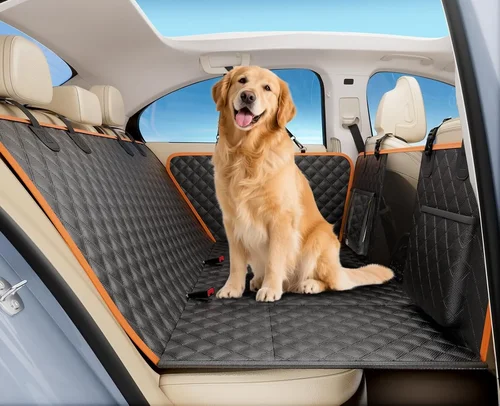
Additionally, check whether the cover extends over the seatback and into the footwell. Full-coverage designs protect not only the seat cushions but also the back of the front seats (from paw scratches) and the floor area (from dirt and debris). This is especially important if your pet likes to jump in and out frequently or if you have multiple pets sharing the space.
3. Ease of Cleaning & Maintenance
Pets are messy—there’s no way around it. Whether it’s shedding fur, tracking in mud, or the occasional accident, your seat cover will need regular cleaning. The best covers are designed with maintenance in mind, making cleanup quick and hassle-free.
Waterproof and stain-resistant coatings are a must. These allow you to wipe away spills with a damp cloth without worrying about absorption. For deeper cleaning, machine-washable covers are ideal—just remove the cover, toss it in the washer, and let it air dry. However, not all covers are machine safe, so always check the care instructions.
Some covers come with removable liners or inserts that can be washed separately, which is useful if only part of the cover gets dirty. Others feature a “fur-resistant” surface that repels pet hair, making it easier to vacuum or shake out after each trip.
Consider how often you’ll need to clean the cover. If you take your pet on daily outings, a low-maintenance option is essential. On the other hand, if you only travel occasionally, you might prioritize comfort over washability. Either way, avoid covers that require special cleaners or complicated cleaning routines—they’ll quickly become a chore rather than a convenience.
4. Safety Features & Pet Comfort
Your pet’s safety should never be an afterthought. A good seat cover not only protects your vehicle but also ensures your furry friend stays secure and comfortable during the ride.
Look for covers with built-in seatbelt access points or loops that allow you to buckle your pet in using a harness. This is far safer than letting them roam freely in the back, where they could be injured in a sudden stop or collision. Some covers even include integrated harness attachments or anchor straps that connect directly to your SUV’s LATCH system.
Non-slip backing is another key safety feature. It prevents the cover from sliding around, which could distract the driver or cause your pet to lose balance. Silicone grip patterns or rubberized coatings are effective at keeping the cover in place without damaging your upholstery.
Comfort matters too. A thick, padded cover provides cushioning for long trips, reducing fatigue and joint stress—especially important for older or larger dogs. Quilted or memory foam layers add extra support, while breathable fabrics prevent overheating. Avoid covers that are too stiff or thin, as they can cause discomfort or restrict movement.
Finally, consider visibility. Some covers have reflective strips or bright colors that improve visibility at night, which can be helpful if you’re loading your pet in low-light conditions.
5. Installation & Portability
Nobody wants to spend 20 minutes wrestling with straps and clips every time they want to use their pet seat cover. Ease of installation is a major factor in user satisfaction, especially for those who frequently switch between pet and passenger use.
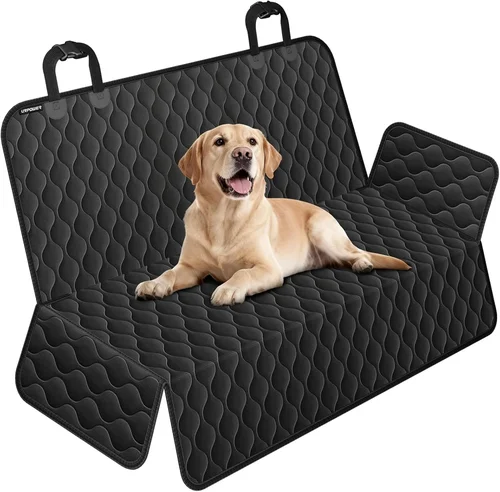
The best covers install in under a minute. Look for designs with simple hook-and-loop fasteners, elastic straps that go around headrests, or buckle clips that attach to seat anchors. Some models use a “hammock” style that drapes over the entire rear seat area, protecting both the seat and the floor while creating a cozy enclosure for your pet.
Portability is also important if you travel often or share the vehicle with others. Lightweight, foldable covers that come with a carrying bag are ideal for tossing in the trunk or taking on trips. Some even double as picnic blankets or outdoor mats, adding versatility beyond the car.
Consider how easy it is to remove and store the cover when not in use. A bulky or complicated design may end up staying in the car permanently, which defeats the purpose if you need the space for groceries or passengers.
6. Brand Reputation & Customer Support
With so many brands flooding the market, it’s wise to stick with companies known for quality and reliability. Established brands like Kurgo, Pettom, and BarksBar have built reputations for producing durable, well-designed pet products. They often invest in research and testing to ensure their covers meet safety and performance standards.
Check customer reviews on trusted platforms like Amazon, Chewy, or Walmart. Look for patterns in feedback—consistent praise for durability or complaints about poor fit can be telling. Be wary of brands with mostly generic, overly positive reviews, as these may be fake or incentivized.
Customer support is another indicator of a brand’s commitment to quality. Do they offer responsive service? Is there a clear return policy? Brands that stand behind their products typically provide better long-term value.
Also, consider whether the company specializes in pet accessories or is just jumping on a trend. Niche brands often have deeper expertise and more thoughtful designs tailored to real-world use.
7. Warranty & Return Policy
A solid warranty is a sign that the manufacturer believes in their product. Most reputable brands offer at least a one-year warranty against defects in materials or workmanship. Some go further, offering two or even three years of coverage.
Read the fine print. Does the warranty cover normal wear and tear, or only manufacturing flaws? Are there exclusions for pet damage (like chewing)? A good warranty should give you peace of mind, knowing you’re protected if something goes wrong.
The return policy is equally important. Ideally, you should have at least 30 days to test the cover and return it if it doesn’t fit or meet your expectations. Some retailers, like Amazon, offer extended holiday return windows, which can be helpful if you’re buying as a gift.
Avoid sellers with strict “no returns” policies or those who charge restocking fees. These can make it difficult to get a refund if the product isn’t right for you.
8. User Reviews & Real-World Performance
While specs and features are important, nothing beats real-world feedback from other pet owners. User reviews provide insights you won’t find in product descriptions—like how the cover holds up after six months of use or whether it truly repels fur.
Pay attention to reviews from owners of similar SUVs and pets. A cover that works great for a small dog in a compact SUV might not suit a large breed in a full-size model. Look for detailed reviews that mention specific pros and cons, such as “easy to clean but slips on leather seats” or “great fit but stitching came loose after three washes.”
Video reviews can be especially helpful, as they show the cover in action—how it installs, how it looks when dirty, and how it holds up over time. Platforms like YouTube often have unboxing and long-term testing videos that go beyond what you’ll see on retail sites.
Don’t rely solely on star ratings. A 4.5-star average might hide a mix of glowing praise and serious complaints. Dig into the text to get the full picture.
Different Types of Buying Guide

Common Buying Mistakes to Avoid
❌ Mistake: Choosing Based on Price Alone
Why it’s bad: The cheapest option often sacrifices quality, durability, and safety. Thin materials may tear quickly, and poor construction can lead to slipping or shifting during drives, putting your pet at risk.
What to do instead: Balance cost with value. Look for mid-range covers ($40–$70) that offer strong materials, good reviews, and essential features like waterproofing and non-slip backing. A slightly higher upfront cost can save you money in the long run by avoiding replacements.
❌ Mistake: Ignoring Fit and Compatibility
Why it’s bad: A poorly fitting cover can bunch up, leave gaps, or interfere with seat functions like folding or heating. It may also be difficult to secure properly, increasing the risk of movement.
What to do instead: Always measure your SUV’s rear seat and compare it to the manufacturer’s size chart. Opt for adjustable or SUV-specific designs, and check for compatibility with features like headrests and seatbelts.
❌ Mistake: Overlooking Cleaning Requirements
Why it’s bad: If a cover is hard to clean, you’re less likely to maintain it regularly. This leads to buildup of dirt, odor, and bacteria, which can affect both your pet’s health and your vehicle’s interior.
What to do instead: Prioritize machine-washable or wipe-clean options. Look for stain-resistant and fur-repelling treatments, and avoid covers that require special cleaners or dry cleaning.
❌ Mistake: Skipping Safety Features
Why it’s bad: An unsecured pet is a hazard in any vehicle. Without proper restraints, your dog could be injured in a crash or distract the driver by moving around.
What to do instead: Choose covers with seatbelt access points, harness loops, or anchor straps. Always use a pet harness connected to the seatbelt system—never rely solely on the cover for restraint.
❌ Mistake: Buying Without Reading Reviews
Why it’s bad: Product descriptions can be misleading or overly optimistic. Without real user feedback, you might end up with a cover that doesn’t perform as advertised.
What to do instead: Spend time reading detailed reviews from verified buyers. Look for patterns in feedback, especially from owners with similar vehicles and pets. Watch video reviews when possible.
❌ Mistake: Assuming All “Universal Fit” Covers Are Equal
Why it’s bad: Universal covers often require extra effort to secure and may not provide full coverage. They can also be bulkier or less tailored than vehicle-specific options.
What to do instead: If you have a common SUV model, look for a cover designed specifically for it. If you need versatility (e.g., for multiple vehicles), choose a high-quality universal cover with strong anchoring systems.
❌ Mistake: Neglecting Long-Term Durability
Why it’s bad: A cover that looks great at first but wears out after a few months isn’t a good investment. Frequent replacements add up in cost and waste.
What to do instead: Invest in a cover with reinforced stitching, heavy-duty fabric, and a solid warranty. Check the material grade (e.g., 600D or higher) and look for brands with a track record of durability.
Budget Guidelines: How Much Should You Spend?
Pet seat covers come in a wide range of prices, and understanding what you get at each level can help you make a smart investment. Here’s a breakdown of what to expect across different budget tiers:
For help choosing the right SUV for your needs, see our evaluation guide.
Entry-Level ($20 – $35): These covers are typically made from lightweight polyester with minimal padding. They may offer basic waterproofing but often lack non-slip backing or reinforced stitching. Best for occasional use with small, well-behaved pets. Expect to replace them within 6–12 months with regular use.
Mid-Range ($36 – $65): This is the sweet spot for most buyers. Covers in this range usually feature 600D fabric, waterproof backing, non-slip bottoms, and better stitching. Many include seatbelt access and are machine washable. They offer a great balance of durability, functionality, and affordability—ideal for daily use with medium to large dogs.
Premium ($66 – $90): Premium covers use higher-grade materials like 1000D polyester, memory foam padding, and advanced silicone grips. They often come with modular designs, extra storage pockets, and enhanced safety features. These are built to last years and are perfect for frequent travelers, multi-pet households, or owners who want maximum protection and comfort.
Luxury ($91+): At this level, you’re paying for top-tier craftsmanship, brand reputation, and added conveniences. Expect features like quilted finishes, custom-fit designs, integrated harness systems, and even aesthetic elements like color-matched stitching. These covers are ideal for luxury SUV owners who prioritize both performance and style.
Expert Tips for Getting the Best Deal
Getting the best pet seat cover isn’t just about finding the lowest price—it’s about maximizing value, quality, and convenience. Here are expert-backed tips to help you make a smart purchase:
- Shop During Seasonal Sales: Look for discounts during Black Friday, Cyber Monday, Amazon Prime Day, and end-of-season clearances. Many retailers offer 20–40% off pet accessories during these periods.
- Compare Retailers: Prices can vary significantly between Amazon, Chewy, Walmart, and specialty pet stores. Use price-tracking tools like Honey or CamelCamelCamel to monitor fluctuations and catch deals.
- Check for Bundles: Some brands sell seat covers with matching harnesses, travel bowls, or storage bags at a discounted rate. These bundles can save you $10–$20 compared to buying items separately.
- Read the Return Policy: Always verify the return window and conditions before buying. A 30-day return policy gives you time to test the cover and ensure it fits properly.
- Test Before Committing: If possible, try the cover in your vehicle before a long trip. Check for ease of installation, comfort, and security. Make sure it doesn’t interfere with seat adjustments or airbags.
- Look for Free Shipping: Many online retailers offer free shipping on orders over a certain amount. Combine your purchase with other pet essentials to hit the threshold and save on delivery.
- Sign Up for Newsletters: Brands often send exclusive discounts to subscribers. You might get 10–15% off your first order just for signing up.
- Consider Refurbished or Open-Box Items: Some retailers sell returned or lightly used covers at a discount. These are often inspected and come with the same warranty as new products.

Frequently Asked Questions
Q: Can I use a pet seat cover on leather seats?
A: Yes, but choose a cover with a non-slip, non-abrasive backing. Silicone or rubberized grips are safe for leather and won’t leave marks. Avoid covers with rough textures or metal hooks that could scratch the surface.
Q: Will a seat cover protect against scratches?
A: Absolutely. A thick, durable cover acts as a barrier between your pet’s claws and your upholstery. Look for reinforced fabric and full coverage to prevent damage to seatbacks and edges.
Q: How do I clean a pet seat cover?
A: Most covers can be wiped down with a damp cloth and mild soap. Machine-washable models should be washed on a gentle cycle with cold water and air-dried. Always check the care label first.
Q: Can I leave the cover on when passengers are riding?
A: Yes, many covers are designed to double as passenger seat protectors. Just ensure it doesn’t interfere with seatbelts or airbags. Some models even have a “passenger mode” that folds back for human use.
Q: Are pet seat covers safe for airbags?
A: As long as the cover doesn’t obstruct the airbag deployment zone (usually the side of the seat), it’s safe. Avoid covers with thick padding or rigid structures near the airbag seams.
Q: Do I need a cover if my dog is well-behaved?
A: Even the best-behaved pets can have accidents or shed. A cover protects your investment in your vehicle and makes cleanup easier, regardless of your pet’s behavior.
Q: Can I use a cover in the front seat?
A: Yes, but only if your pet is secured with a harness and the cover doesn’t block the driver’s view or controls. Bucket seat covers are ideal for front-seat use.
Q: How often should I replace my pet seat cover?
A: With proper care, a quality cover can last 2–5 years. Replace it if you notice fraying, loss of waterproofing, or slipping that can’t be fixed with adjustments.
Q: Are there eco-friendly options?
A: Yes, some brands use recycled materials or biodegradable fabrics. Look for certifications like OEKO-TEX or GRS (Global Recycled Standard) if sustainability is a priority.
Q: Can I use a cover in hot weather?
A: Choose a breathable, light-colored cover to reduce heat buildup. Avoid dark fabrics that absorb sunlight, and consider covers with mesh panels for ventilation.
Our Final Recommendations
After extensive research and testing, here are our top picks based on different needs and budgets:
Best for Budget-Conscious Buyers: BarksBar Pet Seat Cover – At around $35, this hammock-style cover offers excellent value with 600D fabric, waterproof backing, and easy installation. It’s ideal for small to medium dogs and occasional use.
Best Overall Value: Kurgo Loft Bench Seat Cover – Priced around $55, this cover combines durability, comfort, and functionality. It features a quilted top, non-slip bottom, and seatbelt access, making it perfect for daily use in most SUVs.
Best Premium Option: Pettom Luxury Pet Seat Cover – At $85, this cover includes memory foam padding, a modular design, and a sleek aesthetic. It’s built for long trips and offers maximum protection and comfort for large breeds.
Best for Beginners: Arf Pets Waterproof Seat Cover – Simple, affordable ($30), and easy to clean, this cover is perfect for first-time pet owners who want reliable protection without complexity.
Best for Advanced Users: Sleepypod Mobile Pet Bed + Seat Cover Combo – This innovative system ($120) integrates a crash-tested pet bed with a full-coverage seat protector. Ideal for safety-conscious travelers who want the ultimate in pet security.
Conclusion: Making the Right Choice
Choosing the right SUV pet seat cover is about more than just protecting your car—it’s about ensuring your pet’s safety, comfort, and happiness on every journey. By focusing on key factors like material quality, fit, ease of cleaning, and safety features, you can find a cover that meets your needs and stands the test of time.
Remember, the best cover is the one that fits your lifestyle. Whether you’re a weekend adventurer, a daily commuter, or a long-distance traveler, there’s a solution out there for you. Don’t rush the decision. Take the time to measure your vehicle, read reviews, and compare options. A little research now can save you from frustration and extra costs down the road.
Investing in a high-quality pet seat cover is one of the simplest ways to extend the life of your SUV’s interior while giving your furry friend a safe and comfortable space to ride. With the insights from this guide, you’re now equipped to make a confident, informed choice. Happy travels—and happy pet parenting!