
The Alfa Romeo Stelvio blends Italian design with sporty performance, but reliability has been a mixed bag. While many owners enjoy its driving dynamics and premium feel, some report mechanical and electrical issues over time. Learn more about the history of SUVs to understand how they’ve evolved. With proper maintenance and awareness of common problems, the Stelvio can be a rewarding SUV choice.
Key Takeaways
- Reliability varies by model year: Early 2018–2020 models had more reported issues, while 2021 and newer versions show improved build quality and fewer complaints. For a broader perspective, see the evolution of SUVs.
- Common problems include electrical glitches and suspension concerns: Owners often cite infotainment system freezes, sensor malfunctions, and occasional suspension noise.
- Regular maintenance is crucial: Sticking to Alfa Romeo’s service schedule and using quality parts can significantly extend the vehicle’s lifespan.
- Strong performance and handling: The Stelvio stands out for its sharp steering, responsive engine, and sport-tuned suspension—ideal for driving enthusiasts.
- Higher-than-average repair costs: Parts and labor can be pricier than mainstream brands, especially if repairs fall outside warranty coverage.
- Warranty and certified pre-owned (CPO) programs help: A solid warranty or CPO plan can reduce long-term ownership risks and provide peace of mind.
- Owner satisfaction remains high despite flaws: Many drivers love the Stelvio’s style, driving feel, and daily usability, outweighing reliability concerns for some.
📑 Table of Contents
- Are Alfa Romeo Stelvio Reliable? A Deep Dive into Ownership Realities
- What the Data Says: Reliability Ratings and Owner Feedback
- Common Problems and How to Avoid Them
- Maintenance Matters: Keeping Your Stelvio in Top Shape
- Warranty and Certified Pre-Owned Options
- Owner Satisfaction: The Emotional Side of Reliability
- Final Verdict: Is the Alfa Romeo Stelvio Reliable?
Are Alfa Romeo Stelvio Reliable? A Deep Dive into Ownership Realities
When you think of Alfa Romeo, images of sleek Italian design, passionate engineering, and a rich racing heritage likely come to mind. The Alfa Romeo Stelvio, the brand’s first-ever SUV, brings that same flair to the crossover segment. Launched in 2017, the Stelvio quickly gained attention for its bold styling, impressive performance, and sporty driving dynamics. But behind the glamorous exterior lies a more nuanced question: Are Alfa Romeo Stelvio reliable?
Reliability is one of the most important factors when choosing any vehicle, especially in the competitive luxury SUV market. Buyers want confidence that their investment will last, perform well, and not drain their wallet with constant repairs. For the Stelvio, the answer isn’t a simple yes or no. Instead, it depends on several factors—model year, maintenance habits, driving conditions, and even luck. While some owners enjoy years of trouble-free driving, others encounter frustrating mechanical and electrical issues.
In this article, we’ll explore the real-world reliability of the Alfa Romeo Stelvio, drawing from expert reviews, consumer reports, and owner feedback. We’ll break down common problems, highlight strengths, and offer practical tips to help you make an informed decision. Whether you’re considering a new Stelvio or shopping for a used one, understanding its reliability profile is essential.
What the Data Says: Reliability Ratings and Owner Feedback
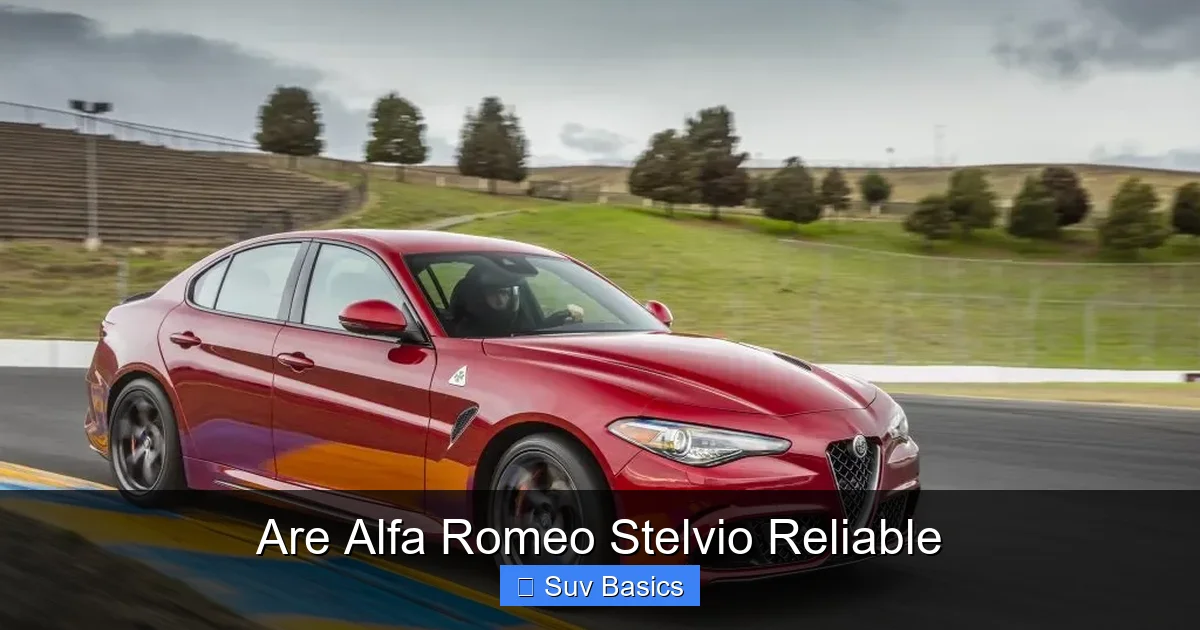
Visual guide about Are Alfa Romeo Stelvio Reliable
Image source: motorbiscuit.com
When evaluating reliability, it’s helpful to look at third-party sources like J.D. Power, Consumer Reports, and RepairPal. These organizations analyze thousands of vehicles to provide objective ratings based on owner experiences and repair frequency.
According to J.D. Power, the Alfa Romeo Stelvio scores around average in overall dependability, typically ranking in the middle of the luxury compact SUV segment. Consumer Reports has given the Stelvio mixed reviews, with early models (2018–2020) receiving below-average reliability scores. However, the 2021 and newer models show improvement, earning average to slightly above-average marks.
One reason for the mixed ratings is the frequency of electrical and infotainment issues. Many owners report problems with the Uconnect touchscreen system freezing, Bluetooth connectivity dropping, or backup cameras malfunctioning. These aren’t safety-critical failures, but they can be annoying and require dealership visits.
Another common concern is the suspension system. Some Stelvio owners notice creaking or clunking noises from the rear suspension, especially in colder climates. In rare cases, this has been linked to worn bushings or shocks, which may need replacement before expected.
Despite these issues, many owners remain loyal to the Stelvio. Online forums and social media groups are filled with praise for its driving feel, interior quality, and standout design. For drivers who prioritize performance and style over bulletproof reliability, the Stelvio can still be a compelling choice.
Common Problems and How to Avoid Them
No car is perfect, and the Stelvio is no exception. Understanding its most frequent issues can help you prepare—and possibly prevent them.
Electrical and Infotainment Glitches
The Stelvio’s Uconnect infotainment system is a common source of frustration. Owners report random reboots, slow response times, and unresponsive touchscreens. In some cases, the system fails to recognize smartphones or loses saved settings.
Tip: Keep your software updated. Alfa Romeo periodically releases updates that fix bugs and improve performance. Visit your dealer or check the official website for the latest version. Also, avoid aftermarket modifications that could interfere with the system.
Suspension and Steering Concerns
The Stelvio’s sport-tuned suspension delivers excellent handling, but it can wear faster than softer setups. Some drivers notice noise from the rear suspension, especially over bumps or during cold starts. In rare cases, premature wear on control arms or bushings has been reported.
Tip: Have the suspension inspected during routine maintenance. If you hear unusual noises, don’t ignore them—early diagnosis can prevent more expensive repairs down the line.
Engine and Transmission Performance
The standard 2.0-liter turbocharged four-cylinder engine is generally reliable, delivering smooth power and good fuel economy. However, a small number of owners have reported turbo lag, rough idling, or check engine lights related to the emissions system.
The 8-speed automatic transmission is praised for its responsiveness, but a few early models experienced harsh shifting or hesitation. Most of these issues were resolved in later software updates.
Tip: Use high-quality synthetic oil and follow the recommended service intervals. Avoid short, cold trips when possible, as they can increase engine wear.
Brake Wear and Rotor Issues
Performance-oriented brakes are great for spirited driving, but they can wear faster—especially if you drive aggressively. Some owners report warped rotors or squeaking brakes within the first 20,000 miles.
Tip: Rotate your driving style occasionally to reduce brake heat buildup. Consider upgrading to performance brake pads if you frequently drive in mountainous or high-speed areas.
Maintenance Matters: Keeping Your Stelvio in Top Shape
One of the biggest factors influencing the Stelvio’s reliability is how well it’s maintained. Like any performance vehicle, it demands attention to detail and timely service.
Follow the Maintenance Schedule
Alfa Romeo provides a detailed maintenance plan, typically requiring service every 10,000 to 15,000 miles. This includes oil changes, brake inspections, fluid top-offs, and software updates. Skipping or delaying service can lead to bigger problems. For more on choosing the right SUV type, check out our evaluation guide.
Use OEM or High-Quality Parts
While aftermarket parts may be cheaper, they can compromise performance and longevity. Alfa Romeo’s engineering is precise, and using non-OEM components—especially for suspension, brakes, or electronics—can lead to compatibility issues.
Pro tip: If you’re doing DIY maintenance, stick to trusted brands like Bosch, Mann, or OEM equivalents. Always torque bolts to spec and use the correct fluids.
Monitor Warning Lights and Unusual Noises
Modern vehicles like the Stelvio are packed with sensors, but they’re not foolproof. If a warning light appears—even if the car seems to run fine—get it checked. Ignoring a check engine light, for instance, could lead to catalytic converter damage.
Similarly, pay attention to changes in how the car feels. A new vibration, grinding noise, or steering pull could signal an alignment issue, tire wear, or suspension problem.
Warranty and Certified Pre-Owned Options
Buying a new or certified pre-owned (CPO) Stelvio can significantly reduce reliability concerns. Alfa Romeo offers a competitive warranty package that includes:
– 4-year/50,000-mile basic warranty
– 6-year/75,000-mile powertrain warranty
– 4-year/50,000-mile roadside assistance
Additionally, the CPO program extends coverage with a 12-month/12,000-mile limited warranty after the original expires, plus a 7-year/100,000-mile powertrain warranty from the original in-service date.
For used buyers, a CPO Stelvio is often a smarter choice than a private sale. These vehicles undergo a rigorous 165-point inspection, come with a vehicle history report, and include benefits like trip interruption coverage and loaner car assistance.
Owner Satisfaction: The Emotional Side of Reliability
Reliability isn’t just about repair frequency—it’s also about how a car makes you feel. And here, the Stelvio shines.
Owners consistently praise its driving dynamics. The steering is precise, the chassis is balanced, and the turbocharged engine delivers strong acceleration. Whether you’re carving through mountain roads or cruising on the highway, the Stelvio feels alive in a way few luxury SUVs can match.
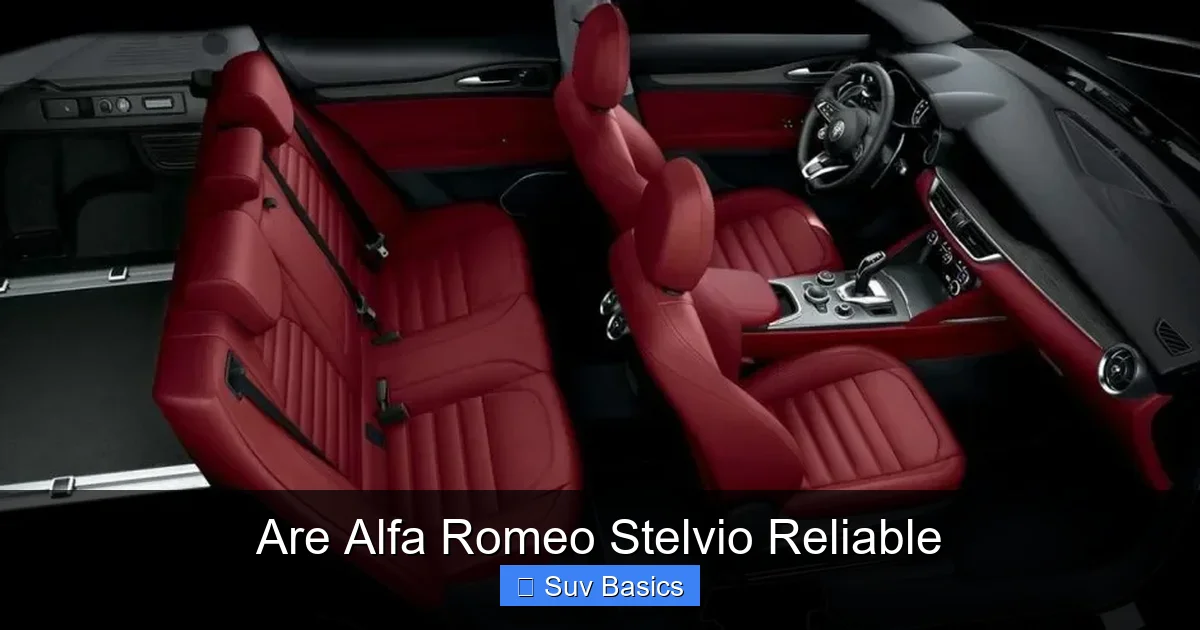
The interior is another highlight. Premium materials, supportive seats, and a driver-focused layout create a cabin that feels special. Even the base models come well-equipped with features like Apple CarPlay, Android Auto, and advanced safety tech.
Of course, no car is perfect. But for many Stelvio owners, the joy of driving outweighs the occasional inconvenience. As one owner put it, “Yes, I’ve had to visit the dealer a few times. But every time I get behind the wheel, I smile. That’s worth a lot.”
Final Verdict: Is the Alfa Romeo Stelvio Reliable?
So, are Alfa Romeo Stelvio reliable? The short answer: It depends.
If you’re looking for a bulletproof, low-maintenance SUV like a Toyota RAV4 or Honda CR-V, the Stelvio may not be the best fit. But if you value style, performance, and driving excitement—and are willing to stay on top of maintenance—the Stelvio can be a highly rewarding choice.
Newer models (2021 and later) show clear improvements in build quality and reliability. With proper care, many owners enjoy years of trouble-free driving. Just be prepared for potentially higher repair costs and the occasional trip to the dealership.
Ultimately, the Stelvio is a car for enthusiasts. It’s not perfect, but it’s passionate, stylish, and fun. If that sounds like your kind of ride, the Stelvio might just win you over—reliability quirks and all.
Frequently Asked Questions
Is the Alfa Romeo Stelvio reliable long-term?
The Stelvio’s long-term reliability has improved with newer model years. While early models had more reported issues, 2021 and later versions show better consistency. Regular maintenance is key to ensuring longevity.
What are the most common problems with the Stelvio?
Common issues include infotainment system glitches, suspension noises, and occasional electrical faults. Most are not safety-critical but can be inconvenient and may require dealer service.
How often does the Stelvio need maintenance?
Alfa Romeo recommends service every 10,000 to 15,000 miles, including oil changes, brake checks, and software updates. Following the schedule helps prevent major issues.
Is the Stelvio expensive to repair?
Yes, repair costs are generally higher than mainstream brands due to specialized parts and labor. However, warranty coverage and CPO programs can help offset expenses.
Should I buy a used Alfa Romeo Stelvio?
A certified pre-owned (CPO) Stelvio is a safer bet than a private sale. CPO vehicles come with extended warranties and thorough inspections, reducing reliability risks.
Does the Stelvio have good resale value?
Resale value is average for the luxury SUV segment. While it doesn’t hold value as well as some German rivals, strong demand among enthusiasts helps maintain decent depreciation rates.