
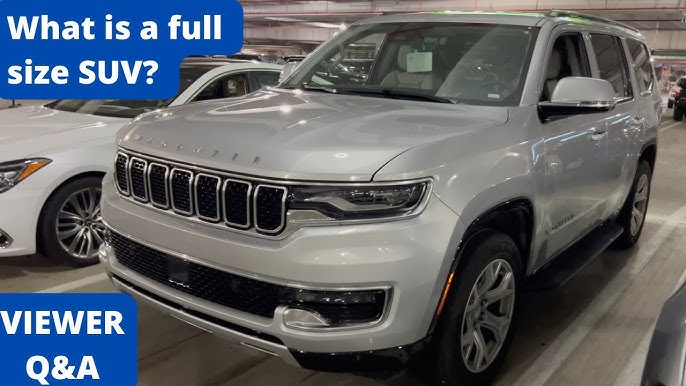
Choosing between a standard SUV and a premium car remains one of the most common crossroads for buyers in 2026. Both categories promise distinct advantages — utility and space on one side, refinement and technology on the other — yet the lines blur as manufacturers add upscale trims to mainstream SUVs and electrified powertrains to luxury sedans. This guide breaks down the real‑world trade‑offs, updates cost and performance data for the current model year, and gives you a practical framework for deciding which vehicle aligns with your daily needs and long‑term goals.
 A typical showroom layout showing a mainstream SUV next to a luxury sedan.
Quick Comparison at a Glance
| Attribute | Standard SUV | Premium Car |
|---|---|---|
| Typical passenger capacity | 5‑8 | 4‑5 |
| Cargo volume (cu ft) | 30‑70 | 10‑20 |
| Starting MSRP (2026) | $30 k‑$45 k | $45 k‑$80 k+ |
| Average combined MPG | 18‑26 | 22‑35 |
| 5‑year depreciation | ~45 % | ~55 % |
| Standard advanced safety | Most models | Nearly all models |
Core Differences: Space, Versatility, Luxury, Technology
Standard SUVs are built on a higher‑riding platform that yields generous headroom, a commanding view, and often a third‑row seat. That architecture makes them natural choices for families, outdoor gear, or anyone who regularly hauls bulky items. Premium cars, by contrast, allocate their engineering budget to sound‑deadening, multi‑zone climate control, and materials such as open‑pore wood or semi‑aniline leather. The result is a cabin that feels quieter and more tactile, but with less outright volume. You can also read our guide on top luxury suvs of.
Technology follows a similar split. Mainstream SUVs now ship with large touchscreens, wireless Apple CarPlay/Android Auto, and a suite of driver‑assist features as standard equipment. Luxury models push further — think augmented‑reality head‑up displays, over‑the‑air updates that add new functions, and semi‑automated highway driving (Level 2+). In practice, the gap narrows each year; a well‑equipped SUV can match a base‑level luxury sedan on infotainment responsiveness, though the premium car usually retains an edge in system integration and haptic quality.
For a deeper look at how SUV platforms have evolved, see the core SUV definition and the SUV evolution story. You can also read our guide on history of suv.
Total Cost of Ownership (2026 Estimates)
Ownership cost extends far beyond the window sticker. The table below reflects typical five‑year averages for a midsize standard SUV versus a comparable premium sedan, based on industry residual guides and insurance actuarial data. Figures are ranges; actual numbers vary by region, trim, and driving habits.
| Cost Element | Standard SUV (5 yr) | Premium Car (5 yr) |
|---|---|---|
| Purchase price (incl. destination) | $33 k‑$48 k | $50 k‑$85 k |
| Fuel (15 k mi/yr, $3.70/gal) | $9 k‑$12 k | $7 k‑$10 k |
| Insurance (full coverage) | $6 k‑$8 k | $9 k‑$13 k |
| Maintenance & repairs | $3 k‑$5 k | $4 k‑$7 k |
| Depreciation (residual value) | $15 k‑$22 k | $28 k‑$45 k |
| Total 5‑yr cost | $36 k‑$55 k | $48 k‑$80 k |
Key takeaway: the premium car’s higher depreciation and insurance often outweigh its modest fuel advantage. If you plan to keep the vehicle beyond five years, the SUV’s slower value loss can translate into a lower per‑mile cost.
For a step‑by‑step evaluation worksheet, refer to the SUV evaluation guide.
Performance & Driving Dynamics
Powertrain Landscape
- Standard SUV: Most 2026 models use a 2.0‑L turbo‑four (≈250 hp) or a 3.5‑L V6 (≈295 hp). All‑wheel drive is common, delivering predictable traction in rain or light snow.
- Premium Car: Entry trims often feature a 2.0‑L turbo‑four (≈255 hp) while upper trims move to a 3.0‑L twin‑turbo V6 (≈400 hp) or a plug‑in hybrid system (≈350 hp combined). Rear‑wheel‑drive bias sharpens cornering response.
Handling & Ride
SUVs benefit from higher ground clearance and longer travel suspension, which absorbs potholes but introduces body roll in quick transitions. Premium sedans employ adaptive dampers and lower centers of gravity, yielding flatter cornering and a more connected steering feel. In daily commuting, the sedan’s composure feels more refined; on a gravel road or snow‑covered pass, the SUV’s traction advantage dominates.
Fuel Efficiency (EPA Combined)
| Vehicle | MPG (2026) |
|---|---|
| Standard SUV (turbo‑4, AWD) | 22‑24 |
| Standard SUV (V6, AWD) | 18‑20 |
| Premium Sedan (turbo‑4, RWD) | 26‑28 |
| Premium Sedan (PHEV) | 30‑35 (electric‑only 25‑30 mi) |
Real‑world data from the EPA’s Fuel Economy Guide shows the hybrid premium sedan can cut annual fuel spend by roughly $500 versus a comparable SUV, assuming 15 k miles per year.
Comfort, Interior & Technology
Materials set the tone. A mainstream SUV typically offers cloth or synthetic leather on lower trims, with genuine leather reserved for top packages. Premium cars standard‑fit semi‑aniline leather, open‑pore wood veneers, and metal speaker grilles. Seat adjustments: 8‑way power with lumbar is common in SUVs; luxury sedans add 12‑way, massage, and memory functions.
Infotainment screens have converged around 12‑14 inches. The difference lies in software polish — luxury brands invest in proprietary OS layers that integrate vehicle settings, navigation, and voice control more seamlessly. Over‑the‑air updates are now standard on most premium models, while many SUVs receive them only on higher trims.
Driver‑assist suites: adaptive cruise, lane‑centering, automatic emergency braking, and blind‑spot monitoring are baseline on both. Premium cars often add intersection assist, evasive steering, and a more sophisticated traffic‑jam pilot that can handle stop‑and‑go without driver input.
For a side‑by‑side look at the latest luxury SUV interiors, see the luxury SUV showdown.
Practicality for Daily Use
Cargo & Loading
- SUV: Flat load floor with rear seats folded (often 60/40 split). Maximum cargo >70 cu ft. Hands‑free power tailgate is widespread.
- Premium Car: Trunk volume 12‑18 cu ft. Rear seats fold but leave a step. Some wagons or liftback sedans improve versatility.
Seating & Visibility
SUVs seat up to eight with three rows; second‑row captain’s chairs improve access. Premium sedans max at five, but front seats usually offer superior bolstering and thigh support. Higher hip‑point in SUVs eases entry/exit for older passengers, while lower rooflines in sedans can feel confining for taller occupants.
Towing
If you tow a trailer, most midsize SUVs rate 3,500‑5,000 lb (properly equipped). Premium sedans rarely exceed 2,000 lb and often lack a factory hitch.
Safety Ratings & Advanced Features
Both categories now earn top marks from the Insurance Institute for Highway Safety (IIHS) and the National Highway Traffic Safety Administration (NHTSA). The table reflects 2026 model‑year averages for the most popular nameplates.
| Vehicle Type | IIHS Top Safety Pick+ | NHTSA Overall |
|---|---|---|
| Standard SUV | 85 % of models | 5‑star (most) |
| Premium Car | 95 % of models | 5‑star (nearly all) |
Premium cars tend to adopt the newest active‑safety hardware first — e.g., forward‑collision warning with pedestrian detection at night, and rear‑cross‑traffic braking. However, many mainstream SUVs have caught up thanks to regulatory pressure and shared platforms.
For official crash‑test methodology, consult the NHTSA website and the IIHS ratings portal.
Brand Prestige & Image
Luxury badges still convey status, but the perception gap narrows as mainstream brands launch “premium” sub‑brands (e.g., Toyota’s Crown, Hyundai’s Genesis). An SUV from a luxury marque (such as a Genesis GV80) delivers both utility and badge cachet, often at a lower price than a comparable sedan from the same maker. Conversely, a well‑optioned mainstream SUV can feel more upscale than an entry‑level luxury sedan, especially when equipped with premium audio, panoramic roof, and advanced driver aids.
Social signaling matters for some buyers; for others, the practical payoff of a versatile SUV outweighs badge value. Consider how the vehicle will be used in client‑facing roles versus family duty.
Environmental Impact & Electrification (2026 Outlook)
Regulatory pressure has pushed average fleet CO₂ below 150 g/km for most manufacturers. Premium brands lead in electrified offerings: plug‑in hybrids and full EVs now represent >30 % of their line‑ups. Mainstream SUVs are catching up — several 2026 models offer a PHEV variant with 30‑40 mi electric range, and a few dedicated EV SUVs (e.g., the Hyundai Ioniq 7, Kia EV9) enter the segment.
Emission standards: both categories meet Euro 6d / EPA Tier 3. Real‑world CO₂ for a typical gasoline SUV sits around 190 g/km; a comparable premium PHEV can drop below 120 g/km when charged regularly. If your daily commute is under 30 mi and you have home charging, a premium PHEV or EV can cut tailpipe emissions dramatically while preserving the luxury experience.
For the latest EPA greenhouse‑gas standards, see the EPA regulatory page.
Decision Framework: How to Choose
Use the checklist below to match priorities to the right vehicle class.
- Passenger & cargo needs – >5 people or frequent bulky loads → SUV.
- Daily drive type – Urban stop‑and‑go, premium feel → premium car; mixed roads, occasional off‑pavement → SUV.
- Budget horizon – Keep >5 years, minimize total cost → SUV. Short‑term lease, desire latest tech → premium car.
- Electrification readiness – Home charging available, want low emissions → premium PHEV/EV or electrified SUV.
- Brand importance – Client perception, resale cachet → premium badge. Pure utility focus → mainstream SUV.
- Towing – Regular trailer use → SUV with factory tow package.
- Technology appetite – Cutting‑edge driver‑assist, OTA updates → premium car (or top‑trim SUV).
Score each factor 1‑5; the higher total points toward a category, the clearer the choice.
Frequently Asked Questions
What are the main differences between standard SUVs and premium cars?
Standard SUVs prioritize interior volume, ground clearance, and all‑weather traction. Premium cars focus on refined materials, advanced infotainment, and dynamic handling. Both now share many safety and connectivity features.
Which is better for family use?
If you regularly transport more than five occupants or need a flat load floor for strollers and sports gear, a three‑row SUV is usually more practical. A premium sedan can work for smaller families who value a quieter cabin and lower step‑in height.
Do standard SUVs have better fuel efficiency than premium cars?
Not generally. Modern premium sedans — especially hybrids and PHEVs — achieve higher combined MPG. However, electrified SUVs are narrowing the gap; a PHEV SUV can match a non‑hybrid premium sedan in real‑world economy.
Are premium cars worth the extra cost?
They can be, if you value interior ambience, cutting‑edge driver aids, and badge prestige. Over a five‑year horizon the total cost of ownership is typically $10‑$25 k higher, mainly due to depreciation and insurance. Test‑drive both to see if the intangible benefits justify the spend.
How will electrification affect this comparison by 2028?
Expect more EV SUVs with 300‑mile range and premium EVs with 350‑mile range. The cost gap will shrink as battery prices fall, making the utility‑vs‑luxury decision more about form factor than powertrain.
Conclusion
Both a standard SUV and a premium car can serve you well in 2026; the right pick hinges on how you weigh space, refinement, long‑term cost, and emerging electrified options. Map your daily routines against the decision framework above, then schedule back‑to‑back test drives to feel the differences firsthand.
Ready to compare models side‑by‑side? Use our interactive comparison tool to see specs, pricing, and availability at local dealers.