
The premium luxury SUV segment continues to set the benchmark for comfort, technology, and performance. Buyers in 2026 expect a vehicle that delivers a serene cabin, cutting‑edge driver aids, and enough power to make every journey feel effortless. This guide breaks down the key evaluation criteria, compares the current flagship models, and helps you decide which SUV aligns with your lifestyle and budget.
Market Evolution and Consumer Priorities
How the Segment Has Matured
Over the past decade the luxury SUV space has expanded from a handful of niche offerings to a full‑spectrum lineup covering compact, midsize, and full‑size classes. Sales data shows consistent year‑over‑year growth, driven by buyers who want the versatility of an SUV without compromising on refinement. Manufacturers now field hybrid and fully electric variants alongside traditional V6 and V8 powertrains, reflecting a broader shift toward electrification. For a deeper look at how the category originated, see the SUV evolution timeline. You can also read our guide on evaluation of suv.
What Buyers Value Most
Today’s shoppers prioritize three pillars: advanced safety systems, seamless connectivity, and genuine craftsmanship. Surveys indicate that adaptive cruise control, automated emergency braking, and 360‑degree camera suites are considered essential rather than optional. Infotainment screens larger than 12 inches with wireless Apple CarPlay and Android Auto are baseline expectations. Meanwhile, materials such as semi‑aniline leather, open‑pore wood, and brushed aluminum define the tactile experience. Understanding these preferences is easier when you start by defining an SUV and its core attributes.
Evaluation Criteria for a Flagship SUV
Performance Metrics That Matter
A flagship SUV must balance straight‑line acceleration with composed handling. Look for 0‑60 mph times under 5.5 seconds in the top trims, but also examine torque delivery — especially for towing or off‑road scenarios. Adaptive air suspension with selectable drive modes (Comfort, Sport, Off‑Road) adds versatility. Fuel economy remains relevant; many 2026 hybrids achieve 25‑30 mpg combined, while plug‑in hybrids can cover 30‑40 miles on electricity alone. For official fuel‑economy figures, consult the EPA fuel economy data.
Comfort, Craftsmanship, and Cabin Tech
Seat adjustability (minimum 20‑way power front seats with massage), multi‑zone climate control, and acoustic glass are standard in this tier. Noise, vibration, and harshness (NVH) targets now hover below 60 dB at highway speeds. Infotainment architectures run on high‑performance processors (e.g., Qualcomm Snapdragon 8295) enabling over‑the‑air updates and AI‑based voice assistants. Rear‑seat entertainment systems with dual 12‑inch displays are common on long‑wheelbase models.
Safety and Driver‑Assistance Suites
Top contenders earn five‑star overall ratings from NHTSA and “Top Safety Pick+” from IIHS. Standard suites include forward collision warning with pedestrian detection, lane‑centering assist, blind‑spot monitoring with rear cross‑traffic alert, and automated parking. Some brands add Level 2+ hands‑free highway driving on mapped roads. Verify the latest crash‑test results via NHTSA safety ratings.
Top Contenders at a Glance
| Model | Base MSRP (2026) | Powertrain Options | Key Strength |
|---|---|---|---|
| Range Rover (L460) | $108,000 | PHEV, I6, V8 | Unmatched off‑road composure |
| Porsche Cayenne Turbo GT | $148,000 | Twin‑turbo V8 | Track‑level handling |
| Bentley Bentayga EWB | $250,000 | V8, W12, PHEV | Bespoke rear‑seat luxury |
| Mercedes‑Benz GLS 580 | $102,000 | Mild‑hybrid V8 | Three‑row practicality |
| BMW X7 M60i | $108,000 | Mild‑hybrid V8 | Driver‑focused dynamics |
| Cadillac Escalade‑V | $150,000 | Supercharged V8 | Bold presence, super‑cruise |
| Lexus LX 600 | $92,000 | Twin‑turbo V6 | Legendary reliability |
| Audi Q8 e‑tron | $78,000 | Dual‑motor EV | Silent electric refinement |
Range Rover showcasing off‑road poise
In‑Depth Model Highlights
Range Rover – The Benchmark for All‑Terrain Elegance
The 2026 Range Rover continues to define the segment with its aluminum‑intensive architecture and optional 440‑hp plug‑in hybrid. Its Terrain Response 2 system reads the surface in real time, while the optional Executive Class rear seats recline 40 degrees with heating, ventilation, and massage. The Pivi Pro infotainment now supports wireless Android Auto and a 13.1‑inch curved glass display.
Porsche Cayenne Turbo GT – Sports‑Car DNA in SUV Form
Porsche’s GT badge brings a 4.0‑liter twin‑turbo V8 producing 631 hp, rear‑axle steering, and carbon‑ceramic brakes standard. The chassis rides 17 mm lower than the Turbo, and the active anti‑roll system virtually eliminates body lean. Inside, Race‑Tex microfiber and carbon‑fiber trim reinforce the driver‑centric ethos.
Bentley Bentayga Extended Wheelbase – Coach‑Built Serenity
The EWB adds 180 mm of rear legroom, enabling airline‑style seats with 22‑way adjustment, a deployable footrest, and a dedicated climate zone. Mulliner personalization lets buyers specify unique veneers, embroidery, and even a refrigerated compartment. The 4.0‑liter V8 with 542 hp delivers effortless thrust while the 48‑volt active anti‑roll keeps the 2.6‑tonne mass composed.
Mercedes‑Benz GLS 580 – Three‑Row Practicality Meets S‑Class Tech
The GLS 580’s 4.0‑liter biturbo V8 pairs with a 48‑volt mild‑hybrid system for 510 hp. MBUX Hyperscreen spans the dashboard, offering AI‑driven suggestions. The E‑Active Body Control suspension scans the road ahead to pre‑load each damper, delivering a “magic carpet” ride. For details on Mercedes premium packaging, review the Mercedes premium package details.
BMW X7 M60i – The Driver’s Choice Among Flagships
BMW’s 4.4‑liter V8 with mild‑hybrid assist produces 523 hp and 553 lb‑ft. Integral Active Steering (rear‑wheel steer) and active anti‑roll bars make the X7 feel smaller than its dimensions. The curved iDrive 9 display runs the latest OS 9, featuring augmented‑reality navigation and a personal assistant that learns driver habits.
Cadillac Escalade‑V – American Opulence with Super‑Cruise
The Escalade‑V’s 6.2‑liter supercharged V8 generates 682 hp, making it the most powerful factory SUV in its class. Super Cruise hands‑free driving works on over 400,000 miles of mapped highways. The AKG Studio Reference 36‑speaker system and available 12.6‑inch rear screens create a private theater. Cadillac Escalade cabin highlights craftsmanship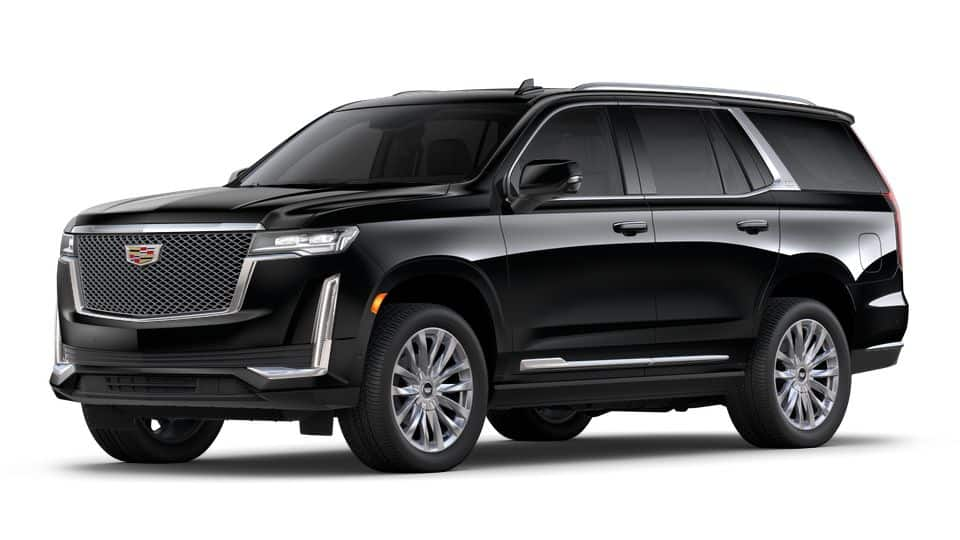
Lexus LX 600 – Unshakable Reliability Meets Modern Luxury
The LX 600 drops the V8 for a 3.4‑liter twin‑turbo V6 (409 hp) mated to a 10‑speed automatic. Its body‑on‑frame chassis and Multi‑Terrain Select make it a genuine off‑roader, while the Mark Levinson 25‑speaker system and semi‑aniline leather keep occupants pampered. Lexus’s reputation for durability remains a decisive factor for many buyers.
Audi Q8 e‑tron – Silent Electric Flagship
Audi’s electric flagship uses a 106‑kWh battery (100 usable) powering dual motors for 402 hp and 490 lb‑ft. The 0‑60 mph sprint takes 5.4 seconds, and EPA range reaches 300 miles. Virtual mirrors (optional) reduce drag, and the dual‑screen MMI touch response system integrates haptic feedback. Fast charging at 170 kW adds 160 miles in 10 minutes.
Performance Showdown: Acceleration, Handling, and Towing
| Model | 0‑60 mph (sec) | Max Towing (lb) | Drive Modes |
|---|---|---|---|
| Range Rover PHEV | 5.3 | 7,200 | Comfort, Eco, Off‑Road, Snow |
| Cayenne Turbo GT | 3.1 | 7,700 | Sport, Sport Plus, Individual |
| Bentayga EWB V8 | 4.4 | 7,700 | Bentley, Comfort, Sport, Custom |
| GLS 580 | 4.9 | 7,700 | Comfort, Sport, Off‑Road, Individual |
| X7 M60i | 4.5 | 7,500 | Comfort, Sport, Sport+ |
| Escalade‑V | 4.3 | 8,200 | Tour, Sport, Tow/Haul, Off‑Road |
| LX 600 | 5.8 | 8,000 | Eco, Normal, Sport, Crawl |
| Q8 e‑tron | 5.4 | 4,000 | Efficiency, Comfort, Dynamic |
In practice, the Cayenne Turbo GT feels more like a lowered sports sedan than a 4,900‑lb SUV, while the Escalade‑V’s supercharged V8 delivers instant throttle response that makes highway merging effortless. The Q8 e‑tron’s low center of gravity gives it surprising agility for an EV, though its towing capacity trails the body‑on‑frame rivals.
Luxury Interiors: Materials, Craftsmanship, and Customization
Material Quality Across the Segment
- Semi‑aniline leather (Range Rover, Bentayga, Escalade‑V) offers a natural grain with minimal pigment, staying supple in extreme temperatures.
- Open‑pore wood veneers (Bentley, Mercedes, BMW) highlight texture; Bentley allows customers to supply their own sustainably sourced timber.
- Carbon‑fiber and aluminum accents (Porsche, Audi) provide a technical aesthetic that resists fingerprints.
- Ultrasuede headliners (Lexus, Cadillac) reduce glare and add tactile warmth.
Craftsmanship Details That Separate the Leaders
Precise double‑stitching with contrast thread, hand‑wrapped dashboard surfaces, and laser‑etched speaker grilles are hallmarks of the top tier. Bentley’s Mulliner division can embed personalized embroidery or even a family crest. Mercedes’ “Energizing Comfort” links climate, lighting, and fragrance to curated wellness programs. These touches turn a cabin into a personal sanctuary.
Technology and Connectivity Deep Dive
Infotainment Architecture
All 2026 flagships run on high‑performance SoCs enabling split‑screen multitasking, natural‑language voice control, and cloud‑based navigation with real‑time hazard alerts. Over‑the‑air updates now cover instrument‑cluster graphics, ADAS calibrations, and even suspension maps. Wireless smartphone mirroring is standard; some brands (BMW, Mercedes) add digital key sharing via phone.
Advanced Driver‑Assistance Systems (ADAS)
| Feature | Availability |
|---|---|
| Hands‑free highway (Level 2+) | Cayenne, GLS, X7, Escalade‑V, Q8 e‑tron |
| Automated lane change | All except LX 600 |
| Intersection assist | Range Rover, GLS, X7, Q8 e‑tron |
| Remote parking via app | Cayenne, Bentayga, Escalade‑V, Q8 e‑tron |
| Night vision with pedestrian detection | Bentayga, GLS, X7, Escalade‑V |
These systems reduce driver fatigue on long trips but still require active supervision. Always keep hands on the wheel where regulations mandate.
Price Point Analysis: Value, Ownership Costs, and Resale
Assessing Value for Money
Base MSRP tells only part of the story. Factor in standard equipment — many competitors charge extra for features that are included on the Range Rover or GLS. Maintenance plans vary: Lexus and Cadillac often bundle complimentary scheduled service for 4‑5 years, while European brands typically offer paid packages. Insurance premiums correlate with MSRP and repair complexity; the Escalade‑V and Bentayga sit at the high end.
Resale Value Trends
Historical data shows Lexus LX and Porsche Cayenne retaining 55‑60 % of original value after three years, outperforming the segment average of 45‑50 %. Electric models like the Q8 e‑tron are still establishing residual curves, but early indications suggest stronger retention than early‑generation EVs. For current market context, see the current price trends.
Consumer Feedback and Expert Consensus
Owner Satisfaction Themes
- Ride quality — Air‑suspension models (Range Rover, GLS, X7) consistently earn praise for isolating road imperfections.
- Tech learning curve — Hyperscreen and iDrive 9 receive mixed reviews; some owners prefer physical climate controls.
- Dealer experience — Lexus and Cadillac score highest for service transparency; European brands vary by region.
Expert Ratings Summary (2026 Model Year)
| Publication | Range Rover | Cayenne Turbo GT | Bentayga EWB | GLS 580 | X7 M60i | Escalade‑V | LX 600 | Q8 e‑tron |
|---|---|---|---|---|---|---|---|---|
| Car and Driver | 9/10 | 9.5/10 | 9/10 | 8.5/10 | 9/10 | 8.5/10 | 8/10 | 8.5/10 |
| MotorTrend | 9.2/10 | 9.4/10 | 9.1/10 | 8.8/10 | 9/10 | 8.7/10 | 8.2/10 | 8.9/10 |
| Edmunds | 4.5/5 | 4.7/5 | 4.6/5 | 4.4/5 | 4.5/5 | 4.3/5 | 4.0/5 | 4.4/5 |
Critics highlight the Cayenne’s dynamics, the Bentayga’s bespoke rear experience, and the Q8 e‑tron’s everyday usability as standout attributes.
Future Outlook: Electrification, Autonomy, and Personalization
Upcoming Electrified Flagships
- Range Rover Electric (2027) — promised 400‑mile range, 800‑volt architecture.
- Mercedes EQS SUV Maybach — ultra‑luxury EV with rear‑seat executive package.
- BMW iX7 M70 — tri‑motor layout targeting 650 hp and sub‑3.5‑second 0‑60.
- Cadillac Celestiq‑based SUV — hand‑built, configurable glass roof, 600+ hp.
Trends Shaping the Next Generation
- Solid‑state batteries — pilot production aims for 2027, offering higher energy density and faster charging.
- Level 3 autonomy — highway pilot systems with liability shift will debut on flagship trims.
- Circular materials — recycled carbon fiber, bio‑based leathers, and closed‑loop aluminum supply chains.
- Digital personalization — user profiles that sync seating, lighting, audio, and ADAS preferences across vehicles via cloud.
Staying informed on these shifts is easier when you follow the latest SUV insights.
Frequently Asked Questions
Which premium luxury SUV has the best resale value?
The Lexus LX 600 and Porsche Cayenne historically retain 55‑60 % of MSRP after three years, leading the segment.
Are plug‑in hybrid SUVs practical for daily commuting?
Yes. Most 2026 PHEVs offer 30‑40 miles of electric range, covering average commutes without using gasoline.
What is the most capable off‑road luxury SUV?
The Range Rover with Terrain Response 2 and the Lexus LX 600 with Multi‑Terrain Select are the top two for serious off‑road use.
Do all flagship SUVs offer hands‑free highway driving?
Not yet. The Cayenne, GLS, X7, Escalade‑V, and Q8 e‑tron include Level 2+ systems; the LX 600 and Bentayga rely on adaptive cruise with lane centering only.
How much does scheduled maintenance cost over five years?
Lexus and Cadillac often include complimentary maintenance for 4‑5 years; European brands typically charge $2,500‑$4,000 for comparable prepaid plans.
Is an electric luxury SUV viable for long road trips in 2026?
With 300‑mile ranges and 170‑350 kW fast‑charging networks expanding, EVs like the Q8 e‑tron and upcoming iX7 are increasingly viable for interstate travel.
Conclusion
The premium luxury SUV landscape in 2026 offers a clear hierarchy: the Range Rover remains the all‑round benchmark, the Porsche Cayenne Turbo GT delivers sports‑car thrills, the Bentley Bentayga EWB defines bespoke rear‑seat opulence, and the Audi Q8 e‑tron proves electric can be truly luxurious. Match your priority — off‑road prowess, track performance, chauffeur comfort, or silent EV cruising — to the model that excels in that domain. Next step: schedule back‑to‑back test drives at a multi‑brand dealer to experience the ride, tech, and cabin quality firsthand.