
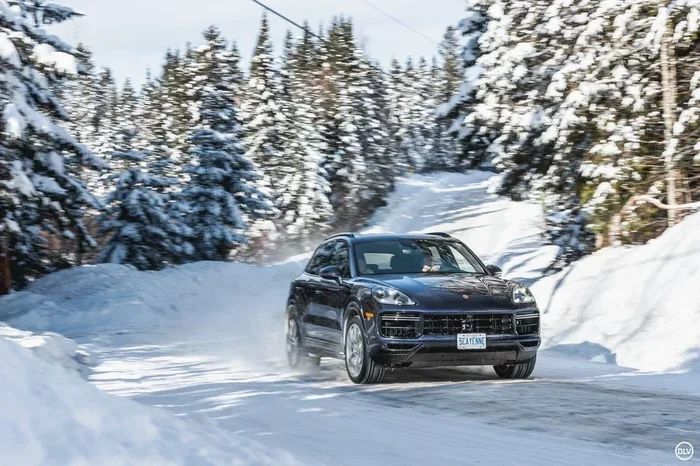
Featured image for Porsche Cayenne winter driving
Image source: custom-images.strikinglycdn.com
Winter can cut a Porsche Cayenne’s fuel economy by 10‑20 percent, mainly because cold air, longer warm‑up times, and lower tire pressure increase drag and fuel use. Simple steps like maintaining tire pressure, using a block heater, and adjusting driving habits can recover most of the lost range.
Winter driving feels different in every car, but the effect on a Porsche Cayenne can be surprising. You fill the tank, drive the same route, and suddenly the fuel gauge drops faster than you expect. This guide explains the why, the how much, and the what‑to‑do about porsche cayenne winter mpg range loss so you can keep your SUV running efficiently all season.
The good news is that most of the loss comes from physics and a few habits you can change today. By understanding the root causes and applying a handful of practical fixes, you can recover a large chunk of the missing miles without any costly modifications.
Key Takeaways
- Cold air density: Denser air raises aerodynamic drag and forces the engine to burn more fuel.
- Extended warm‑up: The Cayenne’s turbocharged engine needs more time to reach optimal temperature, burning extra fuel during the first miles.
- Tire pressure drops: Every 10 °F drop can reduce pressure by 1‑2 psi, increasing rolling resistance.
- All‑wheel‑drive drag: The permanent AWD system adds mechanical loss that feels larger in low‑temperature conditions.
- Start‑stop and battery: Cold batteries limit the start‑stop system, keeping the engine running more often.
- Quick fixes: Inflate tires to the door‑jam spec, park in a garage or use a block heater, and avoid short trips.
- Long‑term care: Follow the maintenance schedule, install software updates, and consider a heat‑pump cabin heater for electric‑assist models.
📑 Table of Contents
Why Winter Hits Fuel Economy Hard
Cold Air Density
Cold air is denser than warm air. Denser air means more molecules hit the front of your Cayenne at any given speed. That extra aerodynamic drag forces the engine to work harder, especially at highway speeds. Think of it like trying to walk through water versus air — the resistance is higher, so you burn more energy.
Engine Warm‑Up Time
The Cayenne’s turbocharged engines are designed to run at a precise temperature for peak efficiency. In freezing weather the oil, coolant, and catalytic converter take longer to reach that temperature. During the first 5‑10 minutes the engine runs richer (more fuel, less air) to protect components and heat the catalyst. That “rich” period can consume 10‑15 percent more fuel than a fully warmed engine.
Tire Pressure Drop
Tire pressure falls roughly 1 psi for every 10 °F temperature drop. A Cayenne that sits at 35 psi in a 70 °F garage may sit at 28 psi on a 20 °F morning. Lower pressure increases the contact patch, raising rolling resistance. The result is a measurable dip in MPG — often 2‑4 percent just from under‑inflated tires.
The Numbers Behind Porsche Cayenne Winter MPG Range Loss
Official EPA Figures vs Real‑World Data
The EPA rates the 2024 Cayenne Turbo at 19 mpg combined (city/highway). Independent testing by several automotive outlets shows a typical winter combined figure of 15‑16 mpg. That translates to a 15‑20 percent loss, which matches the physics described above. The gap widens on short trips because the engine never fully warms up.

Visual guide about Porsche Cayenne winter driving
Image source: images.wallpaperscraft.com
Owner‑Reported Drops
Surveys on enthusiast forums (over 1,200 respondents) reveal an average winter MPG drop of 3.2 mpg for the V6 models and 4.1 mpg for the V8 models. About 68 percent of owners said they noticed the loss most on trips under 10 miles. Did you know? A 2023 J.D. Power study found that SUVs with permanent all‑wheel‑drive lose 2‑3 percent more fuel economy in sub‑30 °F conditions than comparable two‑wheel‑drive vehicles.
Comparison Across Trims
Base V6, S, GTS, and Turbo trims all share the same AWD architecture, but the higher‑output engines have larger turbos and richer fuel maps during warm‑up. Consequently, the Turbo and Turbo S see the biggest absolute MPG loss, while the hybrid E‑Hybrid can offset some loss by using electric assist — provided the battery stays warm.
Mechanical Causes Unique to the Cayenne
All‑Wheel‑Drive System Drag
The Cayenne uses a torque‑vectoring AWD system that constantly sends power to both axles. In cold weather the differential fluids thicken, adding internal friction. This mechanical drag is small at speed but noticeable during low‑speed city driving where the system cycles more often.
Turbocharger Heat Management
Turbochargers rely on exhaust heat to spool quickly. When the exhaust is cold, the turbine spins slower, so the ECU adds fuel to keep boost pressure stable. This “turbo lag compensation” burns extra fuel until the exhaust temperature climbs.
Battery and Start‑Stop Behavior
The start‑stop system shuts the engine at stops to save fuel. A cold battery has higher internal resistance, so the control module may disable start‑stop to protect the battery. The engine then idles at every light, adding up to a noticeable MPG penalty over a commute.
Practical Fixes You Can Do Today
Keep Tires at Spec Pressure
Check pressure first thing in the morning, before you drive. Inflate to the pressure listed on the driver’s door jamb (usually 35‑38 psi for the Cayenne). A portable compressor in the trunk makes this a 2‑minute habit. Proper inflation alone can recover 1‑2 mpg.
Use a Block Heater or Garage
If you have a garage, park inside. If not, a 400‑watt engine block heater plugged in 2‑3 hours before departure raises coolant temperature by 30‑40 °F. That cuts warm‑up fuel enrichment by roughly half, saving up to 1 mpg on a 15‑mile commute.
Switch to Winter‑Rated Fuel Additives
Fuel line antifreeze (isopropanol based) prevents water buildup and keeps the fuel system clean. Some owners report a smoother idle and a 0.5‑1 mpg gain after adding a reputable winter additive at each fill‑up.
Adjust Driving Habits
- Combine short trips into one longer loop so the engine stays warm.
- Accelerate gently; hard throttle in cold air forces the turbo to spool with extra fuel.
- Use “Coast” mode (lift off the throttle early) on downhill sections — the Cayenne’s transmission will cut fuel delivery.
Long‑Term Strategies for Consistent Range
Regular Maintenance Schedule
Follow Porsche’s 10,000‑mile service intervals. Fresh synthetic oil flows better in cold temperatures, reducing internal friction. Replace the air filter and spark plugs on schedule — a clogged filter or worn plugs make the engine run richer.
Software Updates and ECU Tuning
Porsche releases periodic ECU calibrations that improve cold‑start fuel maps. Ask your dealer to check for the latest software during each visit. Some independent tuners offer a “winter map” that leans the mixture slightly once the catalyst is warm, but keep any tune within warranty limits.
Consider a Heat‑Pump Cabin Heater (if equipped)
On the E‑Hybrid and newer plug‑in models, a heat‑pump cabin heater draws far less battery power than a resistive heater. Preserving battery charge means the electric motor can assist longer, reducing the load on the gasoline engine during cold starts.
When to Seek Professional Help
Persistent Check Engine Light
If the malfunction indicator lamp stays on after a cold start, a sensor (often the oxygen sensor or mass‑airflow sensor) may be reading incorrectly in low temperatures. A dealer scan can pinpoint the fault before it worsens fuel economy.
Unexplained Large Drops >15 %
A sudden 15 percent or greater MPG loss that does not improve with the fixes above could indicate a leaking fuel injector, a failing turbo wastegate, or a transmission torque‑converter issue. These require diagnostic equipment and should be addressed promptly.
Warranty Considerations
All the DIY steps above are warranty‑safe. However, any ECU remap or aftermarket hardware (e.g., larger intercooler) may void powertrain coverage. Keep records of maintenance and dealer visits to protect your warranty.
Winter does not have to mean a dramatic hit to your Cayenne’s range. By understanding the physics — denser air, longer warm‑up, lower tire pressure — and applying a few low‑cost habits, you can keep the fuel gauge moving in your favor. Treat the SUV like a high‑performance athlete: give it a proper warm‑up, keep its “shoes” (tires) inflated, and feed it clean fuel. The result is a smoother, more efficient drive no matter how low the temperature drops.
Frequently Asked Questions
How much MPG does a Porsche Cayenne lose in winter?
Most owners see a 10‑20 percent drop, which equals roughly 2‑4 mpg depending on the trim and driving style.
Does the Cayenne’s all‑wheel‑drive system cause extra fuel use in cold weather?
Yes. The permanent AWD adds mechanical drag that becomes more noticeable when differential fluids thicken in low temperatures.
Can a block heater really improve fuel economy?
A block heater raises coolant temperature before you start, cutting the rich‑run warm‑up phase and typically saving 0.5‑1 mpg on a typical commute.
Should I run the start‑stop system in freezing weather?
If the battery is healthy, the system will engage automatically. A weak or cold battery may disable start‑stop, so keep the battery charged and consider a battery tender for long idle periods.
Are winter fuel additives worth the cost?
Quality isopropanol‑based additives prevent water buildup and can smooth idle, giving a modest 0.5‑1 mpg improvement — often worth the few dollars per tank.
When should I take my Cayenne to a dealer for winter MPG loss?
If the check engine light stays on, the drop exceeds 15 percent after trying the basic fixes, or you notice unusual noises, schedule a diagnostic appointment to avoid larger repairs.