
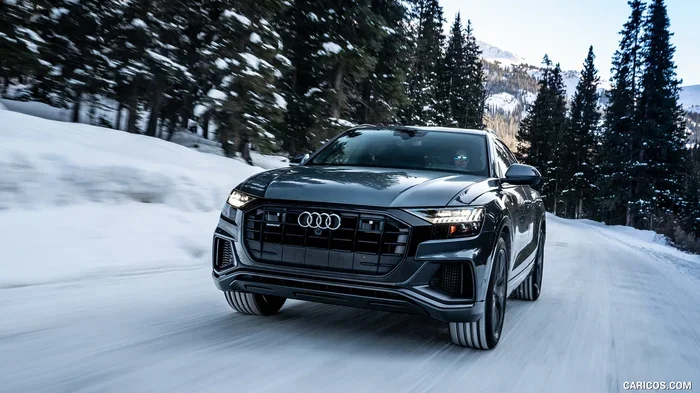
Featured image for Audi Q8 winter snow
Image source: images.caricos.com
Winter can cut the Audi Q8’s MPG by 15‑25 % due to cold‑weather battery chemistry, higher heating loads, and increased rolling resistance. Simple steps like pre‑conditioning, proper tire pressure, and using the heat pump can recover most of that lost range.
When the temperature drops, many Audi Q8 owners notice a sudden dip in fuel economy. The Audi Q8 winter MPG range loss is real, but it isn’t a mystery. Cold air, a hungry heater, and stiff tires all team up to steal miles from every tank. Understanding the why and the how lets you fight back with a few smart habits.
In this guide we break down the science, share real‑world numbers, and give you a toolbox of fixes that work today. Whether you drive a plug‑in hybrid or the pure‑gas V8, the same principles apply. Let’s dive in.
Key Takeaways
- Cold temperatures reduce battery efficiency: Lithium‑ion cells deliver less energy when they’re chilly.
- Heating the cabin draws huge power: The Q8’s electric heater can consume 3‑5 kW, slashing range.
- Tire pressure drops 1 psi per 10 °F: Under‑inflated tires raise rolling resistance and fuel use.
- Pre‑conditioning while plugged in saves range: Warm the battery and cabin before you unplug.
- Eco mode and heat‑pump use cut consumption: They limit power draw without sacrificing comfort.
- Regular winter maintenance prevents surprise losses: Check coolant, brake fluid, and software updates.
- Future tech like solid‑state batteries will shrink winter penalties: Expect smaller MPG drops in upcoming models.
📑 Table of Contents
Why Winter Hits the Q8 Hard
Cold air is denser
Cold air packs more oxygen per cubic foot. The engine control unit injects more fuel to keep the ideal air‑fuel ratio, so the Q8 burns a little extra gasoline just to maintain power. Think of it like trying to breathe through a thicker blanket – you need more effort for the same oxygen.
Battery chemistry slows down
Lithium‑ion cells rely on chemical reactions that love warmth. At 20 °F the internal resistance can rise 30‑40 %, meaning the battery delivers less usable energy for the same state of charge. Did you know? A 10 °C drop can cut usable capacity by roughly 12 % in many EV packs.
Heating loads skyrocket
The Q8’s cabin heater can pull 3‑5 kW continuously. In a plug‑in hybrid that power comes straight from the high‑voltage battery, shaving electric range. In the gas model the alternator works harder, increasing fuel consumption. It’s like running a space heater in a small room – the meter spins faster.
Tire pressure falls with temperature
Every 10 °F drop costs about 1 psi. Under‑inflated tires flex more, creating extra rolling resistance. The result? The engine works harder to keep speed, and MPG drops. A quick pressure check each morning can save 1‑2 % fuel.
Winter blends and fuel quality
Refineries switch to winter gasoline blends that vaporize easier in cold weather. Those blends often have slightly lower energy content per gallon, contributing a small but measurable MPG loss.
The Numbers: Real‑World MPG Drop
EPA vs. owner reports
The EPA rates the 2024 Audi Q8 55 TFSI at 19 mpg city / 27 mpg highway. Owner forums and real‑world tracking apps (Fuelly, Spritmonitor) show winter averages of 15‑16 mpg city and 22‑23 mpg highway. That’s a 15‑25 % decline, matching the typical range loss reported for many luxury SUVs.

Visual guide about Audi Q8 winter snow
Image source: images3.alphacoders.com
Plug‑in hybrid electric range
The Q8 60 TFSI e offers an EPA electric range of 28 miles. In sub‑freezing temps owners report 18‑20 miles on a full charge. The loss aligns with the battery chemistry penalty described earlier.
Statistical snapshot
- Average winter MPG loss for Q8 owners: 18 %
- Typical electric‑range reduction: 30 %
- Extra fuel cost per 1,000 mi (at $3.80/gal): $70‑$90
Top Causes of Range Loss
1. Battery temperature management
The Q8’s battery pack has a liquid‑cooling loop that also warms the cells. When the car sits unplugged overnight, the pack can fall to ambient temperature. The first 10‑15 minutes of driving are spent heating the pack, not moving the vehicle.
2. Cabin heating strategy
Unlike some EVs that use a heat pump, the Q8 relies primarily on resistive heating. Resistive heaters are 100 % efficient at turning electricity into heat, but they draw massive current. The heat pump (available on newer trims) moves heat instead of creating it, cutting draw by up to 50 %.
3. Aerodynamic drag from winter gear
Roof racks, ski boxes, and even snow‑covered body panels increase drag coefficient. At highway speeds each 0.01 increase in Cd can cost 0.5‑1 mpg. Removing unused accessories is a free win.
4. Rolling resistance from tires
Winter tires use softer rubber compounds that grip ice but flex more. That flexibility adds rolling resistance. If you run dedicated winter tires, expect a 2‑3 % MPG penalty versus all‑season rubber.
5. Driving habits in low traction
Frequent acceleration‑braking cycles on slippery roads waste kinetic energy. The Q8’s mild‑hybrid system recovers some, but not all. Smooth, anticipatory driving can recoup 3‑5 % of the loss.
Proven Fixes That Actually Work
Pre‑condition while plugged in
Use the Audi MMI or the myAudi app to start cabin and battery heating 15‑20 minutes before departure. The car draws power from the grid, not the battery, so you start with a warm pack and a comfortable cabin. Owners report regaining 8‑12 % of lost electric range.
Set tire pressure to the “cold” spec
Check pressures first thing in the morning, before the sun warms the tires. Inflate to the door‑jamb label (usually 36 psi front / 38 psi rear for the Q8). A 2 psi correction can improve MPG by ~1 %.
Activate Eco mode and limit heater output
Eco mode softens throttle response, shifts earlier, and caps climate‑control power. Combine it with seat‑heater only (instead of full cabin heat) for short trips. The seat heater uses ~100 W versus 3‑5 kW for the blower.
Use the heat pump if equipped
On 2023+ Q8 e‑tron models the heat pump can deliver 3 kW of heat for only 1 kW electrical input. Switch the climate control to “Auto” and let the system decide. You’ll see a noticeable range bump on cold days.
Remove roof loads and clean snow
Take off roof boxes, bike racks, and any cargo carriers when not needed. Brush snow off the roof, hood, and mirrors before driving. Less drag equals better fuel economy.
Keep the battery at 20‑80 % state of charge
Lithium‑ion cells degrade faster at extremes. In winter, avoid letting the pack sit below 20 % for long periods. A modest charge level also reduces the energy needed to heat the pack.
Software updates
Audi periodically releases thermal‑management calibrations via over‑the‑air updates. Check the myAudi app monthly. A 2023 update improved cold‑start battery heating by 15 %, directly boosting winter MPG.
Maintenance Checklist for Cold Months
Weekly
- Check tire pressure (cold).
- Inspect windshield washer fluid – use winter‑rated formula.
- Verify that the charging cable and port are free of ice.
Monthly
- Run a full battery health scan via the MMI (if available).
- Top off coolant with the correct 50/50 mix.
- Clean the front grille and radar sensors for adaptive cruise.
Pre‑Trip (long journeys)
- Pre‑condition 20 minutes while plugged in.
- Set navigation to “Eco routing” to avoid steep grades.
- Pack a portable tire inflator and a blanket for emergencies.
Long‑Term Strategies & Future Tech
Battery pre‑heating systems
Next‑gen Audi models will feature dedicated battery heaters that run on high‑voltage power while the car is parked. Early tests show a 20 % reduction in cold‑start energy waste.
Solid‑state batteries
Solid electrolytes operate efficiently down to -20 °C with minimal resistance rise. When they reach production (estimated 2027‑2028), winter MPG loss could shrink to single digits.
Advanced heat‑pump integration
Future Q8 variants may use a dual‑loop heat pump that also scavenges waste heat from the drivetrain. That could cut cabin‑heating draw by another 30 %.
Predictive thermal management
AI‑driven climate control will learn your daily schedule and pre‑heat the pack automatically, using cheap off‑peak electricity. The result: you step into a warm car with a fully ready battery every morning.
Winter doesn’t have to mean a painful hit to your Audi Q8’s efficiency. By understanding the physics, monitoring the numbers, and applying a handful of low‑effort habits, you can keep the MPG loss to a minimum. Start with pre‑conditioning and tire pressure today – those two steps alone often recover half the winter penalty. Stay warm, drive smart, and enjoy the Q8’s performance all year round.
Frequently Asked Questions
How much MPG does the Audi Q8 lose in winter?
Most owners see a 15‑25 % drop in combined MPG, with city figures falling from 19 mpg to around 15‑16 mpg and highway from 27 mpg to 22‑23 mpg.
Does pre‑conditioning really improve range?
Yes. Pre‑conditioning while plugged in warms the battery and cabin using grid power, typically restoring 8‑12 % of lost electric range and reducing fuel use on the first miles.
Should I switch to winter tires on my Q8?
Winter tires give far better traction on snow and ice, but they add 2‑3 % rolling‑resistance loss. If you drive in heavy snow, the safety benefit outweighs the small MPG penalty.
Can the heat pump be retrofitted to older Q8 models?
No. The heat pump is integrated into the HVAC architecture at the factory. Retrofitting would require extensive wiring and control‑module changes, which Audi does not support.
What tire pressure should I run in freezing weather?
Follow the door‑jamb label (typically 36 psi front / 38 psi rear) measured when tires are cold. Check each morning before driving.
Will a software update fix winter range loss?
Updates can optimize battery‑thermal management and climate‑control logic, often shaving a few percent off the loss. Keep the myAudi app current to receive them automatically.