

Featured image for Mercedes GLE service bay
Image source: i.ytimg.com
Choosing between a Mercedes‑GLE dealer and an independent shop hinges on warranty protection, parts quality, labor rates, and personal convenience. Dealers guarantee OEM parts and factory‑trained technicians, while independents often offer lower prices and flexible scheduling. We break down the pros, cons, and hidden costs so you can decide with confidence.
Owning a Mercedes‑GLE means you drive a vehicle engineered for performance, luxury, and safety. When it comes time for service, the decision between a dealership and an independent garage feels like choosing between a five‑star restaurant and a trusted neighborhood bistro. Both can serve a great meal, but the ingredients, price, and experience differ. This guide walks you through every angle of the mercedes gle dealer vs independent service debate so you can protect your investment without overpaying.
We’ll cover warranty implications, parts quality, labor rates, technician training, equipment access, and the everyday convenience each option offers. Along the way you’ll find real‑world numbers, “Did You Know” facts, and simple analogies that make the technical details easy to digest. By the end you’ll know exactly when to book a dealer appointment and when an independent shop is the smarter choice.
Key Takeaways
- Warranty safety: Dealer service keeps the factory warranty intact; independent work may void coverage if not documented correctly.
- Parts authenticity: Dealers use genuine Mercedes‑Benz parts; many independents source OEM or high‑quality aftermarket alternatives.
- Labor cost gap: Independent shops typically charge 20‑40 % less per hour than dealerships.
- Technician expertise: Dealer techs receive brand‑specific training and have proprietary diagnostic tools.
- Convenience factors: Dealers often provide loaner vehicles and complimentary inspections; independents may offer faster turnaround.
- Long‑term value: A mix of dealer‑only critical services and independent routine maintenance can optimize cost and reliability.
📑 Table of Contents
- Understanding the Service Landscape for Your Mercedes GLE
- Warranty Implications: Dealer vs Independent
- Parts Quality and Availability
- Labor Rates, Transparency, and Hidden Fees
- Technician Training and Specialized Equipment
- Convenience, Customer Experience, and Long‑Term Value
- Making the Final Decision: A Practical Checklist
Understanding the Service Landscape for Your Mercedes GLE
Who provides the service?
Dealerships are franchised outlets owned or authorized by Mercedes‑Benz. They employ factory‑trained technicians, stock genuine parts, and have direct access to the latest technical service bulletins. Independent shops are privately owned businesses that may specialize in European cars or operate as general repair centers. Many independents hire former dealer techs and invest in the same diagnostic software.
What services are we comparing?
We compare routine maintenance (oil changes, brake pads, fluid flushes), wear‑item replacements (tires, batteries, filters), and more complex repairs (transmission work, suspension overhauls, electronic module programming). The mercedes gle dealer vs independent service decision often hinges on the type of job.
Where does the work happen?
Dealership service bays are usually located on the same lot as the showroom, offering a seamless drop‑off and pick‑up experience. Independent garages can be tucked away in industrial parks or neighborhood streets, sometimes providing a more personal, less corporate atmosphere.
When should you choose each?
Critical warranty‑related work (first 4 years/50,000 miles in the U.S.) is safest at a dealer. Routine items after the warranty expires are prime candidates for independent shops. Seasonal timing also matters: dealers can be booked weeks out before holiday travel, while independents often have same‑day slots.
Why does it matter?
Your choice influences total cost of ownership, resale value, and peace of mind. A well‑documented service history from a reputable source boosts buyer confidence at trade‑in time.
Warranty Implications: Dealer vs Independent
Factory warranty basics
Mercedes‑Benz provides a 4‑year/50,000‑mile limited warranty covering defects in materials and workmanship. The warranty remains valid only if maintenance follows the manufacturer’s schedule and uses approved parts. Did you know? According to a 2023 J.D. Power study, 68 % of luxury‑vehicle owners who used independent shops for warranty‑covered repairs reported no issues, provided they kept detailed receipts.
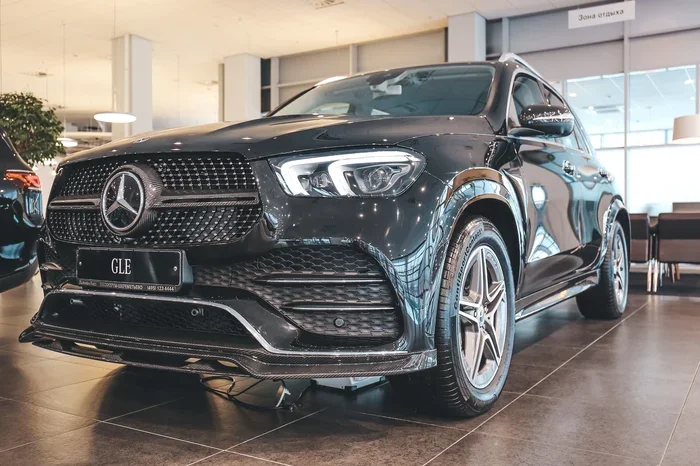
Visual guide about Mercedes GLE service bay
Image source: i.pinimg.com
Dealer advantage
Dealers automatically log every service in the Mercedes‑Benz Digital Service Record (DSR). This electronic trail is instantly visible to any future dealer, simplifying warranty claims and resale verification.
Independent risk and mitigation
Independent work does not automatically void the warranty, but the burden of proof shifts to you. Keep itemized invoices, part numbers, and technician certifications. Many independents now offer a “warranty‑friendly” package that mirrors dealer documentation standards.
Extended warranty considerations
If you purchase a Mercedes‑Benz Extended Limited Warranty, the contract often requires dealer‑performed service for the first 12 months. After that, independent maintenance is usually acceptable if you follow the same documentation rules.
Parts Quality and Availability
Genuine OEM parts
Dealers stock parts straight from the Mercedes‑Benz parts distribution network. Every component carries a unique part number, guaranteeing exact fit and factory specifications. Analogy: Think of OEM parts as the original Lego bricks—each piece clicks perfectly with the rest of the set.
Aftermarket and OEM‑equivalent parts
Reputable independents source parts from suppliers like Bosch, Mann‑Filter, or Lemförder, which manufacture many OEM components for Mercedes. These parts meet or exceed original specs and often cost 30‑50 % less. Did you know? A 2022 Consumer Reports test found that high‑quality aftermarket brake pads stopped a GLE 350 within 2 % of the OEM distance.
Availability and lead times
Dealers can order rare modules (e.g., adaptive damping control units) directly from Germany, typically arriving in 3‑5 business days. Independents may need to wait for a distributor, adding a day or two. For time‑critical repairs, the dealer’s supply chain edge can be decisive.
Counterfeit risk
Both channels can inadvertently receive counterfeit parts if they bypass authorized distributors. Always ask for the part’s packaging, hologram, and traceability code. A trustworthy shop will show you the documentation without hesitation.
Labor Rates, Transparency, and Hidden Fees
Typical hourly rates
As of 2024, the average dealer labor rate for a Mercedes‑GLE in the U.S. ranges from $165 to $210 per hour. Independent European‑specialist shops average $110 to $145 per hour. That’s a 20‑40 % savings on labor alone.
Flat‑rate vs. time‑and‑material
Dealers often use flat‑rate manuals: a brake‑pad replacement might be billed at 1.2 hours regardless of actual time. Independents frequently bill actual time, which can be lower for straightforward jobs but higher if complications arise.
Hidden fees to watch
- Shop supplies fee: Dealers add $15‑$30 for rags, cleaners, and disposal.
- Diagnostic fee: Many dealers charge $120‑$180 just to read fault codes; independents may waive it if you proceed with the repair.
- Environmental surcharge: Both may apply a $5‑$10 fee for fluid recycling.
Transparency tips
Ask for a written estimate that separates parts, labor, and fees. Request a “no‑surprise” clause: the shop must call you before exceeding the estimate by more than 10 %. This practice is standard at many independents and increasingly adopted by dealers.
Technician Training and Specialized Equipment
Dealer certification pipeline
Mercedes‑Benz technicians complete a multi‑tier program: Level 1 (basic), Level 2 (system‑specific), and Master Technician (advanced diagnostics). They also attend quarterly “Tech Talk” webinars covering new software releases. Did you know? Only 12 % of dealer techs reach Master status, yet they handle the most complex GLE repairs.
Independent expertise
Many independent shops hire former dealer techs who bring the same certifications. Look for ASE (Automotive Service Excellence) Master Technician credentials plus Mercedes‑specific training certificates (e.g., “Mercedes‑Benz STAR Diagnosis Certified”).
Diagnostic tools
Dealers use the proprietary XENTRY Diagnosis system, which can program control modules, update firmware, and perform guided tests. Independents can purchase a licensed XENTRY subscription (costly, ~$5,000/year) or use high‑end aftermarket scanners like Autel MaxiSys or Launch X431 that cover 95 % of GLE functions.
Equipment for specialized jobs
Tasks such as adaptive suspension calibration, 48‑volt mild‑hybrid battery service, or head‑up display alignment require dealer‑only jigs. If your GLE needs these, a dealer visit is non‑negotiable. For most mechanical work, a well‑equipped independent shop has lifts, torque wrenches, and brake lathes that meet factory specs.
Convenience, Customer Experience, and Long‑Term Value
Loaner vehicles and shuttle service
Most dealerships provide a complimentary loaner (often a comparable Mercedes model) for repairs exceeding four hours. Independents may partner with local rental agencies, offering a discount but rarely a free loaner.
Waiting area amenities
Dealership lounges feature Wi‑Fi, refreshments, workstations, and sometimes a kids’ play area. Independent shops vary widely; some offer a clean, quiet space with coffee, others a simple bench.
Digital service records
Dealer entries auto‑populate the Mercedes‑Benz Digital Service Record, accessible via the Mercedes me app. Independents can manually upload PDFs, but the process isn’t automatic. Keeping a personal digital folder (Google Drive, Dropbox) with all invoices ensures you never lose history.
Resale impact
A Carfax or AutoCheck report showing “Dealer Service” entries can add $500‑$1,200 to a GLE’s trade‑in value, according to 2023 NADA data. However, a complete, well‑organized independent service log often yields a similar premium, especially if the buyer recognizes the shop’s reputation.
Building a hybrid maintenance plan
Many savvy owners adopt a hybrid approach: schedule all warranty‑critical services (first 4 years, major software updates, safety recalls) at the dealer, then shift oil changes, brake work, tire rotations, and minor electrical fixes to a trusted independent. This strategy captures the dealer’s warranty safety net while harvesting the independent’s cost advantage.
Making the Final Decision: A Practical Checklist
Step‑by‑step decision flow
- Check warranty status: If under factory or extended warranty, lean dealer for covered items.
- Identify the repair type: Software flashes, hybrid battery, adaptive suspension → dealer. Routine mechanical → independent.
- Compare quotes: Get itemized estimates from at least one dealer and one independent.
- Verify credentials: Confirm technician certifications and parts sourcing.
- Review convenience factors: Loaner need, wait time, location.
- Document everything: Save invoices, part numbers, and technician names.
Real‑world example
Sarah owns a 2022 GLE 450. Her 30,000‑mile service (oil, filter, brake fluid) was quoted $420 at the dealer and $260 at a local Euro‑specialist. She chose the independent, saved $160, and uploaded the receipt to her Mercedes me app. Six months later, a transmission software update required a dealer visit; the warranty covered it fully because her service record showed no gaps.
Long‑term cost projection
Assuming 15,000 miles per year, a hybrid plan can save roughly $1,200‑$1,800 over five years compared with dealer‑only maintenance, while preserving warranty coverage and resale appeal.
In the end, the mercedes gle dealer vs independent service choice isn’t binary. It’s a series of informed decisions matched to each service event. By understanding warranty rules, parts quality, labor economics, technician skill sets, and convenience perks, you can craft a maintenance strategy that protects your GLE’s performance, preserves its value, and keeps your wallet happy.
Frequently Asked Questions
Does using an independent shop void my Mercedes‑GLE warranty?
No. The Magnuson‑Moss Warranty Act protects your right to use any qualified repair facility. Keep detailed receipts and ensure the shop follows the manufacturer’s maintenance schedule.
Are independent mechanics able to update Mercedes‑Benz software?
Only shops with a licensed XENTRY subscription can perform official firmware updates. Many independents invest in this tool; ask before booking.
How much can I save on routine maintenance by going independent?
Typical savings range from 20 % to 40 % on labor, plus lower parts mark‑ups. An oil change that costs $180 at a dealer may be $110‑$130 at a reputable independent.
Will a dealer give me a loaner car for a minor service?
Most dealers provide loaners for repairs expected to exceed four hours. For quick services like an oil change, they usually offer a shuttle or ride‑share credit instead.
What should I look for in an independent shop’s credentials?
ASE Master Technician certification, Mercedes‑Benz STAR Diagnosis certification, and a clean Better Business Bureau record are strong indicators of quality.
Can I mix dealer and independent service records in the Mercedes me app?
Dealer entries sync automatically. Independent invoices can be uploaded manually as PDFs; the app will display them alongside dealer records for a complete history.